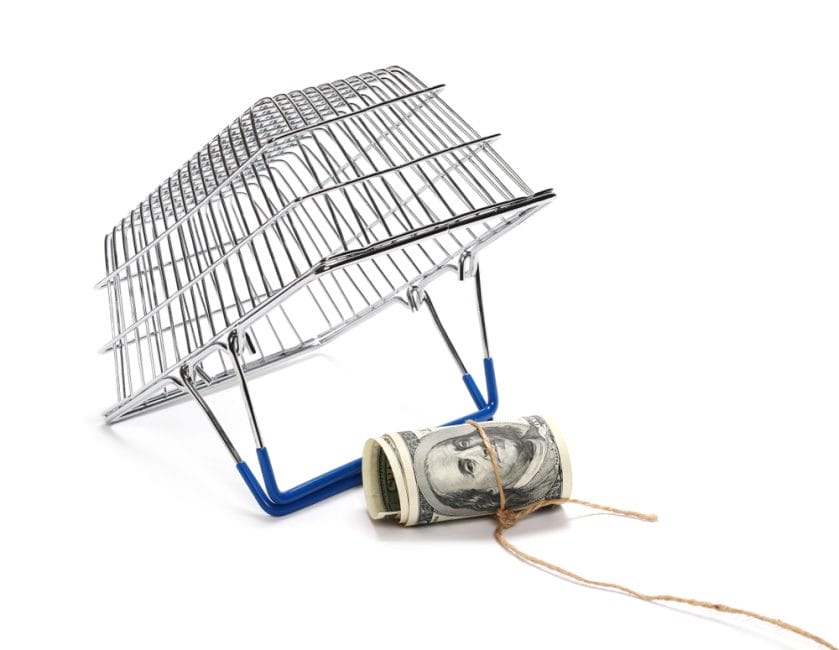
You can walk into a grocery store with a list, a budget, and a strong sense of willpower—and still leave with three “bonus” items you never meant to buy. That’s not because you’re bad at budgeting. Stores are designed to nudge decisions in tiny ways that feel harmless in the moment but add up fast at the register. The good news is that once you recognize the tricks, you can short-circuit them without making shopping miserable. Here are four common traps that quietly push shoppers to spend more, plus simple moves that keep your cart under control.
1. The “Just One More” Endcap Trap
Endcaps are those displays at the end of aisles that scream “deal” even when the price is average. Stores put high-margin snacks, seasonal items, and impulse buys there because you can’t avoid seeing them. The display feels special, so your brain assumes it’s discounted, and that’s how you spend more without noticing. The fix is a quick habit: treat endcaps like ads, not aisles, and only stop if your list includes that item. If you’re curious, compare the unit price to the regular shelf before you buy.
2. Spend More With “Limited-Time” Urgency
“Limited-time,” “new,” and “while supplies last” create a fear of missing out that makes people act fast. When you believe something may vanish, you grab it now, even if you don’t have a plan for it. That urgency also distracts you from checking the price per ounce or whether you already have something similar at home. Stores love urgency because it shortens your decision-making window, and that’s when you spend more. Your counter move is simple: take a photo of the item and walk away for five minutes, then decide if it still matters.
3. The Loyalty “Deal” That Isn’t Really A Deal
Digital coupons and loyalty pricing can save money, but they can also push you into buying things you never planned to buy. When your app shows a “personalized deal,” it feels tailored and valuable, so it’s easy to justify the purchase. This is one of the easiest ways to spend more because it feels responsible, like you’re being smart. The fix is to only clip offers for items already on your list, plus one flexible “stock-up” item you know you’ll use. If the deal requires buying multiple units, check your pantry space and your realistic usage first.
4. The “Cheapest” Trap Hidden In Shelf Placement
The most expensive and most profitable items often sit at eye level, because that’s where your hand goes first. Cheaper options are frequently higher or lower, where you have to work a little to find them. This is subtle, but it matters because it can make you spend more on basics like cereal, pasta sauce, and snacks every single trip. The fix is to scan up and down for five seconds before you commit, especially in categories with lots of brands. Once you find a true value option, save it as a default so you don’t re-decide every time.
Outsmart The Store Without Making Shopping Hard
You don’t need to turn grocery shopping into a battle of wills to keep your budget intact. The goal is noticing when the store is speeding you up, distracting you, or making “extras” feel reasonable. Treat endcaps like ads, pause on urgency, clip deals with intention, and look above and below eye level before you choose. Those small habits reduce impulse buys and keep you from paying extra for the same groceries.
Which trap gets you most often when you’re tired and just trying to get in and out?
What to Read Next…
8 Psychological Games Big-Box Stores Play to Keep You Coming Back
How to Spot a Genuine Grocery Sale vs. a Marketing Trick
10 Checkout Traps That Are Secretly Draining Your Bank Account
Are Discounted Grocery Items Really Healthier Buys?
10 Retail Psychology Tricks So Subtle You Don’t Even Know They’re Working
The post 4 Psychological Traps Your Grocery Store Is Using to Make You Spend More appeared first on Grocery Coupon Guide.