The produce department changes constantly based on the weather and transit networks. A vegetable that costs $1 today might cost $3 next week. Shoppers must stay alert to these shifts to protect their budgets. Currently, the agricultural supply chain is facing several distinct hurdles. From border crossing delays to destructive regional storms, the flow of fresh fruit and vegetables is compromised. When the supply drops, the retail price surges instantly. Here are 4 produce items seeing delays or intense price pressure this week.
1. Fresh Avocados
The avocado market relies heavily on imports from Mexico to meet domestic demand. The logistical network connecting the Mexican farms to the American supermarkets is experiencing severe friction. Extensive border inspections and commercial trucking shortages delay the shipments for days. Avocados are highly perishable. Sitting in a delayed truck reduces their shelf life. Supermarkets raise the price of the surviving avocados to cover the cost of the spoiled inventory. Expect to pay a premium for firm, unblemished avocados this week.
2. Florida Citrus
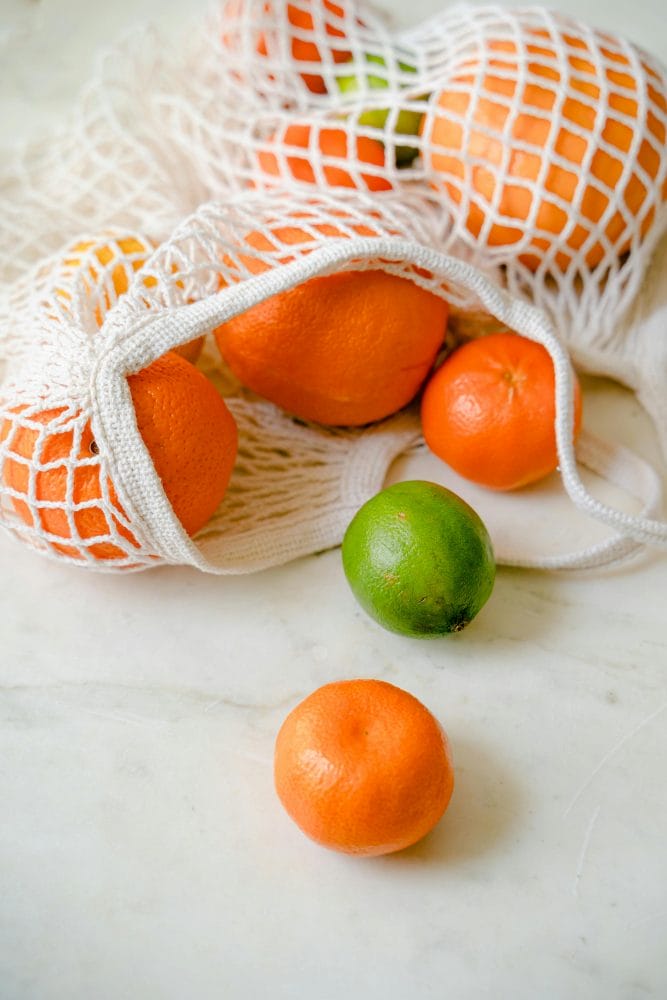
The citrus industry is battling long-term disease and short-term weather impacts. Florida groves suffered from extreme cold snaps earlier in the season, which damaged the fragile blossoms. Furthermore, the ongoing fight against citrus greening disease continues to shrink the total harvest yield. The lack of domestic oranges and grapefruits forces retailers to rely on expensive imports. The high transportation costs associated with moving heavy citrus across the ocean directly inflate the price of fresh bagged oranges.
3. Greenhouse Tomatoes
Vine-ripened tomatoes rely heavily on indoor greenhouse production during the transitional spring months. Operating a massive commercial greenhouse requires a tremendous amount of energy to regulate the temperature and lighting. Commercial electricity rates remain historically high. The farms pass these elevated utility costs down the supply chain. When you buy a plastic container of greenhouse cherry tomatoes or tomatoes on the vine, you are paying a hidden premium for the expensive electricity required to grow them.
4. Spring Strawberries

Spring is the traditional season for cheap berries. However, the agricultural transition from southern farms to northern fields is currently disjointed. Heavy regional rains in California delayed the planting and harvesting schedules. The market is caught in a gap between the end of the winter harvest and the delayed start of the spring yield. This temporary supply gap drives the retail price of fresh strawberries upward. The prices will remain high until the California fields dry out and production resumes at full speed.
Navigating the Produce Aisle
Protecting your cash requires flexibility. You cannot force a recipe that demands expensive ingredients. If avocados and fresh strawberries are experiencing price pressure, you must pivot. Buy frozen berries for your morning smoothies and substitute cheap cabbage or root vegetables for your dinner sides. Adapting your meal plan to avoid the delayed items keeps your weekly grocery receipt balanced.
What To Read Next
The Rising Cost of Supply Chain Delays on Fresh Produce
Double Up Food Bucks The States Expanding the Produce Match in 2026
Spring Produce Pricing Varies Across Georgia Markets
6 Ways to Stretch Fresh Produce for Two Weeks
The post 4 Produce Items Seeing Delays or Price Pressure This Week appeared first on Grocery Coupon Guide.