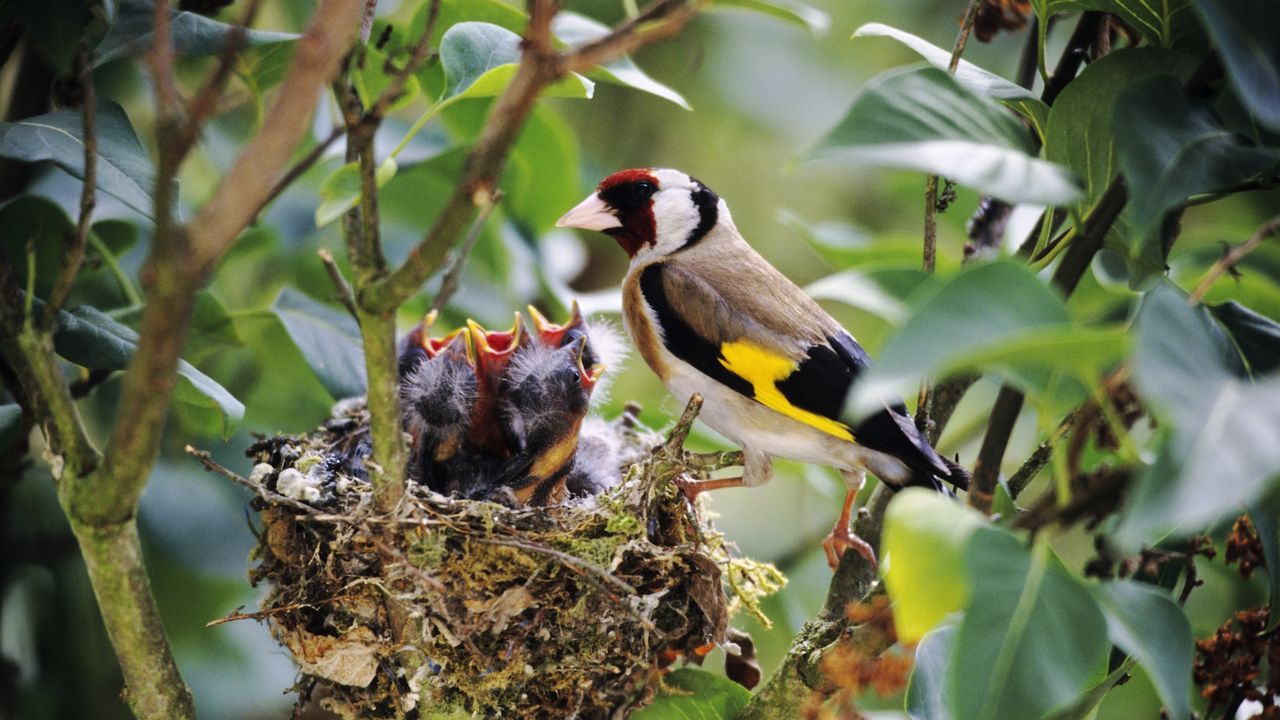
Whether you're a keen birdwatcher or you just love welcoming wildlife to your backyard, you're likely doing plenty to make the space as bird-friendly as possible. What you might not have considered, however, is the harmful nesting materials that could be hiding in plain sight.
From string and yarn to pet hair and even dryer lint, a wide variety of materials can end up in your yard and become detrimental to wildlife. Many are toxic to birds (like plastic fibers), while others can pose a choking hazard.
Below, we ask experts to delve into the harmful nesting materials which you're most likely to find in your backyard – and how you can tackle these to help garden birds in the summer.
1. Pet Hair
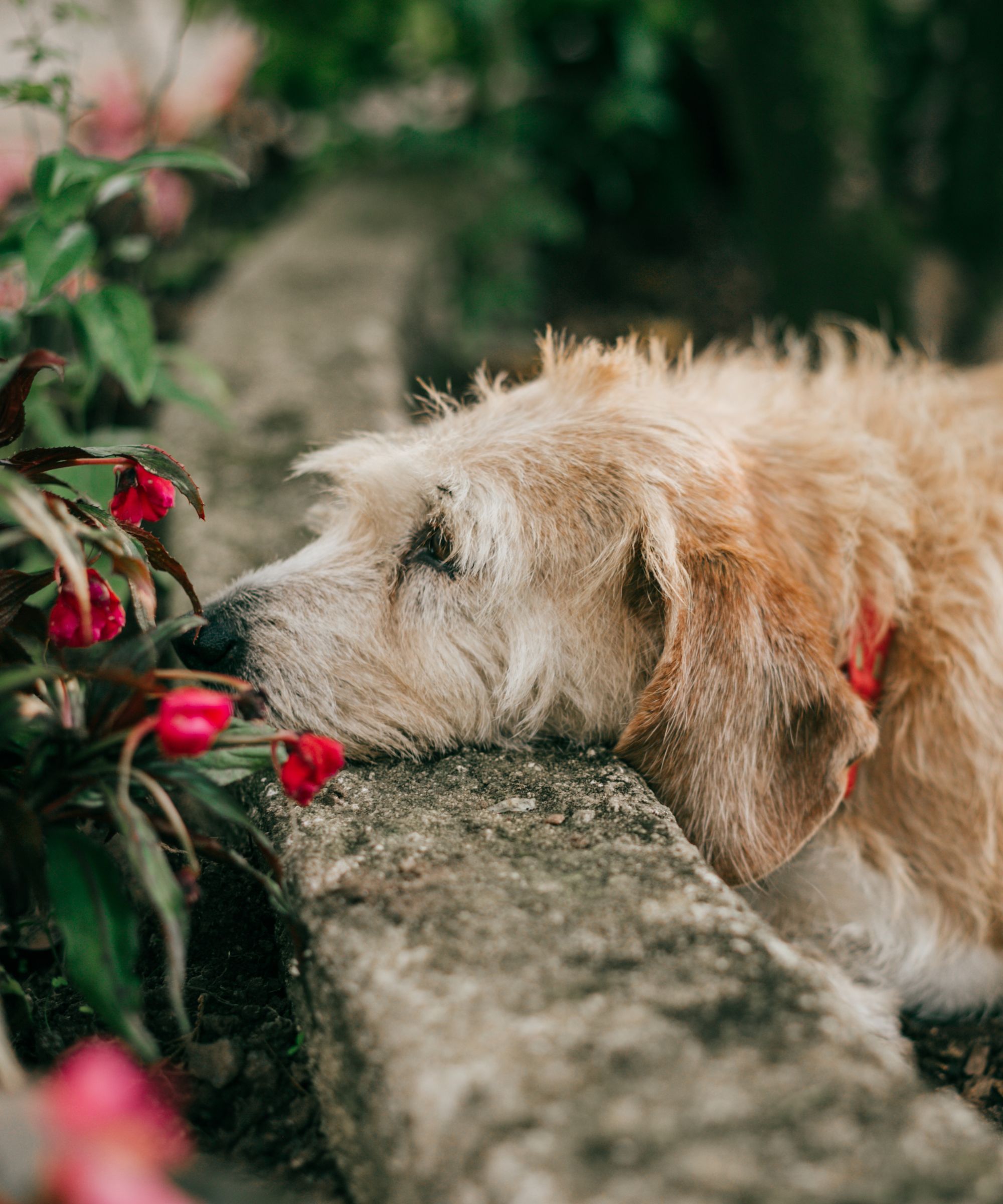
Any pet owner will know that it's practically impossible to prevent dogs and cats from shedding – but it's crucial to ensure that minimal pet hair ends up outside.
Loose pet hair might seem like a harmless material when it comes to wildlife, and some birds will use it to line their nests. However, it can be dangerous for a number of reasons.
'Soft dog hair can be used to line nests; however, if the hair is long or has a high tensile strength, it can become entangled around birds and cause injuries,' explains Dr. Pilar Fish, Senior Director of Zoological Advancement and Avian Medicine at the National Aviary in Pennsylvania.
'Plus, if dogs are treated with topical flea and tick products, their hair can pose a potential problem if ingested by fragile birds and chicks.'
2. Dryer Lint
It's not uncommon to find dryer lint in your yard, but it can become a particularly harmful nesting material: since it easily absorbs water, it can cause bird nests to collapse in wet weather. It can also contain harmful chemicals from laundry detergent and fabric softener.
'Dryer lint may have leftover residue from chemicals found in laundry detergent,' says Holly Latteman, Director of Science & Research for The Dawes Arboretum in Newark, Ohio.
'These chemicals might be common for humans, but they are uncommon for birds – and they can cause problems if used in nests.'
3. String and Twine
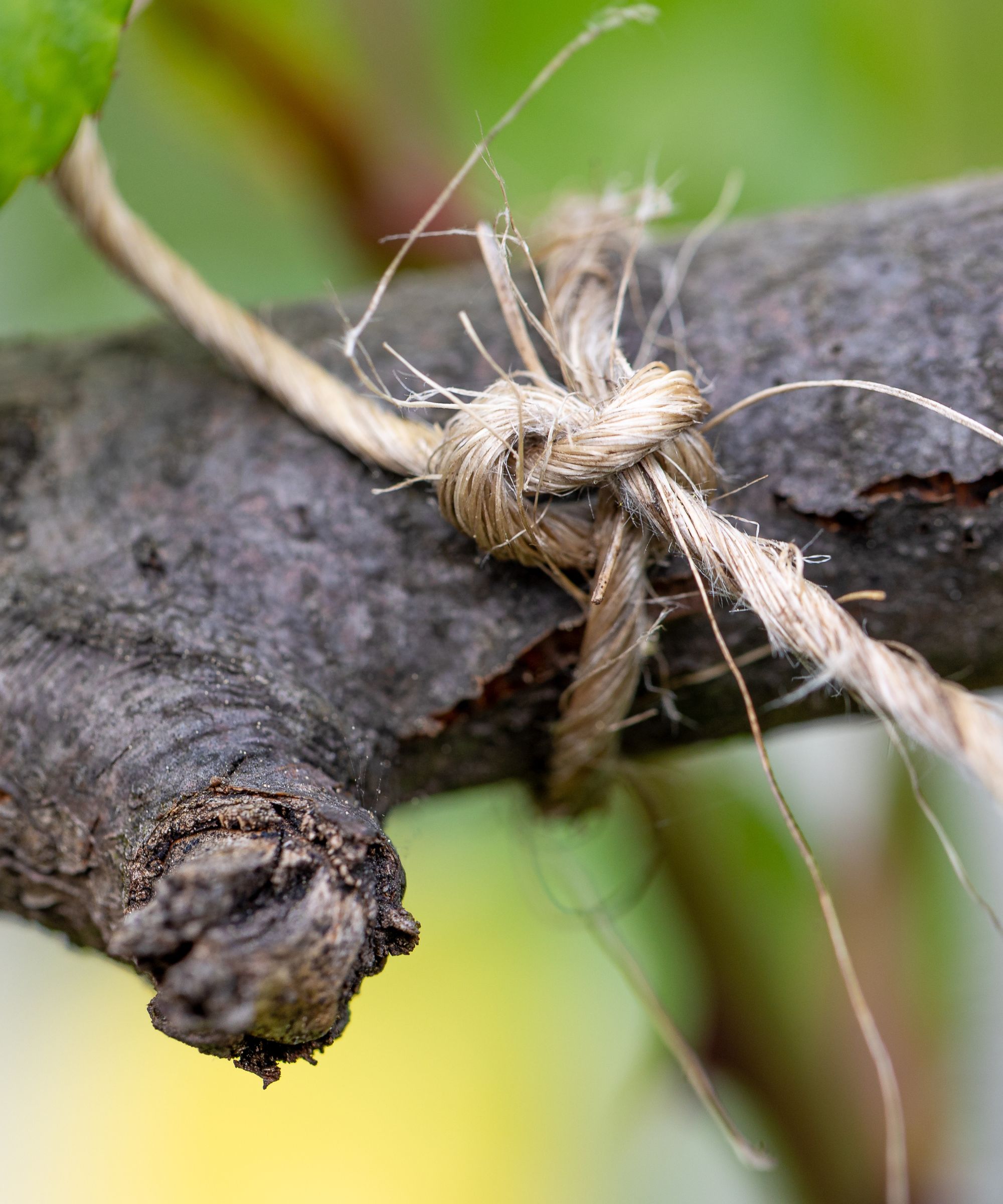
Gardening twine might be a staple in most backyards, but birds can find themselves tangled up in long strands or loose ends.
'String or plastic can become entwined around birds’ bodies or legs,' explains Dr Fish. 'Chicks are also at risk of getting entangled in fibers or eating fibers.'
To help prevent injury, experts recommend conducting a quick yard check to identify hazards like these.
'It's best to clean up any fibers from your yard that birds might see as possible nesting material and allow them to collect natural items such as sticks, moss, or grasses,' advises Lisa Kelly, Animal Care Supervisor at Teatown Lake Reservation.
4. Plastic
No matter how often you tend to your yard, you might find that trash and plastic waste still appears – and it could be causing serious issues for wildlife.
'Any kind of plastic item can be harmful,' says Steven Corcoran, CEO of Lawn Love. 'One of the biggest concerns is that it poses a major choking hazard.
'When used as a nesting material, however, it can cause a lot more heat to be retained which can overheat eggs and harm baby birds.'
The Best Natural Nesting Materials to Provide Instead
Once you've done your best to remove hazards from your yard, you might want to provide some alternatives – and this includes plants.
'The biggest thing I’d recommend is to see what’s native to your area,' says Holly. 'Native plants will provide birds with what they need to thrive in their natural environment, and you can always grow them around your bird feeder.'
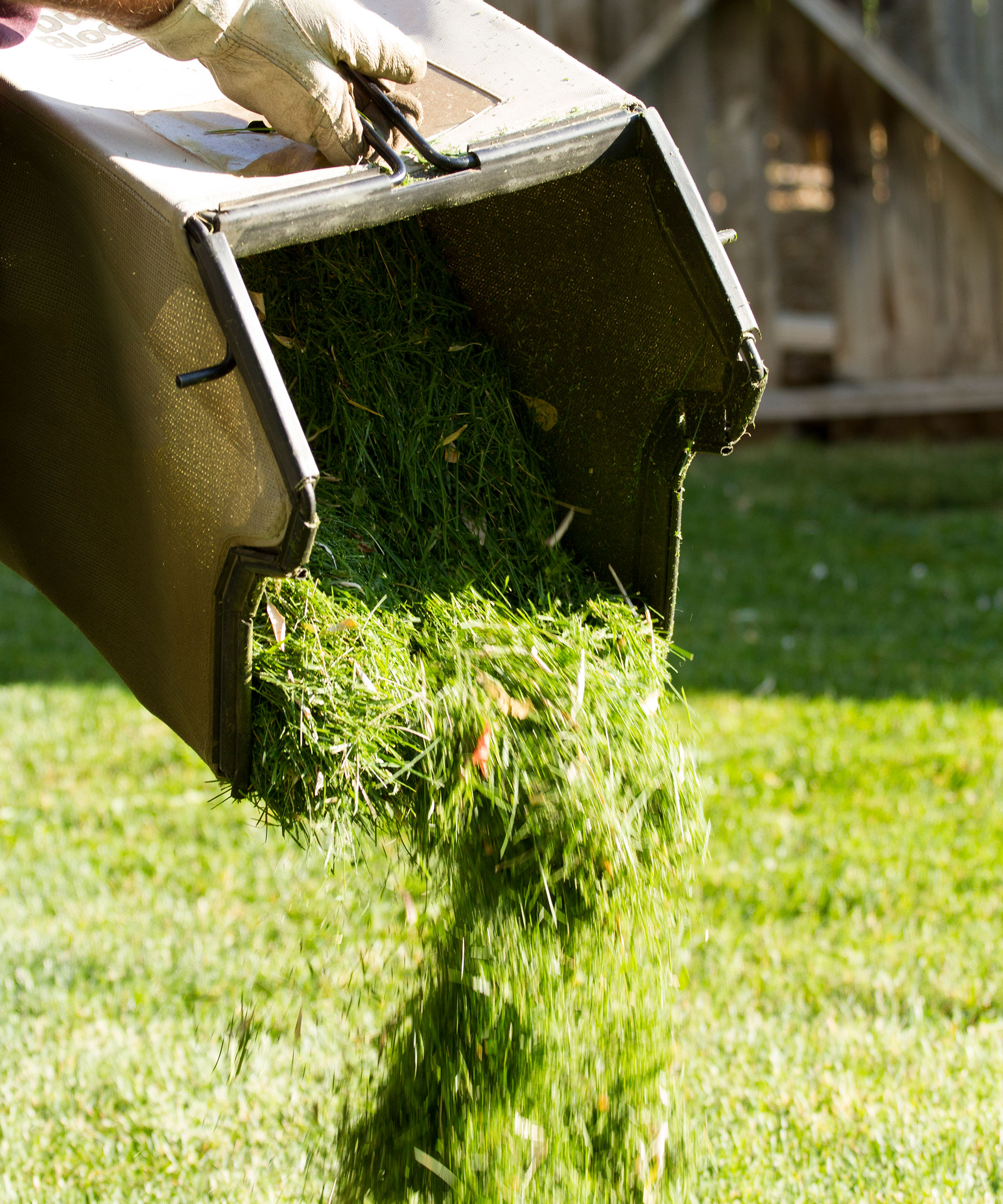
You can also make use of twigs, moss and grass clippings.
'Birds consistently use grass clippings to nest,' Holly adds. 'Consider leaving the clippings after you cut your lawn rather than picking them up. You can also gather some small twigs, bark or milkweed fluff and put them near your bird feeder.'
What to Shop
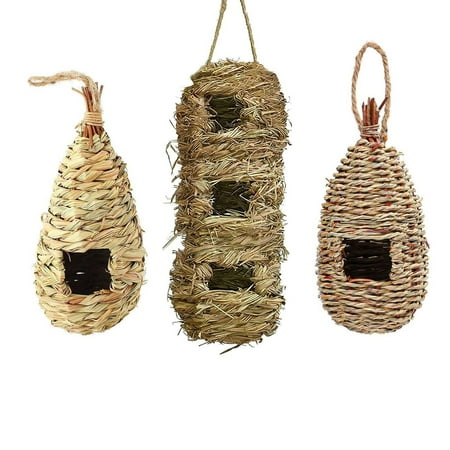
Looking for natural bird house ideas? Woven materials are key – and these nesting pockets are crafted from grass fibers.
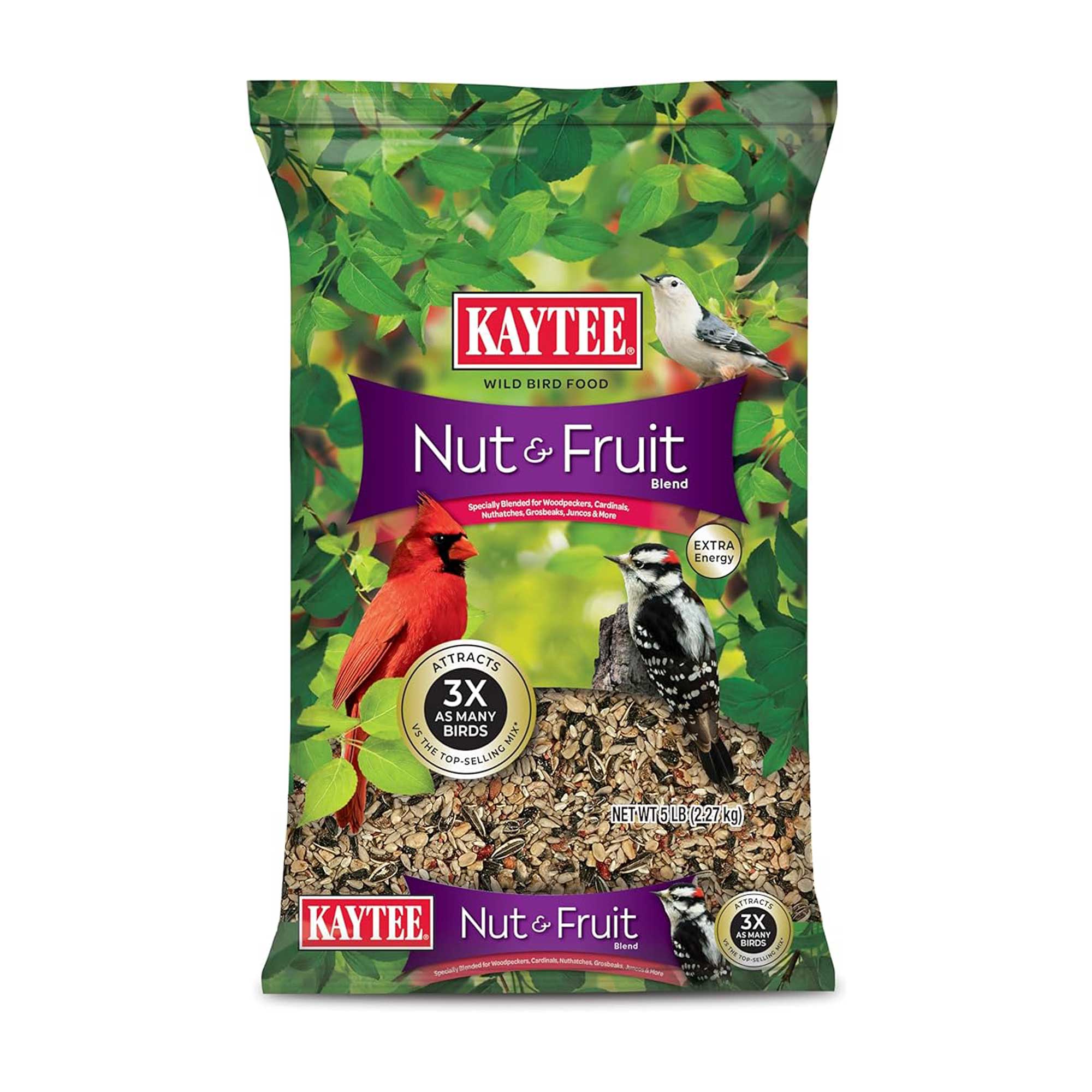
This specially-selected blend contains sunflower seeds, peanuts, cherries and more. It will help you create a thriving wildlife garden this season.
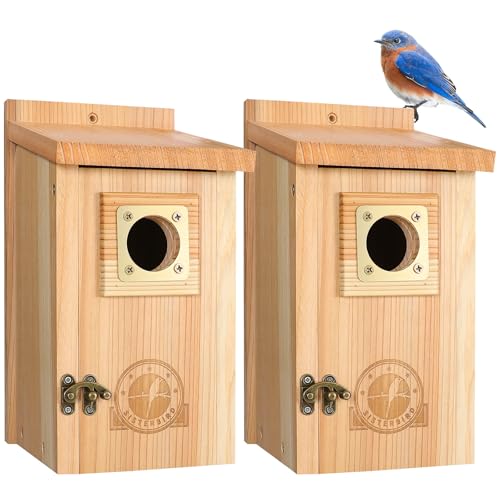
These handsome bird houses are made from strong cedar wood and feature copper guards to protect from weather damage.
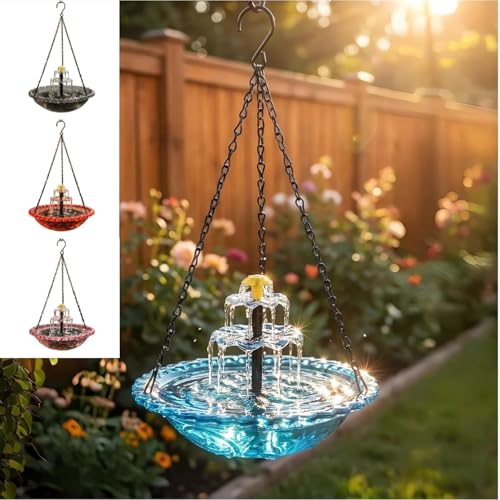
Amazon's cascade hanging bird bath is a beautiful addition to your garden, and it's guaranteed to attract plenty of feathered friends this spring.
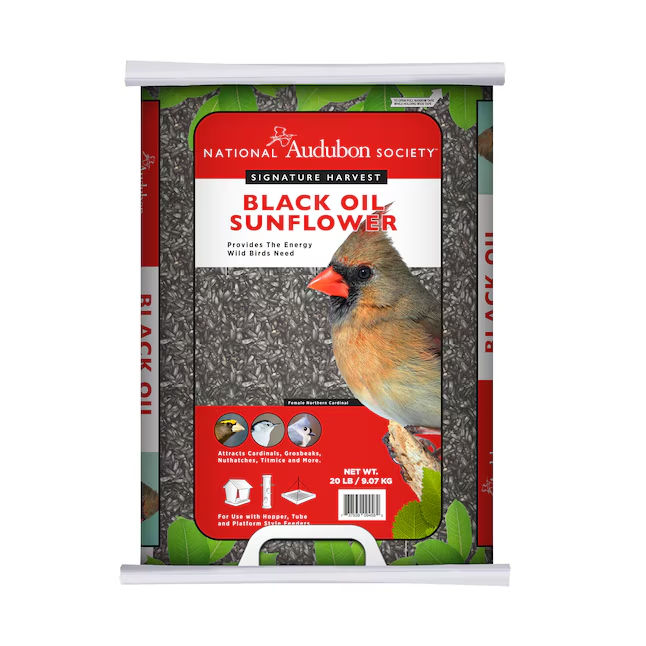
Black oil sunflower seeds are known to attract a huge variety of birds, though they're especially beloved by songbirds (like horned larks, for example).
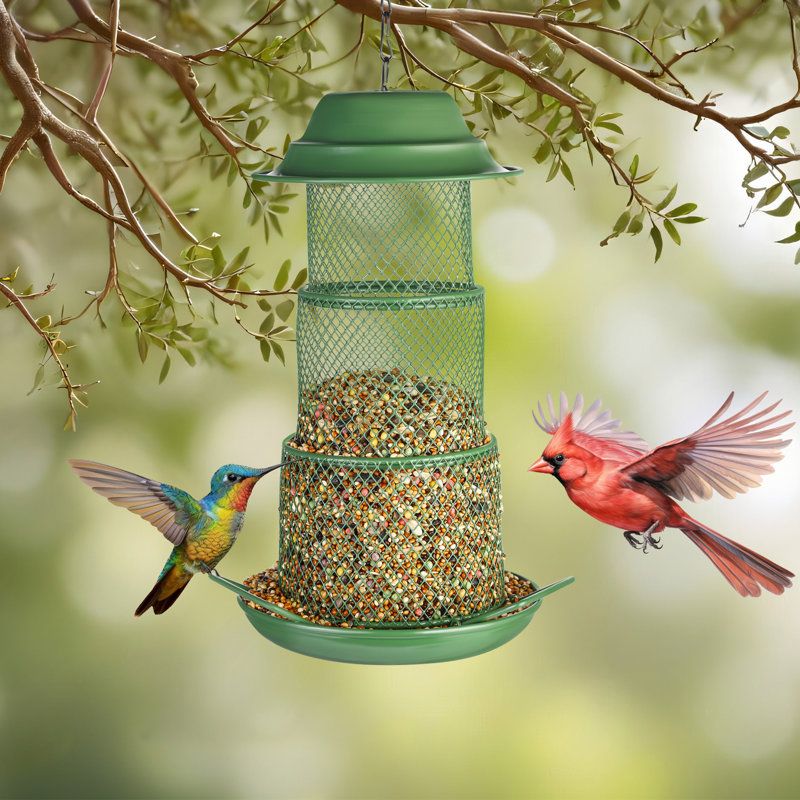
Featuring multiple perches, this bird feeder holds up to 3lbs of bird seed. Its metal frame is designed to protect against pests like squirrels.
Wondering why some gardens are always full of birds if you're struggling to attract wildlife to yours? We asked experts to reveal the secret – and explain how birds really benefit your backyard.
If you love inspiring garden ideas, outdoor advice, and the latest news, why not sign up for our newsletter and get the latest features delivered straight to your inbox?