
Pregnancy is often measured in weeks and months. For humans, nine months can feel long enough to change an entire life. But in the wild, some mothers wait far longer. Their bodies slow down, their instincts sharpen, and their world quietly reshapes itself around the life growing inside them. These pregnancies are not rushed. They are deliberate, demanding, and deeply emotional in their own way. Here are five animals whose gestation periods are among the longest on Earth, told not just through biology but through patience, survival, and silent strength.
The Elephant: Carrying the Future for Nearly Two Years
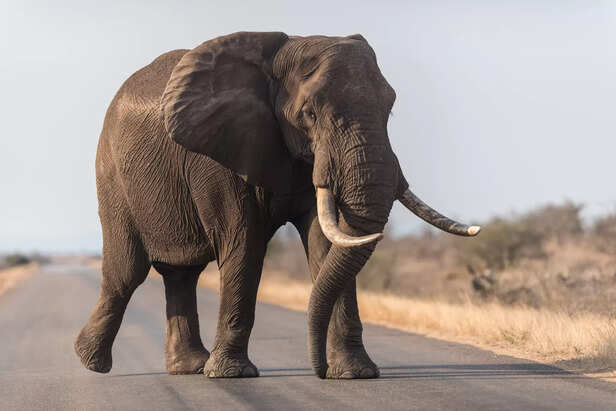
The elephant moves through life with a calm that feels ancient. Nothing about her existence is hurried, including motherhood. An elephant’s gestation period lasts around twenty-two months, almost two full years of carrying a calf. This is the longest pregnancy in the animal kingdom. The reason lies in what she gives birth to. An elephant calf enters the world weighing over one hundred kilograms. Its brain is already highly developed. Its legs must be strong enough to stand and walk for hours because survival depends on movement. Predators do not wait, and the herd cannot afford to stop for long.
Throughout pregnancy, the mother elephant is rarely alone. Her herd senses her condition. They walk at her pace. They protect her. Pregnancy here is not an isolated experience but a shared responsibility. When the calf is finally born, the moment feels earned. Two years of patience turn into touch, sound, and breath. The herd gathers, trunks reaching out, as if acknowledging the weight of the wait.
This long gestation allows elephants to develop their remarkable intelligence and emotional depth. Memory, empathy, and social bonding all begin before birth. Nature chooses time over speed, and the result is one of the most emotionally complex animals on the planet.
The Sperm Whale: A Deep Ocean Commitment
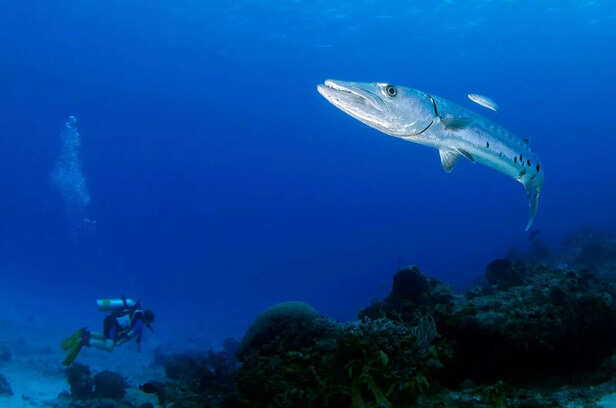
In the vast darkness of the ocean, the sperm whale carries life for around fifteen to sixteen months. This pregnancy unfolds far from land, beneath crushing pressure and endless blue silence. It is a journey shaped by depth, cold, and survival. A sperm whale calf is born into a world that demands strength from the very first moment. These whales dive thousands of meters deep in search of food. Their bodies must endure pressure that would collapse lungs and bones in most creatures. A longer gestation allows the calf to develop thick blubber, powerful muscles, and lungs capable of holding breath for extended periods.
During pregnancy, female sperm whales remain close to their pods. Motherhood here is collective. Other females help protect and raise calves, creating a network of care in an otherwise unforgiving environment. When the calf is born, it stays close to its mother, learning how to surface, breathe, and dive in rhythm with her. This long pregnancy is not just about physical development. It is preparation for a life where mistakes can be fatal. Time becomes the first form of protection.
The Rhinoceros: Patience in a Fragile World
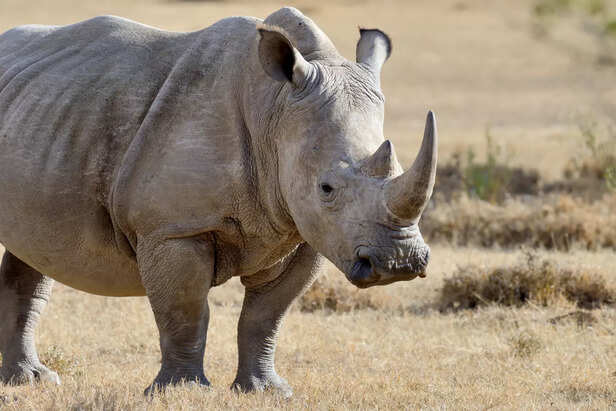
A rhinoceros carries her calf for about fifteen to sixteen months. Unlike elephants or whales, rhinos are mostly solitary. Pregnancy for a rhino is a quiet, solitary journey across grasslands and forests. There is no constant herd to slow down for her. The mother relies on her strength, instincts, and memory of safe territories. Her body changes while the world around her remains dangerous. Poaching, habitat loss, and human conflict make every pregnancy a risk. Rhino calves are born strong but still vulnerable. They need thick skin, sturdy legs, and the ability to follow their mother closely from the very beginning. The long gestation ensures that the calf is ready to move and survive in open landscapes where threats are always near.
When a rhino mother finally gives birth, her patience transforms into fierce protection. She guards her calf relentlessly. In a world where rhinos are disappearing, each long pregnancy feels like an act of resistance and hope.
The Walrus: Waiting Through Ice and Seasons
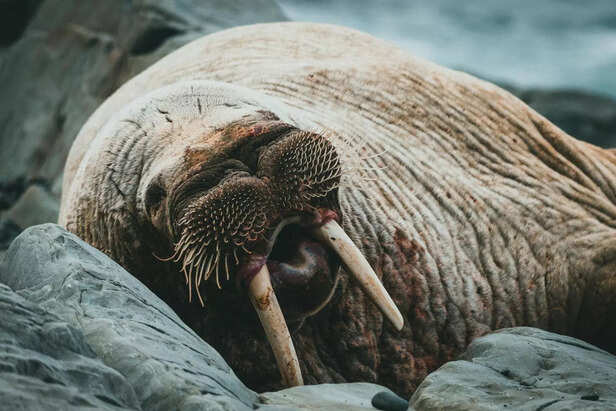
The walrus has a gestation period of around fifteen months, but its pregnancy includes one of nature’s most fascinating strategies called delayed implantation. After mating, the fertilized embryo does not immediately begin developing. Instead, it pauses for several months, waiting for the right conditions. Only when the timing is right does the embryo attach to the uterus and continue growing. This ensures that the calf is born during a safer season, when food is more available, and ice conditions are stable.
Walrus calves are born on ice or in shallow waters of the Arctic. They depend entirely on their mothers for warmth, nourishment, and protection. The long pregnancy allows the calf to develop thick blubber and enough strength to survive extreme cold. A walrus mother carries her calf through freezing temperatures, storms, and long migrations. Her body becomes the calf’s first shelter. This pregnancy shows that sometimes waiting is not weakness but wisdom. Life pauses because it understands the environment it is entering.
Why Long Pregnancies Exist in Nature
Animals with long gestation periods usually give birth to fewer offspring. Instead of quantity, nature chooses quality. These animals invest heavily in one life, ensuring stronger bodies, advanced brains, and better survival chances. Longer pregnancies allow complex nervous systems to develop. They allow muscles to strengthen and senses to sharpen. In stable but demanding environments, this strategy works. One well-prepared life can be more valuable than many vulnerable ones.
What These Mothers Teach Us
In a world obsessed with speed and instant results, these animals offer a different lesson. Growth takes time. Strength needs patience. Survival often depends on preparation rather than urgency. These mothers carry more than weight. They carry responsibility, risk, and hope. They walk more slowly, eat more carefully, and stay alert for months or years, protecting a future that no one else can see yet.
Pregnancy in the wild is not marked by celebrations or announcements. It is marked by waiting. By endurance. By silent resilience. These long gestations are not empty stretches of time. They are full of becoming. In these pregnant pauses, nature reminds us of a simple truth. The most powerful beginnings often take the longest time.
Celebrate the bond with your pets, explore Health & Nutrition, discover Breeds, master Training Tips, Behavior Decoder, and set out on exciting Travel Tails with Times Pets!