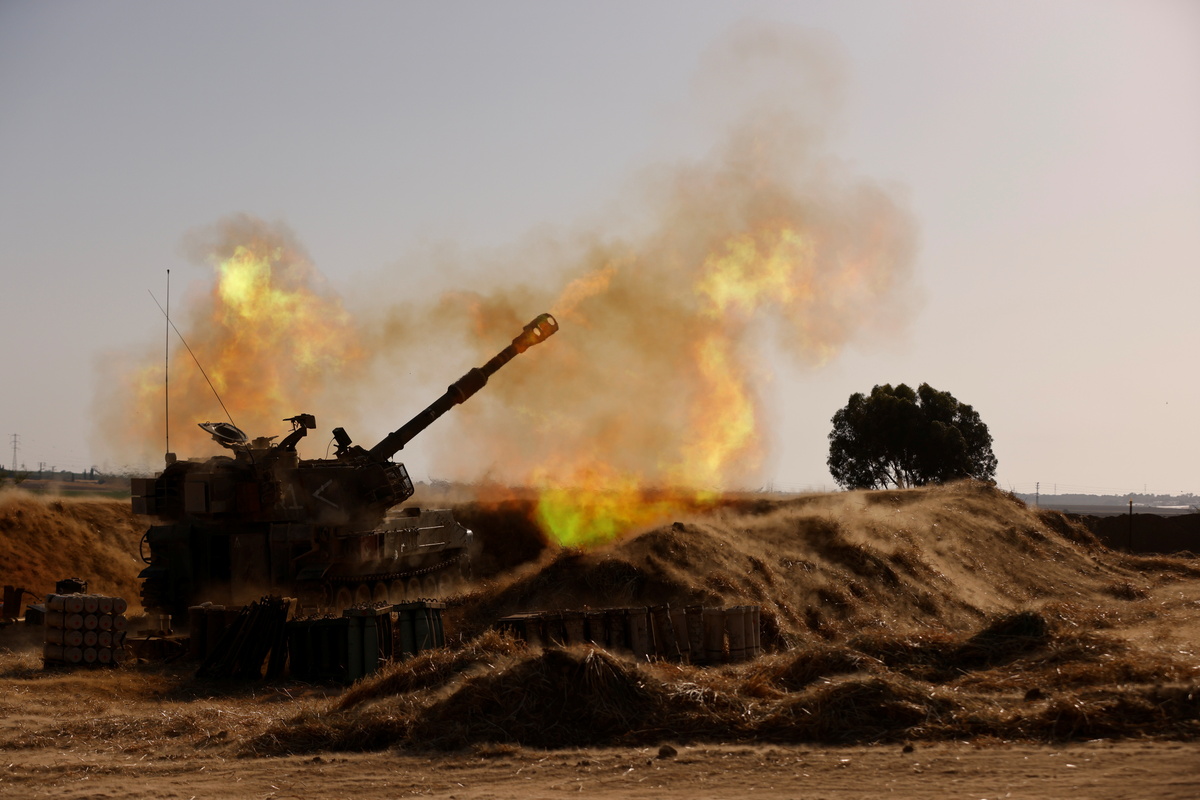
Israel killed a Hamas commander and vowed no let-up in its Gaza barrages on Wednesday as Palestinian militants rained rockets far across the border and Washington dispatched an envoy to try to calm their most intense hostilities in years.
At least 65 people have been killed in Gaza since violence escalated on Monday, according to the enclave's health ministry. Six people have been killed in Israel, medical officials said.
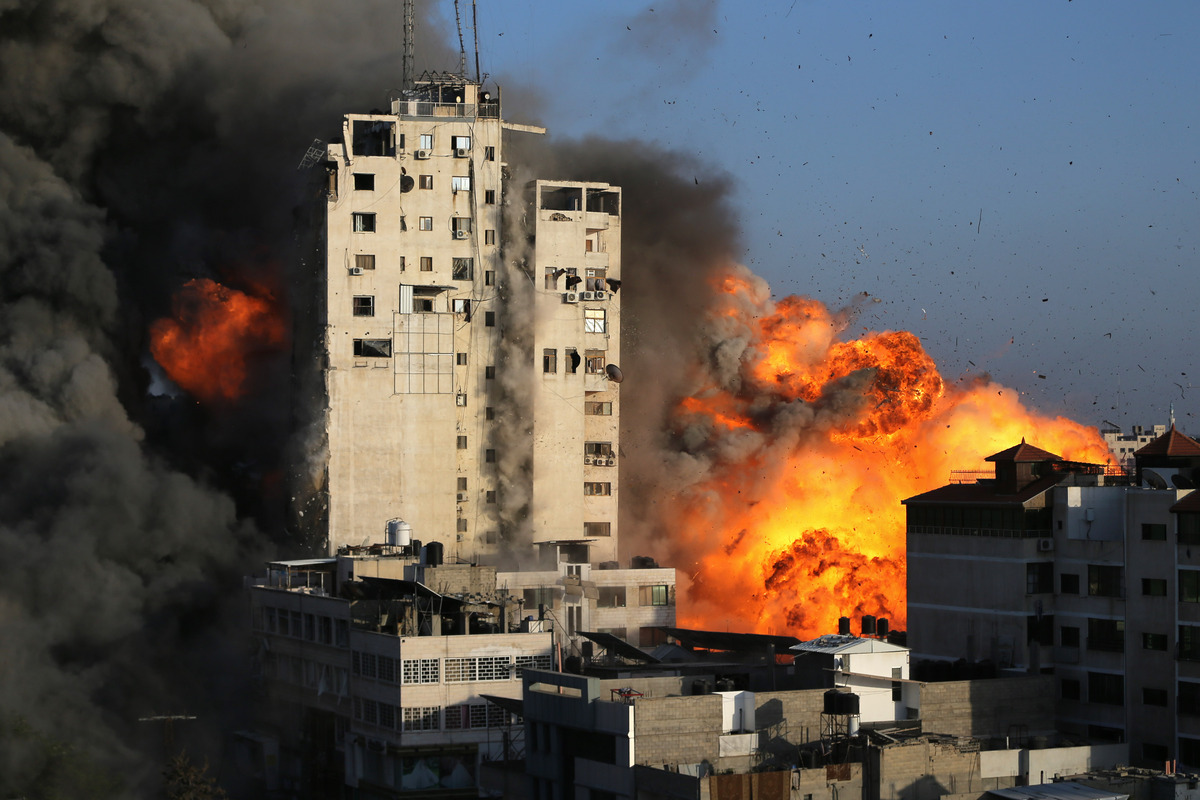
Israeli Prime Minister Benjamin Netanyahu said the Gaza City brigade commander and 15 other members of the Islamist militant group were killed in air strikes.
"This is just the beginning. We'll hit them like they've never dreamed possible," he said.
After the announcement, more rocket salvoes were fired at the Tel Aviv area and the cities of Ashdod, Ashkelon and Sderot.
Hamas confirmed the death of the commander and of "other leaders and holy warriors" in a statement. Its chief Ismail Haniyeh added: "The confrontation with the enemy is open-ended."
Israel launched its military action after Hamas fired rockets in retaliation for Israeli police clashes with Palestinians in East Jerusalem, including at a holy site during the fasting month of Ramadan. A Palestinian source said truce efforts by Egypt, Qatar and the United Nations had made no progress to end the violence.
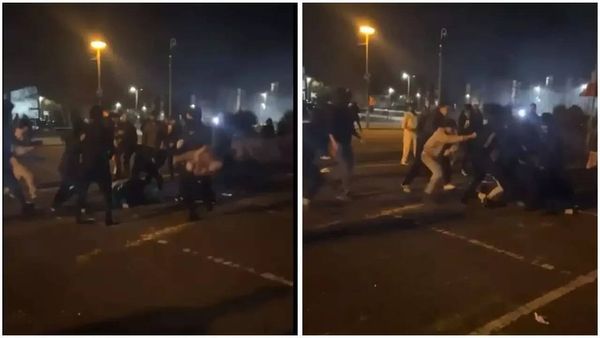
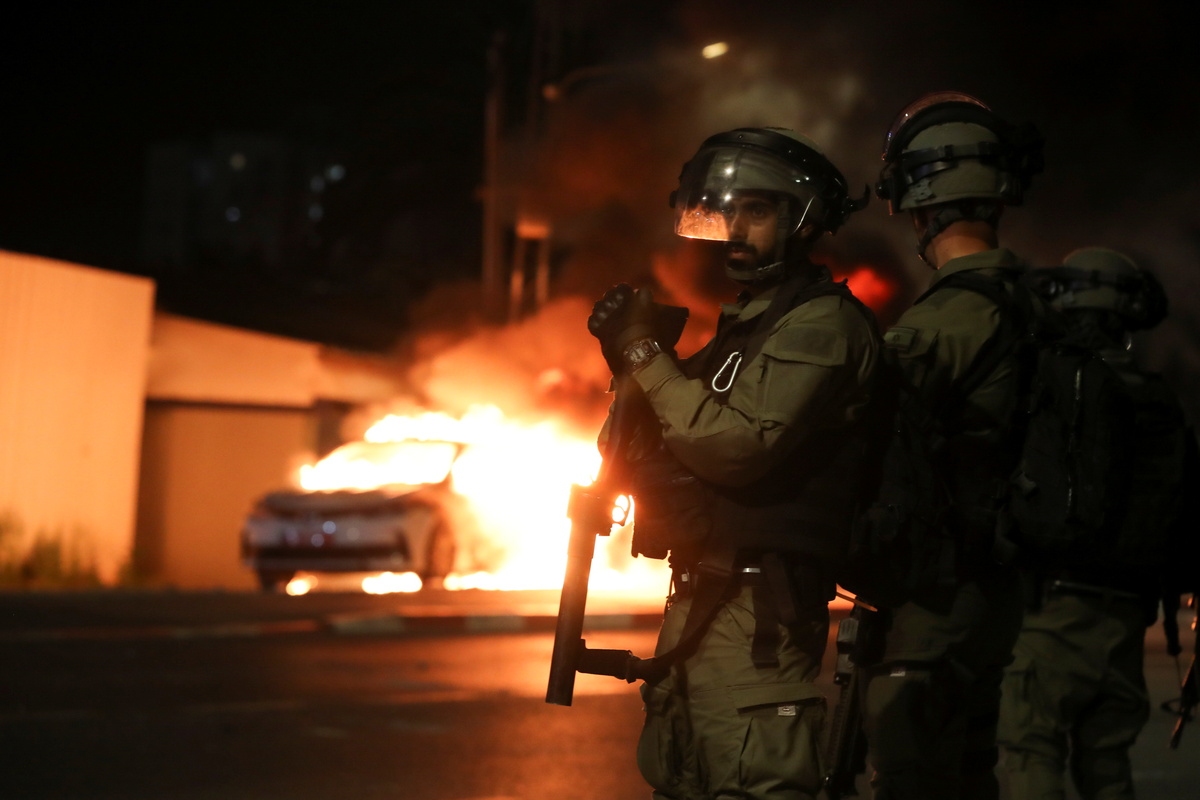
The cross-border fighting has touched off strife within Israel, where some in the Arab minority mounted violent pro-Palestinian protests. Media reported spreading street attacks by Jews on Arab passersby in ethnically mixed areas on Wednesday.
Describing the scenes of destruction as "harrowing", U.S. Secretary of State Antony Blinken said a senior aide, Hady Amr, would be sent to urge Israelis and Palestinians to seek calm.
Israel pledged to keep pummelling Hamas.
"A 'truce' is not part of the jargon on our lips, certainly not in the coming day or two," military spokesman Brigadier-General Hidai Zilberman told public broadcaster Kan.
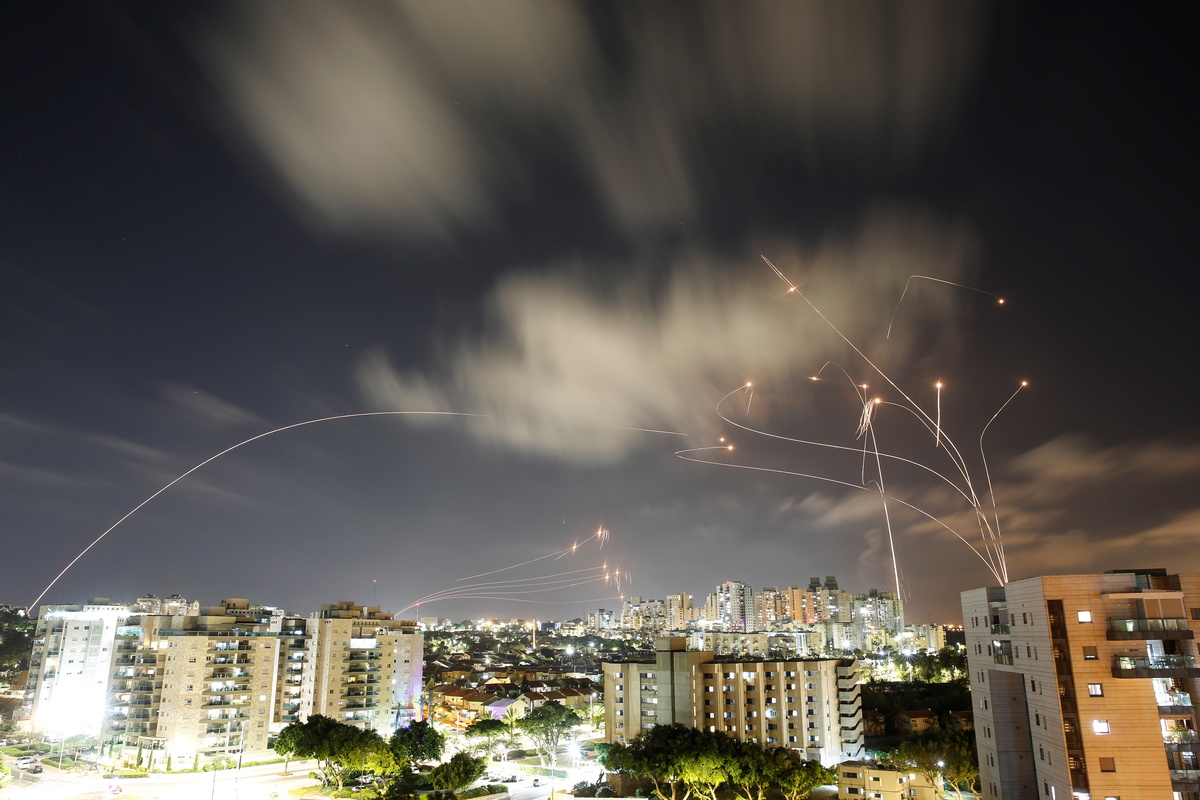
The military said its strikes were targeting rocket launch sites, Hamas offices and the homes of Hamas leaders.
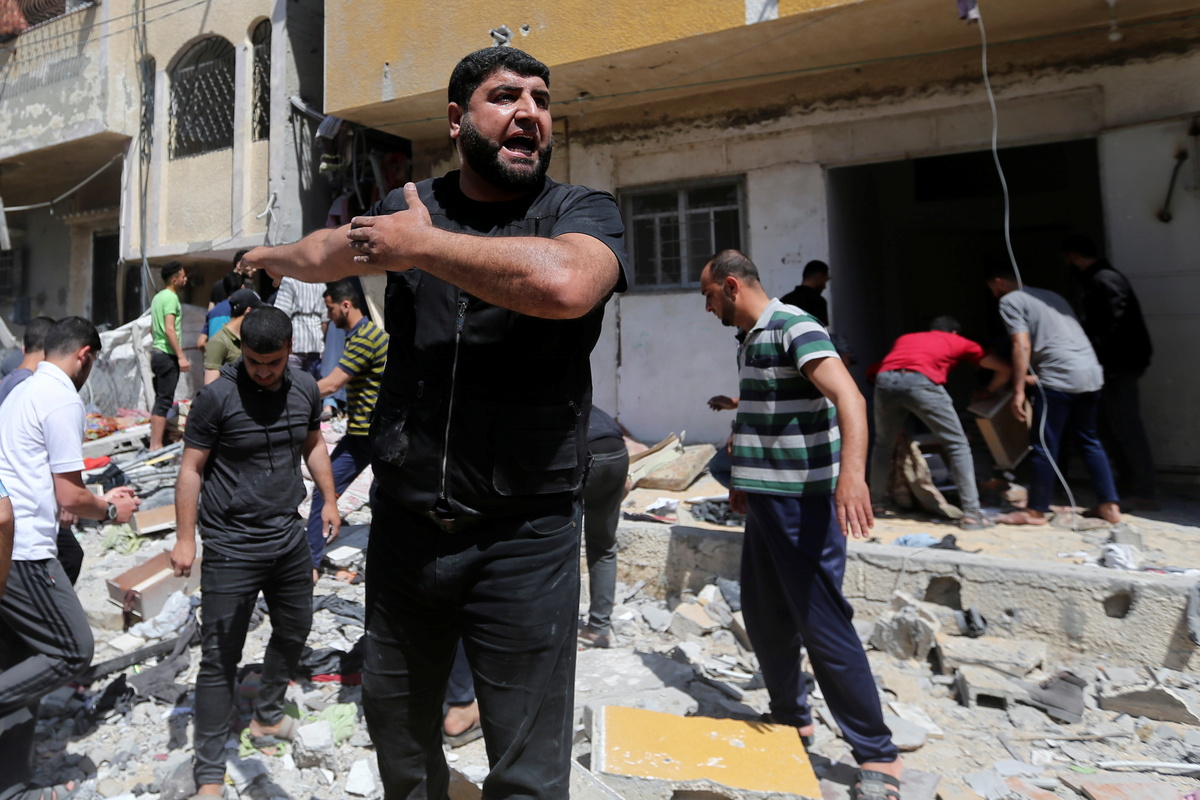
"Israel has gone crazy," said a man on a Gaza street, where people ran out of their homes as explosions rocked buildings.
Pentagon chief Lloyd Austin reaffirmed "ironclad support for Israel's legitimate right to defend itself".
The fighting is the heaviest since a 2014 war in the Hamas-ruled enclave, and concern is growing that the situation could spiral out of control.
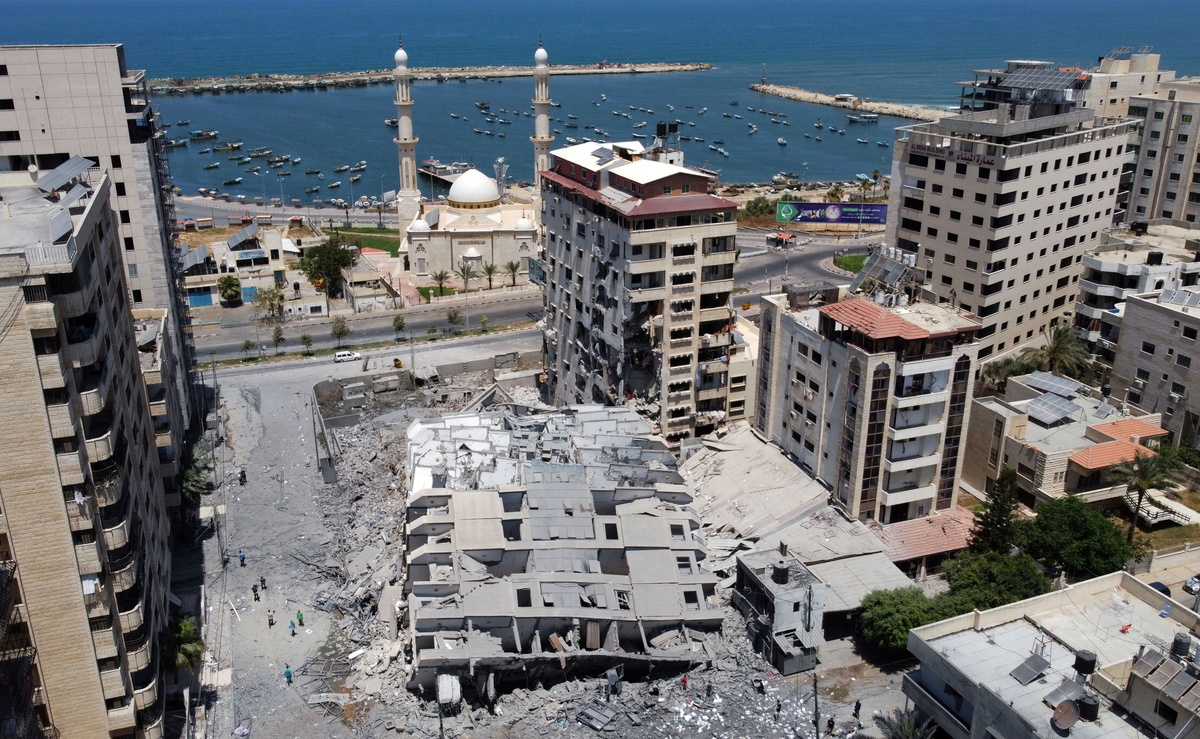
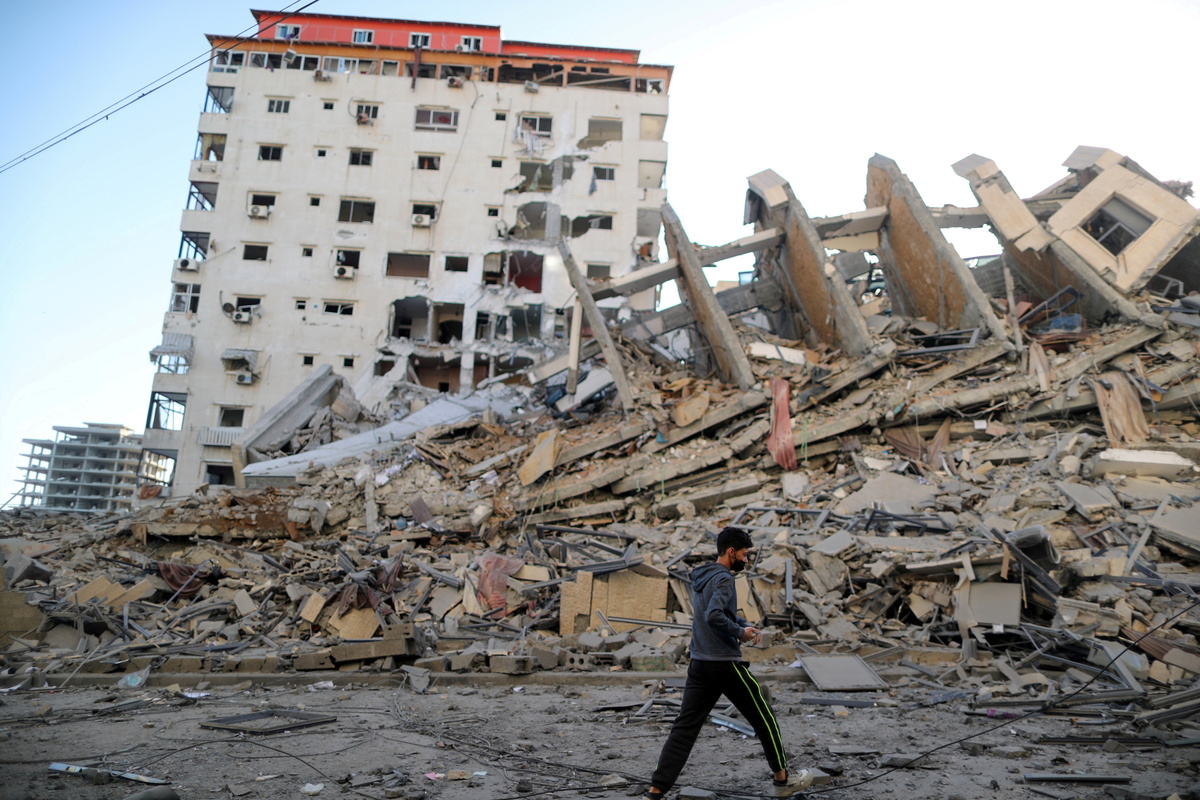
In Gaza, two multi-storey residential buildings and a tower housing media outlets, including one linked to Hamas, collapsed after Israel warned occupants in advance to evacuate, and another structure was heavily damaged in the air strikes.
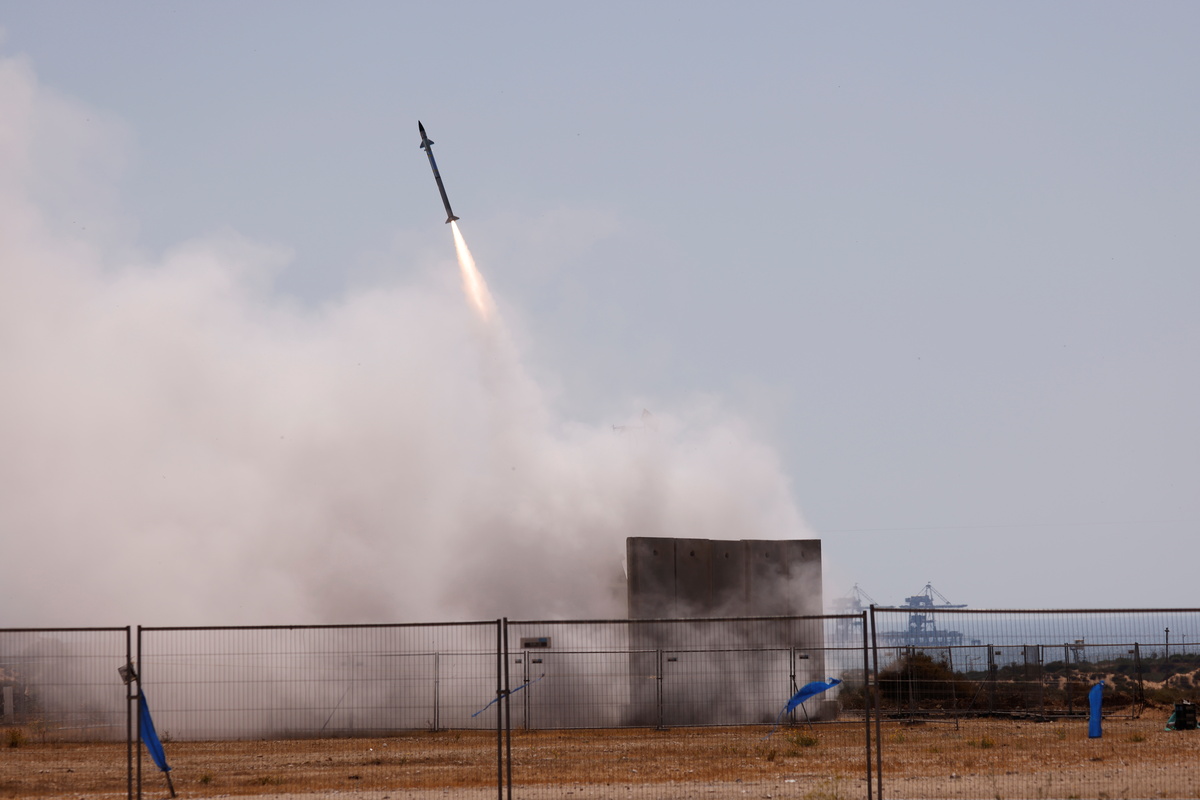
Twenty-four people were killed in Israeli air strikes on Gaza on Wednesday, Gaza's health ministry said. Many in Israel also spent a sleepless night as waves of rockets hit its heartland, some blown out of the sky by Iron Dome interceptors.
"The children have escaped the coronavirus, and now a new trauma," an Israeli woman in the coastal city of Ashkelon told Channel 11 TV.
Israelis ran to shelters or lay on pavements in some communities far from Gaza.
"All of Israel is under attack. It's a very scary situation to be in," said Margo Aronovic, a 26-year-old student, in Tel Aviv.
Along the Gaza border, an Israeli soldier was killed by an anti-tank missile, the military said. Two people were killed by a rocket in Lod, a mixed Arab-Jewish town near Tel Aviv.
RABBI URGES CALM AS RIOTS SPREAD
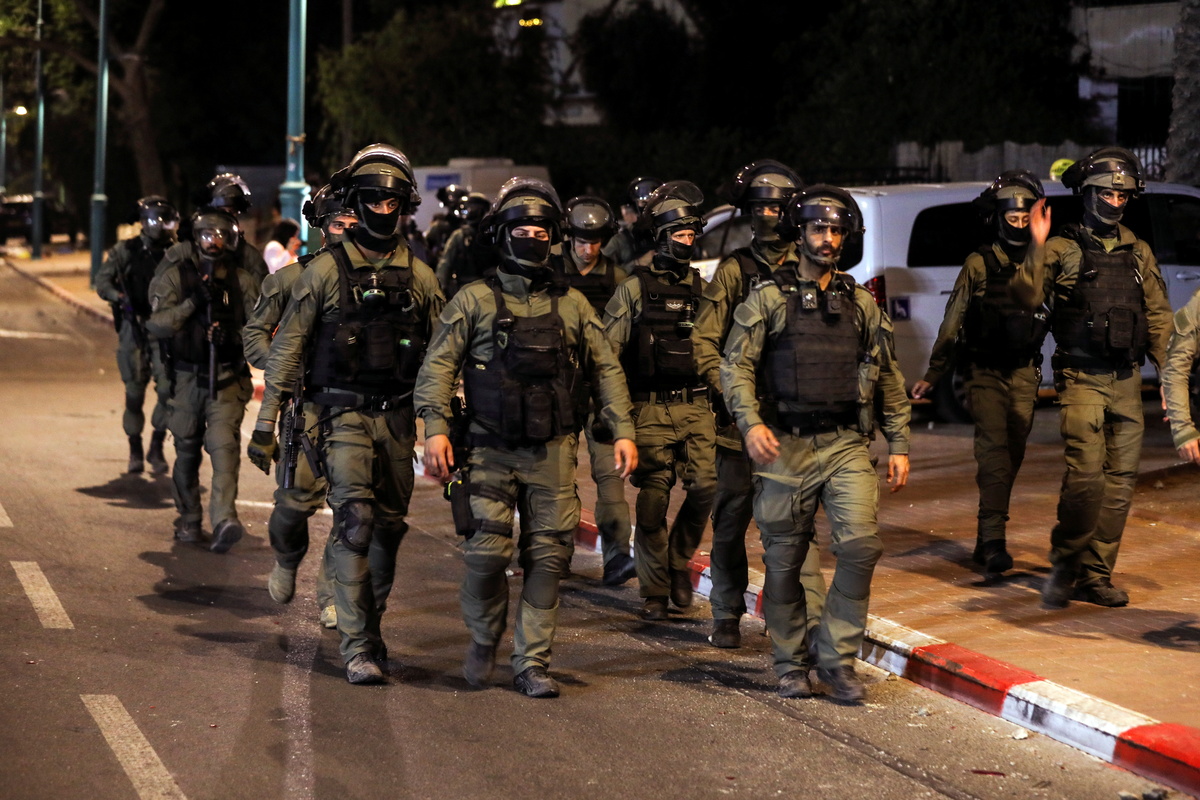
After a synagogue was torched in Lod, police deployed paramilitary reinforcements and announced a curfew. In northern Acre, a Jewish motorist was beaten by Arab residents, and in Bat Yam, a Tel Aviv suburb, Jewish youths ransacked stores and beat an Arab, Israeli media reported.
"We must not be dragged into provocations and inflicting harm on people or property," Chief Rabbi Yitzhak Yosef said in a rare public appeal. "The Torah of Israel grants no license for taking the law into one's hands and acting violently."
For Israel, the targeting of Tel Aviv, its commercial capital, posed a new challenge in the confrontation with Hamas, regarded as a terrorist group by Israel and the United States.
U.S. energy corporation Chevron said it had shut down the Tamar natural gas platform off the Israeli coast on the instruction of the Energy Ministry. Israel said its energy needs would continue to be met.
At least two U.S. airlines cancelled flights from the United States to Tel Aviv on Wednesday and Thursday. Israel, whose Ben Gurion Airport briefly suspended operations on Monday after a rocket barrage on Tel Aviv, said national airline El Al stood ready to provide supplemental flights.
The violence followed weeks of tension during Ramadan, with clashes between Israeli police and Palestinian protesters near Al-Aqsa Mosque in East Jerusalem.
These escalated ahead of a court hearing - now postponed - that could lead to the eviction of Palestinian families from East Jerusalem homes claimed by Jewish settlers.
The conflict has led to the freezing of talks by Netanyahu's opponents on forming a governing coalition to unseat him after Israel's inconclusive March 23 election.
Violence has also flared in the occupied West Bank. Medical sources said a 16-year-old Palestinian was killed in clashes with Israeli forces on Wednesday.
Gaza's health ministry said 16 of the people killed in the enclave were children. The Israeli military said 200 of more than 1,000 rockets fired by Gaza factions had fallen short, potentially causing some Palestinian civilian casualties.
Five of the fatalities in Israel were civilians, including a child and an Indian worker, medical officials said.
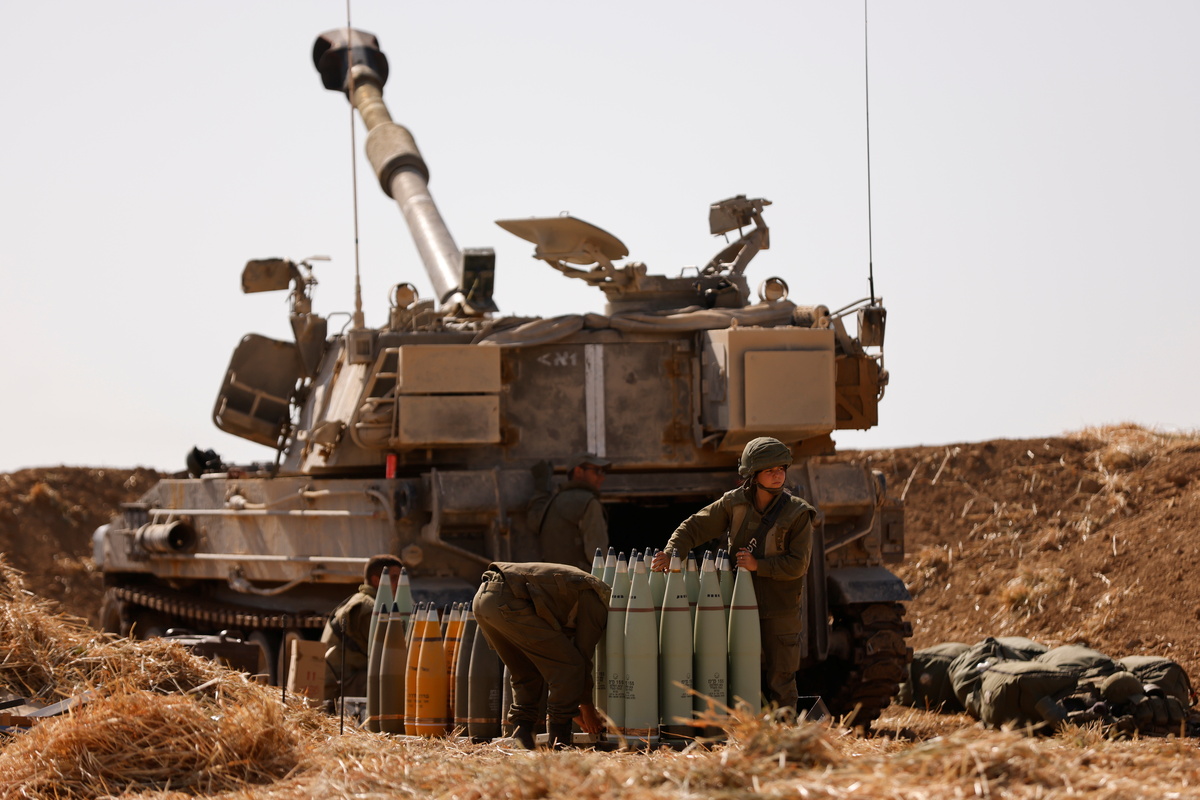
Israel has dispatched infantry and armour to reinforce tanks already gathered on the border, evoking memories of its last ground incursion into Gaza to stop rocket attacks in 2014.
Although the latest problems in Jerusalem were the immediate trigger for hostilities, Palestinians have been frustrated as their aspirations for an independent state have suffered setbacks in recent years.
These include Washington's recognition of disputed Jerusalem as Israel's capital, a U.S. plan to end the conflict that they saw as favourable to Israel, and continued settlement building.
(Reporting by Nidal al-Mughrabi, Dan Williams, Ari Rabinovitch and Rami Ayyub; Additional reporting by Stephanie Nebehay in Geneva, Nandita Bose and Steve Holland in Washington and Michelle Nichols in New York, and Stephen Farrell in Jerusalem; Writing by Kevin Liffey; Editing by Angus MacSwan, Timothy Heritage, Giles Elgood, Peter Graff)