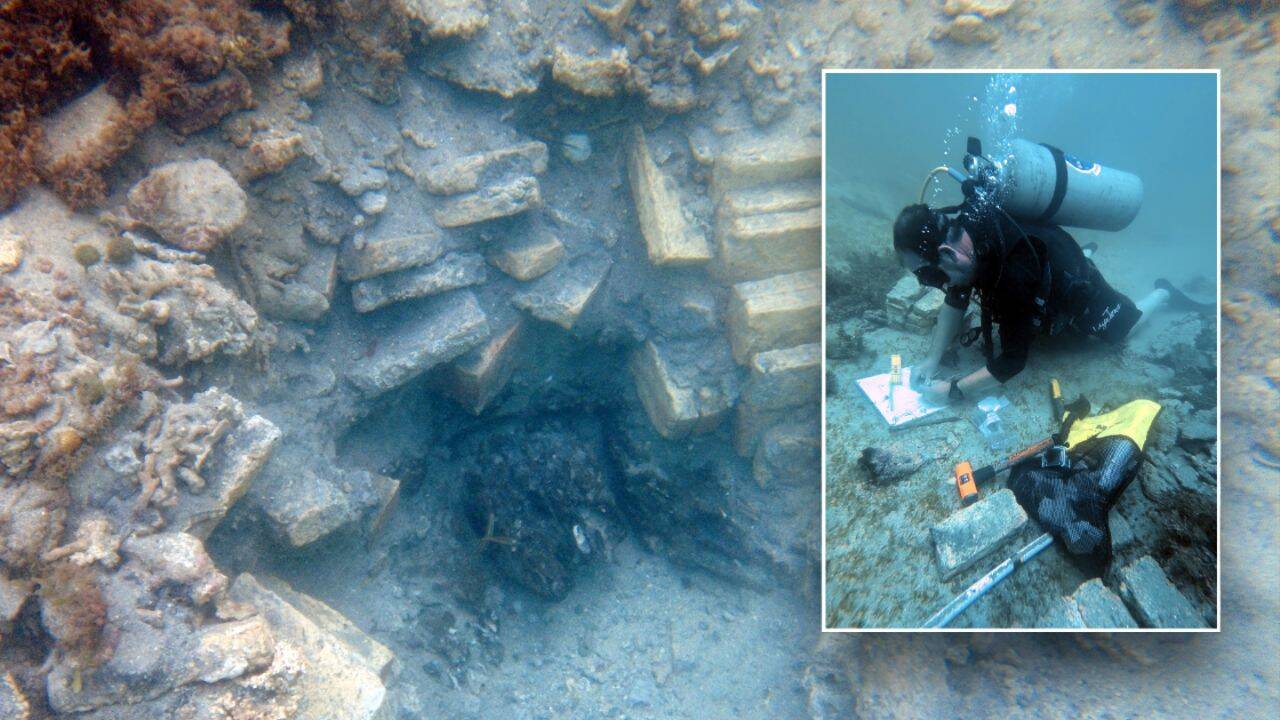
Two shipwrecks lying in shallow waters off Costa Rica have turned out to be something far more significant than the pirate vessels suggested by the local stories once. Archaeologists have identified the wrecks as the ‘Fridericus Quartus’ and ‘Christianus Quintus,’ two Danish ships that sank in the 18th century while carrying hundreds of enslaved Africans across the Atlantic.
Get breaking news anytime, anywhere. Download the TOI app now!
According to the Smithsonian magazine, the ships were found near Cahuita National Park and had remained a mystery for decades. Their identity was finally established through evidence from the wooden remains and objects scattered around the wrecks. The findings not only reveal the fate of two missing Danish ships but also shed light on a painful part of Costa Rica’s history, including the arrival of enslaved Africans whose descendants still live in the region today.
How were these 300-year-old supposed pirate wrecks finally identified
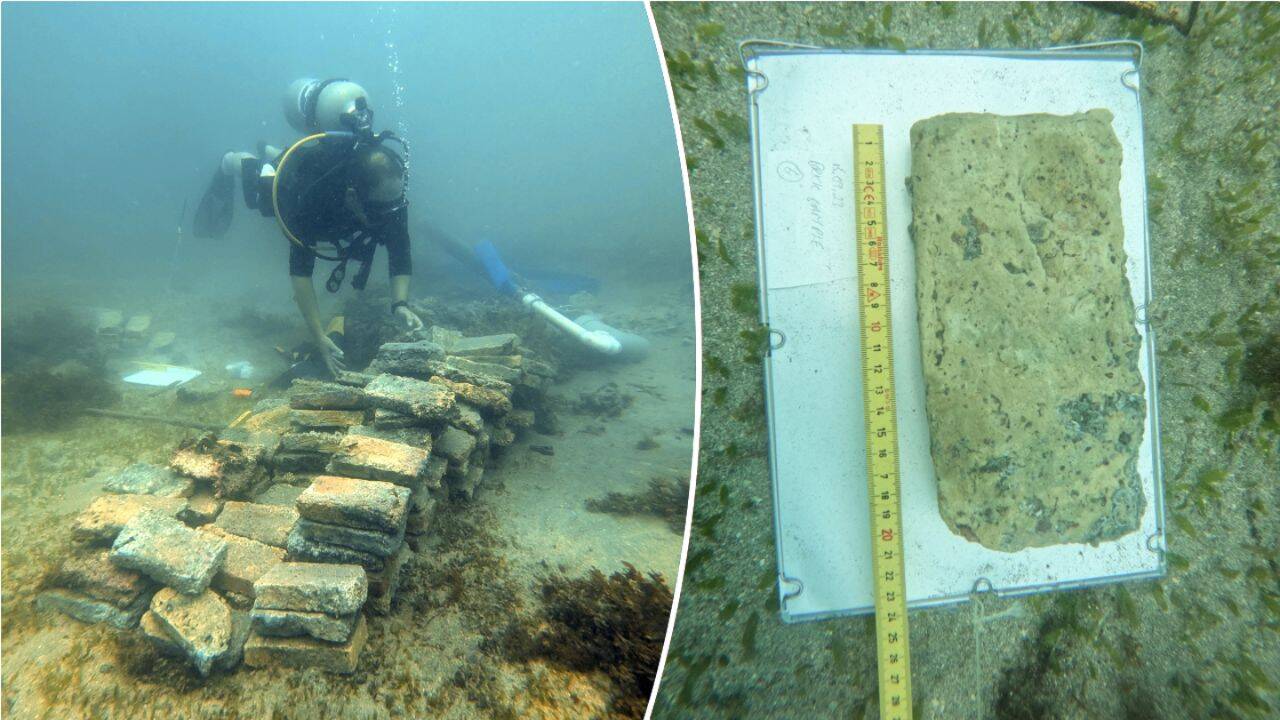
For years, people living near Costa Rica’s Caribbean coast believed the wrecks belonged to pirates. The remains had been known locally for a long time, but their real identity was not established until archaeologists began examining them more closely. Smithsonian Magazine reported that the wrecks were first documented in the 1970s. Interest in them grew again after archaeology students from East Carolina University discovered distinctive yellow bricks at the site in 2015.
Those bricks became an important clue. Researchers later found that they matched ‘Flensburg bricks,’ which were made using Danish clay and were exported for use in forts and sugar plantations in Danish colonies. Chemical testing strengthened the connection. The clay was traced to one of two production sites on the Flensburg Fjord, providing researchers with evidence that the ships had a Danish connection.
What did the wooden remains of the shipwrecks reveal
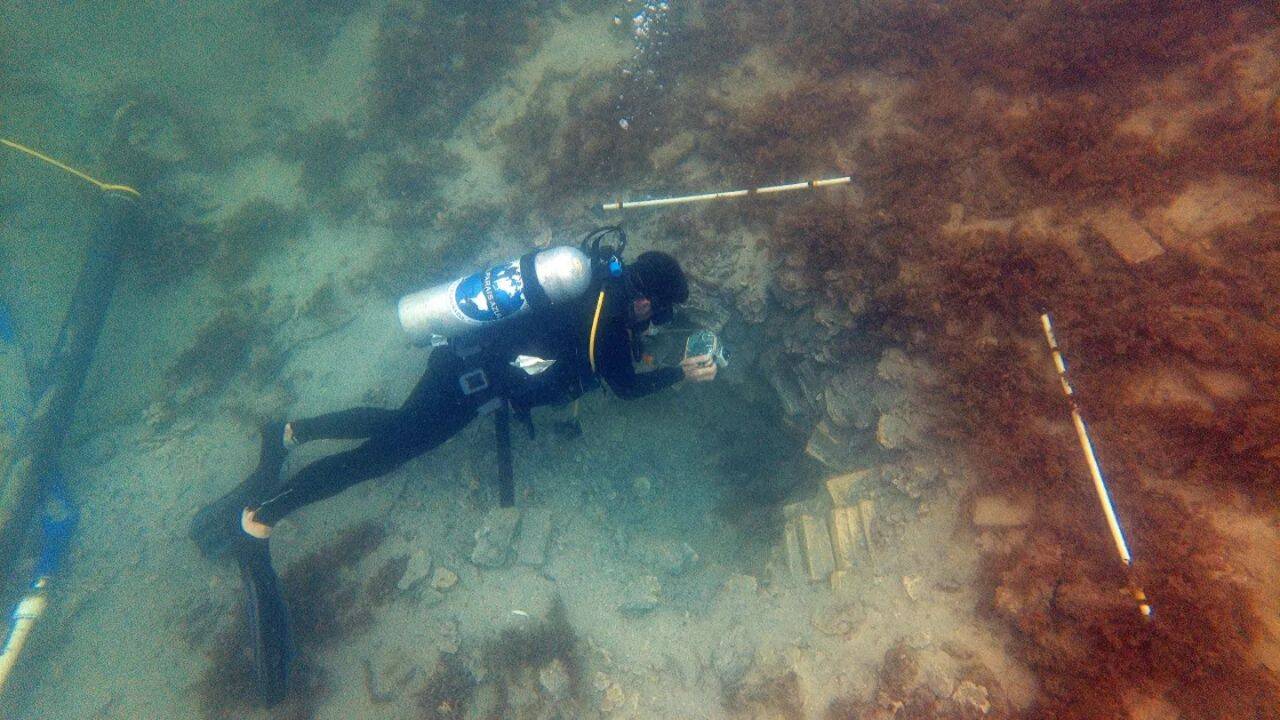
The ship timbers offered another major piece of evidence. Researchers used tree-ring dating, known as dendrochronology, to determine when the oak used to build the vessels had been harvested. The analysis showed that the trees were cut between 1690 and 1695. The trees also came from the western Baltic Sea, an area covering parts of what are now northeastern Germany, southern Sweden and Denmark.
One particularly striking discovery was a group of timbers that had been burned and covered in soot. According to Smithsonian Magazine, marine archaeologist David Gregory said this matched historical accounts that one of the ships had caught fire. The evidence from the timber therefore fitted with what was already known about the vessels, making the identification increasingly convincing.
How did the cargo confirm the ships’ identity
The objects found at the wreck site provided even more clues. Alongside the yellow bricks, archaeologists discovered Dutch-made clay pipes. Researchers determined that these pipes had been produced shortly before the ships sank, around 1710. Smithsonian Magazine noted that such pipes were rarely used for more than five years, making them useful for narrowing down the date of the wrecks.
Together, the bricks, pipes and wooden remains created a picture that pointed towards the same conclusion: the wrecks were not pirate ships but the long-lost Danish vessels ‘Fridericus Quartus’ and ‘Christianus Quintus.’ David Gregory, a marine archaeologist at the National Museum of Denmark, said the analyses were convincing enough that researchers no longer had doubts about the ships' identity.
Why were the ships sailing towards the Caribbean
The two vessels had left Copenhagen in December 1708 as part of Denmark’s involvement in the transatlantic slave trade. According to the Smithsonian Magazine report, the ships stopped in Ghana, where they took on hundreds of enslaved Africans. Their intended destination was the Danish-controlled island of St. Thomas. But the voyage went badly wrong.
A navigational mistake took the ships far beyond their intended route. Instead of reaching St. Thomas, they ended up off the coast of Costa Rica, where the vessels entered shallow waters and struck reefs. The consequences were devastating for everyone aboard, particularly the enslaved people being transported against their will.
What happened after the ships ran aground
The disaster quickly became even more chaotic. Smithsonian Magazine reported that there were accounts of mutiny among the crews. One of the ships caught fire, while the other was abandoned after its anchor cable was cut. The vessels had been carrying around ‘690 enslaved Africans.’ Roughly 100 of them were later recaptured and sent to work on cacao plantations around nearby Matina.
The fate of the remaining people is especially important because the shipwrecks appear to have marked an unexpected moment in the history of the region. Researchers believe that nearly 600 Africans were left on the beaches of Costa Rica. Their presence may have contributed to the development of an Afro-Costa Rican population in the area roughly a century before that history appeared in official records.
How has the discovery changed the story of Costa Rica
The wrecks are more than an archaeological discovery. They have connected a physical site beneath the water with the personal histories of people living in Costa Rica today. Smithsonian Magazine reported that the research could help local communities better understand a part of their heritage that has long been hidden behind the history and suffering of the slave trade. For Costa Rican resident Celia Ortiz, the discovery has an especially personal meaning.
According to the report, Ortiz can trace her ancestry to Miguel Maroto, one of the enslaved men who was aboard the Danish ships. For Ortiz and her 103-year-old mother, learning about this connection offered a new understanding of their family history and, as Ortiz described it, brought new light to their lives.
Why do these shipwrecks matter today
The identification of the two wrecks has transformed what was once a local pirate story into a much deeper historical record. The ‘Fridericus Quartus’ and ‘Christianus Quintus’ were not simply lost ships. They were part of a brutal system that transported enslaved Africans across the Atlantic. Their accidental arrival on Costa Rica’s coast left consequences that appear to have continued through generations.
For archaeologists, the wrecks provide physical evidence of that history. For local communities, they may offer a way to understand family and cultural roots that were missing from official accounts. As the researchers continue studying the site, the wrecks are helping bring a forgotten chapter of Costa Rica’s past back into view—one piece of timber, brick and personal history at a time.