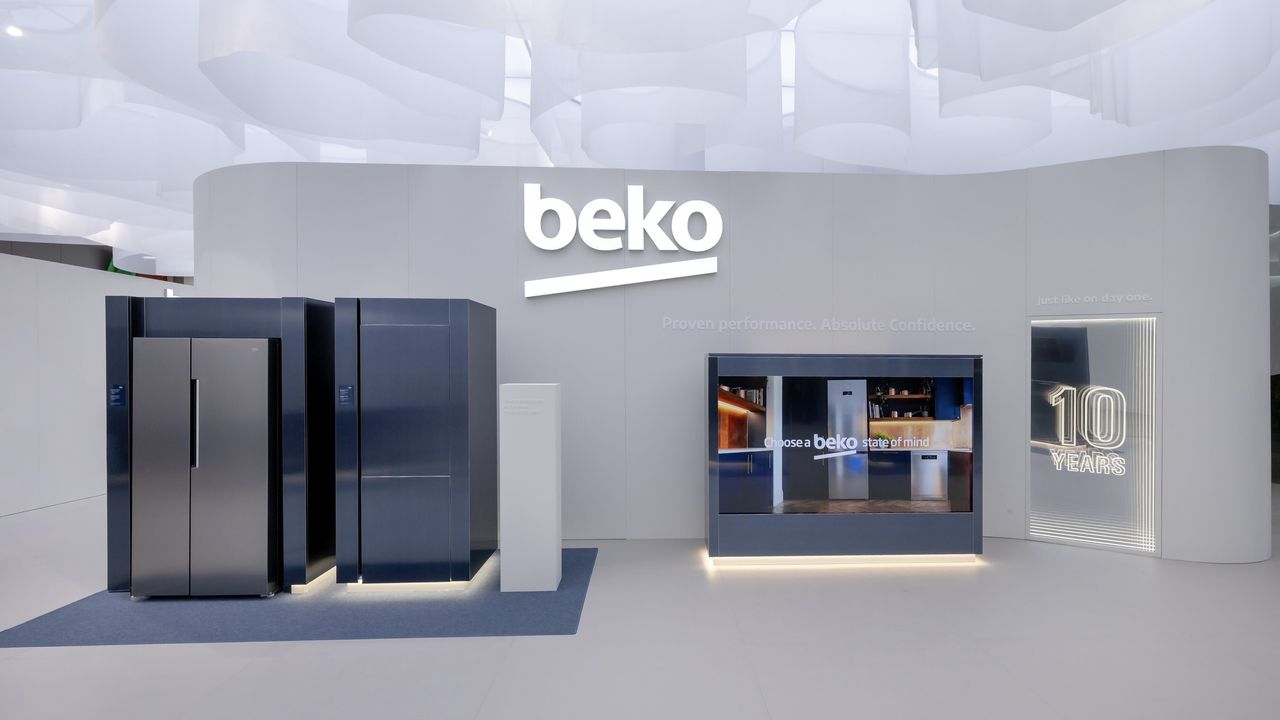
Everyone talks about how a smart home ecosystem is at the heart of the modern home these days – and don’t get me wrong, that’s absolutely true. However, a kitchen ecosystem is just as important, and one brand really trying to prove that right now is Beko.
The brand has come a long way from the trusty dishwasher or fridge you might’ve grown up with. Reliability is still a core part of what it does, but there’s now a much bigger focus on innovation, efficiency and design, without losing a sense of dependability.
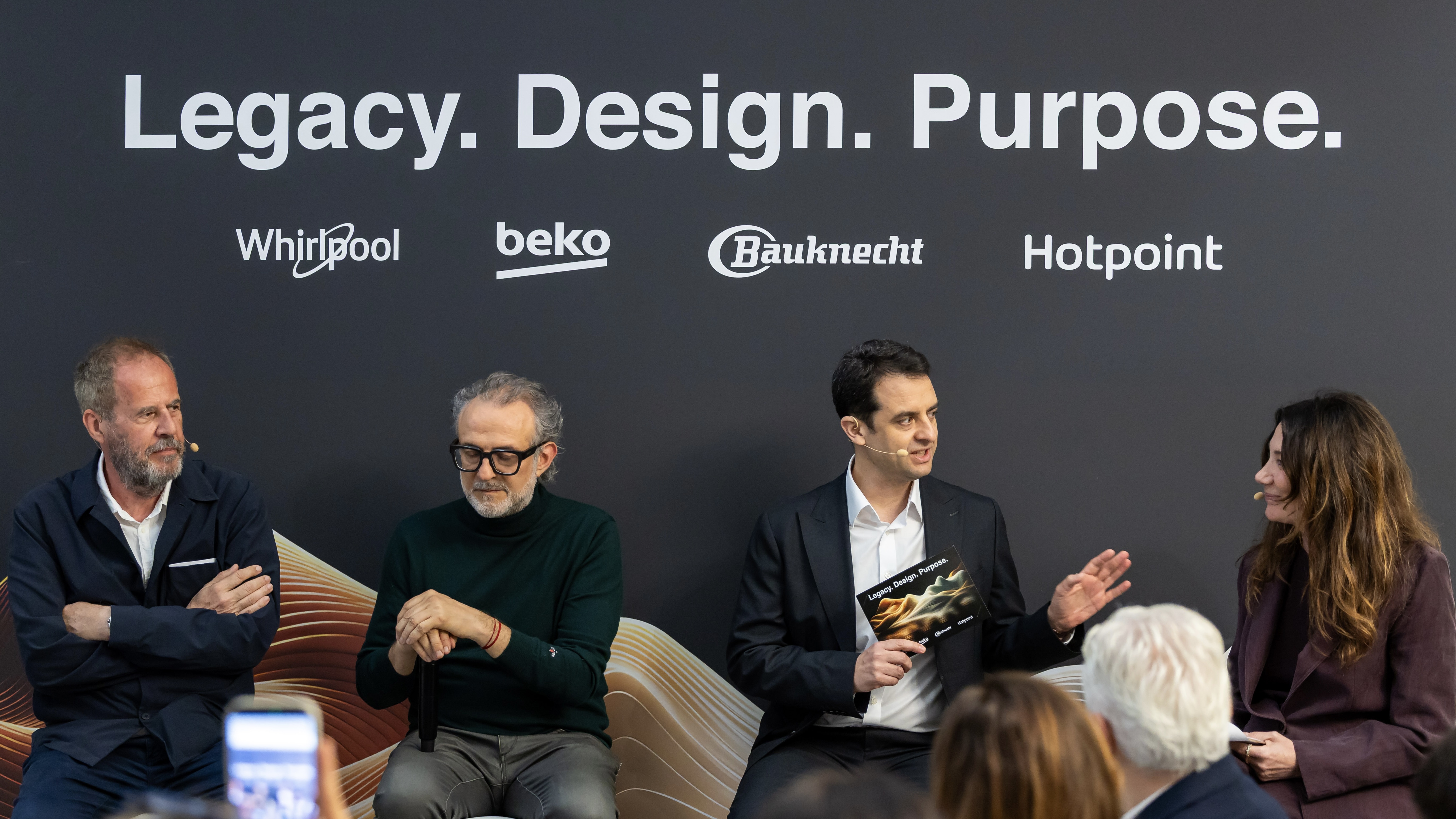
I was lucky enough to attend EuroCucina 2026 last week to see what some of the biggest kitchen brands are working on. After spending time exploring Beko’s approach – alongside its wider multi-brand portfolio, including Whirlpool, Hotpoint and Bauknecht – I couldn’t help but feel like it all deserved a closer look.
1. Making reliability a priority – not just a promise
These days, it’s in fact quite rare to see brands truly prioritise long-term reliability. It’s often buried in the small print or tied to very specific conditions that make guarantees harder to claim. However, after hearing Beko talk through its approach, it’s clear this is something the brand is undeniably committed to.
Across ovens, hobs, fridges and dishwashers, Beko tests its appliances to simulate 10 years of real use. That alone gives you a bit more confidence that these aren’t just short-term upgrades, but actually something you can rely on for years to come.
More importantly, it’s not just about how long something lasts, it’s about how consistently it performs. Whether it’s even cooking in the oven, steady cooling in the fridge or reliable wash cycles, the focus is on appliances that work the same way every day.
2. Turning energy and water use into something you can actually control
Smart homes and connected kitchens aren’t new, but Beko’s approach feels more practical than most. Its new HomeWhiz platform is all about making everyday efficiency easier to understand, and something that's actually useful as well.
It puts a big focus on energy and water management, letting you see exactly how much your appliances are using on a daily basis, Instead of guessing which settings are more efficient, you can track usage, spot patterns and adjust things accordingly. For example, the built-in oven lets you monitor energy consumption directly through the app, whilst the dishwasher can use as little as 5.9 litres per cycle without compromising on performance.
It might sound like a small thing, but it’s a meaningful shift that turns sustainability into something you can see and manage, rather than something that just lives on a spec sheet.
3. Blending performance with future-ready design
Finally, Beko isn’t just focusing on function – it’s also pushing design and flexibility in a big way. From products like its extra-slim induction hob, which offers more even cooking, to ovens with steam-assisted technology for better flavour and texture, there’s a clear effort to elevate everyday cooking.
The ColourZone concept also introduces bold finishes like Blueberry Velvet, proving that appliances don’t have to be plain or purely practical to be reliable.
There’s also the more forward-thinking side of things, like the modular refrigerator concept. This is a system made up of stackable, reconfigurable cooling units that can adapt as your home changes. It’s still a concept for now, but it gives a clear idea of where Beko is heading, especially towards appliances that are built to last and evolve with you.