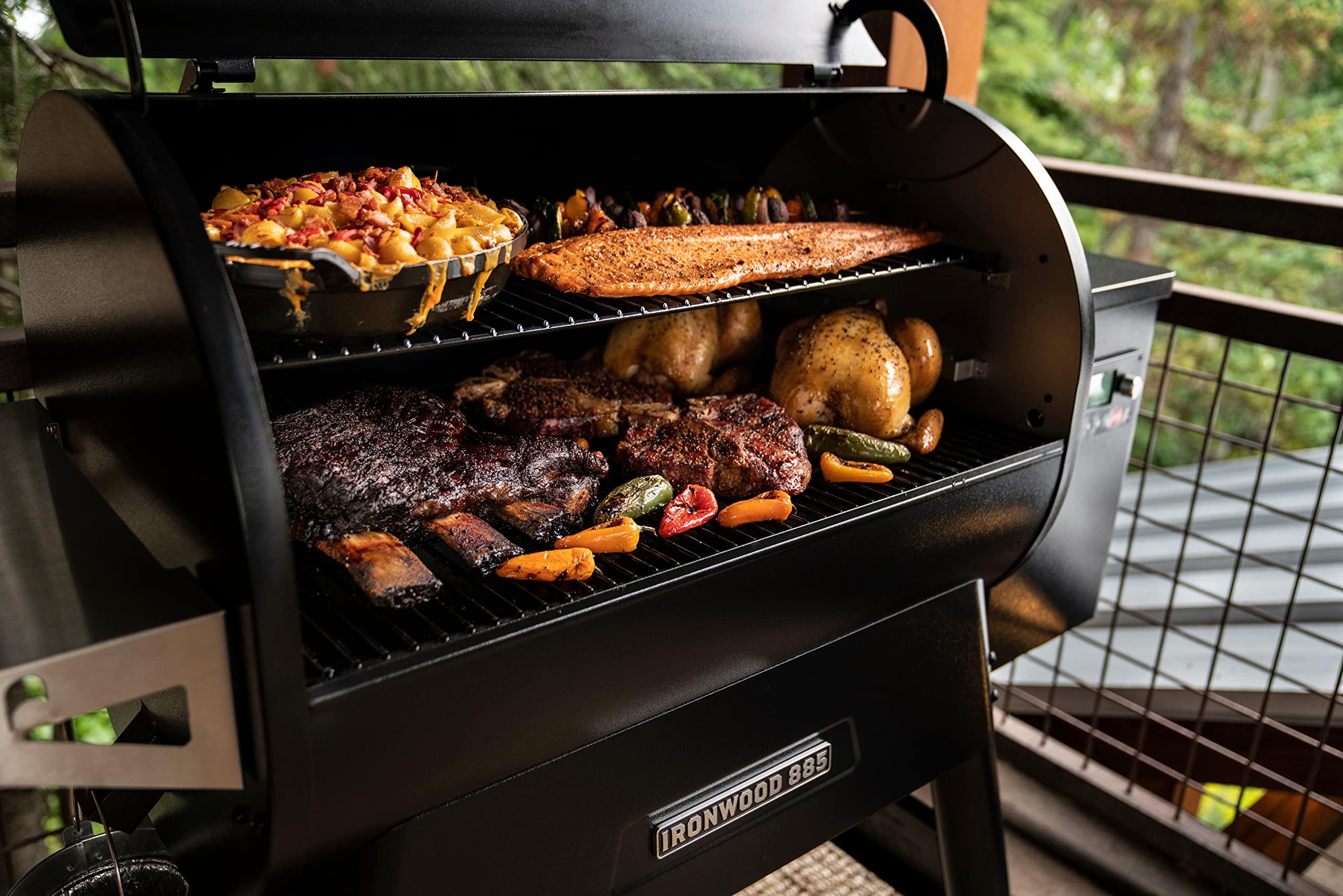
Summer is officially in full swing with massive Fourth of July deals on the best grills and other backyard gear for entertaining your friends. These sales make now one of the best times to upgrade your grill. Whether you're a barbecue newbie who wants to enjoy the beautiful weather or a pitmaster who hosts summer soirees, there are plenty of models to choose from.
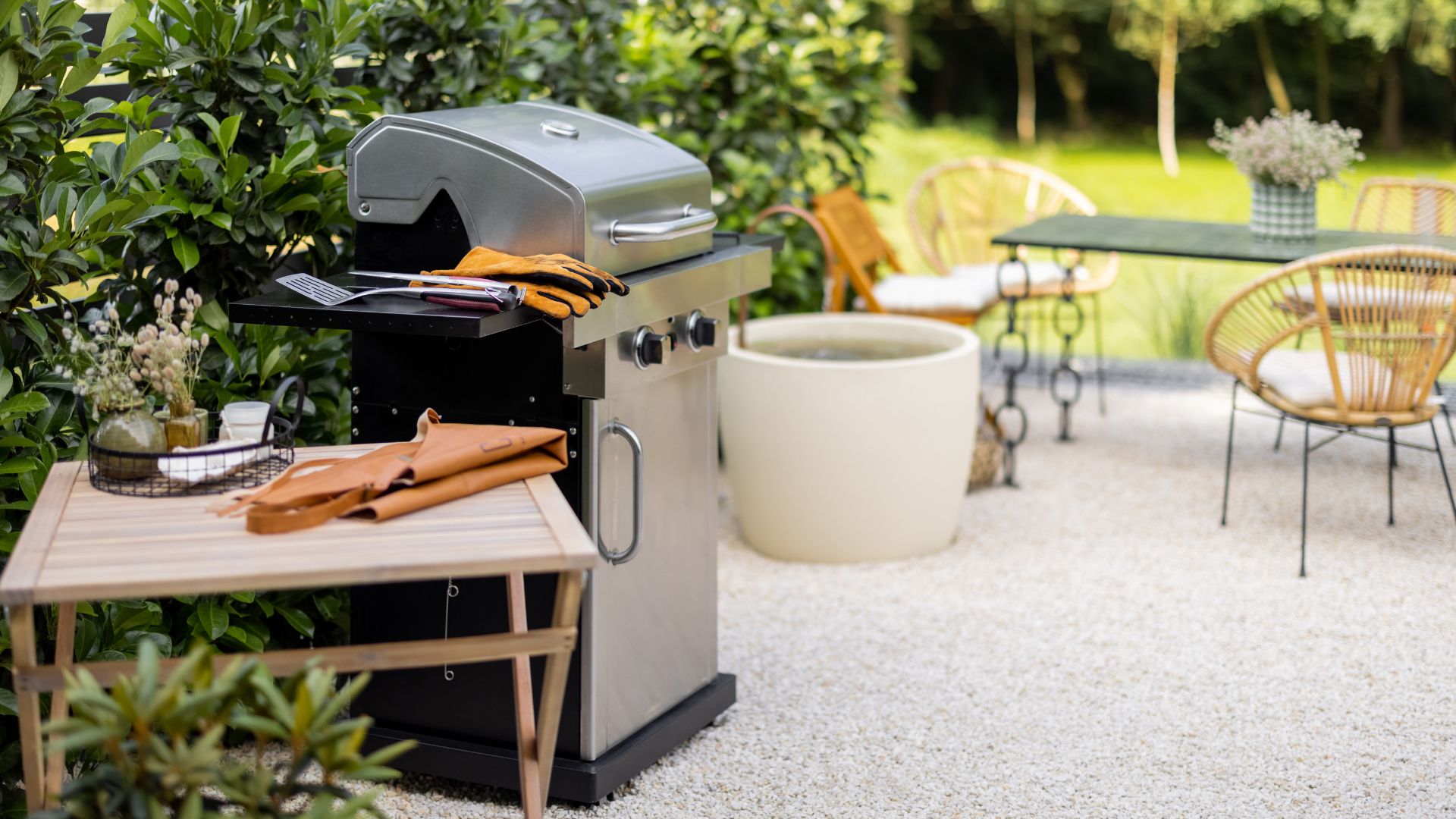
My latest go-to is the BriskIt Origin 580 AI pellet grill ($699 at Lowe's) for cooking smokey chicken and beef dishes. This barbecue uses smart temperature probes, generative AI, and a sleek app to guide you through each step and adjusts its temperatures automatically.
But not everyone is going to need these fancy features. Here’s what you need to know when buying a grill to make your summer cookouts a hit.
Grill type
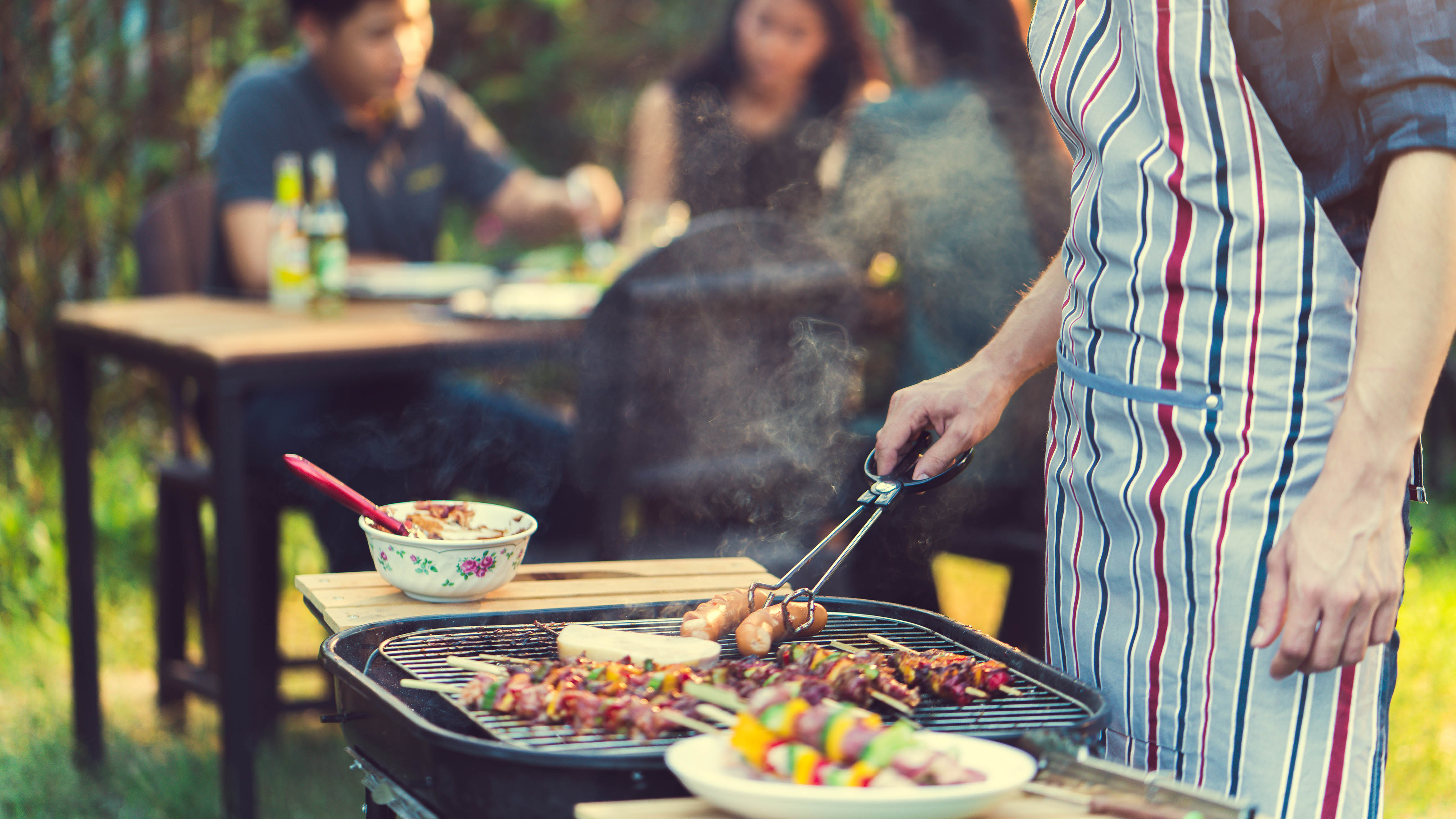
There are four primary types of grills: gas, charcoal, pellet, and electric.
Gas grills
Gas grills are the most popular because they cook fast, are as convenient as turning a knob, and are easy to use with minimal cleanup. The need for propane or natural gas means you should always have a spare tank on hand or you’ll be unable to cook.
Charcoal grills
Charcoal grills have long been the preference of foodies for their rich and smoky flavor profile. They offer the most traditional experience and reach a high heat for searing. However, they take a lot more effort with longer heat-up times, extensive cleanup, and a reliance on charcoal. However, these can be extremely portable as light, compact grills are easy to transport between beach picnics and tailgating events.
Pellet grills
Pellet grills are a great hybrid between an electric grill and a charcoal grill. They’re often more expensive because they are electric and run on pellets but can pull off multiple cook functions such as bake, grill, and smoke at low or high temperatures. Temperatures are usually their most consistent in this category thanks to cooling tech and the smokey flavoring rivals the best charcoal grills.
Electric grills
Electric grills are plug-and-play, which makes them the easiest to use, create minimal smoke, and take up less room. This makes them ideal for apartments and areas limited on space. You can use this grill at any time as long as you have access to power.
Grill size
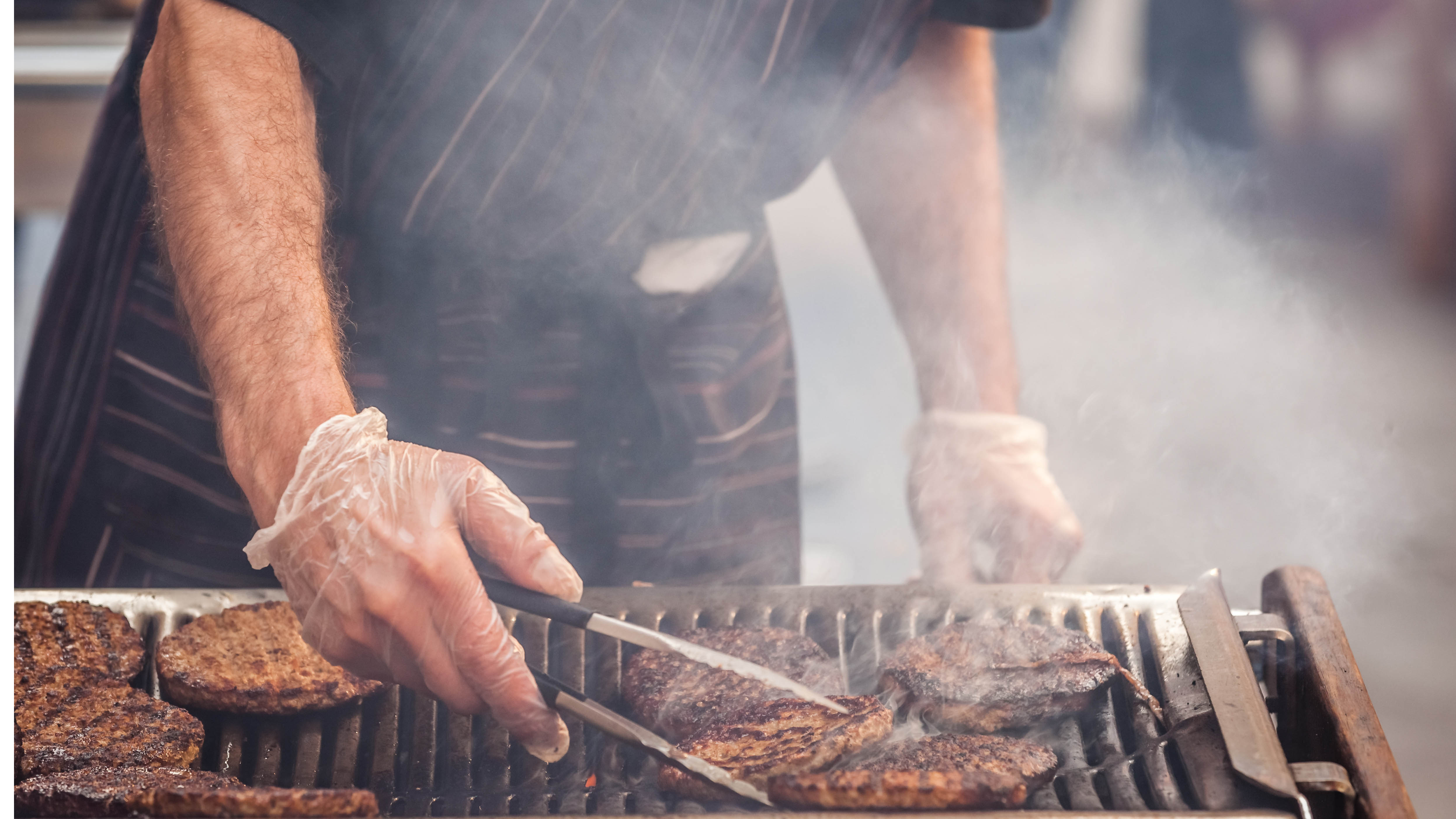
Consider how much food you'll be cooking and how many people you'll be serving. A larger cooking area allows for more flexibility, but a smaller grill might be more practical if you have limited space or usually cook for just a few people.
Small grills are considered 400 square inches or below. That’s plenty if you have a compact patio or are cooking for a couple or small family. Medium grills hover between 400-600 square inches and provide the best balance between space and cooking area for the average household. Larger grills exceed over 600 square inches and are best for large gatherings.
Remember that the key to a successful cookout is doing all of the unfun prep work before company arrives. Marinating your meats and preparing your sides beforehand lets you focus on enjoying the experience and flavors together. Plus you can spend less time checking on your proteins and cook them to their target doneness with one of the best meat thermometers. With these tips in mind, you’re ready to nab the right grill for your needs.
Features
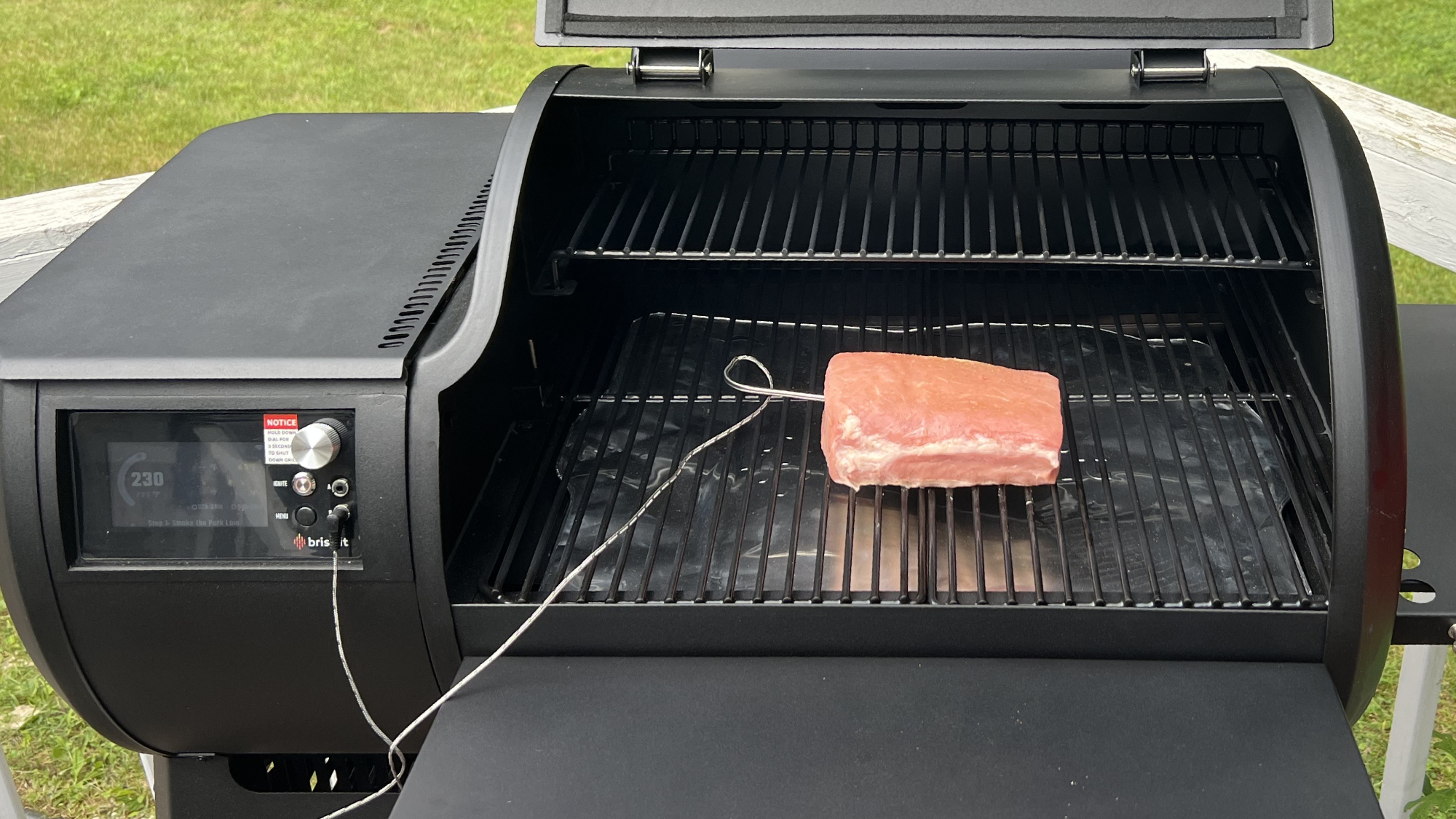
Modern grills come with a variety of features to enhance your experience. While these shouldn't be the primary factor in buying a grill, they can make things easier. These features can range from helpful side racks to full-blown smart temperature probes. Below are some of the most popular.
Side burners let you cook side dishes or sauces in sync with your main dish.
Rotisserie racks can roast whole chickens or other meats.
Infrared burners provide even heat and high temperatures for searing.
Smart temperature probes allow you to to monitor your protein and grill temperatures from anywhere thanks to their Wi-Fi connection.
Digital displays make it easy to check gauge, cook times, and status without lifting the grill.
Additional storage space such as pop-up shelves, cabinets, and tool hooks hold your food and gear during or after your session.
Removable ash catchers, grease trays, and non-stick grates make for an easy clean up.