
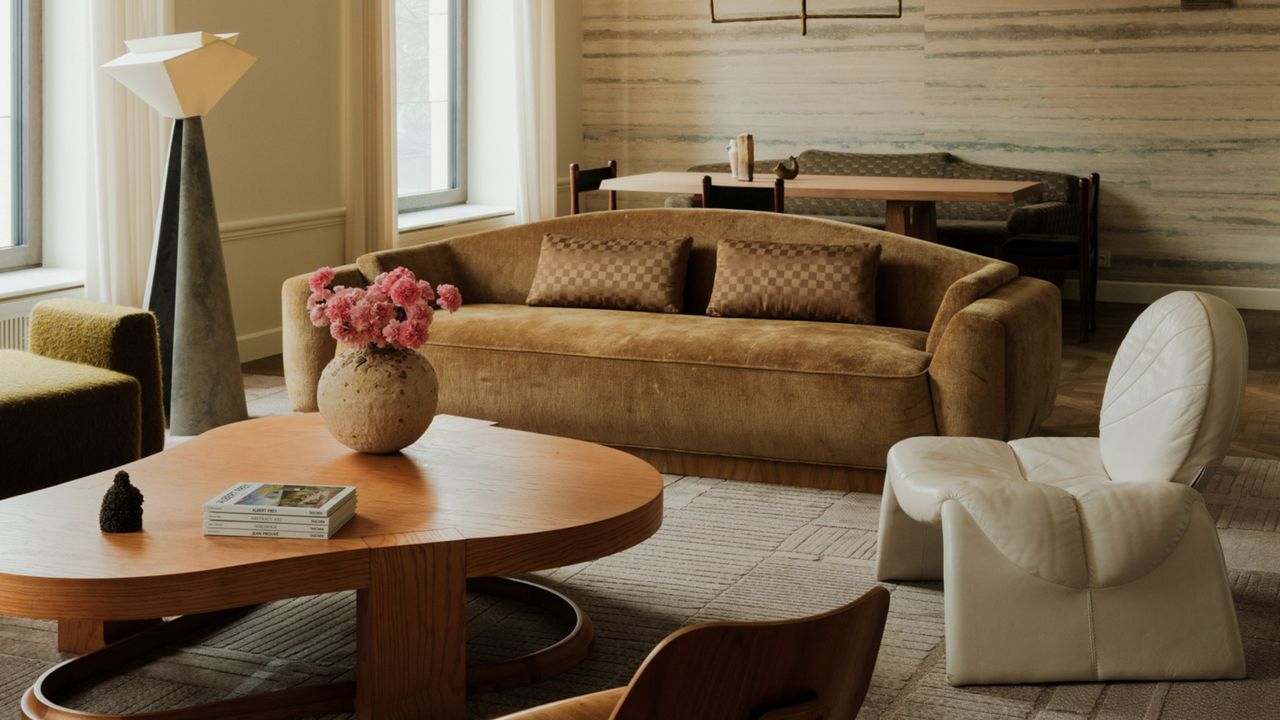
Choosing the color of your living room rug is no easy feat. A dark red may be an alluring trend to tie together your fashionable pieces, while a light off-white is always a dependable base, but either color will affect the room as a whole, and not always for the better. So, as you conjure up your floor covering plans, there are certain rug colors to avoid in your living space, according to designers.
When choosing a rug color in a living room, it's less about avoiding specific palettes and more about ensuring your choice brings the rest of your room to life. "A living room rug, like a sofa, creates a huge visual anchor, so you want to choose a color or pattern that promotes harmony, not unrest," explains Maria O'Brien, VP of design at Ruggable.
There are a few shades that typically lean mostly toward the latter. To make things easier, I've narrowed down the biggest offenders to a streamlined list of three living room rug colors to avoid — and, of course, what designers recommend you do instead in 2026.
1. Black
As a rug should complement your individual living room style, there aren't many strict 'no-go' colors or rug trends to steer clear of — it always depends on the room, the light, and the atmosphere you want to create.
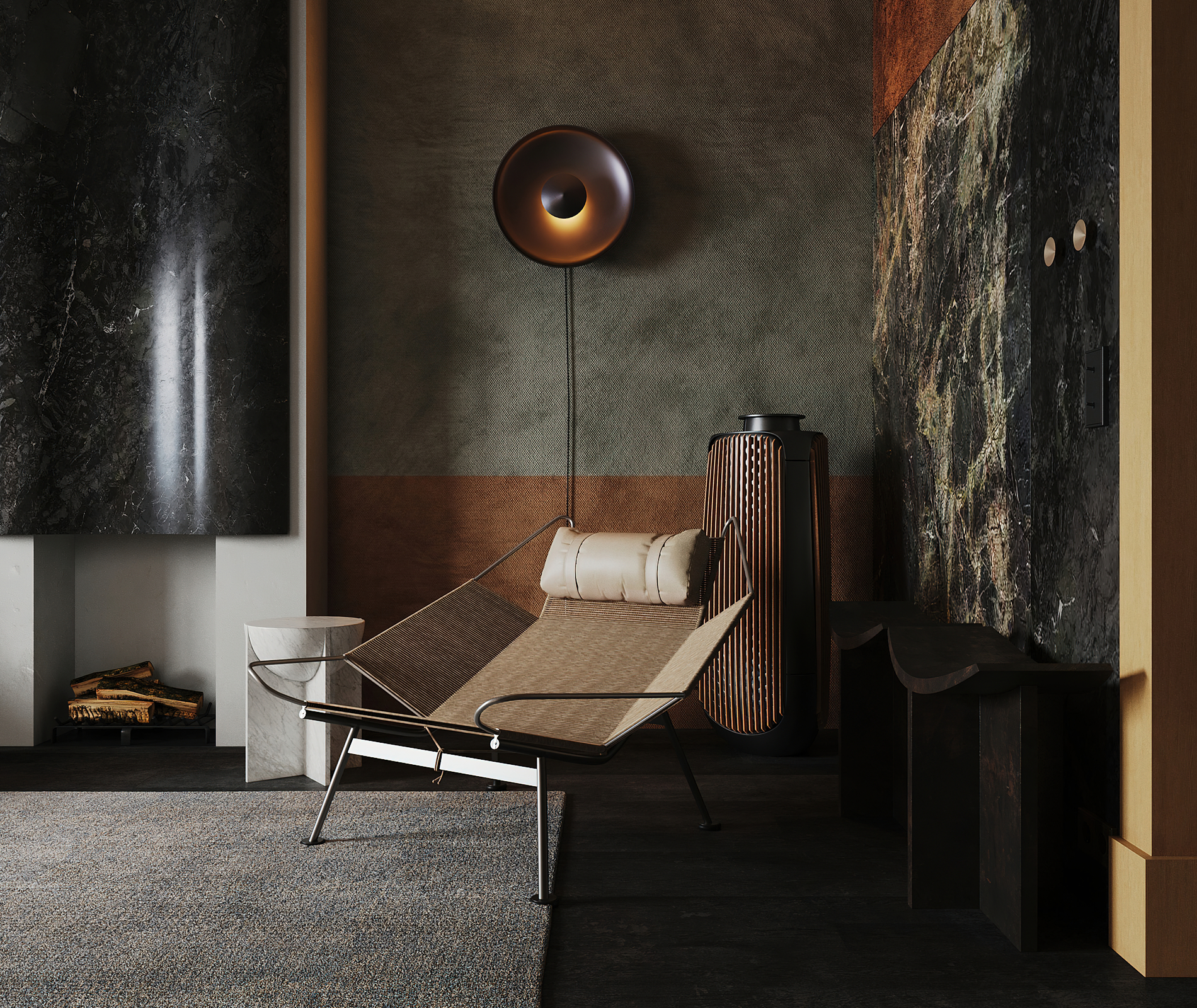
That said, "I tend to avoid pure, jet-black rugs in living rooms," says Malin Glemme, founder and creative director of LAYERED. "A completely black rug can read almost like a visual void, absorbing light and creating a heavy feeling in the space."
Practicality speaking, just as white rugs often show dirt quickly, pure black also tends to show dust and wear very clearly. So, what should you do instead in 2026?
Contemporary color trends favor bold oxblood and aubergine hues, and sometimes a shade as dark as Obsidian Heart works, too. So, if you really want a dark rug, Malin suggests "softer versions such as off-black or charcoal tones, which give depth and elegance without feeling flat or harsh."
For something warmer, a chocolate brown is a fabulous alternative to black when it comes to living room rug colors.
A dark charcoal can create a grounding atmosphere that isn't as intense as jet black.
Ruggable's washable design and the print make this dark rug a fabulous choice for living room designs.
2. Intensely Saturated Colors
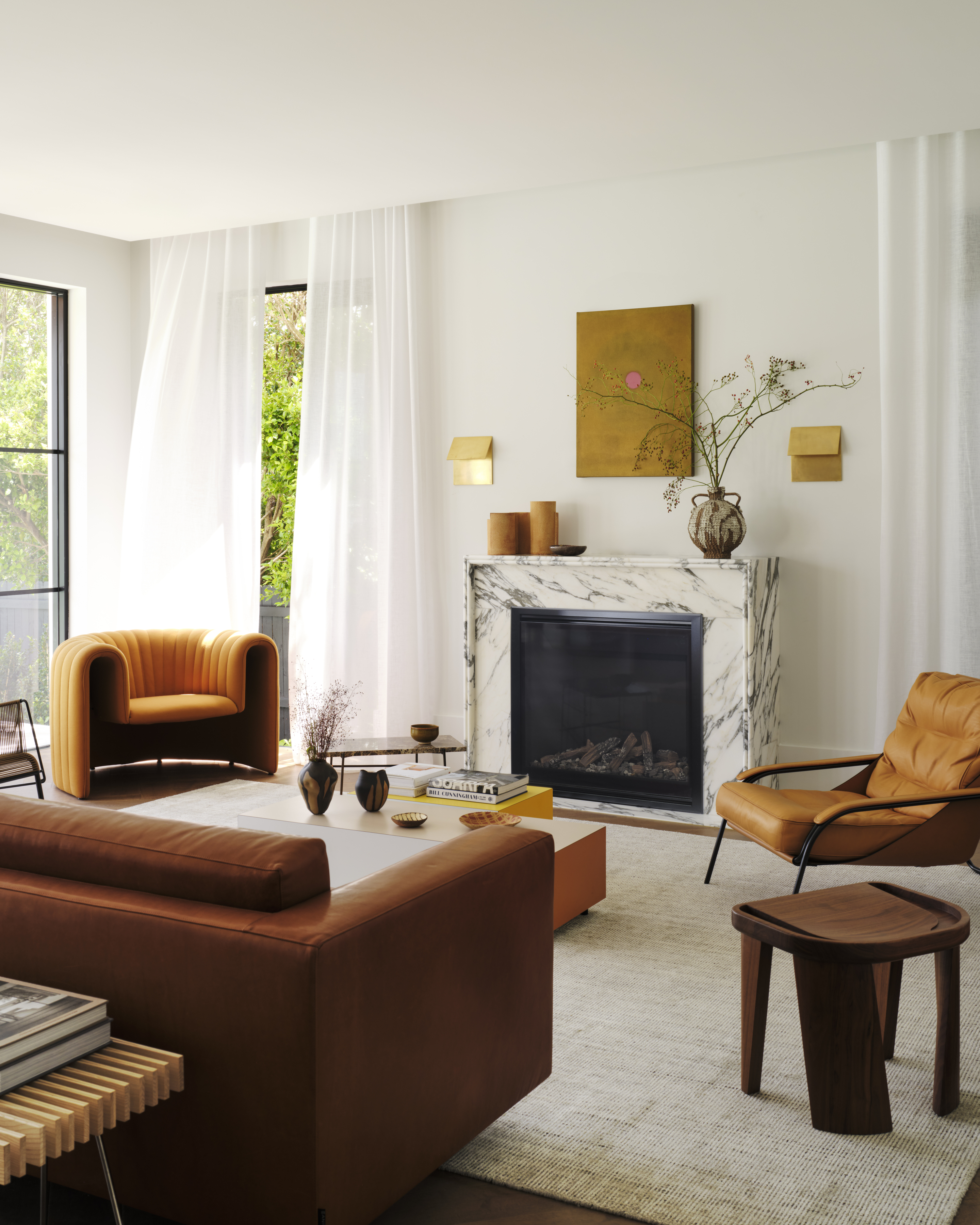
Just like with pure black rugs, Malin says, "Very intense, highly saturated colors — like bright orange or strong yellow — can also be challenging on larger surfaces." While living rooms are generally a safe place to test out your more daring design ideas, doing so with larger items, like a rug, can quickly become overpowering.
"High contrast colors often work better as smaller accents through cushions, artwork, or decorative details rather than as the foundation of a room," says Malin. "In a living space, where you spend a lot of time, balance and longevity are important."
That said, you can still opt for a bold rug color if it's balanced with the color palette in the space, or, alternatively, it's wiser to opt for the same color in a more muted variation. For instance, a deep caramel over a bright orange, or an earthy ochre rather than sunshine yellow.
If you are after more color, a muted tone, like this pecan rug, can help the shade feel less overwhelming and more natural.
The border gives this rug a little more visual interest than just a solid beige.
Even an earthy yellow can act as a neutral rug color.
3. Light, Solid Colors
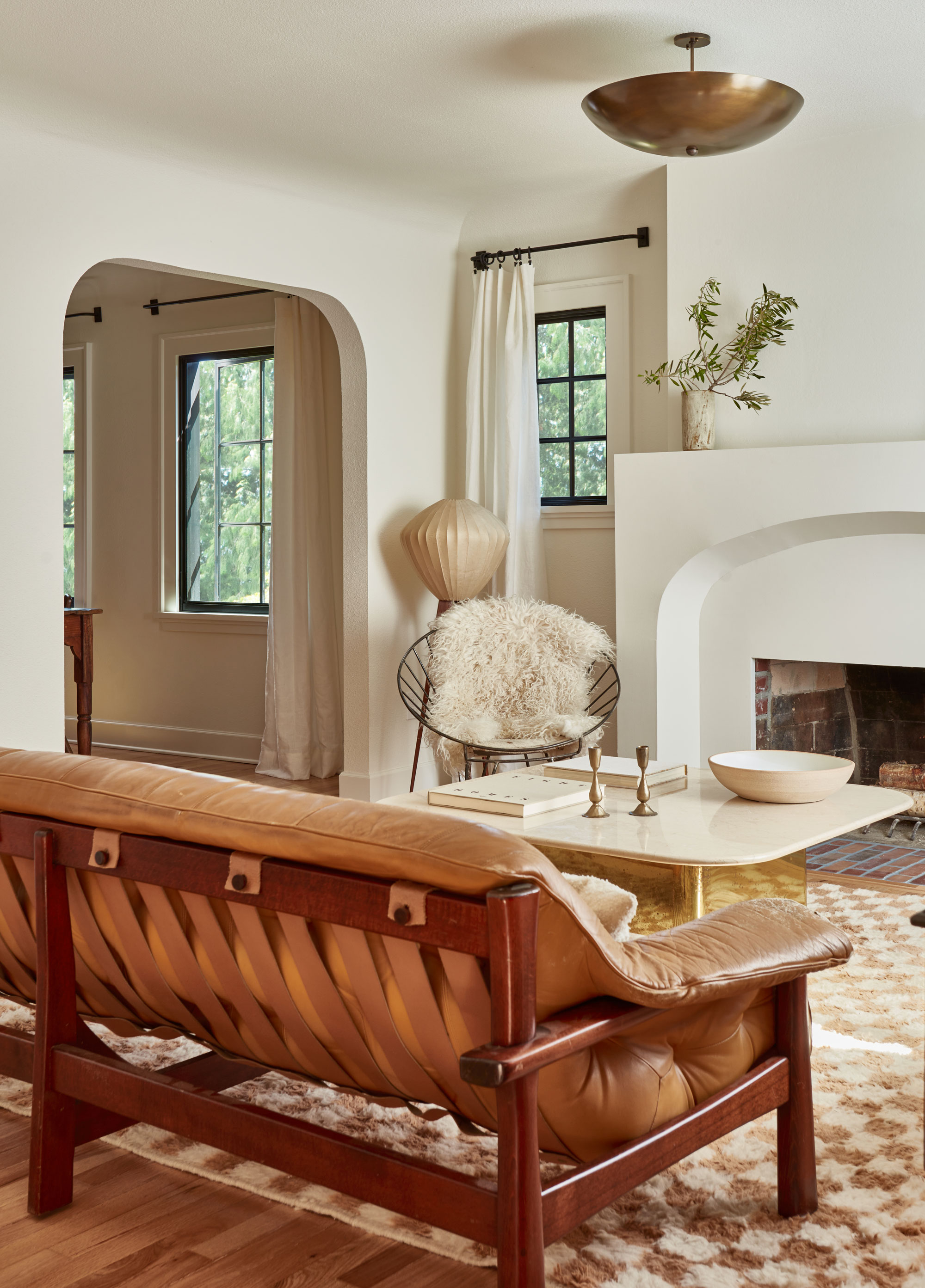
Though a light, neutral rug is always a dependable choice style-wise, it doesn't come without warning. "If you have a large family, young children, and several pets, living with very pale colors can be challenging," admits Ruggable's Maria O'Brien. It's all about how you place them and how often you clean your rug. "Investing in a washable rug is the best case scenario," she adds.
If calming, light colors are your preference, then "tranquil patterns that work as textures in softened neutral tones will bring a peaceful feel to your living room and can help balance too light a rug," adds Maria. A patterned rug can make a light color more interesting and adaptable to daily wear and tear.
This pattern offers a neutral color scheme but with a bit more visual interest.
The shades in this rug offer a slightly warmer and darker palette, and the pattern is more forgiving than a light neutral.
I love the subtle pattern of the rug — it's a neutral, but a little more fun.
"Think of a living room rug as the emotional base of the room," says Malin. "Choose a tone that connects with at least one other element — curtains, upholstery, or wood tones — and layer textures rather than relying only on color contrast. This creates depth and makes the space feel more considered and inviting."
And of course, avoid any of these rug colors that may make your living room less practical. For more tips, be sure to subscribe to the Livingetc newsletter.