
Many homeowners envision the perfect summer lawn, but may look at theirs in dismay during June, as it can look worse than it did earlier in the year. If this sounds like you, the clear message is relax. There are reasons this happens, and it can be rectified.
The three main causes of a struggling lawn in early summer are heat stress, disease, or mowing too short. Any or all of these can stress a lawn, causing it to shift from a vibrant green to shades of yellow or brown.
To help turn your fortunes around, I spoke to three experts about what to do with a lawn in June if your grass is struggling with any of these issues. Their tips for summer lawn care can help transform a stressed, discolored lawn into a healthy, green carpet for the rest of the season.
The 3 Top Issues Affecting Lawns in June
Heat Stress
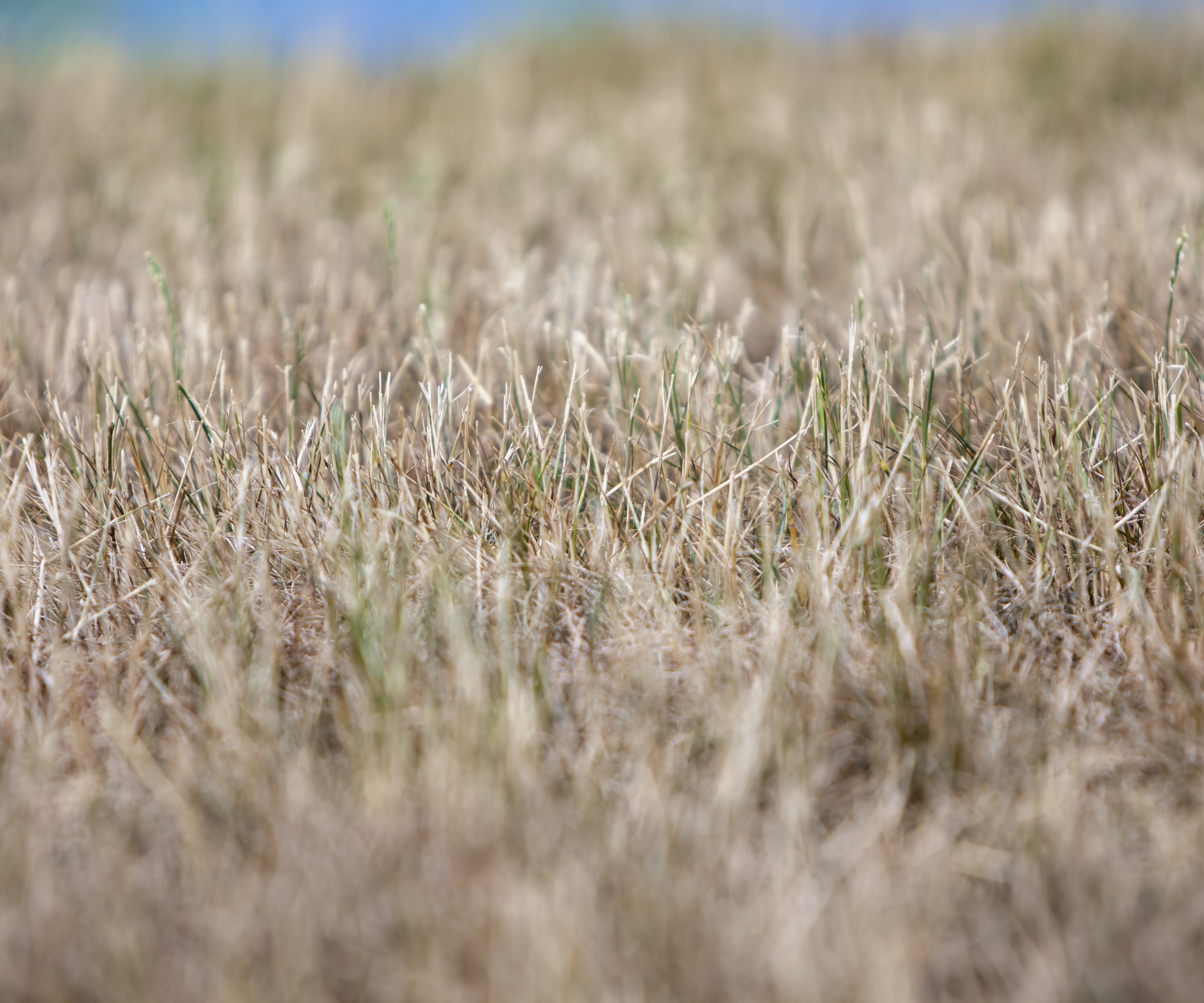
The temperatures vary across the US in June, from lows of 60°F in the Northeast to highs of 90-100°F in the Southwest. Depending on where in the country you are, your lawn may be struggling from too much sun and heat and too little water. This combination triggers it into ‘survival’ mode.
This issue can be exacerbated in transition zones, where two different climates meet, and the variable weather leaves lawns more susceptible to drought. ‘Typically, your grasses in the transition zone are not necessarily the best for an increase in heat and humidity,’ explains Matt Cline, COO of HillSide Lawn Service.
‘They start to go into kind of a drought-type setting, where you start seeing grass just looking a little bit thinner, not growing as much, not showing as much color as it did in the spring, it's basically going into a survivability type mode, where it's just trying to get through until the heat breaks.’
You may think that water can solve all these woes, but even if you do get some water, a lawn can still suffer from heat stress.
As Brian Feldman, Senior Director of Field Operations at TruGreen, claims: ‘Up to 40% of water evaporates before it even reaches the root zone if you're watering at the wrong time. This leaves turf thirsty precisely when it needs hydration most.’
We’ll reveal the ‘right’ time for watering a garden later to avoid this happening to you this summer.
Mowing Too Short
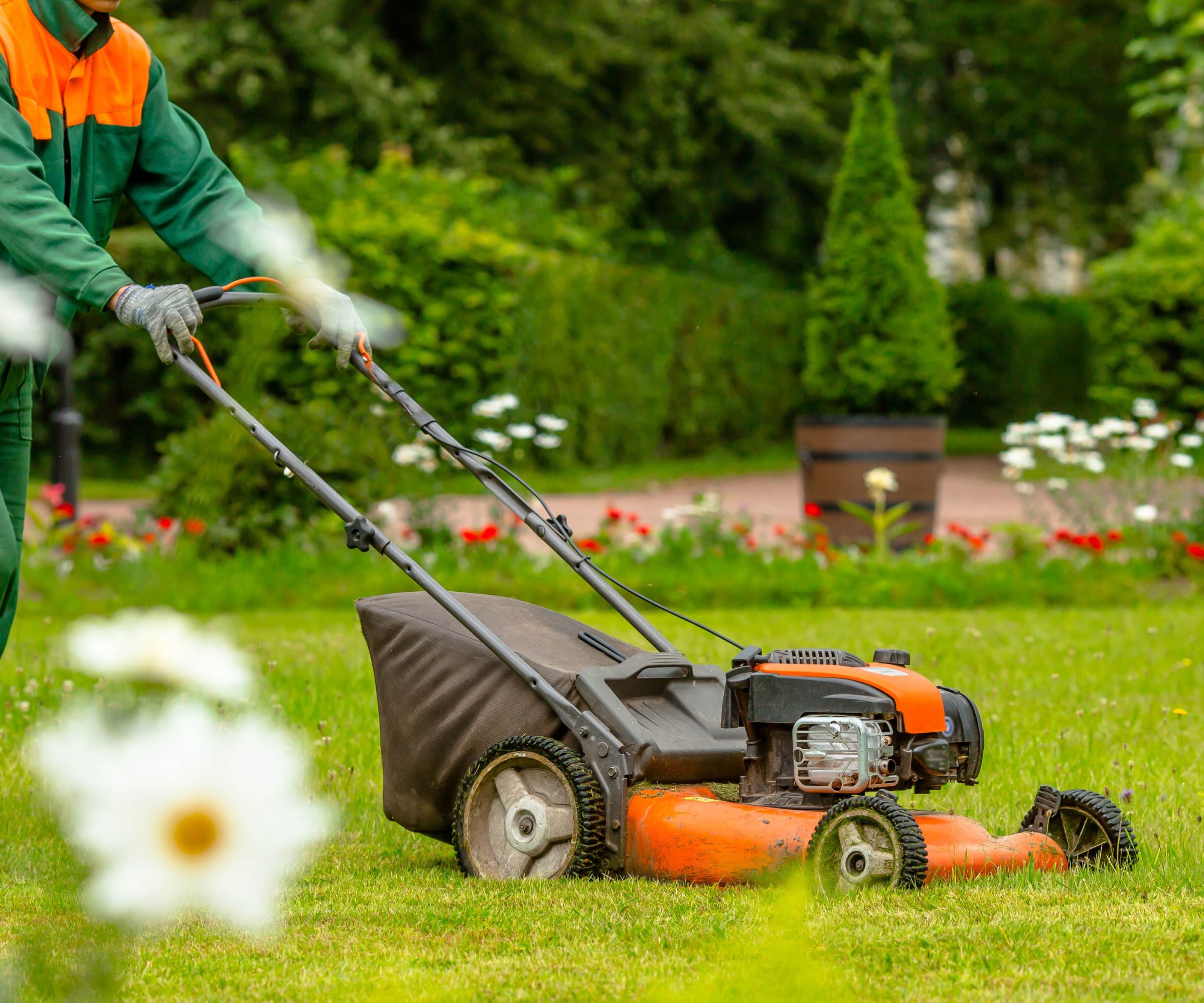
In the drive for a lush, green carpet, many homeowners fall foul of a mowing faux-pas, cutting the grass too short when the temperatures rise.
Many people believe this is the best approach for a perfect-looking lawn in summer. However, in reality, all this does is further stress the grass, especially if it is already struggling with heat, pests, or weed pressure.
‘When in doubt, mow high,’ recommends Theresa Smith at NaturaLawn. ‘Many homeowners will mow their lawns too short, which can encourage the turf to shorten its root systems and make it more difficult for the grass to retain the nutrients it needs.’
Matt Cline advises a better approach is reducing how often you mow your lawn in summer to avoid a stressed, browning lawn. ‘Let the grass grow a little bit, let it recover on its own without mowing it on the same frequency that you normally would in the spring,’ he says.
Increased Disease
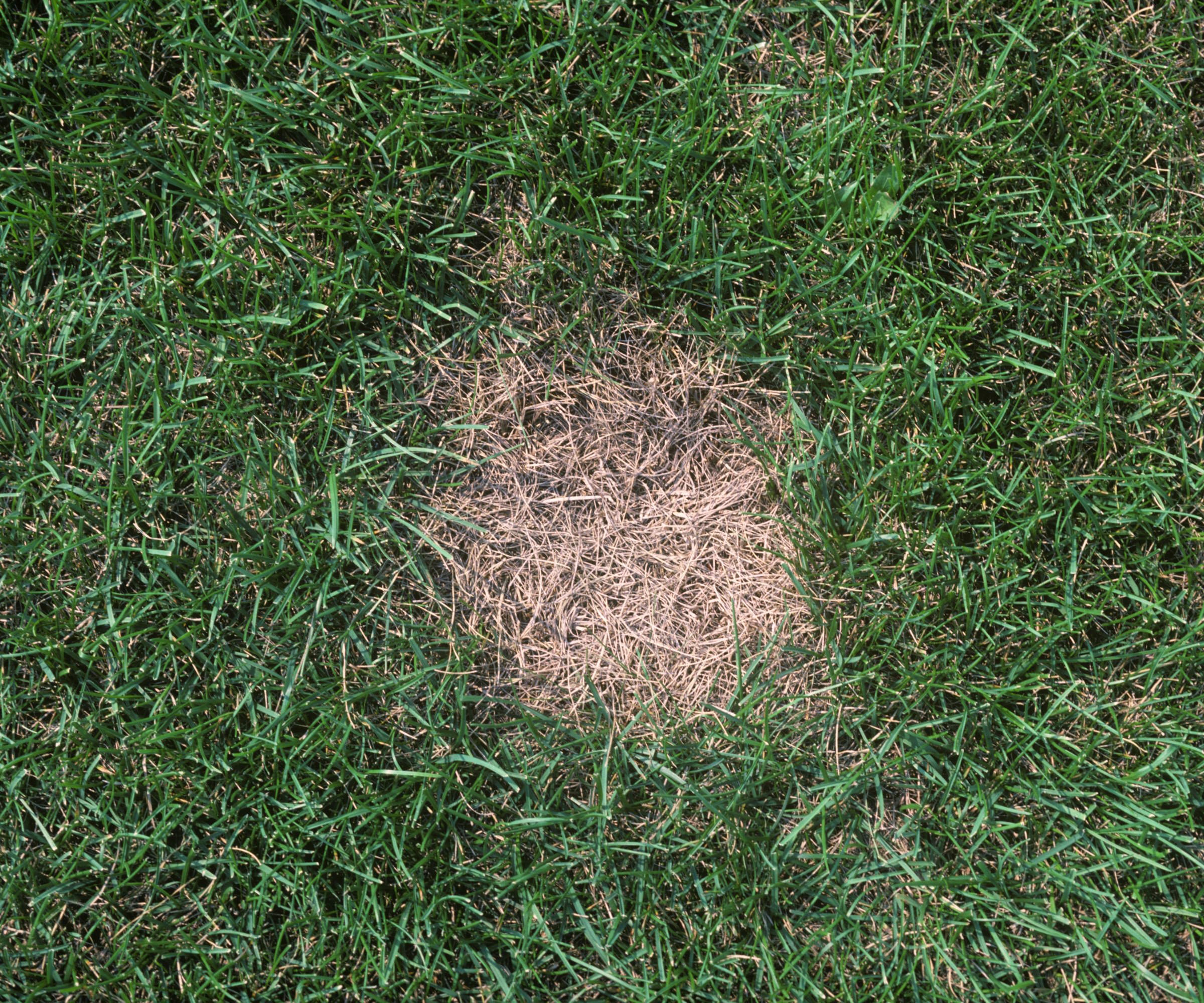
Stressed lawns are vulnerable to disease. Along with potential heat stress, there is an increased risk that lawn diseases such as brown patch, pythium blight, summer patch, and dollar spot can take a toll on lawns during hot, humid weather.
‘Warmer temperatures create ideal conditions for disease, weeds, and damaging insects to thrive,’ warns Brian Feldman. ‘If your lawn's soil health has been neglected - whether as a result of compacted soil or pH imbalances - you will also see restricted root growth, which can compound the stress your grass can experience now.’
To reduce your chances of an unhealthy lawn struck by disease, avoid watering the lawn in the evening or at night. Grass sitting wet overnight is a perfect environment for fungal diseases to take hold. Instead, water the lawn in the morning so the moisture has all day to evaporate.
3 Ways to Fix a Lawn in June
The first thought is often that watering the lawn is the sure-fire way to fix many of the issues outlined above, but water in itself is not the golden answer to everything. So, what advice do the lawn experts suggest could be done this month to perk up struggling turf?
Give It a Summer Feed

Firstly, consider fertilizing a lawn. ‘For warm-season grasses, fertilizing now is the ideal window,’ says Brian Feldman.
Those warm-season grasses, such as Bermuda grass, Zoysia grass, and St Augustine grass, are widely used in the southern US as they tolerate heat and drought better.
A well-fed lawn has stronger roots and a thicker density. This boosts its drought and disease resistance, and helps naturally crowd out weeds.
‘We give a little bit of a shot of fertilizer and nitrogen in the summer,’ adds Matt Cline. ‘When we get a little bit of rain, it helps perk the lawn back up when it's struggling in the summertime.’
This liquid lawn food at Amazon is high in nitrogen and is perfect for delivering nutrients to all types of grasses during the summer.
Change Your Mowing Habits
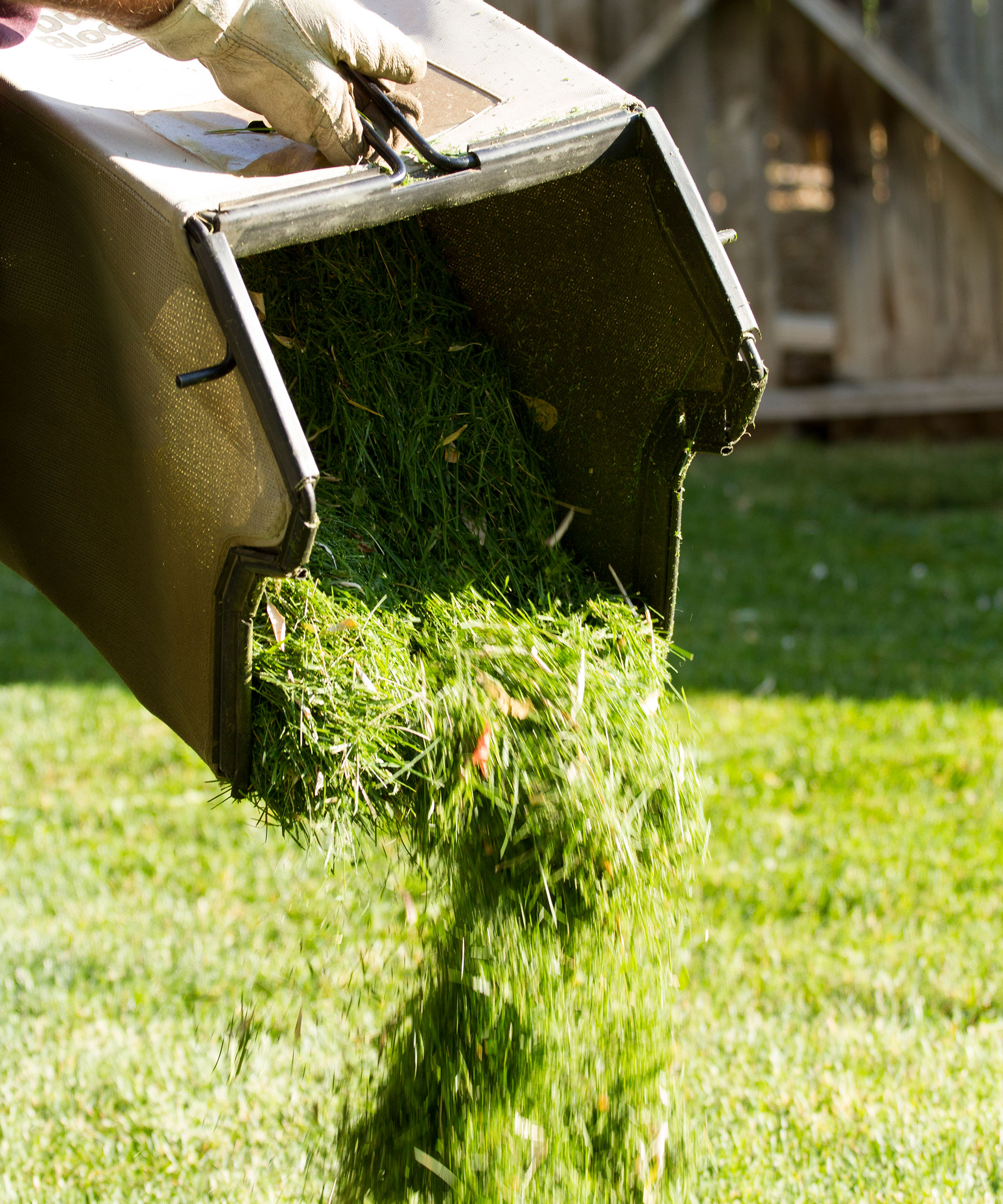
The experts already touched on mowing at a higher height when you cut grass in hot weather. In addition, when you head out with the lawn mower in early summer, consider leaving the grass clippings after mowing rather than collecting them.
You can mulch a lawn with grass clippings (provided they are less than an inch) as they are full of nutrients and moisture. The lawn benefits from more moisture being retained in the ground rather than being lost to evaporation.
‘The only time grass clippings should be removed is when there is disease activity or the lawn is so long that the clippings begin to clump,’ advises Theresa Smith. ‘This will smother the plants underneath and can kill the grass. ‘
Make Sensible Watering Choices
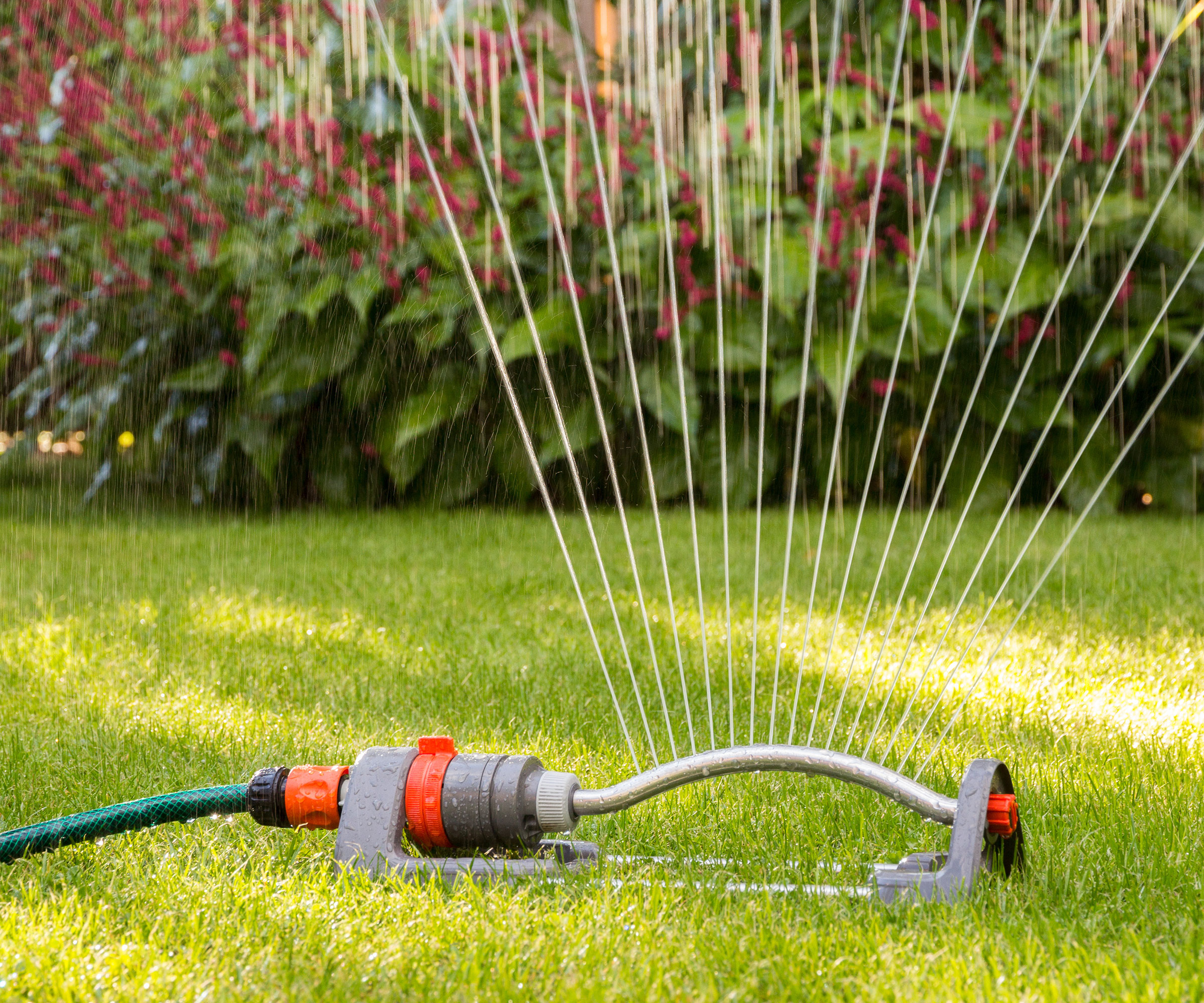
There is no hiding that water is a key aspect of summer care if you want a green, thick lawn. Most turfgrasses need one to two inches of water per week at this period of the year, and the important thing to get right is when and how you water the lawn in summer.
‘The best window for watering is between 5 am and 10 am, when temperatures are mild, winds are calm, and the sun hasn't fully intensified,’ recommends Brian Feldman. ‘Morning watering allows grass to retain moisture longer and prepares it to withstand the day's heat.’
And when you do water, water deeply. ‘Be sure to avoid short, frequent waterings, as these can lead to several turf problems,’ insists Theresa Smith. ‘Instead, prioritize infrequent but long waterings, as they encourage roots to grow deep into the soil.’
Deep, infrequent watering helps support stronger, deeper roots, which make any lawn stronger against rising temperatures. Shorter roots, often caused by light sprinklings, make the grass more susceptible to drought.
When you need to water will depend on temperature and recent rainfall, but Brian has a simple trick to help you judge. ‘I recommend using a simple rain gauge or empty cans placed around your lawn to confirm you've hit your one to two-inch target. This prevents both overwatering and underwatering - both of which can damage your lawn,’ he says.
You can get a rain gauge at Walmart with large numbers to easily tell how much rainfall you have had and whether you need to water the lawn.
What to Shop
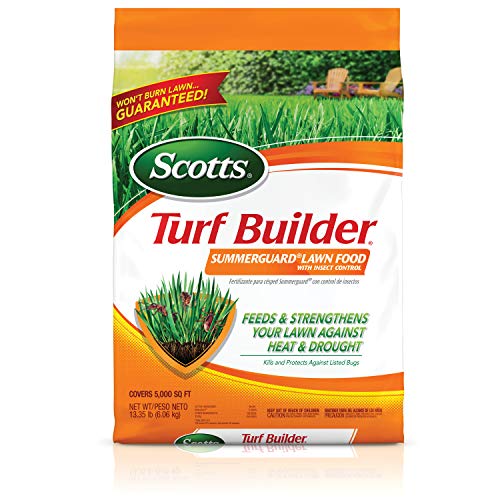
This summer lawn fertilizer strengthens your grass against heat and drought stress, plus it kills more than 20 common lawn pests.
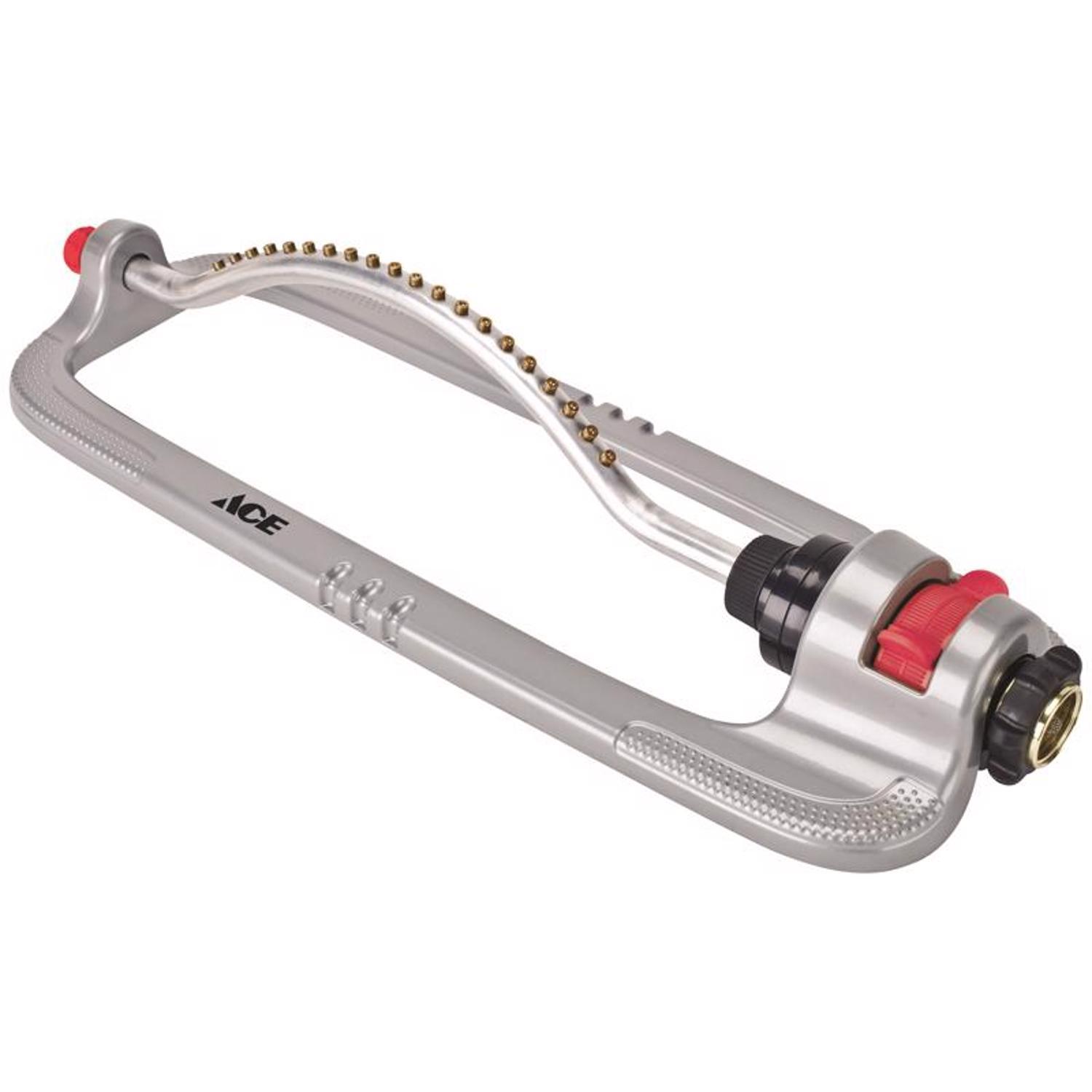
This metal oscillating sprinkler is ideal for watering larger lawns. It has 20 nozzles and an adjustable range controller to find the best coverage for your grass.
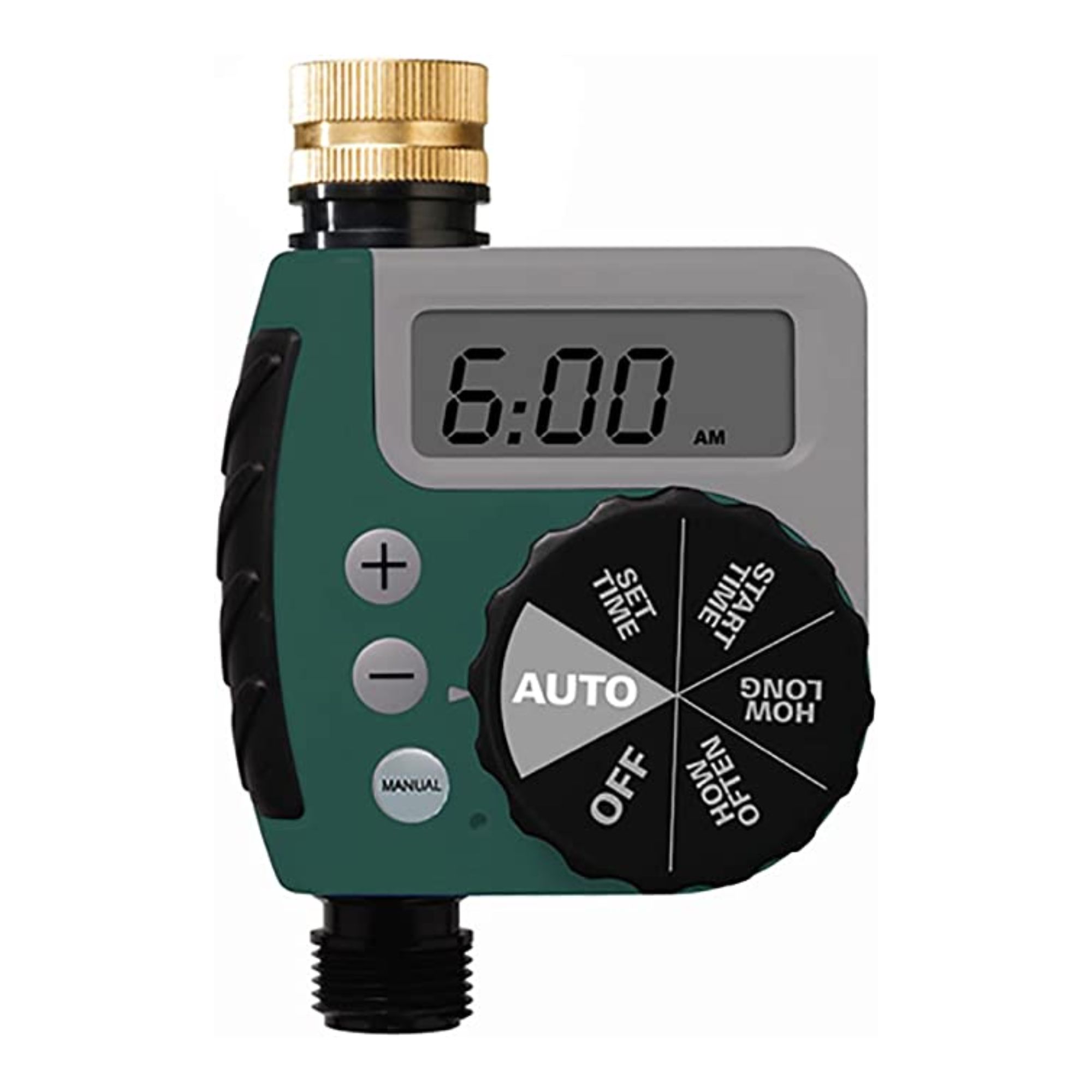
Set a timer to water your lawn at the best time of the day. You can set the time and duration of water using the digital display and intuitive dial.
Protecting the grass when the temperatures spike is often an underappreciated aspect of lawn care. Lots of homeowners worry about plants in flower beds or containers during a heatwave, but don’t have the lawn at the forefront of their thoughts.
But, as we’ve covered here, hot temperatures can all too easily stress a lawn. Protecting a lawn in a heatwave must involve keeping it hydrated. It should include proactive action to water deeply a few days before the temperatures are forecast to rise.
If you love inspiring garden ideas, outdoor advice, and the latest news, why not sign up for our newsletter and get the latest features delivered straight to your inbox?