
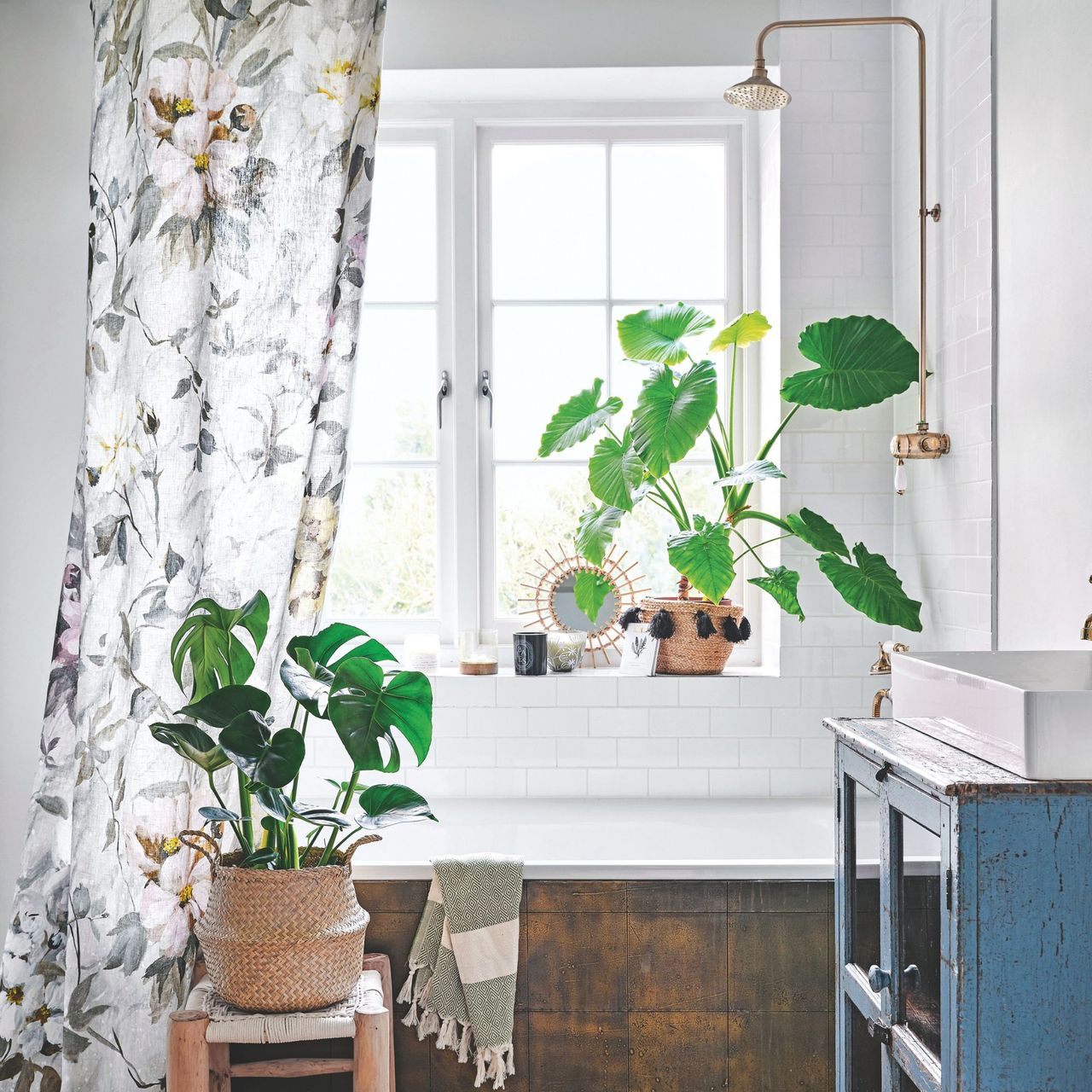
I don’t know about you, but I am frequently greeted by drips of condensation running down the inside of my windows every morning. And for me, I like to understand what causes a problem before I solve it, so I asked the experts; ‘what causes condensation on the inside of windows?’
Condensation is a common winter problem, and if left untreated, it can quickly result in damp and mould inside your home. We all want to know how to stop condensation on windows, but to do so, it’s essential to understand what causes condensation outside windows and inside.
Experts have revealed three reasons why condensation may be forming on the inside of your windows, from everyday humidity to your clothes drying habits. This is everything you need to know.
1. Everyday humidity
‘Condensation can be found anywhere in the home where moisture is heated and condenses onto cooler surfaces. This means it's common in bedrooms, bathrooms and kitchens. Activities like showering, cooking or drying clothes can lead to water vapour cooling against cold surfaces, including windows,’ explains Dr Jonathan Kirby, Mould Expert at Dryzone.
‘However, issues can arise if this moisture is left to condense on cool surfaces. Condensation is one of the most common damp problems and can ruin painted or plastered walls, furniture and plush toys.’
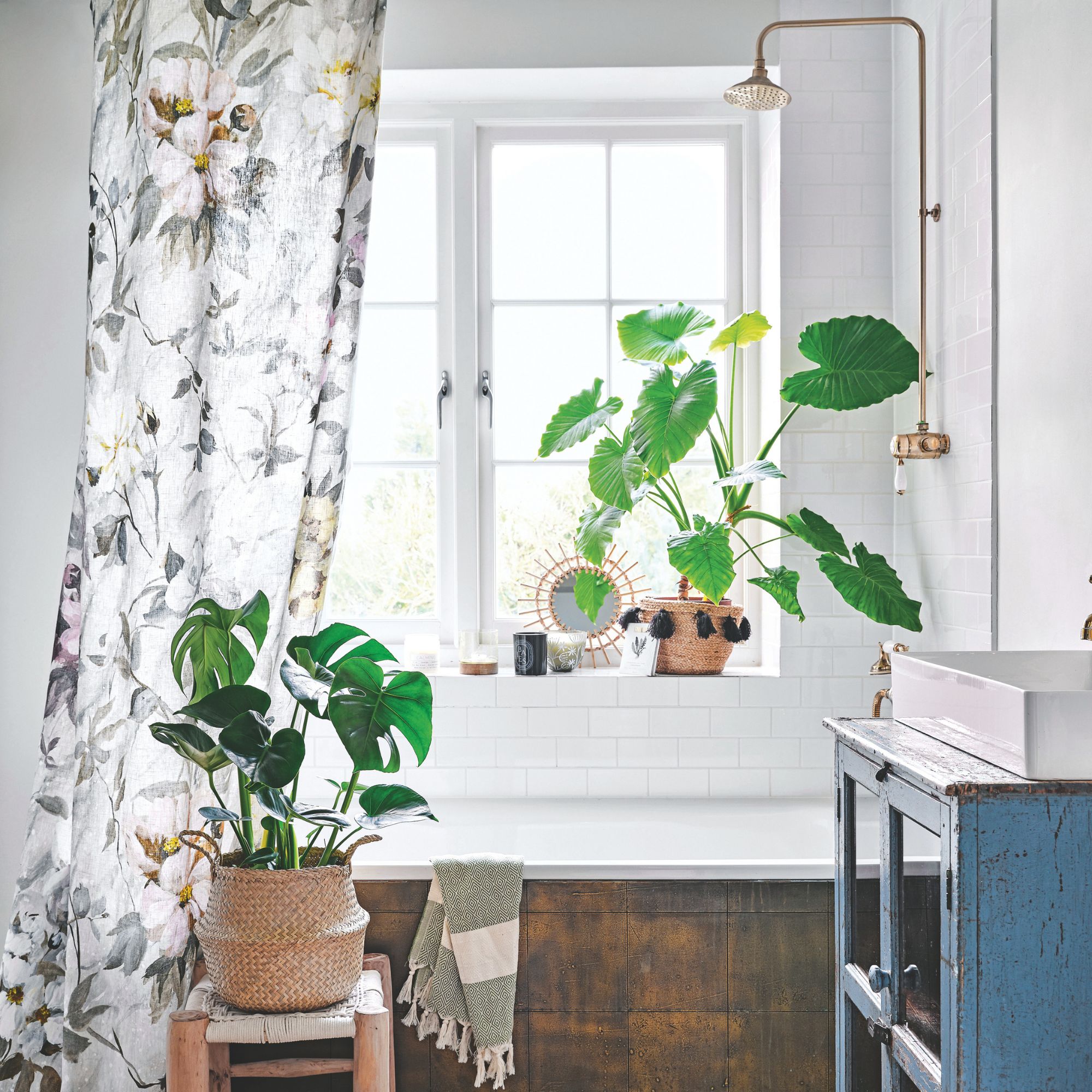
Breathing out as we sleep is a contributing factor to why condensation forms on windows overnight, too. Every day, humidity is hard to avoid, but there are a few things you can do to reduce it. You should avoid drying clothes on radiators and invest in one of the best dehumidifiers instead to speed up the drying process.
2. Single glazing
Another factor contributing to condensation forming on the inside of windows is whether you have single-glazing or not. Not only is single glazing less energy efficient, but it is also cooler to touch than double glazing, increasing the chance of condensation forming when warm air hits it. Of course, condensation can form on double-glazed windows, too, and you should take time to ventilate the room or use a dehumidifier.
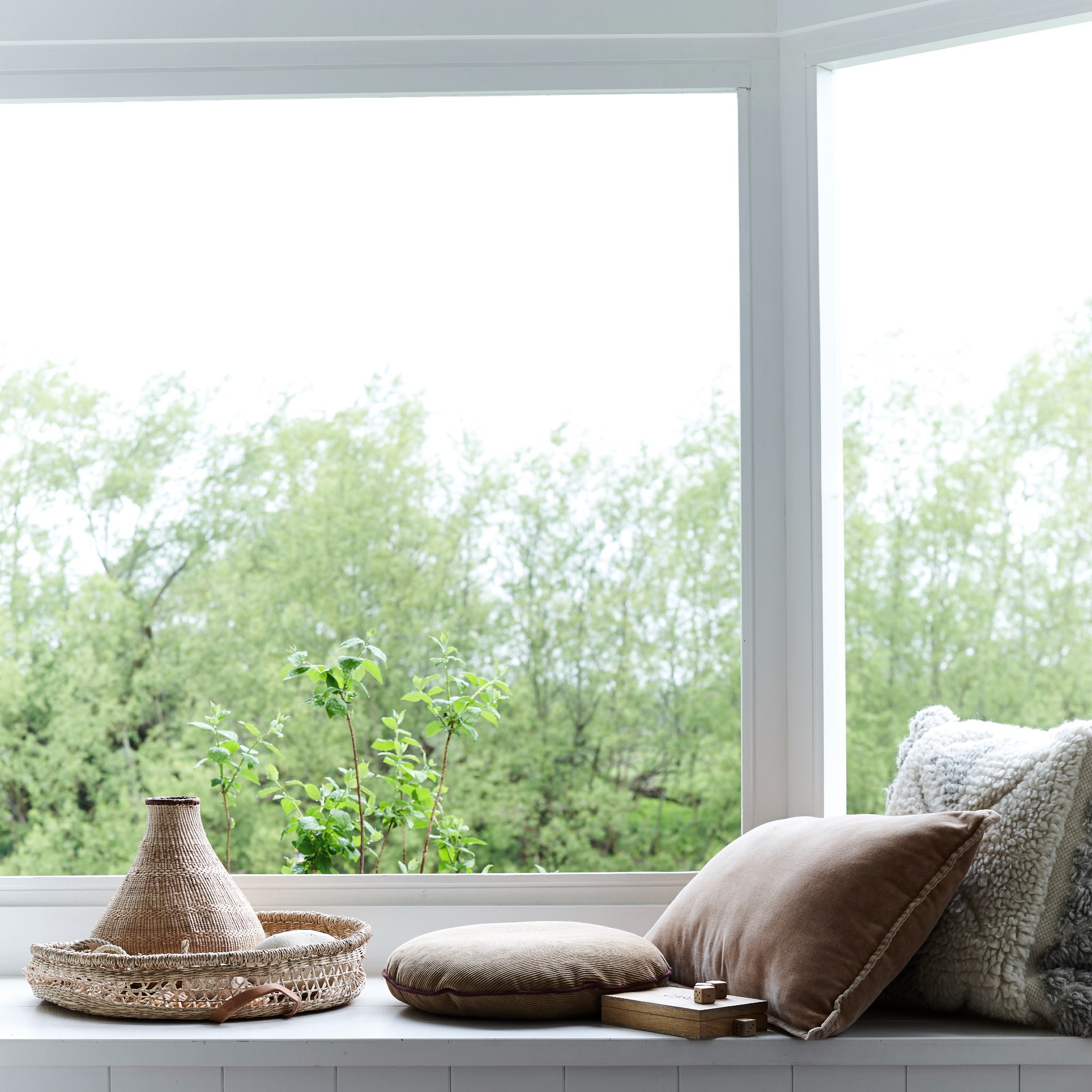
‘Single-glazed windows are particularly prone to condensation because they lose heat quickly, creating a colder surface for moisture to cling to,’ confirms Yvonne Keal, product expert at Hillarys.
3. Your home is too 'air tight'
‘Homes that are very airtight, while energy-efficient, can suffer from condensation because moisture has nowhere to go,’ explains Yvonne.
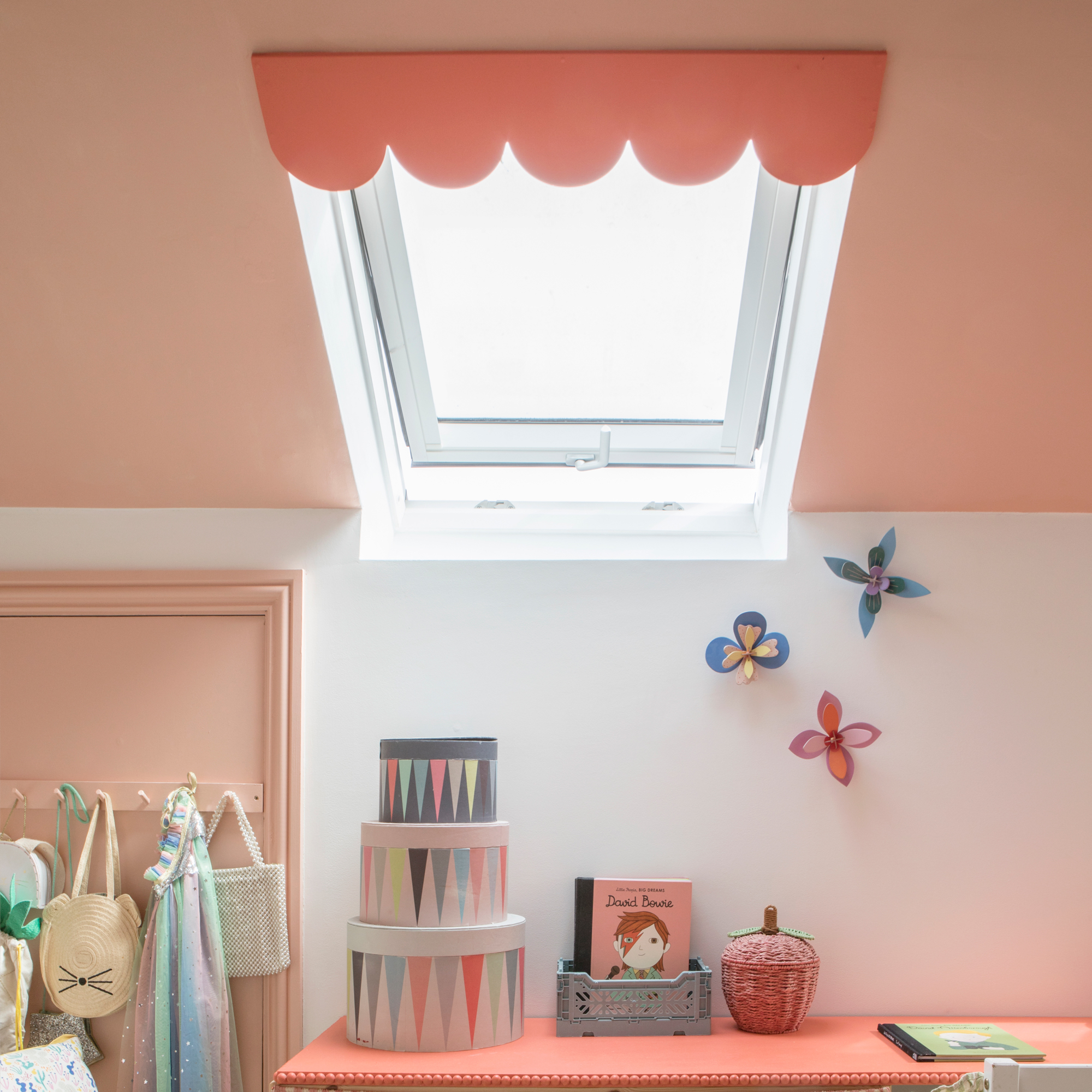
Ventilation is key to keeping your home condensation-free. While it may be tempting to trap as much heat in your home as possible, it can be helpful to ‘air’ your home when necessary.
The German principle of Stoßlüften is the practice of opening all the doors and windows in your home for 15 minutes in the morning to let the moist, warm air out, and let cool, dry air in.
You can also use a dehumidifier to suck excess moisture out of the air, so you don’t lose any heat.
How to stop condensation
The best way to get rid of an excess of moisture is to use a dehumidifier, and the Meaco one is the best we've tried. It is quiet, easy to use, works superbly and is very energy-efficient
I use this small moisture absorber and find it is very helpful at reducing the amount of condensation on my single-glazed windows. Plus, it lasts one to three months until it needs to be refilled.
A window vacuum is excellent at removing condensation from your windows in the morning. It's easy, mess-free and takes just a couple of minutes.
A lot of the time, condensation is inevitable, but understanding the different factors that cause it can help with your plan of attack to get rid of condensation.
.png?w=600)