To wallpaper or not to wallpaper? It's a transformative design detail that can truly bring a dull or forgotten room to life. However, throwing caution to the wind and slapping wallpaper somewhere without proper consideration or preparation can lead to a rather troublesome design mishap. Did you know that there are certain places you should never hang wallpaper?
Yes, even the best wallpaper trends in the most beautiful colorways don't always translate practically well to specific spaces. Alison Oliver, design director at wallpaper studio Fallingstar Studio, says, "Before deciding on a wallpaper, take the room's pulse — think of aspects like humidity, lighting, wall smoothness, and how much traffic the space sees." These factors will determine how well your wallpaper interacts with the room and the overall success of the final result.
Learning what spaces, places, and rooms in your home are better left un-papered is not just about preventing mistakes; "It's about placing the beauty of a stunning wallpaper design or mural where it can truly thrive," says Alison. So before you plaster up the wall, here are three places experts warn you should never hang wallpaper.
1. Steamy Bathrooms
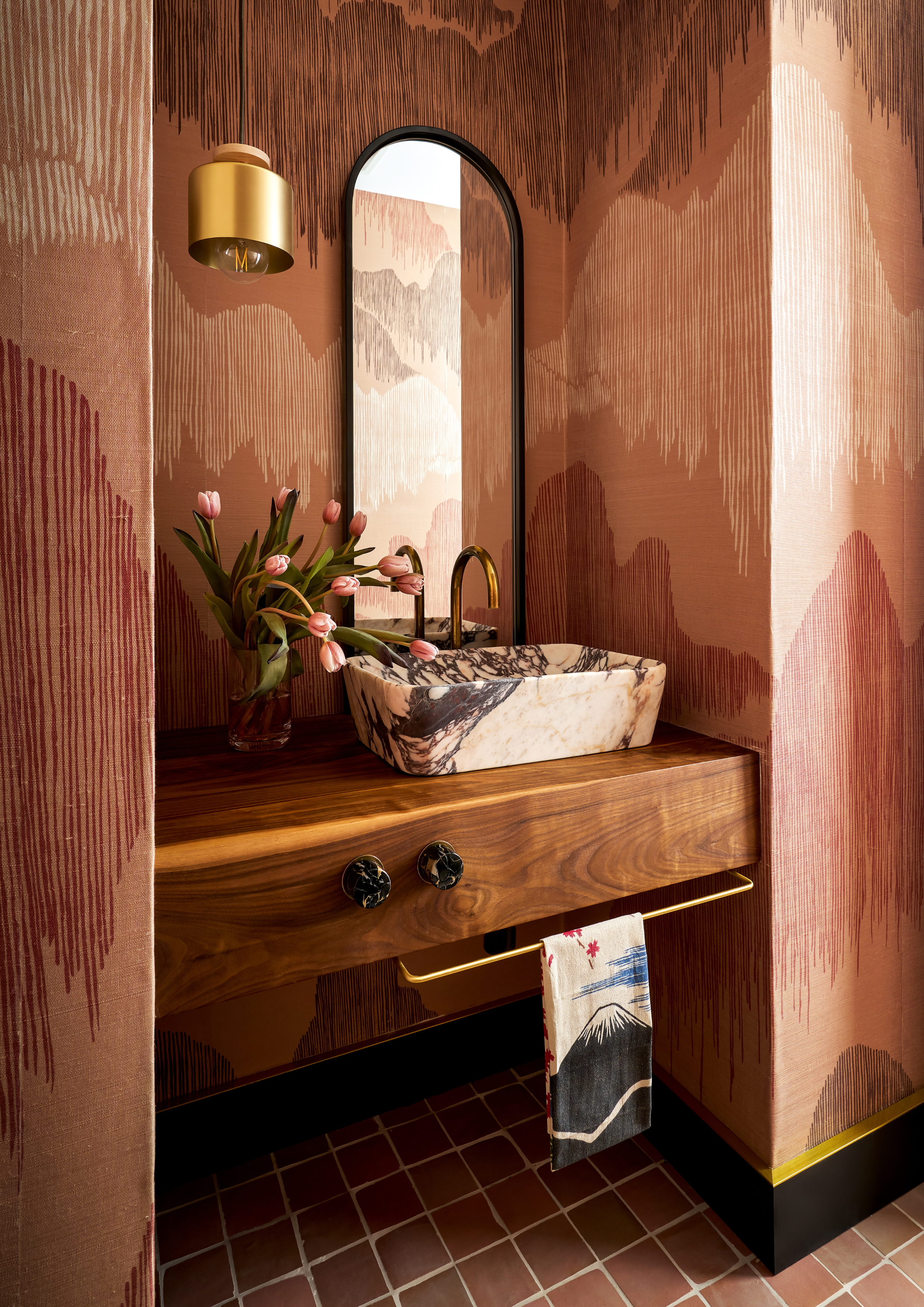
I'm sorry in advance to everyone currently planning bathroom wallpaper ideas. "Even the bravest wallpaper shouldn't live inside a very steamy bathroom with weak ventilation," warns Alison Oliver. This is because the dampness in bathrooms can cause wallpaper to peel and curl at the corners.
But if you're wondering whether you should wallpaper a bathroom at all, that's a different question. Powder room wallpaper ideas are not off limits. In fact, powder rooms can be a beautifully punchy place to handle more out-there print and patterns.
Powder rooms also tend to lack showers, meaning the humidity will be lower. So rather than being a space to steer clear of, powder rooms become a lovely moment to make a design statement.
In fact, the smaller size of these spaces is also a main reason for including bolder wallpaper colors or prints. "Suddenly, it feels like a private boutique," says Alison.
2. Uneven Walls
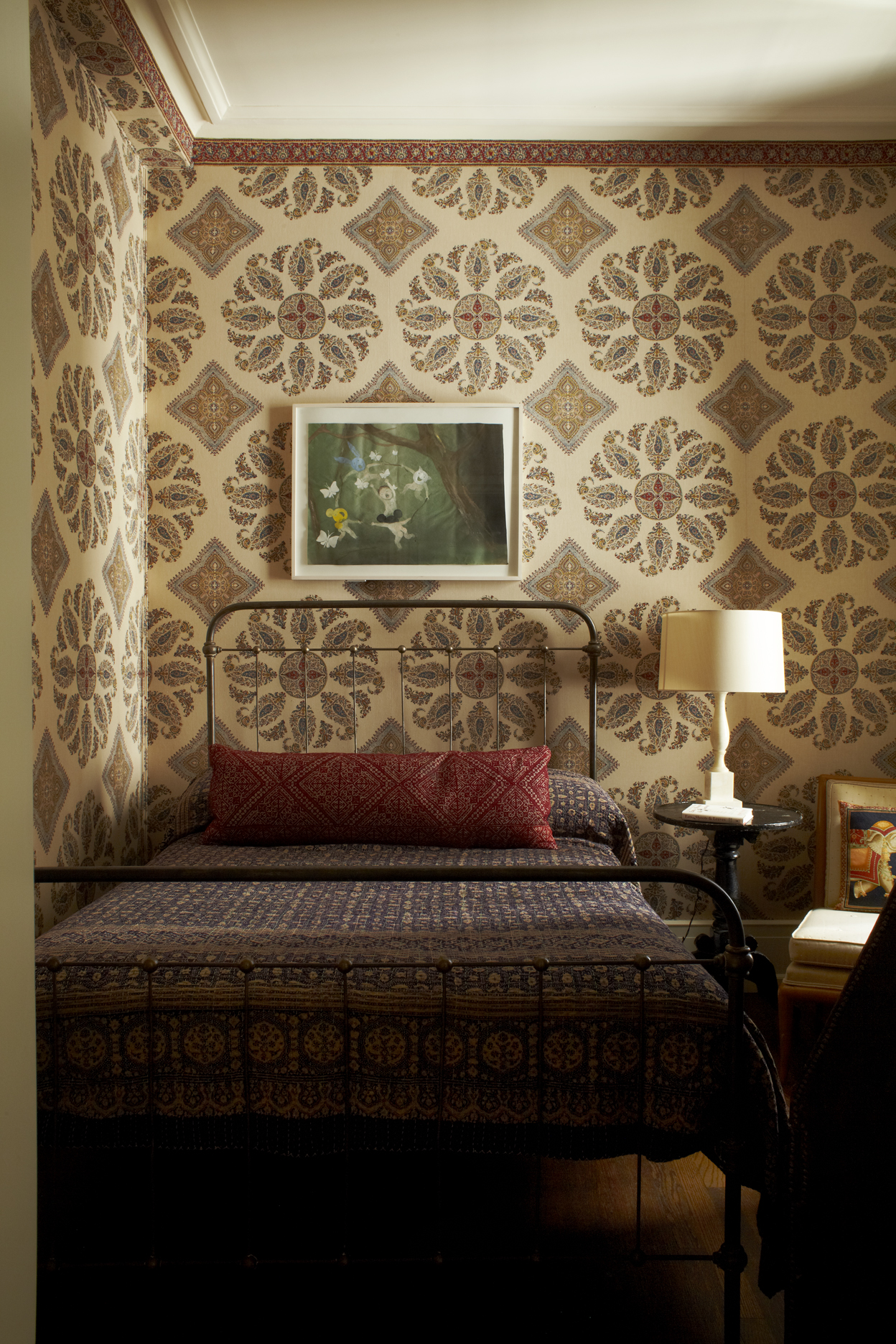
Anyone who has tried their hand at hanging wallpaper at home knows that the material and condition of the wall underneath will hugely affect how the wallpaper holds and the overall aesthetics. "Old plaster walls are the worst offender," says Alison. "They retain dampness and crumble like a haunted mansion."
To avoid the serious frustration of a peel-and-stick wallpaper DIY gone wrong, be sure to give thought to the wall you want to cover before you begin. Is this a wall that suffers from high moisture? Is it a soft or crumbly material (like plaster) that won't hold adhesive well?
Typically, smooth, clean walls are the best surfaces to work with. Painted drywall, wood, or even plaster can work if the room is temperature and moisture-controlled. But regardless of the wall, it needs to be clean, smooth, and properly primed for the best adhesion and outcome.
There are a few products you could use to smooth out an uneven wall, including Polycell Smoothover (available on Amazon) for chips, a sanding block (also on Amazon) for bumps, or even expanding foam filler (also on Amazon) for larger cracks.
3. Laundry Rooms
I know wallpapered laundry rooms are popular, but this is one space lead interior designer and co-founder of Decorilla, Joyce Huston, says to think twice about before putting wallpaper in, "especially if it's a poorly ventilated, smaller room."
Even if the airflow is good in your laundry room, "it's so easy to forget to open a window in a rush, and the high humidity from dryers and washing machines means the adhesive breaks down," explains Joyce. "You're then left with sad, peeling corners, leading to an upkeep that isn't necessarily worth it."
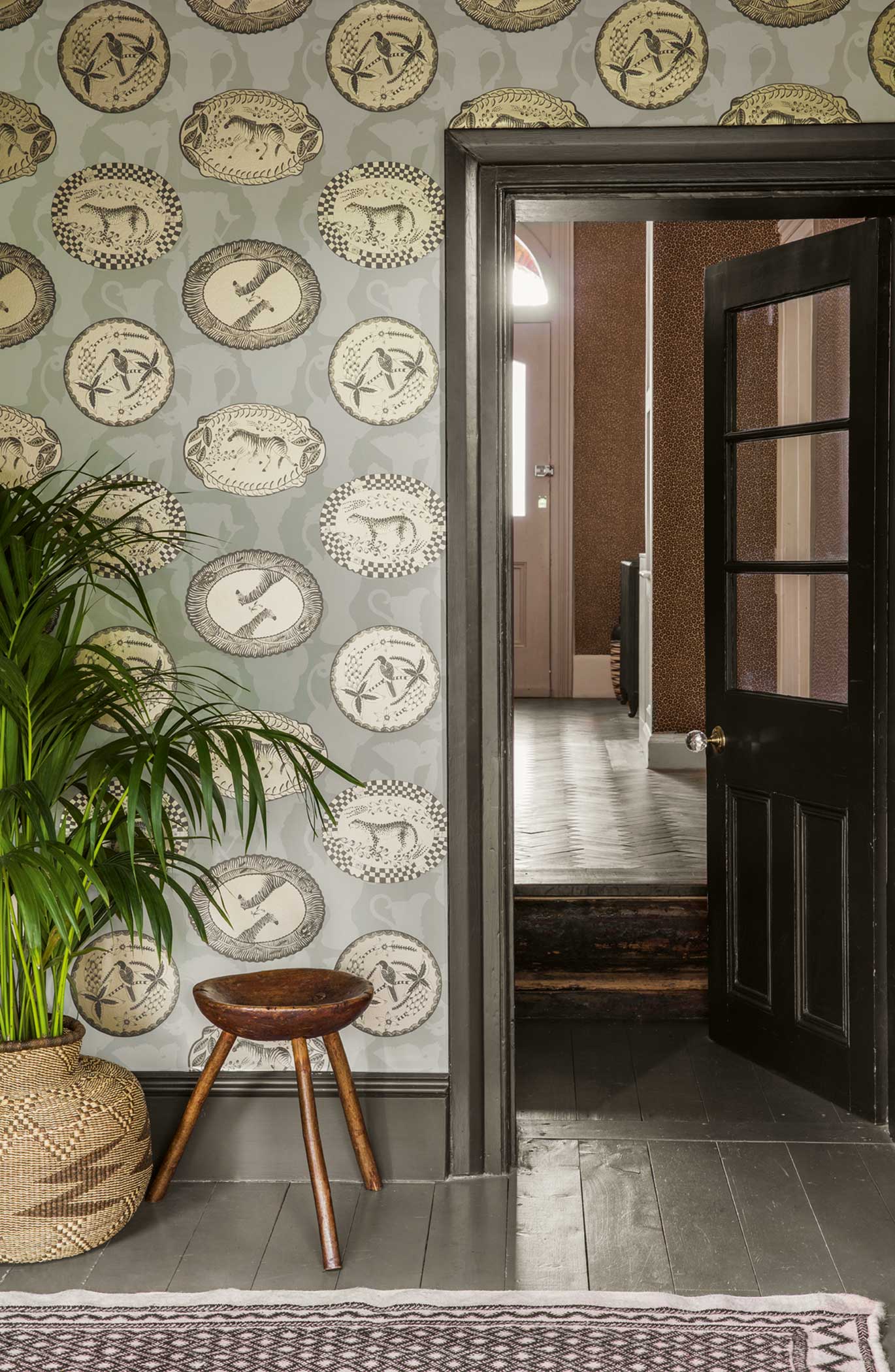
However, wallpaper can be a great way to spice up more mundane spaces in the home. Just save your favorite roll for an entryway, mudroom, or hallway wallpaper idea, as these areas are more conducive.
It's also not just about where, but the type of wallpaper you use as well. "Vinyl loves public spaces, kitchens, and children's spaces — grasscloth prefers low traffic, quiet elegance," says Alison. Deciphering what kind of paper is right for your space (and the best places to buy wallpaper) will ensure longevity and prevent any wallpaper hanging mistakes.
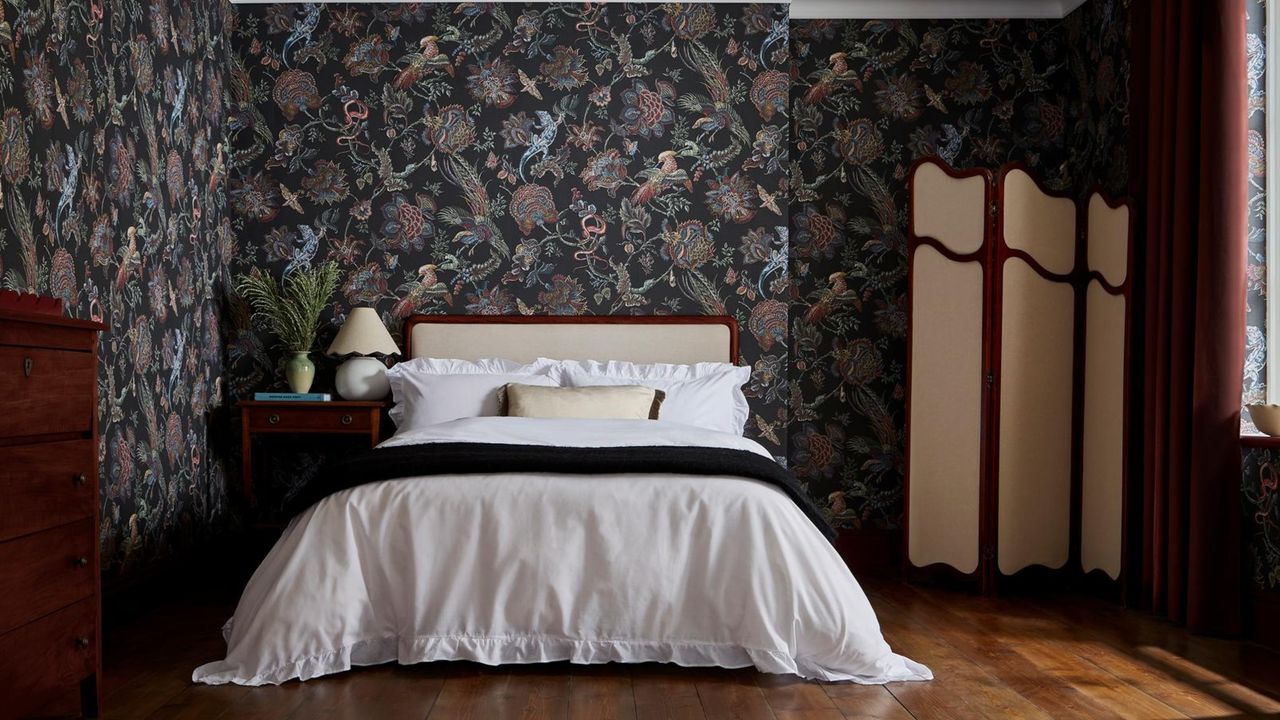
And remember, wallpaper should tell a story, not just be an afterthought addition. It belongs in rooms where people slow down: welcoming entryways to set the tone for the home, dining rooms with atmosphere, cozy bedrooms, and powder rooms that garner attention.