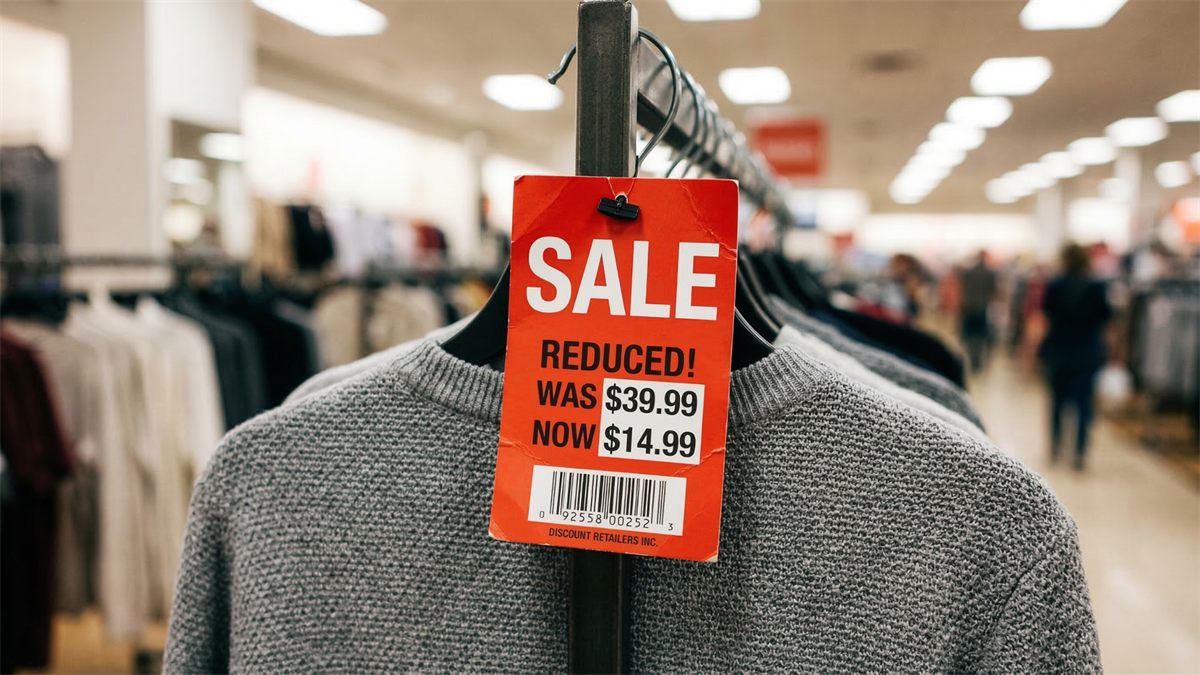
U.S. consumer spending has remained resilient, but there is a growing divide in who is spending and what they're spending on. In what many economists describe as a K-shaped economy, higher-income households have continued to prosper, allowing them to spend freely, while lower-income consumers have scaled back as elevated prices, lagging incomes, and rising debt have taken a toll. As many households look to trim expenses, shoppers are increasingly turning to discount chains and warehouse clubs to get more bang for their buck.
Over the past year, retailers such as TJX Companies (NYSE: TJX), Ross Stores (NASDAQ: ROST), Dollar General Corp. (NYSE: DG), and Burlington Stores, Inc. (NYSE: BURL) have benefited from this shift, and there may be further upside ahead. Many analysts remain bullish on these retailers, and if gas prices rise sharply due to the escalating conflict with Iran, it could further increase consumers' need to seek out bargains.
For investors looking to benefit from the shift toward a more price-conscious economy, three ETFs that provide exposure to value-oriented companies can be an effective way to participate in the trend.
XLY Offers Broad Consumer Exposure Plus Key Value Retailers
The Consumer Discretionary Select Sector SPDR Fund (NYSEARCA: XLY) provides exposure to retailers benefiting from shifting consumer spending while still capturing the broader consumer discretionary sector. The portfolio's fifth-largest holding is TJX, the company behind discount darlings TJ Maxx, Marshalls, and HomeGoods.
The 4% holding of TJX provides XLY investors with a meaningful way to gain exposure to the discount retail trend. TJX has risen more than 30% over the last year, and analysts remain overwhelmingly positive. XLY also has a 1.5% weight in discount retailer Ross Stores, which has surged more than 50% over the last year and is up 15% year-to-date, with analysts maintaining a bullish outlook.
It's important to note that XLY is not a pure discount retailer play. The fund is concentrated in a handful of consumer discretionary stocks across several industries.
The two largest holdings, Amazon.com Inc. (NASDAQ: AMZN) and Tesla Inc. (NASDAQ: TSLA), together account for roughly 40% of the portfolio.
XLY has a net expense ratio of just 0.03%, which is lower than the average 0.58% for consumer discretionary ETFs. This highly liquid ETF is currently trading around $115 per share, up more than 15% over the last year, though it's down nearly 4% year-to-date.
XRT Provides Diversified Exposure Across the Retail Sector
Investors seeking more targeted, less top-heavy retail exposure may prefer SPDR S&P Retail ETF (NYSEARCA: XRT). XRT provides broad exposure across the retail sector and is equally weighted, allowing mid-sized companies to have a greater impact on performance. The top 25 holdings each account for roughly 1.5% to 1.8% of the portfolio.
XRT holds a number of warehouse clubs, including PriceSmart Inc. (NASDAQ: PSMT), BJ's Wholesale Club (NYSE: BJ), and Costco Wholesale Corp. (NASDAQ: COST).
It also holds several discount retailers, such as Dollar General Corp. (NYSE: DG), Burlington Stores Inc. (NYSE: BURL), and Five Below Inc. (NASDAQ: FIVE). This ETF is highly liquid and has a net expense ratio of 0.35%, which is higher than XLY but still below the sector average. Over the last year, XRT has had a strong run, rising more than 15%.
However, it has slipped roughly 2% year to date and is currently trading around $83.
RTH Targets Retail Industry Leaders
For those interested in an ETF focused solely on retail, the VanEck Retail ETF (NASDAQ: RTH) may be a good option. RTH holds 25 large U.S. retail companies, many of which perform well when consumers become more price sensitive.
Some of the value-focused holdings include Costco, TJX, Ross Stores, and Dollar General. It's worth noting that the fund's two largest holdings, Amazon and Walmart (NASDAQ: WMT), account for nearly 30% of the fund, giving investors significant exposure to these dominant retailers that often gain market share as consumers become more budget-conscious.
RTH's targeted exposure to many of the sector's largest and most influential companies has worked in its favor, as it has performed the best in the bunch recently.
The ETF is up nearly 17% over the last year and about 3% year-to-date. It is currently trading around $260 per share. The ETF's net expense ratio of 0.35% is on par with XRT, though it's below the sector average. RTH is much less liquid than either XLY or XRT, trading around 5,500 shares per day.
Where Should You Invest $1,000 Right Now?
Before you make your next trade, you'll want to hear this.
MarketBeat keeps track of Wall Street's top-rated and best performing research analysts and the stocks they recommend to their clients on a daily basis.
Our team has identified the five stocks that top analysts are quietly whispering to their clients to buy now before the broader market catches on... and none of the big name stocks were on the list.
They believe these five stocks are the five best companies for investors to buy now...
The article "3 ETFs That Could Benefit as Consumers Tighten Their Budgets" first appeared on MarketBeat.