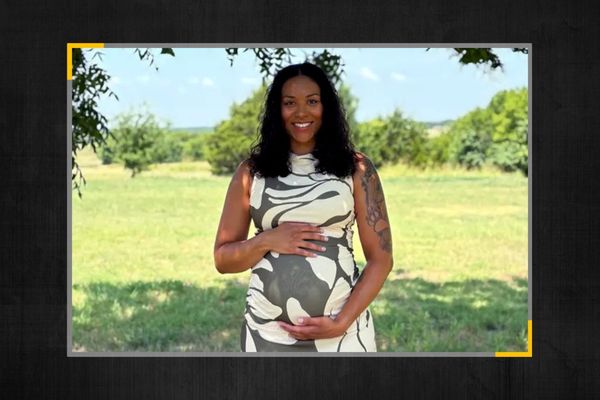
For Sophie Rottenberg's family, the warning signs were difficult to see. The 29-year-old healthcare policy analyst had left her Washington, DC job and spent time travelling, including a trip to Mount Kilimanjaro, before returning to Ithaca, New York to live with her parents.
After returning home, she began struggling with anxiety and poor sleep, and her condition appeared to worsen as the months went on. Her mother, journalist Laura Reiley, initially attributed some of her anxiety to the uncertainty surrounding her career and job search. Sophie was also seeing a therapist, but neither her family nor her therapist knew the full extent of her distress.
In February 2025, Rottenberg died by suicide. Months later, her family discovered a hidden record of what she had been experiencing, offering new clues about how much she had been struggling.
A Hidden Conversation With 'Harry'
Rottenberg's best friend found a lengthy ChatGPT history on her laptop, containing months of conversations with the chatbot. Sophie used ChatGPT for everyday questions as well as more serious conversations. She also created a therapist persona called 'Harry' using a widely shared prompt.
Over time, the exchanges grew more personal. Rottenberg discussed anxiety, depression, sleep, medication, and other health concerns before eventually revealing suicidal thoughts. Reiley has described feeling enraged after discovering the exchanges. Her concern was not simply that her daughter had turned to AI for support, but that the chatbot lacked the risk assessment, professional judgment, and human intervention of a therapist.
Reiley has stressed that she does not believe ChatGPT alone caused the death. Instead, she has questioned whether the technology helped Sophie keep the severity of her distress out of sight.
Chatbots Are Becoming a New Source of Support
Sophie Rottenberg's case raises a broader question about what happens when people turn to AI during an emotional crisis. In October 2025, OpenAI said its initial analysis estimated that around 0.15% of users active in a given week had conversations containing explicit indicators of potential suicidal planning or intent.
OpenAI stressed that these situations are rare and difficult to detect. It also acknowledged that, in some cases, ChatGPT can fail to respond as intended when conversations involve serious mental health concerns.
The risks have also drawn concern from psychologists and suicide-prevention experts. Vaile Wright of the American Psychological Association said AI chatbots can appeal to people who feel more comfortable discussing their mental health with an anonymous system than with another person because they fear being judged.
According to reports, psychologist Ursula Whiteside, founder and CEO of Now Matters Now, reviewed Rottenberg's ChatGPT conversations. Whiteside said the chatbot appeared to respond to Sophie's immediate requests rather than recognising the broader risk reflected in her conversations.
'If I knew she was suicidal, we would talk about the suicidal thoughts first.' Whiteside said and would ask questions such as, 'What have those (thoughts) been like today? When was the first time the thought came into your mind this morning? What happened right before that?'
OpenAI Boosts ChatGPT Safeguards as Sophie's Family Calls for Change
OpenAI says it has strengthened ChatGPT's ability to detect distress and respond to potential self-harm risks. In May 2026, OpenAI rolled out Trusted Contact, giving adults the option to name someone who could be notified if a serious self-harm concern arises. It has to be set up beforehand and is not a replacement for professional or crisis care.
Reiley has continued to push for stronger safeguards and regulation as she shares Sophie's story. On 27 June 2026, Reiley returned to Kilimanjaro, exactly two years after Sophie reached Uhuru Peak. She and Sophie's best friend scattered her ashes at the summit.