Of 37 Indians and Nepalis who were supposed to work as cooks at four restaurants in Tsukuba, Ibaraki Prefecture, 29 have had no records of working there and their whereabouts have been unknown, according to sources.
The 29 foreign nationals are believed to have passed themselves off as cooks to stay in Japan and illegally worked at different places. Under the residence status of "skilled labor," which is given to people such as chefs of foreign cuisine, about 40,000 foreigners worked in Japan as of the end of June 2019.
However, it is difficult to grasp the actual working situation of such foreigners after they entered Japan. The Immigration Services Agency believes that such "fake" cooks represent just the tip of the iceberg.
With Japan having expanded the acceptance of foreign workers in April 2019, the number of foreigners staying in Japan is expected to increase significantly. In such a situation, this case has shed light on the issue of conducting routine checks of foreign workers after they enter Japan.
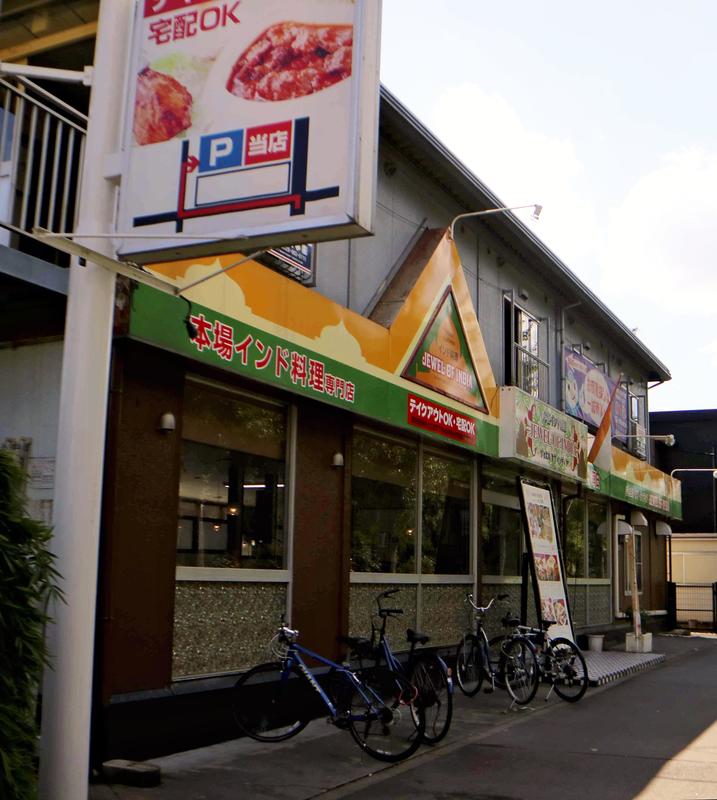
According to sources, a total of 37 Indians and Nepalis staying in Japan under the residence status of skilled labor joined three companies in Tsukuba and were supposed to work at four restaurants operated by the companies, such as an Indian restaurant and a ramen noodle shop.
Since the addresses of these restaurants were the same, among other reasons, the Tokyo Regional Immigration Bureau conducted on-site inspections on the three companies in March 2017 and found that only two restaurants of the four -- an Indian restaurant and a ramen shop -- were actually in operation and the remaining two did not exist. It was also found that only eight of the 37 people actually worked as cooks.
As for the 29 foreign nationals who had no work records as cooks, an Indian man, who was an executive officer at all three companies, served as a "mentor" and created false certificates of employment when these Indians and Nepalis entered Japan and when their visas were to be renewed, so that they could pass the screenings by the immigration bureau. The man gathered such "fake" cooks through word of mouth and received 100,000 yen as a fee each time, the sources said.
The Immigration Control and Refugee Recognition Law stipulates that the status of residence will be revoked if a foreign national illegally obtains a residence permit or is not engaged in activities related to his or her residence status for more than three months on a continuous basis.
For all the 29 Indians and Nepalis, the Tokyo Regional Immigration Bureau has already taken procedures to revoke their residence statuses or not to approve the renewal of their visas based on the law. However, when the bureau conducted inspections, their whereabouts were already unknown, and they might possibly still be in Japan illegally, the sources said.
The Indian man who served as a mentor has been deported to his home country as he admitted to the Tokyo Regional Immigration Bureau that he had conducted illegal acts. His wife told The Yomiuri Shimbun that she does not know anything about the matter.
Immigration screenings tightened
As for "fake" cooks, such a ruse is frequently detected in screenings before they come to Japan. Use of the tactic by Nepalis is especially notable.
According to sources, the number of cases, in which Nepalis apply for the resident status of skilled labor mainly as Indian restaurant cooks, began to increase from around 2015.
In areas of jurisdiction of the Tokyo Regional Immigration Bureau, the number of such applicants rapidly increased from about 900 in 2013 to about 2,700 in 2015. Among the tripled number in 2015, 90% were given permission to stay in Japan as workers.
An official of the immigration bureau said, "As the number of Indian restaurants in Japan is assumed to be about 2,000, it is inconceivable that the number of cooks would outnumber the restaurants."
Thus, since 2016, the immigration bureau has made screenings of application documents stricter. In 2016, 40% of about 3,300 applicants were permitted to enter and stay in Japan, but the rate fell to 7% of about 3,200 in 2017, and further to 6% of about 1,000 applicants in 2018.
To obtain the residence status as professional cooks, at least 10 years of job experience is required of the applicants.
However, there was a case in which an applicant claimed in his application form that he had worked in an Indian restaurant for 10 years in his country, but it was found that the restaurant had opened only several years before, the sources said. In another case, an applicant attached a photo to an application form claiming that he had it taken in front of a restaurant, but it was found to be a composite photograph.
As application forms are submitted by operators of restaurants who invite foreign workers, the immigration authorities believe that the false documents are prepared in Japan by brokers or others.
Read more from The Japan News at https://japannews.yomiuri.co.jp/