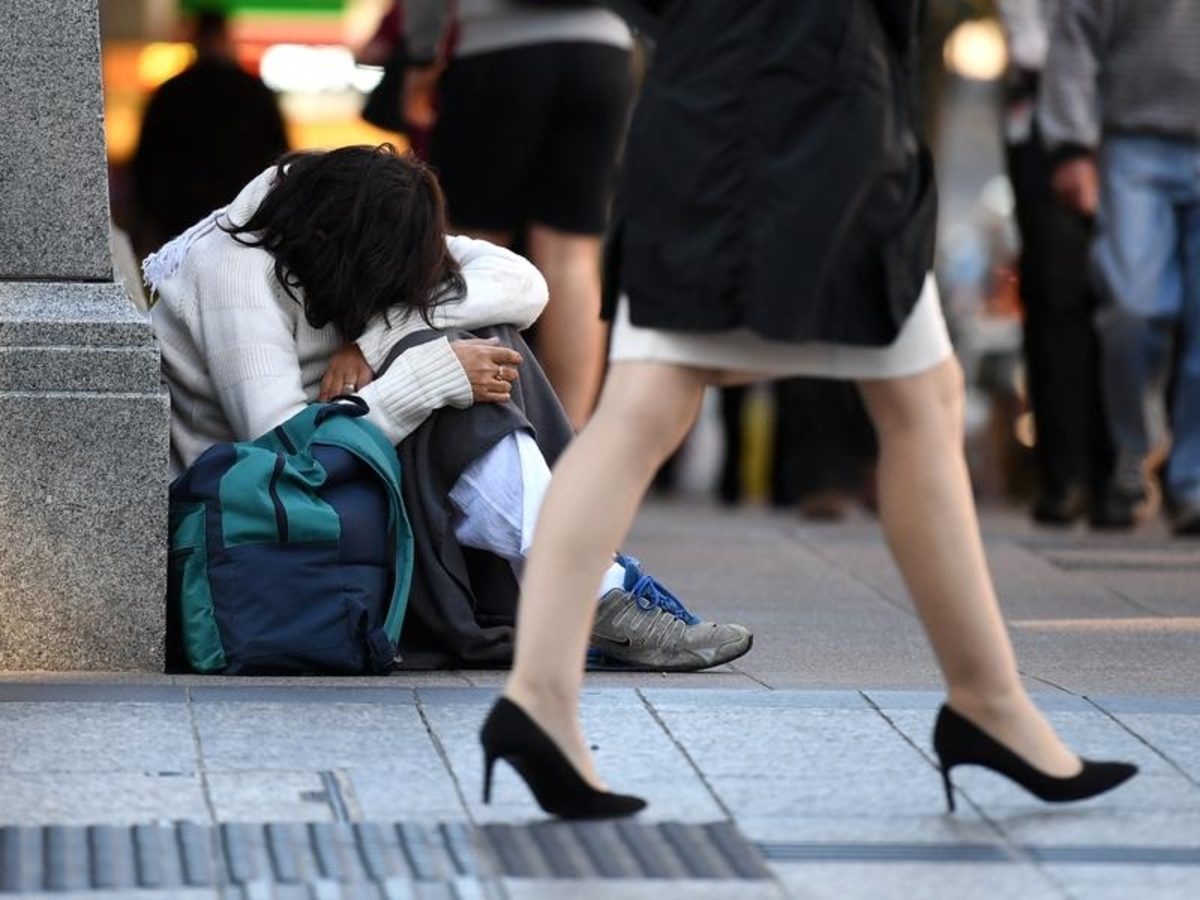
More than 278,000 Australians sought help for homelessness in the past year, but it may have been worse if not for JobKeeper.
The Specialist Homelessness Services annual report 2020-21 includes information from 1698 agencies that received government funding to help Australians experiencing, or at risk of, homelessness
Those services help people in a variety of ways, including accommodation, assistance to sustain housing, meals, showers or laundry facilities, counselling and general support.
Some presented while they were already homeless, while more than half sought support when they were at risk of homelessness.
Most were women and three in 10 were aged under 18.
One of the largest groups of people who needed help, were those who experienced family and domestic violence (42 per cent).
"People experiencing homelessness and at risk of homelessness are among the most socially and economically disadvantaged people in Australia," Australian Institute of Health and Welfare spokeswoman Gabrielle Phillips said.
"More than three-quarters of clients who had experienced family violence were female."
Aboriginal and Torres Strait Islander people also continued to be over-represented among those who sought support.
Specialist homelessness services have assisted more than 1.4 million people in the past decade, with the number of people needing help growing an average 1.8 per cent a year during that time.
That number dropped in the past year, with 2020-21 numbers lower than the 290,500 helped in 2019-20.
One of the reasons for this may have been people accessing services provided by other organisations as part of government responses to the COVID-19 pandemic, including the federal government's JobKeeper program.
NSW, Victoria and Queensland initiated measures to provide safe housing for homeless people and reduce the potential for community of transmission of COVID-19, including additional funding to homelessness support services and increased temporary accommodation.
South Australia reformed their sector entirely but also enacted a process for homeless people or those experiencing domestic violence to stay in a hotel/motel for the duration of any lockdown.
All other states also provided extra funding and support, including the Northern Territory who helped Aboriginal people return to their home communities from urban regional area under their Return to Country program.