What makes a meme relatable? According to the Meme Manifesto, it's the capacity to trigger shared memories, sentiments or a particular kind of humor. And no matter how much we'd like to be different and original, most of us have more-or-less the same experiences.
Therefore, our struggles can also be the same. And what better way to look at them through the lens of laughter than to scroll through some memes? That's why we're featuring the 27 And Tired Instagram page. It's an account with a wide array of relatable memes. Check out our selection and let us know your favorites in the comments!
#1
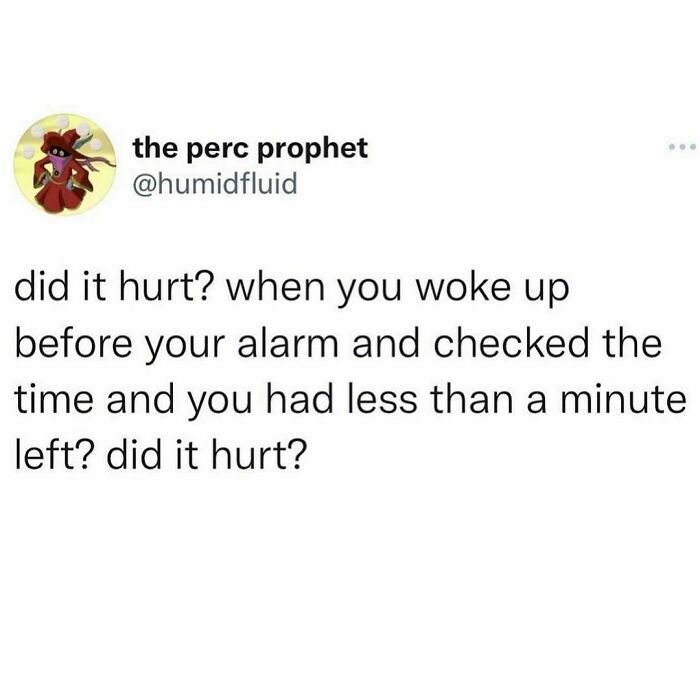
Image credits: 27_and_tired
#2
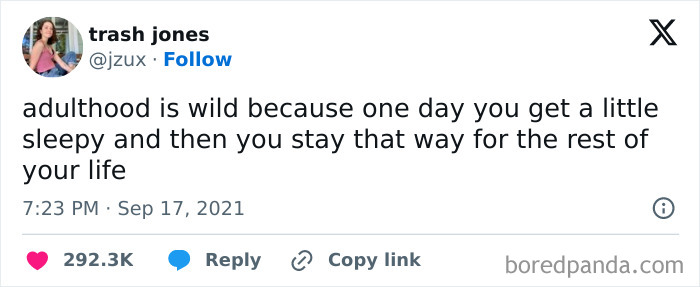
Image credits: 27_and_tired
#3
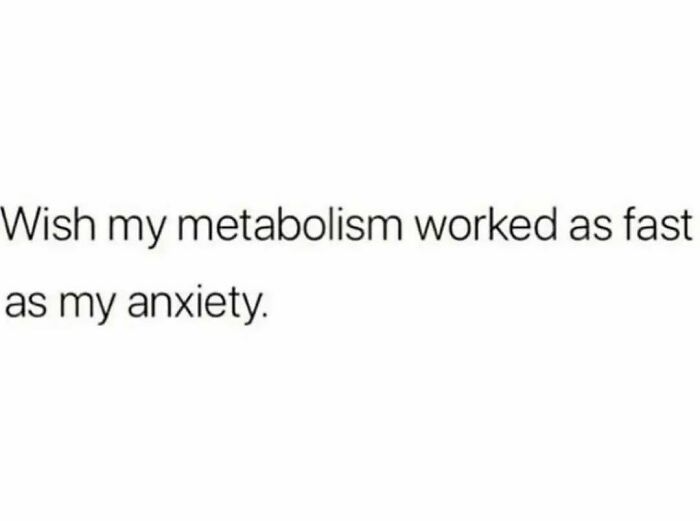
Image credits: 27_and_tired
You're not even 30 and are already feeling tired of life? Well, you're not alone. Natural disasters, modern wars, a global pandemic and a looming financial crisis could be reasons for sleepless nights for anyone.
In a 2021 global risks survey done by the World Economic Forum, young people name infectious diseases, livelihood crises and extreme weather events as critical threats to the world.
They also write that 80% of the youth across the globe are vulnerable to depression, anxiety and disillusionment. In fact, the Forum names the latter number eight in their immediate risks list on the 2021 Global Risks Report. Apparently, these risks could sap the potential out of an entire generation.
#4
Image credits: 27_and_tired
#5
Image credits: 27_and_tired
#6
Image credits: 27_and_tired
What the organization suggests is that young people need to build resilience. An EY and JA survey on work readiness, financial literacy, and entrepreneurship gives some insights into Gen Z's attitudes.
Many respondents felt optimistic about the future, finding meaningful work and addressing global challenges. Many imagine a dream career would be running their own business from the ground up.
What's most important is that young people want more experiential learning. Instead of education in a classroom, they say they want real-life work with professional mentors. That's where they can learn the key component of learning to be resilient – failing and trying again.
#7
Image credits: 27_and_tired
#8
Image credits: 27_and_tired
#9
Image credits: 27_and_tired
With the help of social media, we're up-to-date 24/7. However, experts say it can have detrimental effects on our mental health. Whether we call it "headline stress disorder" or "bad news fatigue," the essential problem is the same. We're having just too much trouble dealing with all the bad news in the world.
#10
Image credits: 27_and_tired
#11
Image credits: 27_and_tired
#12
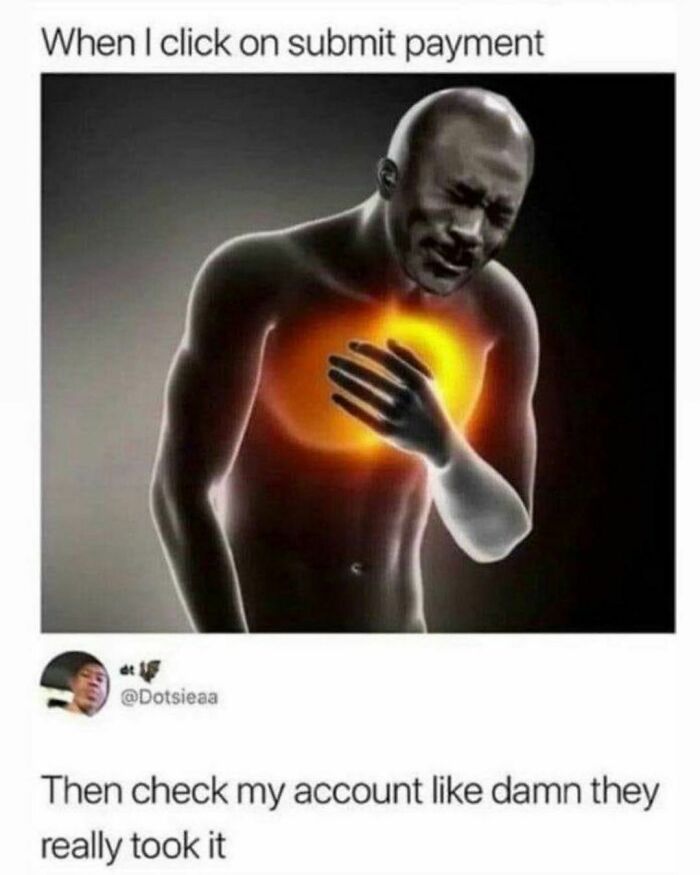
Image credits: 27_and_tired
Psychologist Steven Stosny, Ph.D., was the first to use the term "headline stress disorder" in a blog post for Psychology Today. "For many people, continual alerts from news sources, blogs, social media, and alternative facts feel like missile explosions in a siege without end," he wrote back in 2017.
Psychiatric nurse practitioner Heather Young told UPMC Health Beat that it's not a medical diagnosis. "But it can definitely lead to the equivalent of post-traumatic stress disorder," she added.
#13
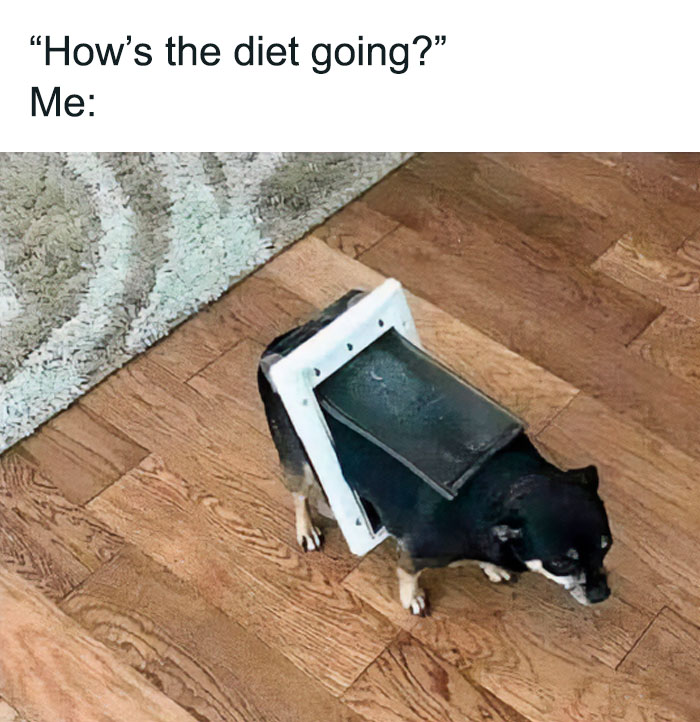
Image credits: 27_and_tired
#14
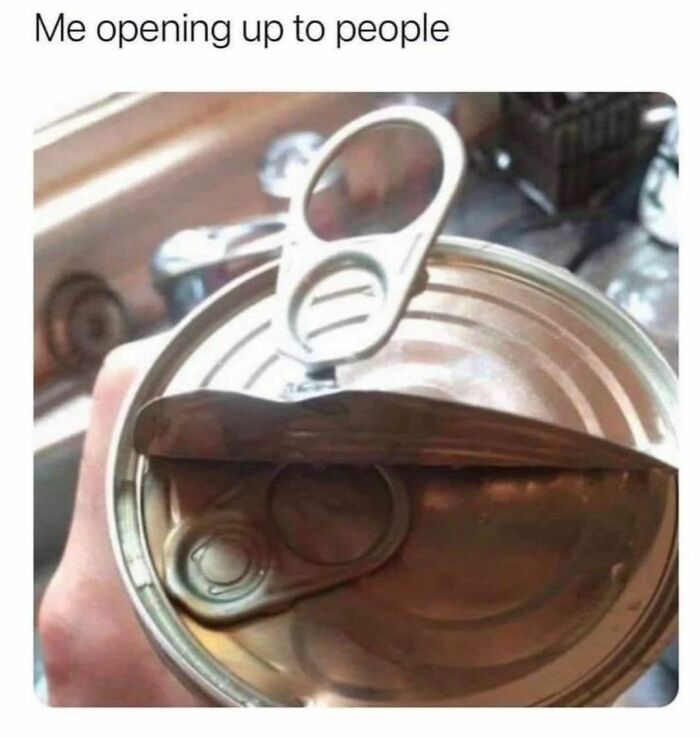
Image credits: 27_and_tired
#15
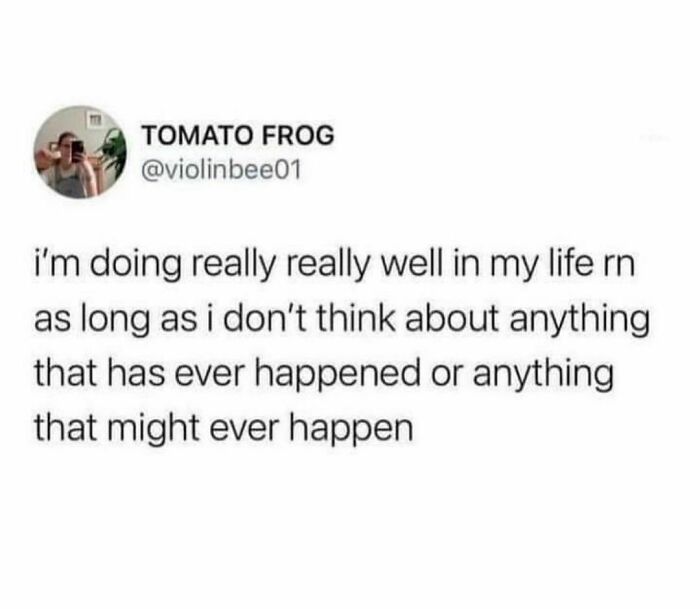
Image credits: 27_and_tired
How can we protect our mental health from the headlines? Heather Young suggests limiting your screen time and restricting social media. She suggests allowing just one hour of daily news, and that includes social media sites. If you still feel that's too much, try taking a day or a few days off entirely.
#16
Image credits: 27_and_tired
#17
Image credits: 27_and_tired
#18
Image credits: 27_and_tired
If you opt to tune out of the news cycle, don't feel guilty. Young says it might feel like you're part of the problem if you're not keeping up with the news. But keep in mind that you will hardly help anyone if you're constantly down from bad news fatigue.
#19
Image credits: 27_and_tired
#20
Image credits: 27_and_tired
#21
Image credits: 27_and_tired
You also might try to offset the bad news with good news. Heather Young told UPMC that nice things happen every day all around the world. Try visiting the Good News Network. Local news can also have fewer negative events and overwhelming stories.
#22

Image credits: 27_and_tired
#23
Image credits: 27_and_tired
#24
Image credits: 27_and_tired
Trouble at work doesn't help our mental health either. The youngest people in the workforce are already burnt out and exhausted, and they're only at the beginning of their careers.
One man named Matt, aged 24, recalled to the BBC how his motivation at work was at an all-time low. He said his job included lots of "repetitive and meaningless tasks" and he often didn't finish work until 3 AM.
#25
Image credits: 27_and_tired
#26
Image credits: 27_and_tired
#27
Image credits: 27_and_tired
Burnout is not an uncommon thing among other generations. A survey done by Visier in 2021 revealed that a whopping 79% of respondents in Britain say they have considered quitting due to feeling burnt out.
73% of the respondents of all ages felt more burnt out since the pandemic, and employees from 16 to 24 years old (80%) reported suffering the most
#28
Image credits: 27_and_tired
#29
Image credits: 27_and_tired
#30
Image credits: 27_and_tired
There is one thing young burnt-out workers can do. Asana's 2022 report showed that Gen Z'ers know how to recognize signs of burnout and are willing to talk about it with their managers.
Kim Hollingdale, a visiting assistant professor of psychology at California’s Pepperdine University, and a licensed psychotherapist specializing in burnout recovery, told the BBC that young workers might bring "greater attention to workplace wellness, and revolutionizing the work environment to prevent burnout for these employees and others."
#31
Image credits: 27_and_tired
#32
Image credits: 27_and_tired
#33
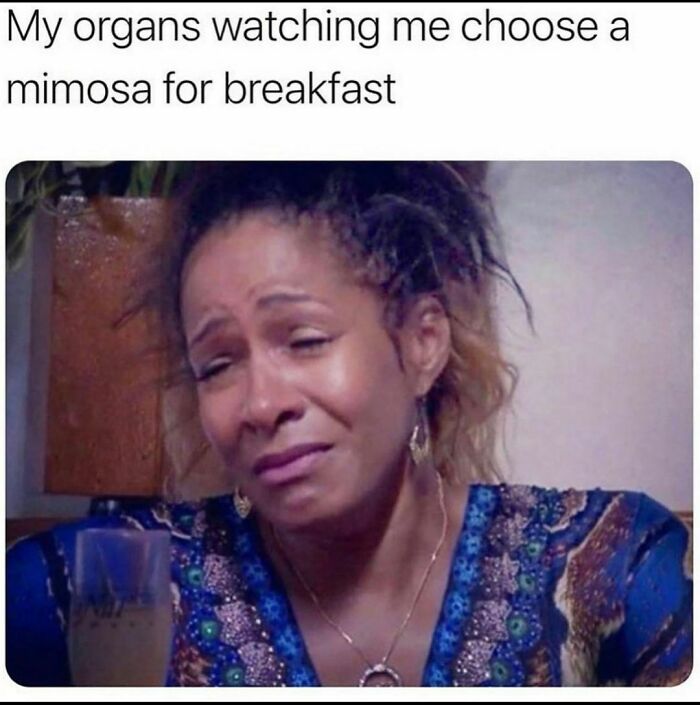
Image credits: 27_and_tired
#34
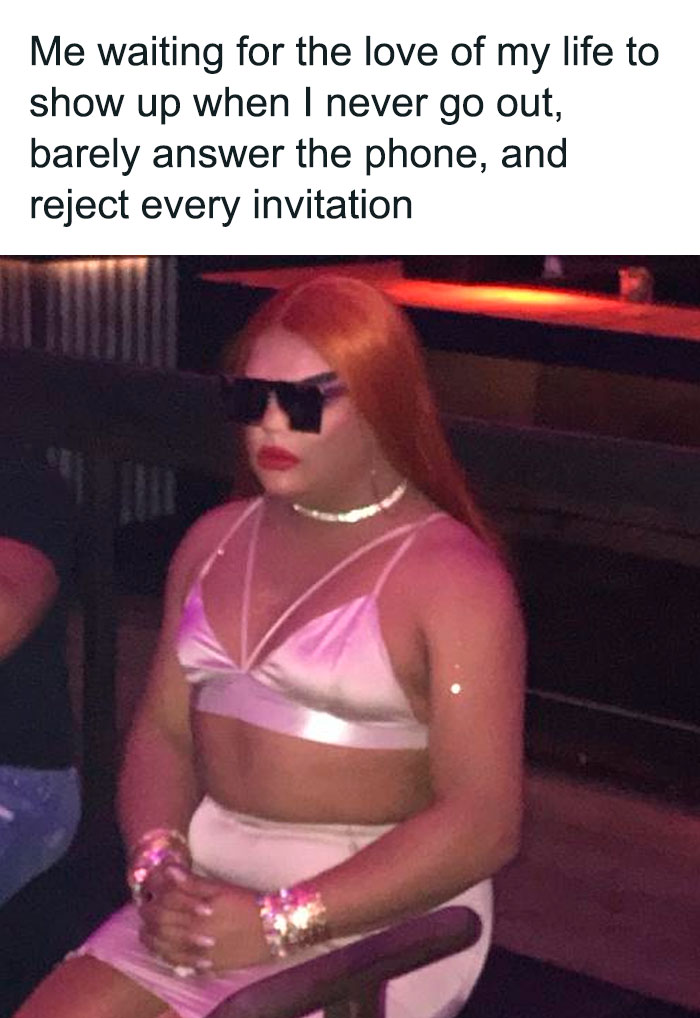
Image credits: 27_and_tired
#35
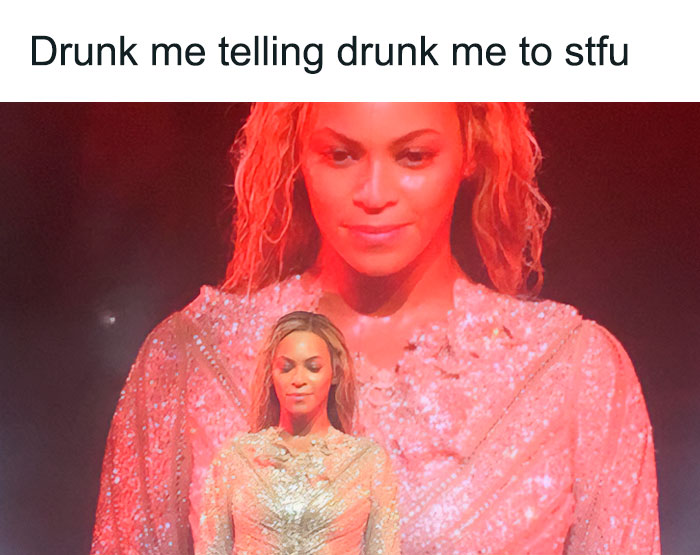
Image credits: 27_and_tired