
For most people, avoiding major economic stumbles — buying a car you can’t pay for, signing an apartment lease you can’t afford, investing in a home outside your budget — is relatively easy. You can see the danger coming and avoid it. The little things, however, are much harder to avoid because they’re easy to buy without even thinking about them.
Also See: 5 Ways ‘Loud Budgeting’ Can Make You Richer, According to Vivian Tu
Learn More: 10 Genius Things Warren Buffett Says To Do With Your Money
Over time, they can crush your bank account. As Emily Collins of Money for the Mamas told GOBankingRates, “These quiet recurring (purchases) are the most wasteful. Sometimes we don’t realize we had these expenses.”
Below are 25 such little purchases that can quietly wreck your budget if they continue unchecked.
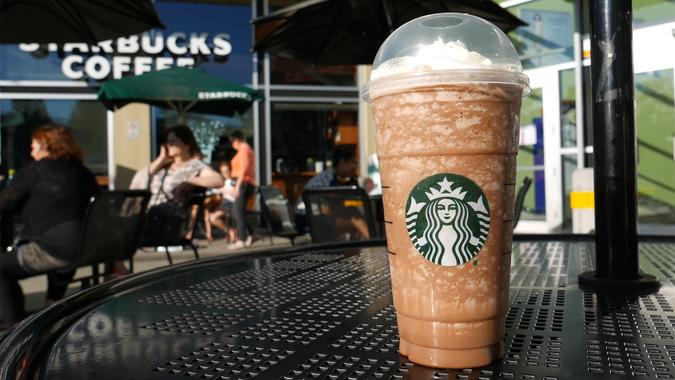
Coffee
“Spending money is often berated, and people are tired of hearing about it,” Melanie Musson, insurance and finance expert at Quote.com, recently told GOBankingRates. “However, when you spend $5 to $9 a day on coffee, the cost adds up, especially when combined with other seemingly insignificant purchases.”
Check Out: 6 Hidden Costs of Homeownership That Can Wreck Your Budget
See More: Here’s How to Build an Emergency Fund Without Blowing Your Budget
Online Food Delivery
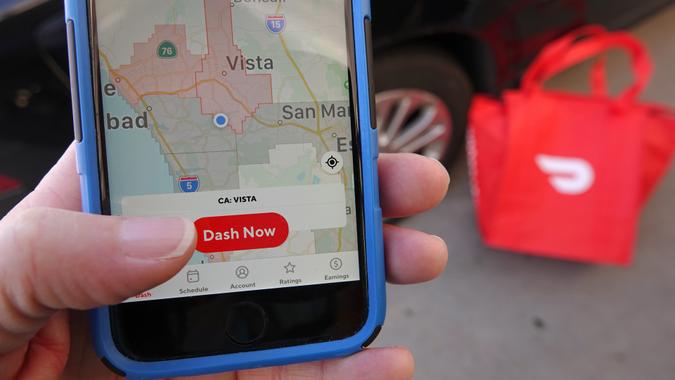
While companies such as DoorDash and Uber Eats are incredibly convenient, they are also riddled with extra delivery fees and taxes on top of the preexisting cost of whatever you’re ordering. Food deliveries can cost you between $20 and $50 per day and can easily spiral out of control because of their easy convenience.
Also Read: Here’s How To Fix Your Budgeting Problems, According to Kumiko Love
Fast Food
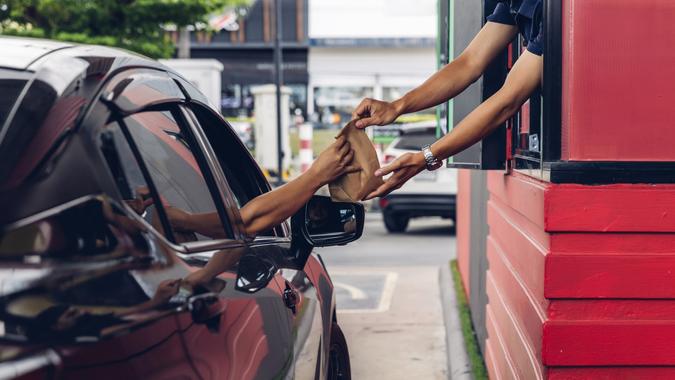
Even without the cavalcade of fees for online ordering and delivering, going to the drive-thru of your nearest fast-food joint can also add up very quickly. While fast food is an easy way to eat when life is hectic, the costs can spiral out of control.

Dining Out at Restaurants
While far healthier than fast food, restaurant fare is even more expensive than the nearest drive-thru; a few restaurants per week can quickly drain your bank account.

Drinks at Bars
As Musson explained, when ordering alcoholic beverages while dining out, “You can easily spend as much on drinks as you did on your meal. Be mindful of what you’re spending and limit yourself to one drink, which could save you quite a bit of money.”
Additionally, hitting a few bars over the weekend can hammer your wallet. Some folks, after a few drinks, stop keeping track of what they are ordering and then wake up to find a shocking number of drink charges on their cards.

Cigarettes
A pack-a-week smoking habit can cost anywhere from $300 to $700 a year. Meanwhile, a pack-a-day habit can spiral out to over $4,500 annually.
Find Out: 8 Smart Ways Frugal People Are Living Like There’s Already a Recession
Marijuana
Legalized marijuana doesn’t cost much less than cigarettes at this point. Additionally, while it sounds like a cliché, smoking pot also leads to heavy snacking, which then leads to even more excess spending.
Gas Station Snacks
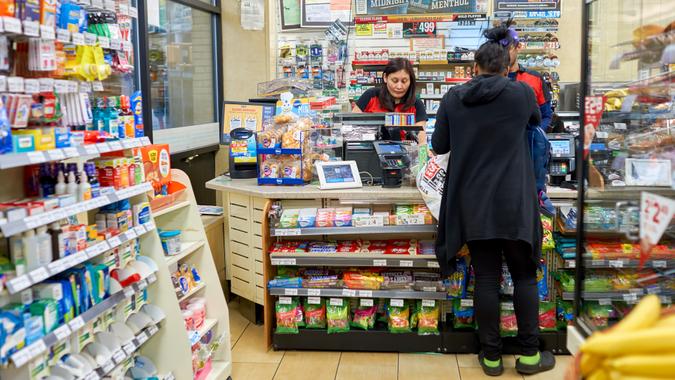
Speaking of heavy snacking, Musson said, “It’s OK to buy snacks, but when you impulsively buy snacks at gas stations, you overpay — and it might not even be healthy for you.”
Energy Drinks
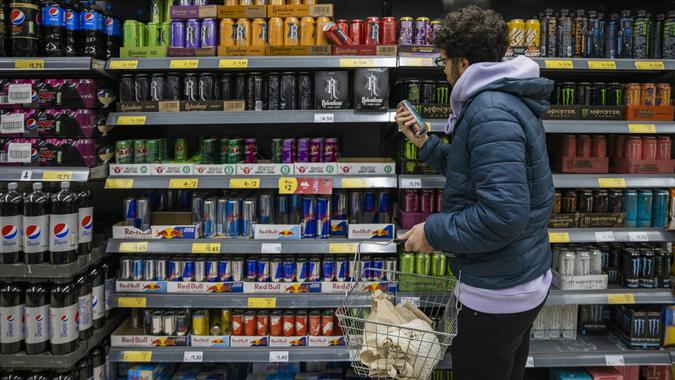
A common purchase at gas stations is pricy energy drinks. An average 8.4-ounce can of Red Bull costs between $2.50 and $3.00; at a few cans a day, those prices really add up.
Lottery Tickets
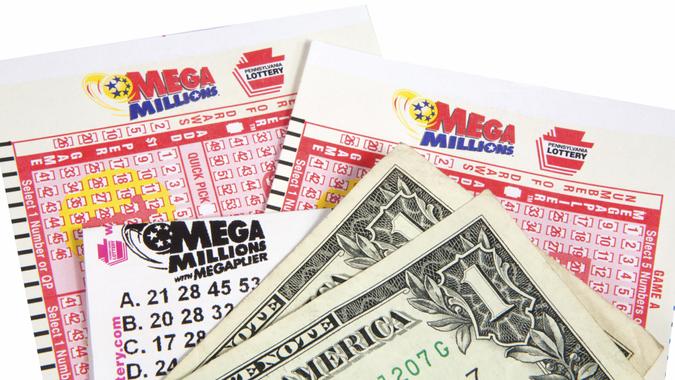
Just like energy drinks, lotto tickets are another item that quickly becomes addictive to purchase. Chasing money by spending money on lottery tickets pays off for very few people.
Discover More: 8 Frugal Habits Americans Are Ridiculed for — and Why You Shouldn’t Care

Unnecessary Clothes
“Of course, you need clothes,” Musson said, “but you don’t need to buy clothes every week. These small purchases add up. They also add to the amount of clutter in your house.”
Nails
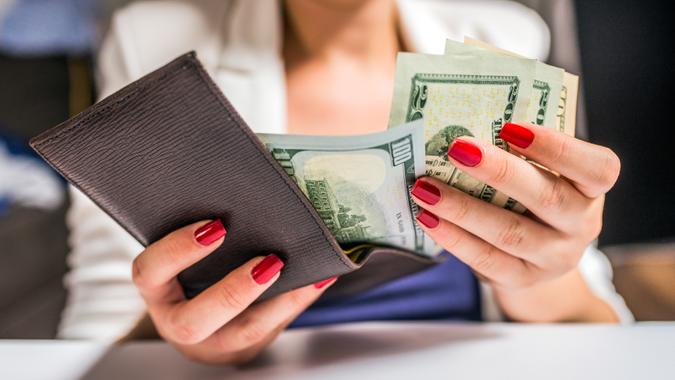
A manicure can cost anywhere between $23 and $33 per week — up to $1,700 per year. Having great-looking nails is indeed lovely, but it’s a costly expense that adds up.
Checkout Lane Items
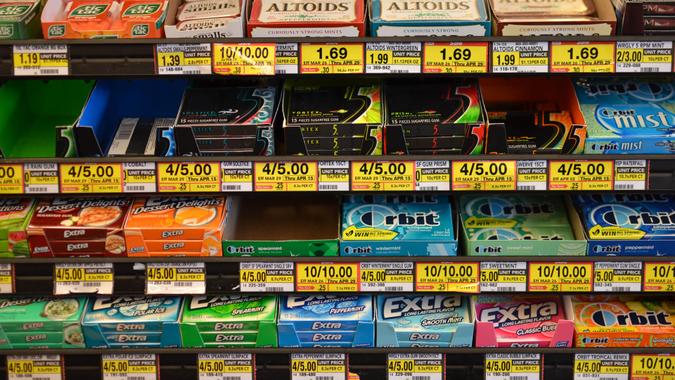
The items stocked around the checkout lanes at grocery and retail stores — candy, magazines, sodas and energy drinks, electronics and seasonal items — are designed to catch your eye and encourage impulse buying. Be strong in the checkout lane, though: It’s easy to veer from your shopping list and toss these items in your cart, but they’ll bump up your grocery bill in surprising ways.

Other Impulse Buys
Impulse buying can feel harmless, but it can ultimately derail your financial planning. Avoid searching for items on Amazon late at night or falling into a TikTok shop while scrolling. If you can’t avoid those stores, at the very least let your item sit in the digital cart for a few days — once the immediate need for the item passes, you may realize you never needed it at all.
Find More: Clever Ways To Save Money That Actually Work in 2025
Ride Shares
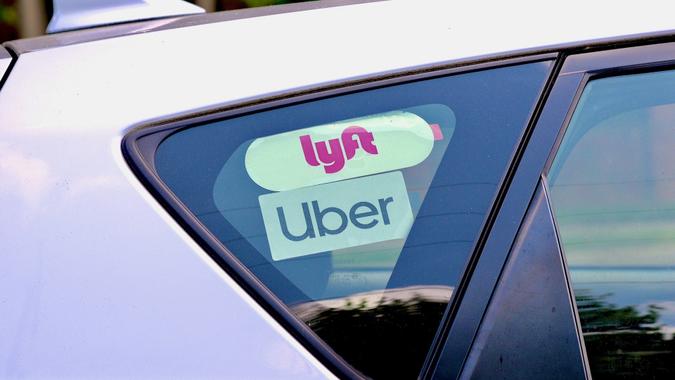
Much like online food ordering and deliveries, ride shares such as Uber and Lyft are indeed a major convenience — but they are also riddled with taxes, tip requests and extra fees.

Video Games
A video game can be a fun way to relax at the end of a hard day or week. That said, the price of new video games tends to run between $60 and $80. That’s a staggering amount of money for a potentially addictive buying habit that can quickly get out of control.

Going to the Movies
According to Cinemark, the average price of a movie ticket in America is $16. Additionally, snacks and dine-in theaters can add another $20 to $40 to your charges, making a trip to the movies cost as much as $60 per person.
Too Many Subscription Services
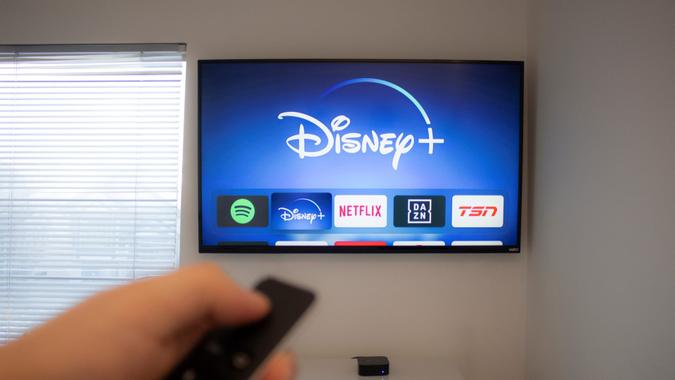
“A few subscriptions are beneficial,” Musson said, “but too many people have too many subscriptions. You may have even forgotten about some of the things you’re paying for, meaning that the monthly cost gives you no benefit.”
Further, Collins pointed out that many folks can simply be “too lazy to go through the cancel process” and discover that a number of unused subscriptions are wrecking their bank accounts.
Explore More: 9 Downsizing Tips for the Middle Class To Save on Monthly Expenses
Cheap Alternatives
Some folks will always opt for cheap products as a means to save money and actually overbuy while telling themselves they’re saving money. However, per money-saving expert Andrea Woroch, “Buying cheap products can cause major leaks in your budget because you may need to constantly replace these items and actually spend more in the long run.”
Peak Electric Power
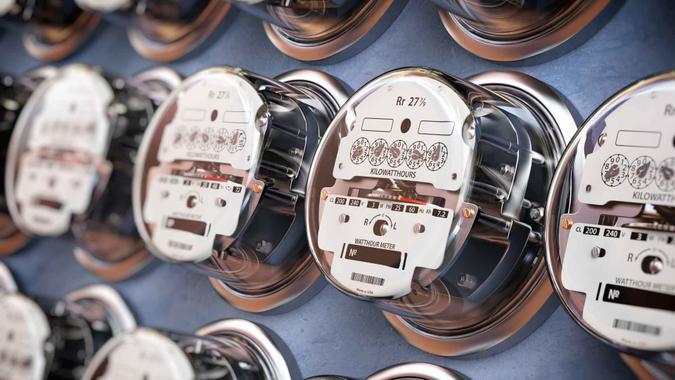
A number of electric companies utilize “time of use” billing, with power usage during “peak hours” costing up to 40% more than at other times of day. Viewing your electricity usage as individual purchases — e.g., not using your dishwasher or washing machine during peak periods — could help you save. Otherwise, you might end up with a shocking electricity bill at the end of the month.

Going Out With Friends
A healthy social life is a wonderful thing, but it can lead to excess spending. A good time with friends can be a simple hike or a deep late-night conversation; not every hang needs to happen at the bar or the coffee shop, where the temptation to keep spending is high.
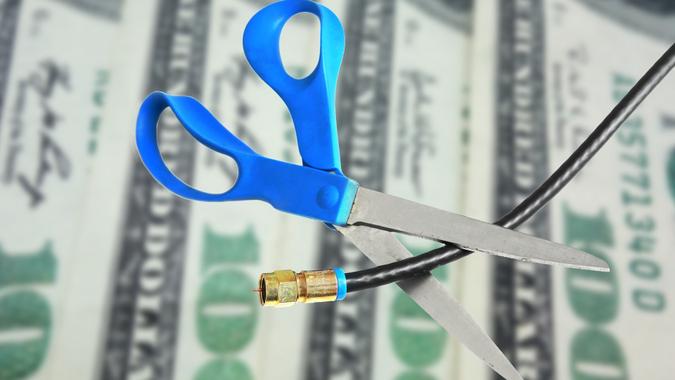
Cable TV
Thanks to streaming services with a la carte network packaging, paying for 60 cable channels when you watch just five or six regularly should no longer be a drain on your bank account.
For You: 8 Frugal Habits You Should Never Quit, According to Frugal Living Expert Austin Williams

Spoiling Loved Ones
The impulse to spoil and overspend on loved ones — especially kids and pets — can be very strong. But buying little treats every time you run an errand or make a small road trip can cumulatively derail your finances.

Bank Accounts
A number of banks attach fees for merely holding an account or fees for minimum-balance violations. If possible, pick a bank that assesses no fees and has no required minimum balance.
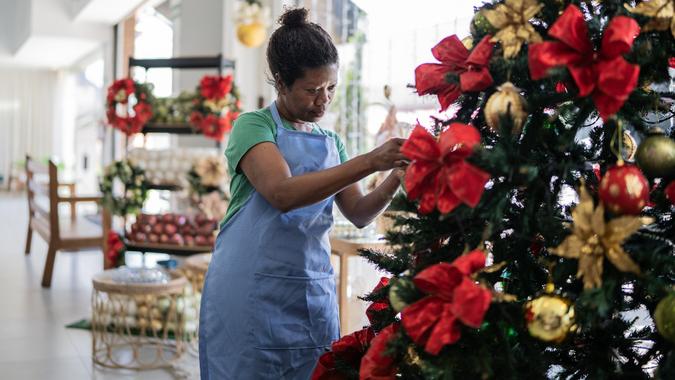
Seasonal Temptations
It can be very tempting to want to splurge on seasonal décor that feels inexpensive. Yet folks who end up going all out for Halloween decorations or end-of-the-year holiday trimmings can end up wildly overspending without realizing it.
More From GOBankingRates
This article originally appeared on GOBankingRates.com: 25 Little Purchases That Are Quietly Wrecking Your Budget