Imagine just going through life knowing that something about you doesn’t quite feel right. You feel like you sometimes lag behind your classmates and get different diagnoses from doctors that derail your whole understanding of yourself.
Well, that happened to Ashley Zambelli, a then-23-year-old mother, who only discovered her Down syndrome diagnosis after visiting an OBGYN, where she found out that three of her four children had tested positive for Trisomy 21. Her entire life changed for the better, but the discovery was a lengthy, emotionally charged process that she shared on TikTok, so let’s take a look at how it unfolded.
More than ever, adults are receiving late diagnoses, but Down Syndrome isn’t normally one that’s discovered later in life

Ashley Zambelli lived her whole life knowing she felt different, but for years doctors believed she could have Lupus, like her father
Zambelli’s life was completely turned upside down during her fourth pregnancy. The influencer is the mother of three kids. And out of her four pregnancies, three resulted in children with Down Syndrome. However, it wasn’t until her fourth pregnancy that doctors noticed there could be something in Zambelli’s genetic makeup that could potentially be passed on to her children’s DNA.
And they were right. When the influencer became pregnant for the fourth time, her OBGYN diagnosed the baby with Trisomy 21. This came as a surprise, as she had already had two pregnancies that tested positive for the genetic mutation — one of which resulted in a missed miscarriage. As a result, the medical professional decided to run a number of tests to determine the reason behind the children’s positive diagnoses.
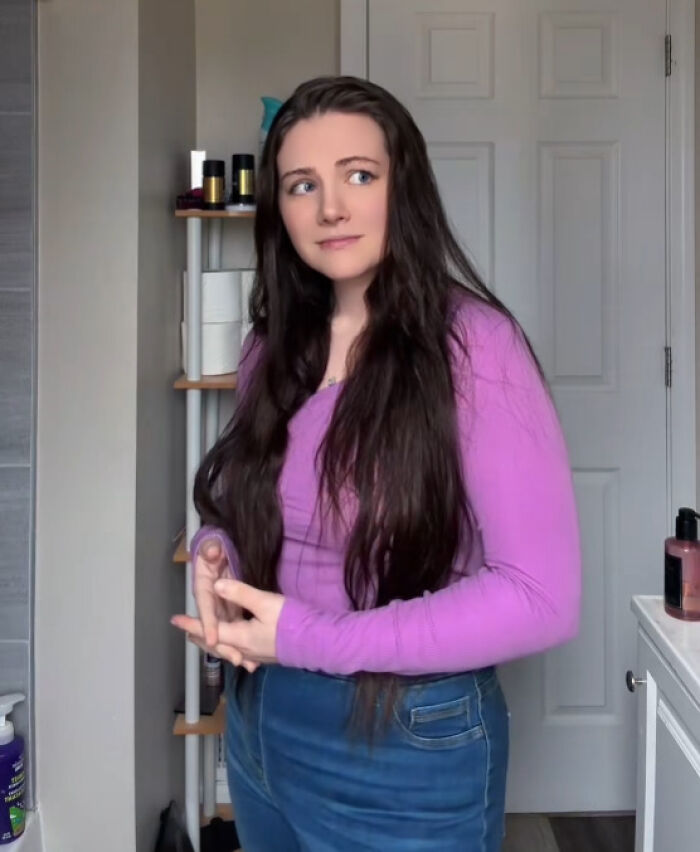
But when she was pregnant with her fourth child, her OBGYN realized that three out of her pregnancies resulted in positive identifications of Trisomy 21
The Michigan-based TikToker simply assumed she had a higher chance than others, but to her OBGYN, this was a first. She ended up taking several tests, but they all proved fruitless. Her doctor wasn’t convinced, though, and that’s when she advised Zambelli to do a mouth swab specifically designed to determine whether someone has Down Syndrome. And that’s when she got the news: she had Mosaic Down Syndrome.
While for many, this news would have come as a shock, Zambelli found it freeing, immediately cheering when she was told her diagnosis. In an interview, she mentioned that she felt so relieved because she believed she would be able to understand her children better than anyone else and how their brains process information. “It takes me longer to process things too,” she said, “so I can just relate with them a little better.”
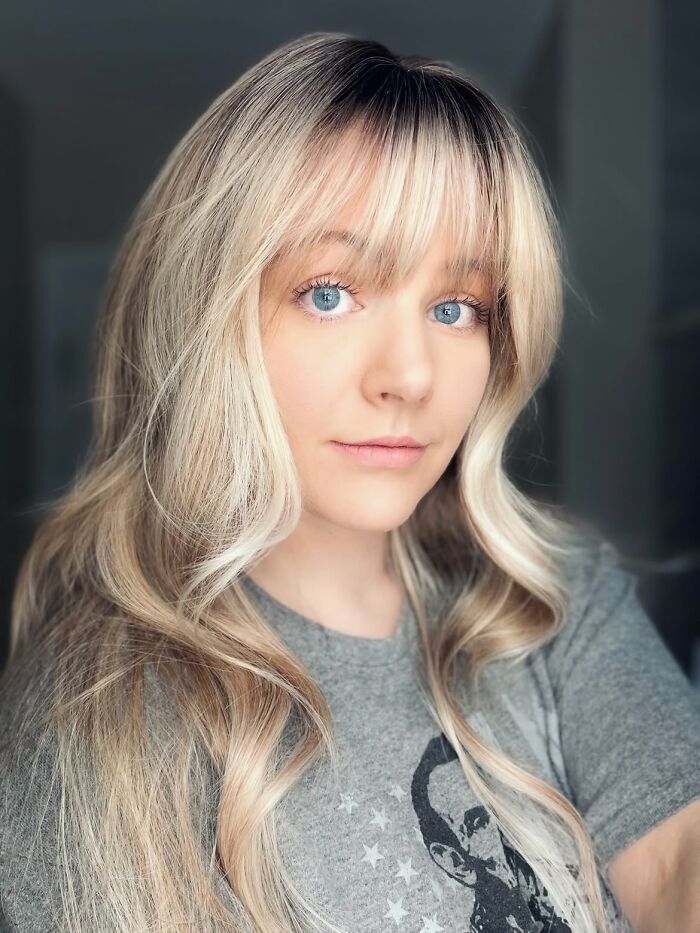
The influencer then underwent a series of tests that finally diagnosed her with a rare type of Down Syndrome called Mosaic Down Syndrome
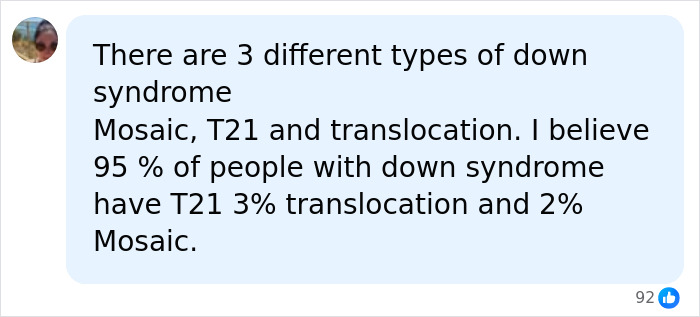
It’s not by chance that the influencer had a belated diagnosis. Mosaic Down Syndrome — the variant Zambelli has — is incredibly rare. The Down Syndrome Association estimates that this variant specifically represents only 2% to 4% of all cases in the United States. But in reality, that number could be much higher than anyone can actually predict for a variety of reasons.
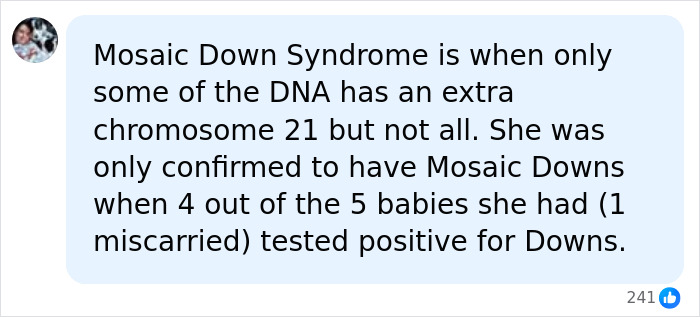
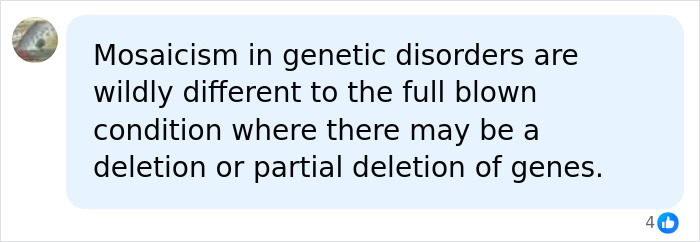
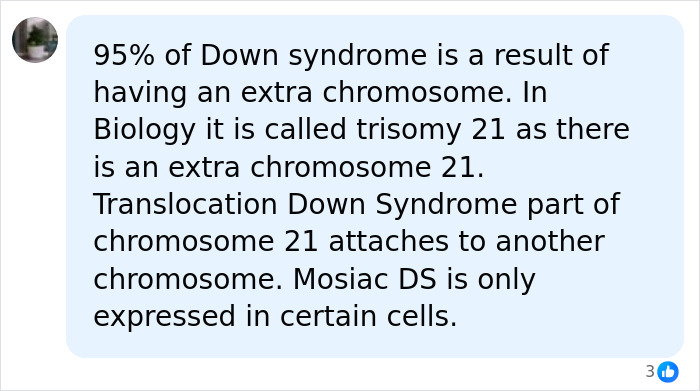
This is because experts explain that Mosaic Down Syndrome gets its name from a blend of genetically different cells throughout the body. So while people with typical Down Syndrome have an extra copy of chromosome 21 in every cell, Mosaic Down Syndrome is characterized by only some cells having the extra copy. Another big difference is that typical Down Syndrome occurs before fertilization, whereas Mosaic Down Syndrome occurs shortly after fertilization.
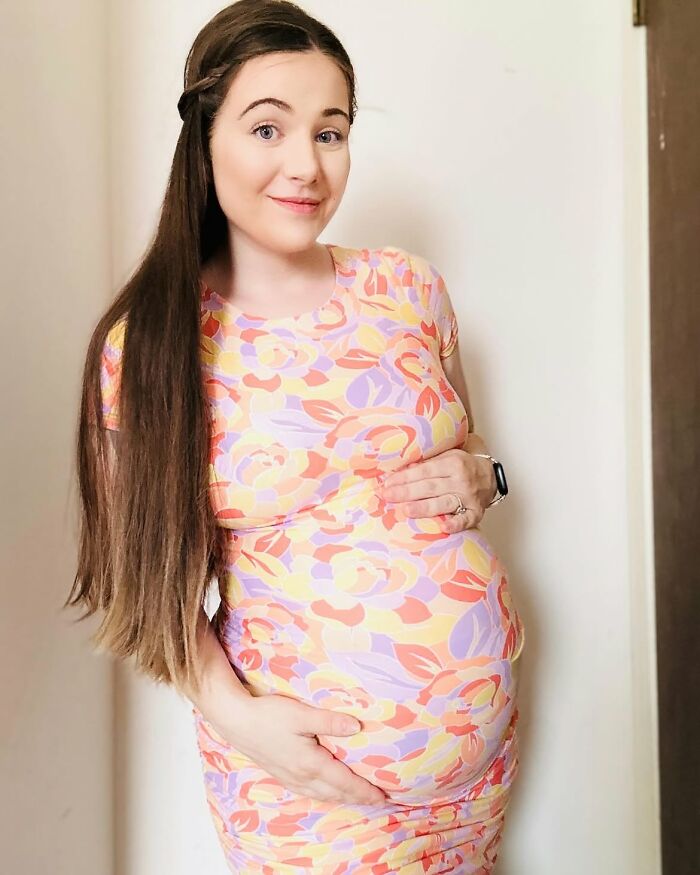
While these explanations may not mean much, the condition manifests visibly. Whereas Trisomy 21 has physical and cognitive features that make it distinct, such as facial features and heart defects, and typically affects the whole body, individuals with mosaicism typically have fewer of these traits, which may be far less pronounced. This can make the condition harder to diagnose, which is why researchers believe the number of people with Mosaic Down Syndrome may be much larger than we think.
In Zambelli’s case, the only reason she discovered she had the genetic mutation was that her own children were diagnosed with Down Syndrome. Otherwise, it may have gone unnoticed. Ultimately, though, the diagnosis brought her peace and closure, as she finally understood what was going on with her body. Now, she feels closer to her children than ever before. So, did you know about this variant of Down Syndrome, Pandas? Let us know below.
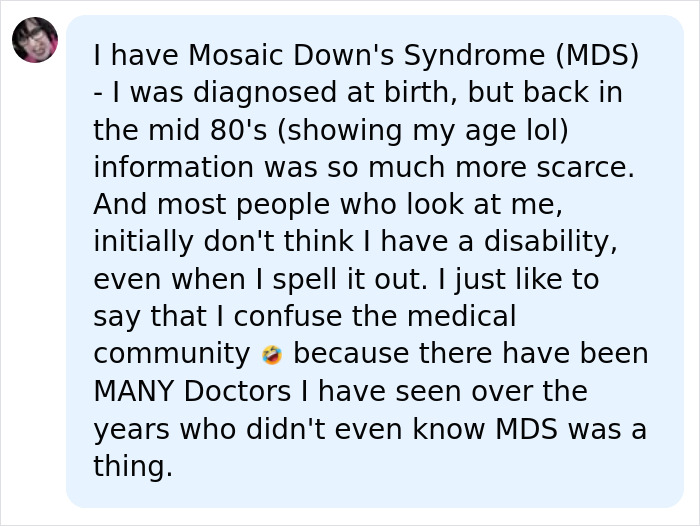
Readers pitched in on the late diagnosis, and this is what they said