
The upward trajectory and growth of women’s soccer means the 11th iteration of FIFA’s Women’s World Cup in 2031 will undoubtedly be the grandest in the tournament’s history.
The 2020s are shaping up to be a hugely significant decade for sport in North America. Within two years, the continent will play host to a men’s World Cup and the Summer Olympics.
However, the 2030s are set to kick off with a bang, too. With World Cup fever unlikely to dissipate anytime soon, the U.S. Soccer Federation has lodged its official bid to FIFA to stage the 2031 Women’s World Cup. Regional partners Mexico, Costa Rica and Jamaica are also involved, with their bid, which includes 35 cities or metro areas and 50 stadiums as potential host sites, almost guaranteed of success.
The “bid book” of locations has been submitted, with 20 listed among the “representative sample,” which, in short, renders them most likely to be selected as venues for the tournament.
Here’s a rundown of those 20 across the four co-hosts.
United States
Mercedes-Benz Stadium, Atlanta
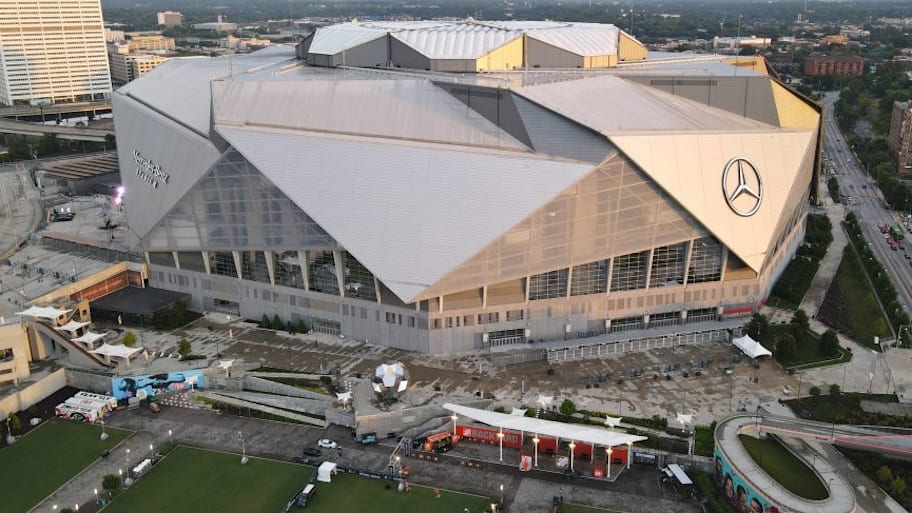
- Capacity: 75,000
Atlanta’s Mercedes-Benz Stadium is one of the biggest and most modern stadiums in the United States.
Opening in 2017, the successor to the Georgia Dome has plenty of soccer pedigree, with Atlanta United playing its home games there.
The stadium also hosted matches at the 2025 Club World Cup, including the quarterfinal between Paris Saint-Germain and Bayern Munich, and will stage one of the World Cup semifinals next summer.
Bank of America Stadium, Charlotte

- Capacity: 74,867
Charlotte wasn’t selected as a host city for next summer’s tournament, but it’s poised to stage matches in 2031.
Home of Charlotte FC and the Carolina Panthers, the Bank of America Stadium is one of the oldest amphitheatres put forward in the bidding process. It opened back in 1996, a year after the Panthers came into existence.
AT&T Stadium, Dallas-Fort Worth
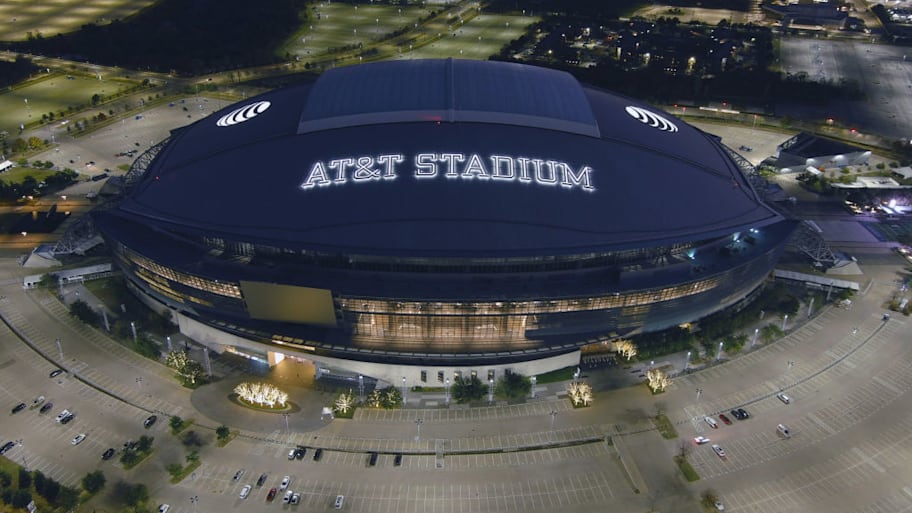
- Capacity: 80,000
With its retractable roof and all, the AT&T Stadium ranks among the most impressive stadia in the United States.
Jerry Jones’s infrastructural utopia hasn’t brought about the success for his Dallas Cowboys as he may have envisioned, but the stadium will be on display for the world to see when 48 nations convene for the 2026 World Cup.
It’s one of two Texas-based stadiums slated to be likely hosts in 2031.
Empower Field at Mile High, Denver
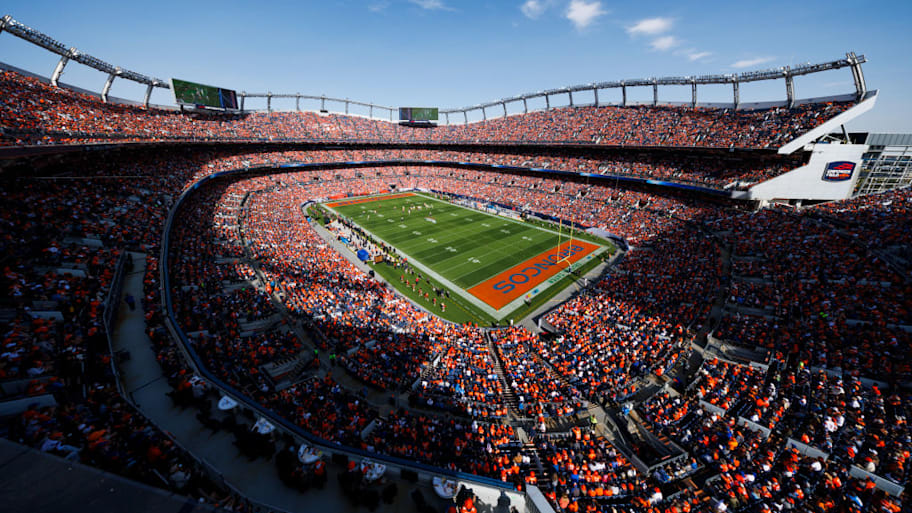
- Capacity: 76,125
The South American nations used to visiting Bolivia will find the altitude of Denver’s Empower Field a doddle.
Sitting 5,280 feet above sea level, the home of the Broncos is the highest stadium used in the National Football League (NFL).
NRG Stadium, Houston
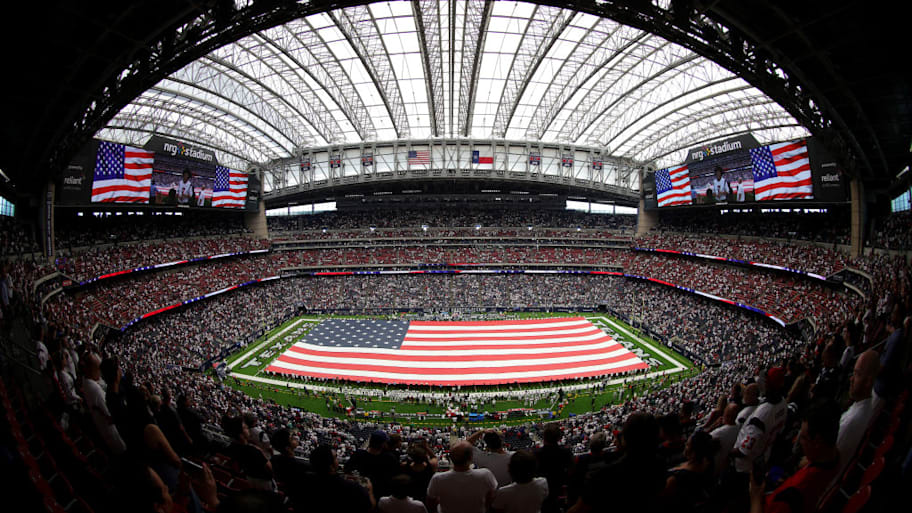
- Capacity: 72,220
Opened in 2022 following the establishment of the Houston Texans, NRG Stadium played host to Tom Brady’s great Super Bowl comeback against the Atlanta Falcons in 2017.
Like its Texan neighbour, AT&T, NRG also has a retractable roof, although construction is said to have cost half of what it took to bring ’Jerry World’ into existence.
Arrowhead Stadium, Kansas City
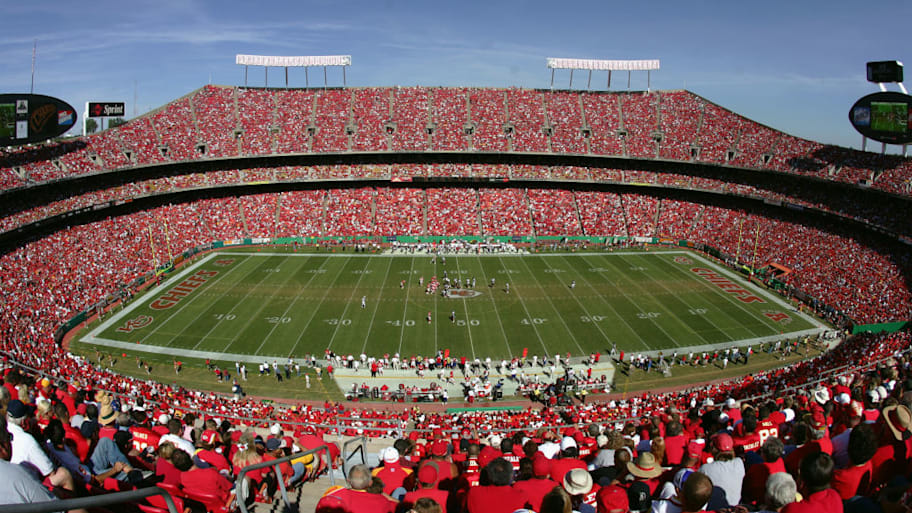
- Capacity: 76,416
Arrowhead certainly hasn’t been shy of success in recent times. The dominance of the Kansas City Chiefs since Patrick Mahomes took the reins from Alex Smith means some have labelled the AFC Championship game the “Arrowhead Invitational,” with the Chiefs winning three championships since 2019.
Regarded as one of the noisiest stadiums in the country, Arrowhead is one of 11 U.S. stadiums hosting matches next summer and looks poised to be included as a venue for the 2031 Women’s World Cup.
SoFi Stadium, Los Angeles

- Capacity: 70,000
There perhaps isn’t a stadium in the world that epitomises ’state-of-the-art’ more than SoFi, which opened in 2020 amid a global pandemic.
Like Mercedes-Benz and NRG, the stunning amphitheatre has hosted the Super Bowl. While its capacity is listed at 70,000, the stadium can welcome more than 100,000 patrons for major events.
U.S. Bank Stadium, Minneapolis
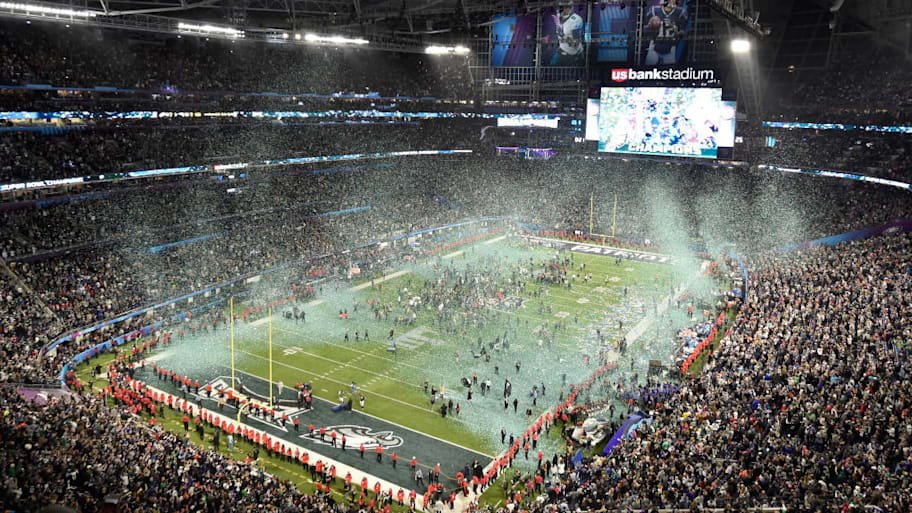
- Capacity: 73,000
Another American stadium to be opened within the past decade, Minneapolis’ U.S. Bank Stadium will be 15 years old by the time the 2031 Women’s World Cup rolls around.
While there had been plans for a Major League Soccer (MLS) expansion team to play their games at U.S. Bank, Minnesota United instead opted for the more humble Allianz Field in Saint Paul.
Since its opening, just five soccer matches have been played at U.S. Bank, including two games at the 2025 CONCACAF Gold Cup.
Geodis Park, Nashville
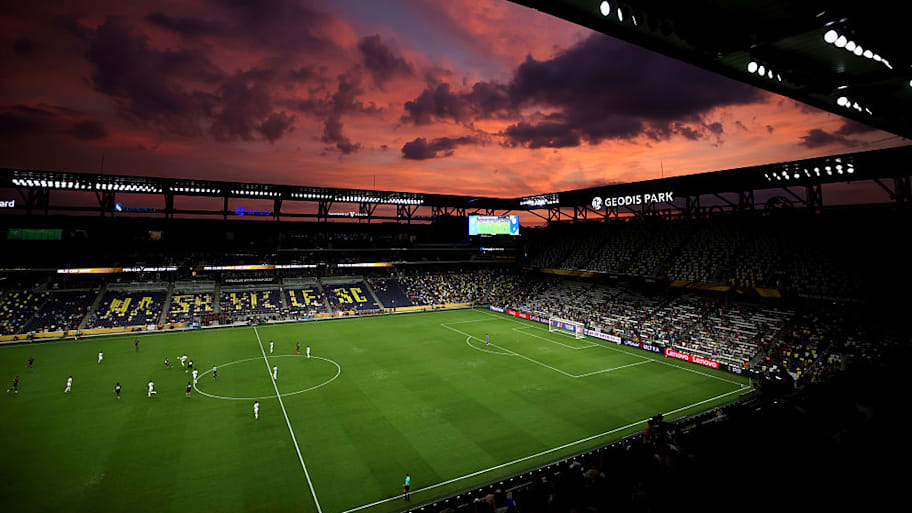
- Capacity: 30,109
Geodis Park is one of few soccer-specific stadiums included in the “representative sample.”
Located in Nashville, Tennessee, it’s been the home of MLS’s Nashville SC since October 2022 and was used last summer for the Club World Cup. Six international matches have also been played there.
MetLife Stadium, New York/New Jersey
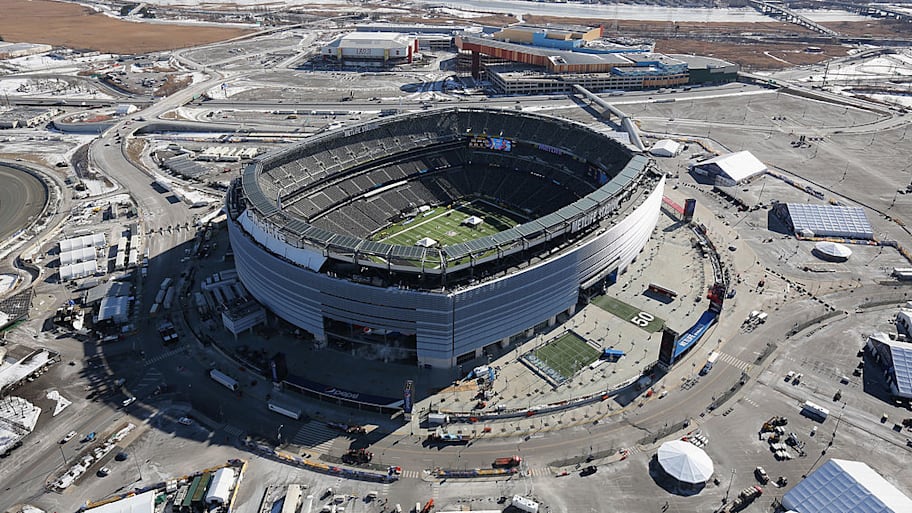
- Capacity: 82,500
The host of the 2025 Club World Cup and 2026 World Cup finals was a sure bet to be included. MetLife Stadium is the 15th-biggest stadium in the U.S. and the largest among those put forward in the 2031 bid.
Its soccer pedigree, which dates back to 2011 when it hosted matches at the CONCACAF Gold Cup, is distinct, and although others will be looking at the site with piercing resentment, it’d be a suitable venue for the final of this tournament.
Camping World Stadium, Orlando

- Capacity: 60,219
The history of Orlando’s Camping World Stadium dates back to 1936, but modernisations have been undertaken to ensure it is fit for purpose in the 21st century.
The stadium’s capacity can increase to over 60,000 for events of high-interest, with Manchester City, Real Madrid, Chelsea and Arsenal among the high-profile soccer teams to play at Camping World this decade.
It was one of nine stadium used for the 1994 World Cup.
Snapdragon Stadium, San Diego
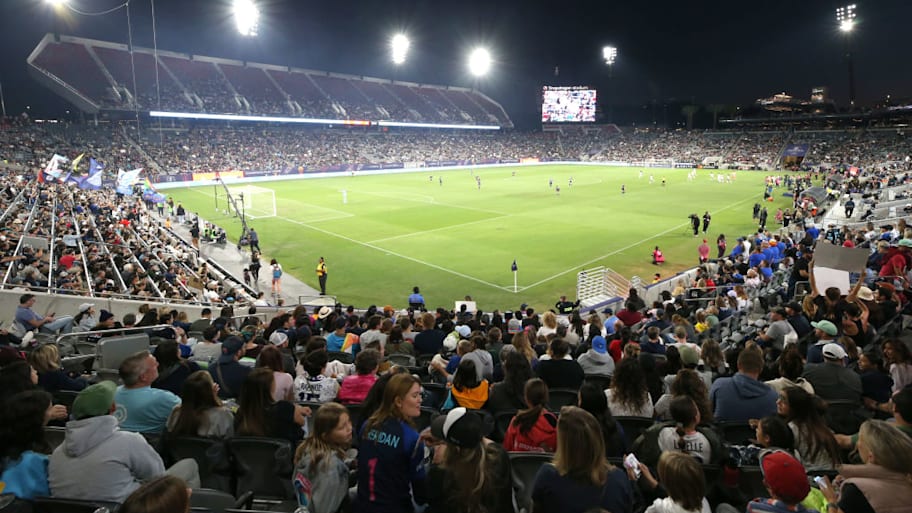
- Capacity: 35,000
The recently incepted San Diego Wave have played their home games at the Snapdragon Stadium since 2022, and the venue already has a rich history with women’s soccer.
The 2023 National Women’s Soccer League (NWSL) Championship, 2024 Women’s CONCACAF Gold Cup final and the 2025 SheBelieves Cup have all been held at the stadium.
Lumen Field, Seattle
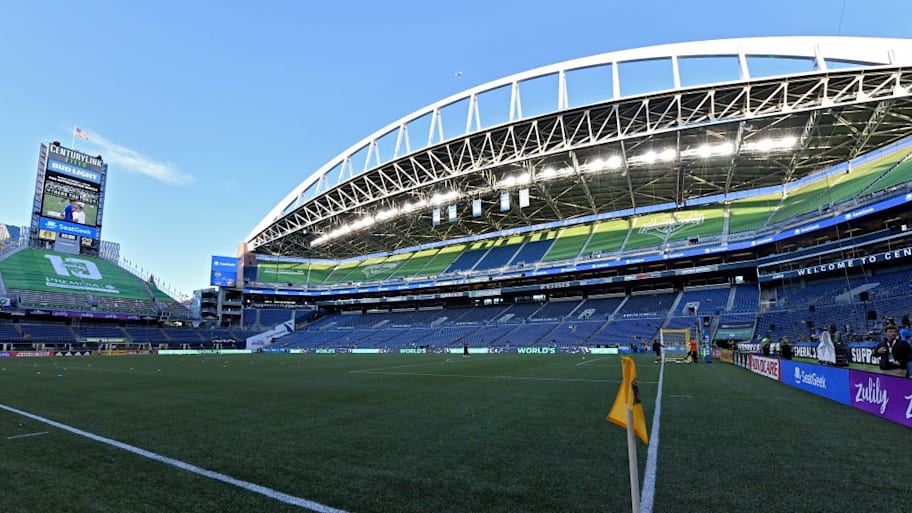
- Capacity: 68,740
The Seattle Sounders haven’t been strangers to success over the past decade, and there’s no overlooking the role an often fervent home crowd at Lumen Field have played.
Like Arrowhead, Lumen Field has garnered a reputation for producing a hectic and hostile atmosphere, and it’s certainly an environment befitting of a major tournament.
New Commanders Stadium, Washington D.C
The Commanders have picked HKS — the firm behind SoFi Stadium and AT&T Stadium — to design their new home at the RFK site.
— Spencer Allan Brooks (@SpencerSays) November 13, 2025
The team says it will be the loudest and most dynamic home-field advantage in the NFL, with 200+ events a year.
Construction starts 2027. Opens 2030 if… pic.twitter.com/FWO9ZmisKj
- Capacity: 75,000
It’s not yet clear what the new home of the Washington Commanders will look like, but the project is set to be begin in 2027 with the aim of opening in 2030.
Mexico
Estadio Azteca, Mexico City
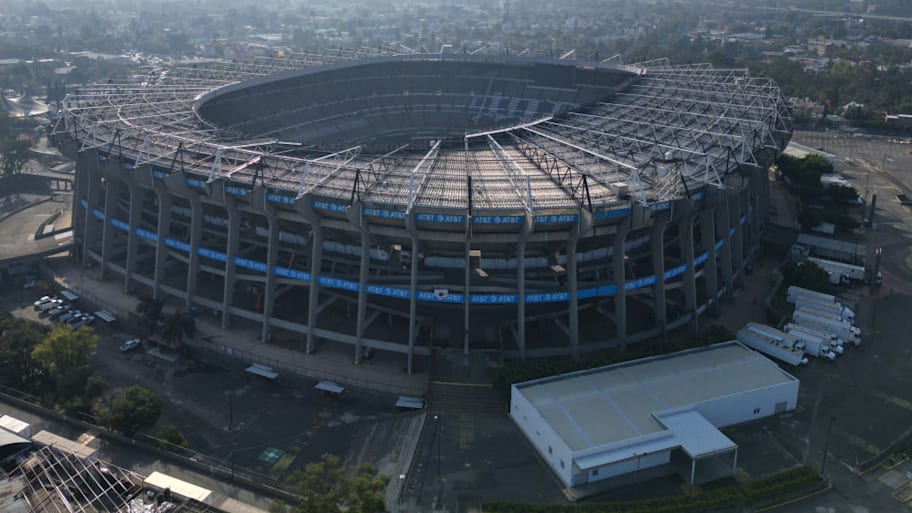
- Capacity: 87,523
Located in Mexico’s capital, the Estadio Azteca is the biggest soccer stadium in Latin America and the eighth-biggest in the world.
Boasting a capacity of more than 87,500, Mexico City’s pride and joy is laden with World Cup heritage. This is the home of Diego Maradona’s “Hand of God,” and where Brazil produced one of the all-time great final performances in 1970.
Estadio Akron, Guadalajara

- Capacity: 49,813
The Estadio Akron will host one of Mexico’s group stage matches at the 2026 World Cup and is the third-largest of the Mexican stadia put forward as part of this bid.
C.D. Guadalajara’s men and women’s teams play at Akron, which was opened in 2004.
Estadio BBVA, Monterrey
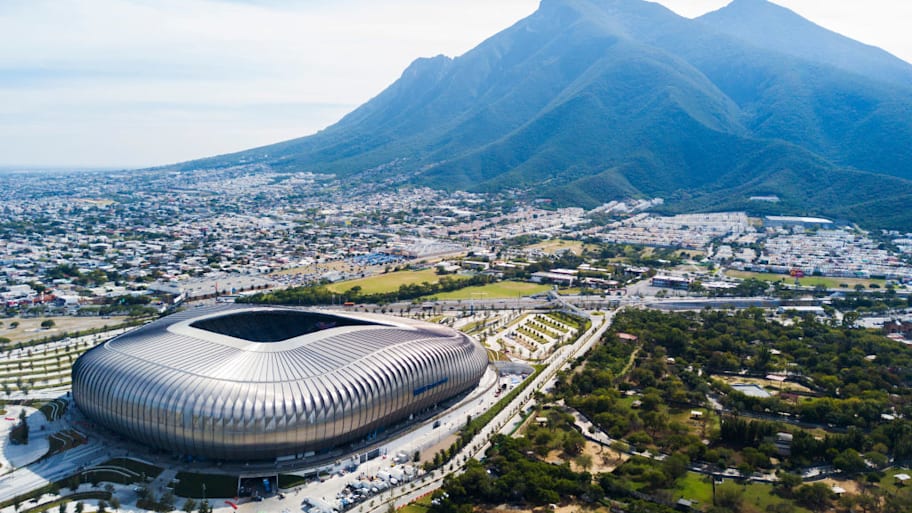
- Capacity: 53,529
An otherworldly backdrop can be enjoyed on your way to the Estadio BBVA, with the Cerro de la Silla mountain peak an unavoidable and stunning presence.
The stadium itself pales in comparison to the natural beauty that overlooks it, and is the relatively new home of Monterrey, having opened in 2015.
Territorio Santos Modelo, Torreón
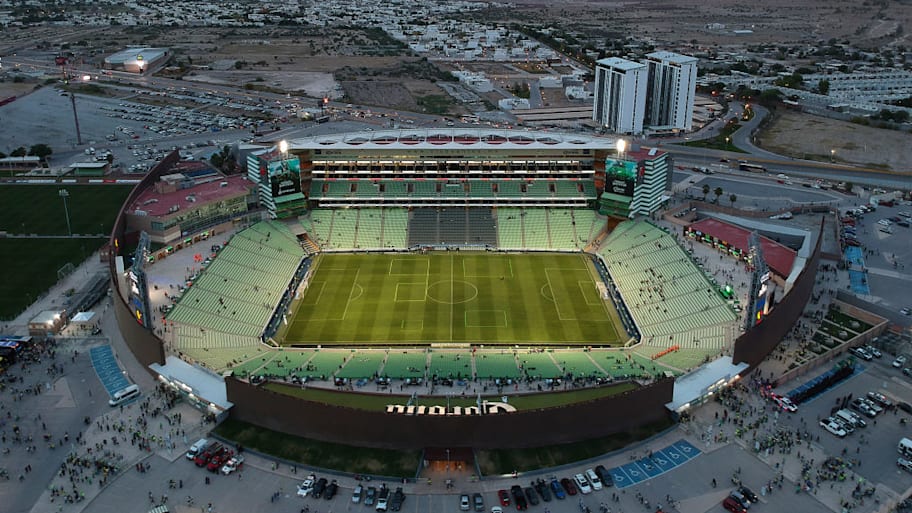
- Capacity: 29,000
The rather oddly-shaped Estadio Corona is the most significant stadium within the Territorio Santos Modelo sports complex, described as the “first of its kind in Mexico and only one in Latin America.”
Costa Rica
Estadio Nacional, San José
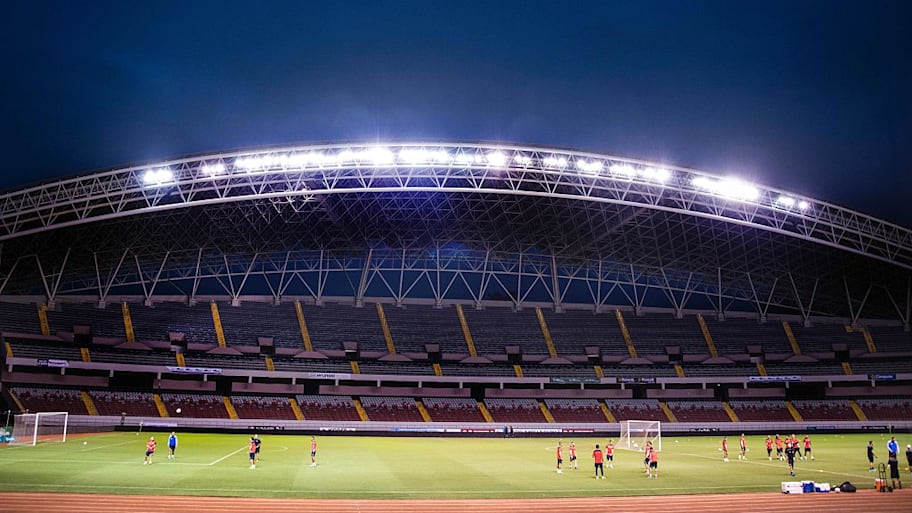
- Capacity: 42,000
Costa Rican representation is set to be small, but they could at least have a presence at the 2031 Women’s World Cup. The sole stadium put forward as part of the bid is the Estadio Nacional, which holds 45,000 and is located in the capital, San José.
Jamaica
National Stadium, Kingston
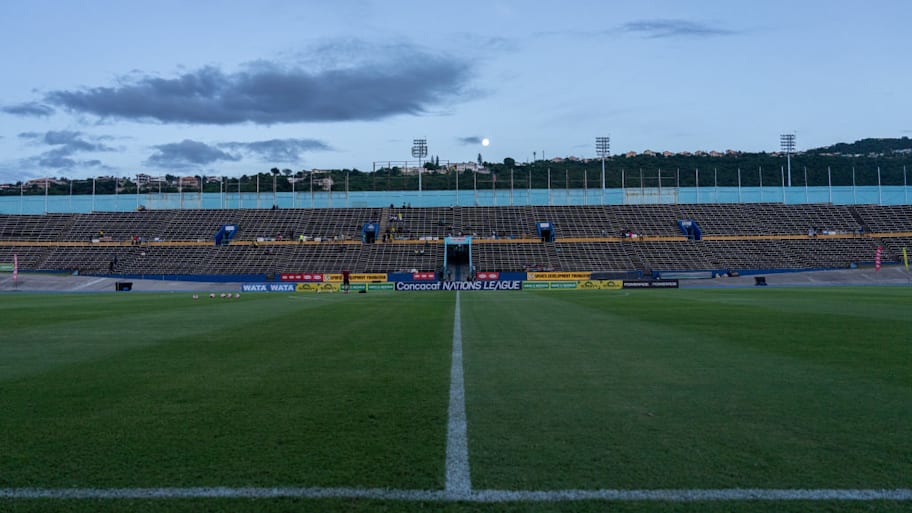
- Capacity: 35,000
It’s a similar story for Jamaica. Their National Stadium is Kingston will likely be the only venue which hosts games at the tournament.
Secondary Options in the United States
Other Cities In 2031 Women’s World Cup Bid Book
READ THE LATEST SOCCER NEWS, TRANSFER RUMORS AND MATCH REACTION
This article was originally published on www.si.com as 2031 Women’s World Cup: The Cities & Stadiums in U.S., Mexico, Jamaica, Costa Rica Bid.