
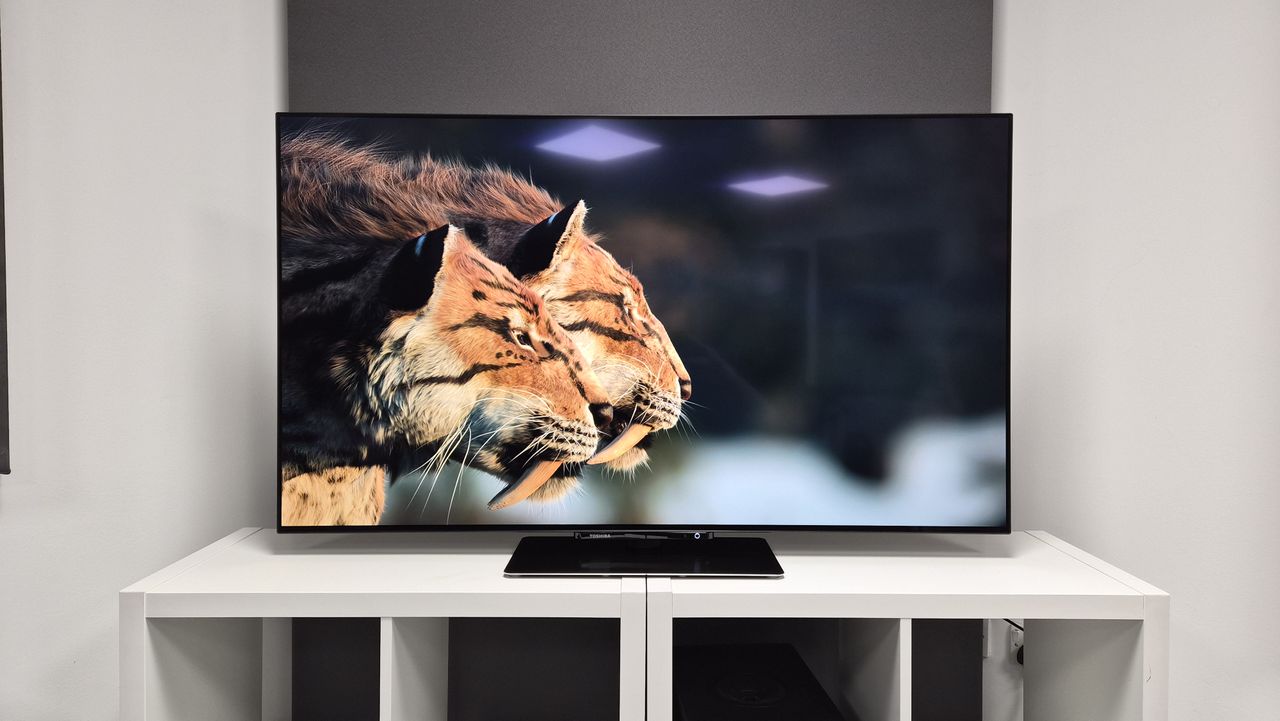
Since I joined What Hi-Fi?, OLED has been the top dog when it comes to raw performance in the TV market.
Despite great strides by Mini LED, the ongoing promise of next-generation Micro LED, the best TVs we test each year, for pure picture quality, are nearly always OLEDs. Go through the What Hi-Fi? Awards TV winners, and that fact is fairly obvious.
But while the performance and key metrics, including peak brightness, continue to evolve and break new ground with each new OLED TV generation, there’s one milestone it is yet to break: being cheap enough for regular people to afford them.
While OLEDs are great, even an entry-level, 48-inch TV with an OLED panel will set you back at least eight hundred quid – especially if you insist on getting a new model. That’s a far cry from the £500 / $500 cap we put on describing any TV as ‘cheap’.
But this year, we came oh-so close to breaking that milestone, with the arrival of the Toshiba XF9F53DB.
Sure, Toshiba is not the biggest name in OLEDs, but the set caught my eye over Black Friday when the 55-inch model dropped to just £699 – much closer to our threshold and the cheapest I’ve seen a current generation OLED of its size drop to.
Sadly, after reviewing the Toshiba XF9F53DB, I find it to be a hard recommendation, with its picture processing lacking the finesse to make the most of its OLED panel. Still, the TV is a welcome sign that gives me fresh hope we may see an OLED sell for as little as £500/$500 next year.
That is in many ways great, of course. But there’s one problem: it may be a little late to the party.
Mini LED is already trickling down into the affordable market and making waves. This year, the five-star, 50-inch TCL 6KS championed the tech’s cause, offering the best performance we have experienced on a set so cheap. It currently retails for a modest £350.
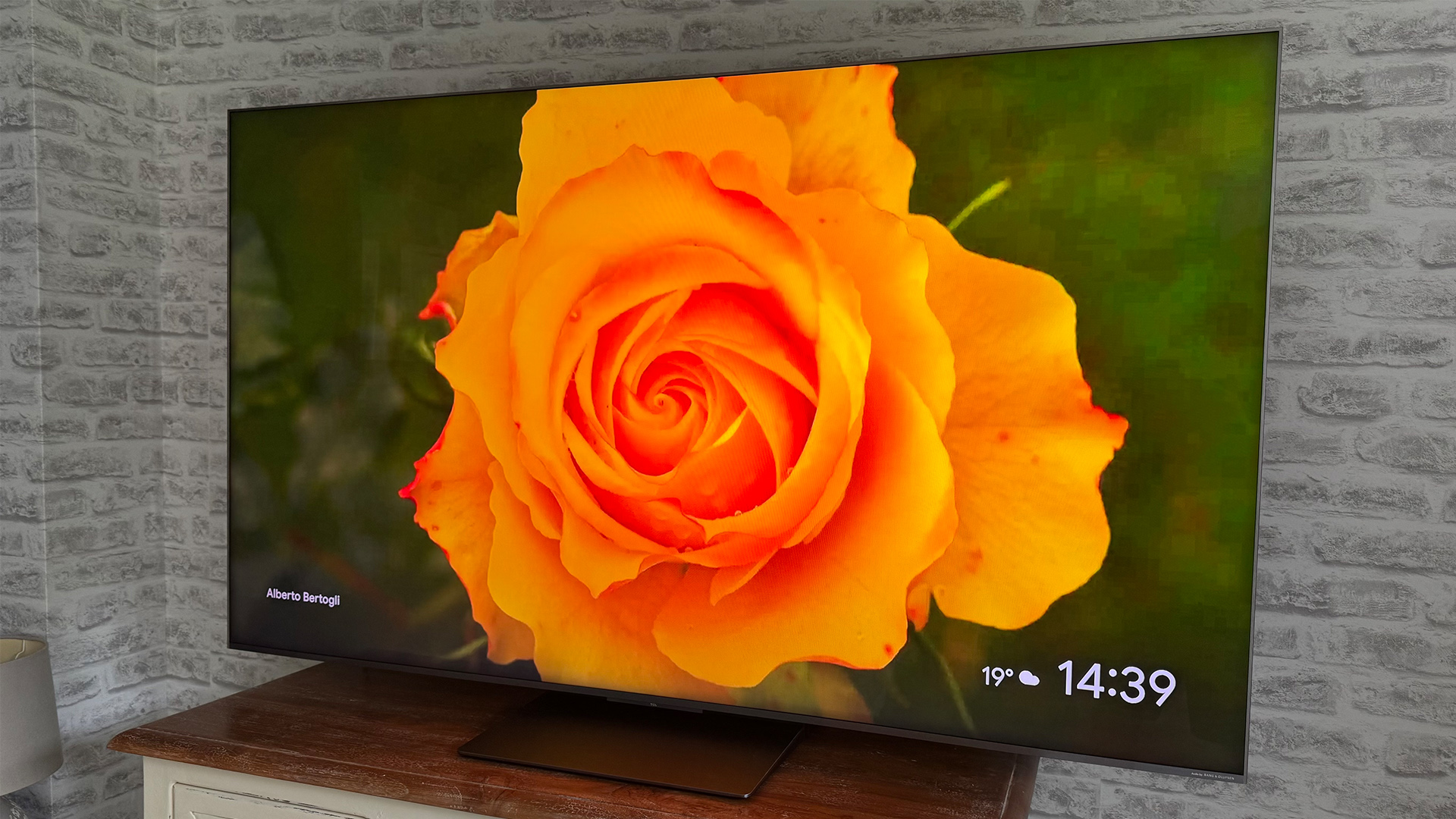
Its big brother, the Award-winning TCL C7K, also showed it is possible for a Mini LED to offer superior performance to an OLED in the mid-range market. The set delivered a more consistent, balanced picture and a more immersive experience than the Toshiba when I ran the two head to head.
So even if an OLED’s price were to drop that low, it would need to offer a lot better performance than what is currently on offer at the very bottom end of the market. And that could be a tall order, considering how much effort it takes to make the most of the tech.
This is one of the main reasons OLEDs are so expensive. The panel tech has a much higher failure rate during production than LED. On top of that, it takes more effort to tune and optimise, with its pixel-level light control requiring more powerful processors and a general level of finesse.
That’s why many brands have a specific badge for premium OLEDs, marking them as having gone through a more robust tuning and general QA process. Panasonic’s Master OLED Pro certification is one of the best known. This is a certification it reserves for those top-end OLEDs its experts have spent extra time and effort tuning and generally optimising.
Unless companies find a way to keep the perks of OLED intact while driving costs down, the arrival of sub-£500/$500 sets boasting the technology will be a bit of a damp squib. Which is why I have a minor alert going off in my head telling me that, while we may see a cheap OLED next year, it may not be the watershed moment I’ve been waiting for.
Here’s hoping I’m wrong…
MORE:
These are the best OLED TVs we have reviewed
We rank the best cheap TVs
Our picks of the best soundbars