As 2015 comes to an end, it feels as though we’re mid-way between the age of scheduling, when radio programmes are commissioned because they cater to a particular mood in a particular time slot, and a new era of permanent availability, when programmes are produced because they satisfy people’s enthusiasm and interests. The majority of radio programmes are, of course, neither one nor the other. The BBC is edging towards the availability model as quickly as its customs, practices and rights agreements will allow. Some of the best shows of the last year are still available to hear and, thanks to the enhancement of the BBC Radio Player in 2015, to download, but only a lawyer and an agent would be able explain why.
The Business Of Film With Mark Kermode is a tight, absorbing three-parter about the interplay between the art of cinema and the industry that pays for it. It should be heard by anyone with even a passing interest in the shifting tectonic plates of entertainment. If you don’t go to the cinema much, this might help explain why. You can hear it on the BBC iPlayer. Sadly you can’t hear Justin Salinger reading Nothing Is True And Everything Is Possible, Peter Pomerantsev’s hair-curling account of life in Putin’s light-entertainment dictatorship, a sort of Bright Lights Big City goes east, that should be heard by anyone who needs reminding that compared to the people who run communications in Russia, Simon Cowell is David Attenborough. Saudi Arabia: Sands Of Time, Egyptian journalist Tarek Osman’s three-part profile of that other shadowy domain, is still there to hear and is unlikely to be made obsolete by events. If you want to hear The General, Miles Kington’s three-part story of Charles de Gaulle originally made in 2002, and you should, you’ll have to get there swiftly (the series expires in early January).
The most ambitious drama project of the year was Blood, Sex And Money, Radio 4’s adaptation of the cycle of 20 novels by Emile Zola, featuring Glenda Jackson, Robert Lindsay, a cast of thousands and a blood-curdling soundtrack. Similarly epic was Tumanbay, also on Radio 4, a drama based on the Mamluk slave dynasty of ancient Egypt and starring Rufus Wright and Olivia Popica. The greatest proof of the enduring power of radio drama to get under the audience’s skin is the fact that Timothy Watson is being vilified rather than celebrated for his performance as Rob Titchener in The Archers, which was the most talked-about radio programme of the year. My personal favourite drama of the year was John Finnemore’s sparkling series of two-handers called Double Acts, featuring the esteemed likes of Celia Imrie and Rebecca Front.
For the most ambitious music project it’s a toss-up between Yo-Yo Ma’s performance of all Bach’s cello sonatas at The Proms, Jeff Lynne’s return with the beloved ELO for Radio 2 In Concert and the all-night world premiere of Max Richter’s Sleep, to witness which some particularly devoted Radio 3 listeners bedded down overnight in the reading room of the Wellcome Collection.

The pictures are always better on radio. So goes the old cliche. This certainly remains true for Test Match Special, which delivered a golden Ashes summer, Joe Root and all, to radio listeners who didn’t have Sky. Stuart Broad took eight Australian wickets for 15 runs on one momentous morning at Trent Bridge, an execution accomplished so swiftly that most people didn’t even have time to switch on their radio. Thankfully, you can still relive the moment through the series of pictorially enhanced audio web clips that make up Radio 5 Live’s Pint-Sized Ashes. That many people still haven’t clapped eyes on Broad’s extraordinary feat should cause the people who run cricket some worry, if they could spare the time from counting cash.
Standard factual radio increasingly sends us Googling for the reassurance of pictures. Thanks to this, we were able to look up the famous painting by Dame Laura Knight that gave its name to The Dock, Nuremberg, Amanda Whittington’s drama for Radio 4’s Writing The Century strand that was based on the artist’s commission to depict the war criminals of the Third Reich in the dock in the winter of 1946. You could do the same thing with the Old Masters examined in minute detail by Dr Janina Ramirez in Decoding The Masterworks, which once again emphasised the power of simple show-and-tell, assuming that it’s the right people doing the telling.
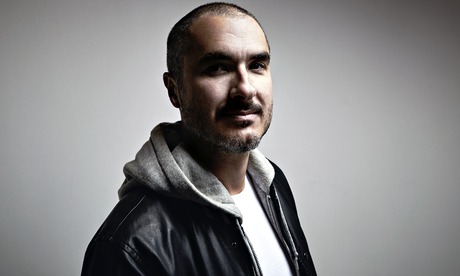
“Curation”, once a word that conjured visions of museums and dust, is now being claimed by Apple – whose Beats Music launched this year with former Radio 1 DJ Zane Lowe as its swift-talking spearhead – Radio 1 and anybody else scrapping over the new territory that has opened up between traditional radio and music streaming. This is not surprising. If you’ve made investments in people to talk between the records it’s only natural to wish to position them as experts rather than “on-air talent”. Many people have found that the weekly Discover Playlists compiled by some algorithm at Spotify do the job of curation better than anyone. Better to base a list on what you actually listen to rather than what you claim to listen to, which is rarely the same thing at all.
The irresistible rise of the podcast has been recognised with In Pod We Trust, a weekly Radio 4 survey of what’s happening in this bewildering new world, presented by Miranda Sawyer on Saturday mornings. I still find that the best ones come from the US. None of them are better than Here’s The Thing, in which Alec Baldwin has splendidly nosey conversations with everyone from Billy Joel to Penn Jillette via Amy Schumer. None of them are stranger, meanwhile, than Sleep With Me, in the course of which Drew Ackerman talks meanderingly in a voice that makes me think of Derry Murbles, the fictional NPR host of TV’s Parks And Recreation. Ackerman has one very simple objective: to put you to sleep. He’s done it for others. He could very easily do it for you.