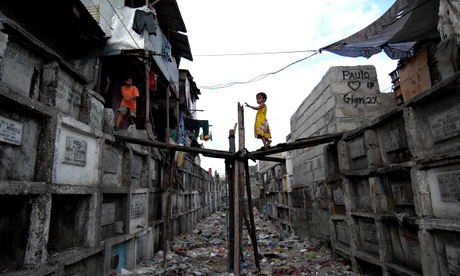
The Action/2015 campaign (This year is key to poverty and climate goals, stars warn world leaders, 15 January) is a welcome initiative that underlines the importance of 2015 as a crucial year in the fight against poverty and climate change, with pivotal UN summits taking place. The campaign released new data showing the number of people living in extreme poverty – on less than $1.25 a day – could be reduced from over 1 billion to 360 million by 2030 if the right decisions are made.
However, poverty is more than a lack of income: people living in deprivation face many simultaneous disadvantages. Health, education and living-standards deprivations are equally important to measure, as the 7 million people who took part in the UN’s My World survey, the Open Working Group and the secretary-general’s December 2014 report stress. The Oxford Poverty and Human Development Initiative proposes one feasible option: to complement the $1.25/ day income measure with an improved multidimensional poverty index (MPI 2015+) that would ensure the many overlapping disadvantages experienced by the poor, such as malnutrition, poor sanitation and lack of education, are not overlooked. According to global MPI estimates, 1.6 billion people across 110 countries are multidimensionally poor.
Considering two measures – income poverty and the MPI 2015+ – would empower leaders to combat poverty in its many dimensions. As Action/2015 underlines, making the right decisions this year is key – but we need to select the right tools for fighting poverty to ensure the right policy decisions can be made in future too.
Sabina Alkire
Director, Oxford Poverty and Human Development Initiative
• As celebrities and campaigners begin to talk about what will follow on from the millennium development goals, it is vital that we do not ignore the needs of the disabled people who live in developing countries. Disabled people are often the poorest and most marginalised from their communities. Many disabled people struggle to earn a living, and as a result their families face severe financial hardship. Often, disabled people have not benefited from international aid. For example, one-third of the 58 million primary-school-aged children who are out of school worldwide are disabled.
When the MDGs were agreed by world leaders in 2000, there was no mention of disability in the eight goals or in the 60 indicators of the 21 targets. This needs to change. In order to truly tackle poverty it is vital that the needs of disabled people are met and they get targeted support.
James Thornberry
Director, Sense International