2012: a year of pain and precious little gain for business
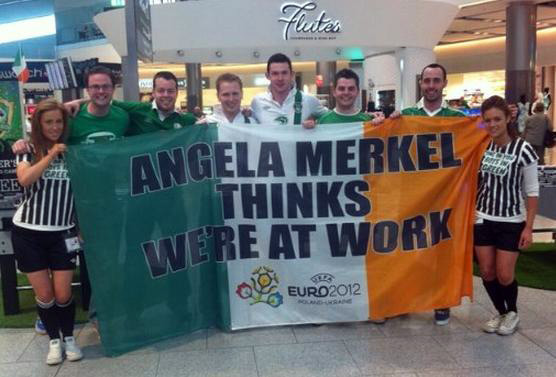
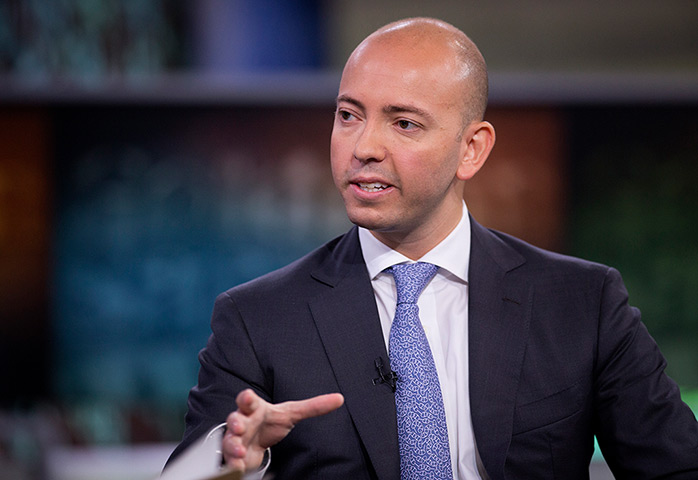
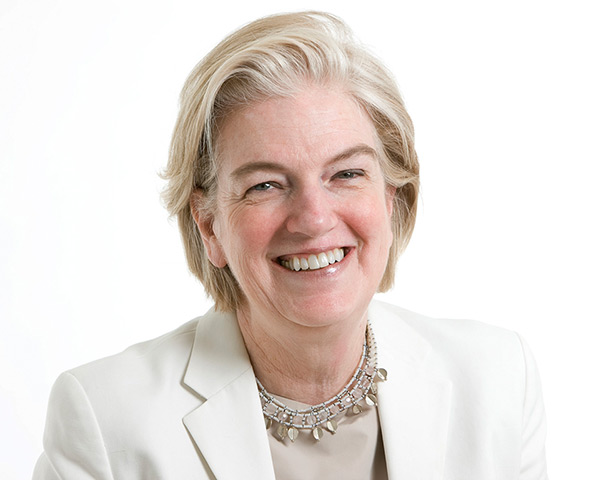
Quote of the year: For injecting a note of levity into the euro crisis, quote of the year goes to Irish football fan Gerry Nolan and his friends, who held up a banner on the way to the Euro 2012 championship emblazoned with the cheeky slogan 'Angela Merkel thinks we’re at work' Photograph: #donttellmerkelRunner up: Former Goldman Sachs executive director Greg Smith for his op ed in the New York Times, which claimed to lift the lid on how the bank thinks of its customers. Smith wrote: 'Over the last 12 months I have seen five different managing directors refer to their own clients as “muppets” – sometimes over internal e-mail'Photograph: Scott Eells/Bloomberg via Getty ImagesWoman of the year: Back in 1997, Dame Marjorie Scardino became the first woman to head a FTSE 100 company. After an exemplary 15 years at Pearson, during which she pruned random assets like Madame Tussauds, resisted pressure to sell the Financial Times, and built a world beating education business, Scardino is bowing out. But not before tabling one last, game changing deal – the merger of Penguin with fellow publisher Random House. Her departure was swiftly followed by news that Cynthia Carroll is to exit mining group Anglo American, leaving just two female bosses in the blue chip index, Alison Cooper of Imperial Tobacco Group and Angela Ahrendts at Burberry. A small, but well dressed cohort Photograph: Pearson/Reuters
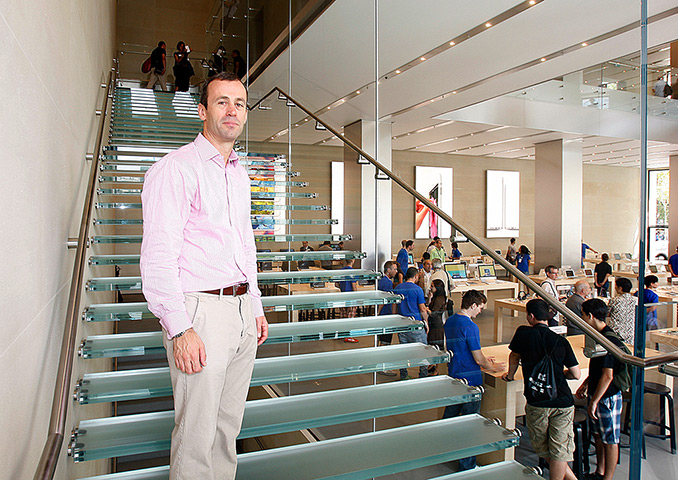
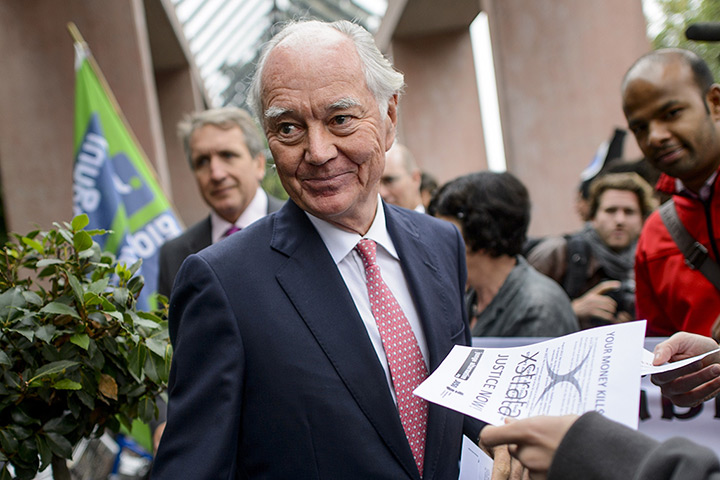
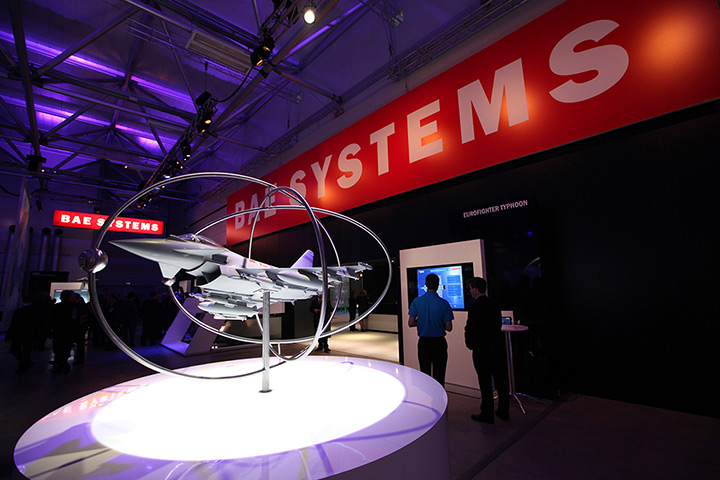
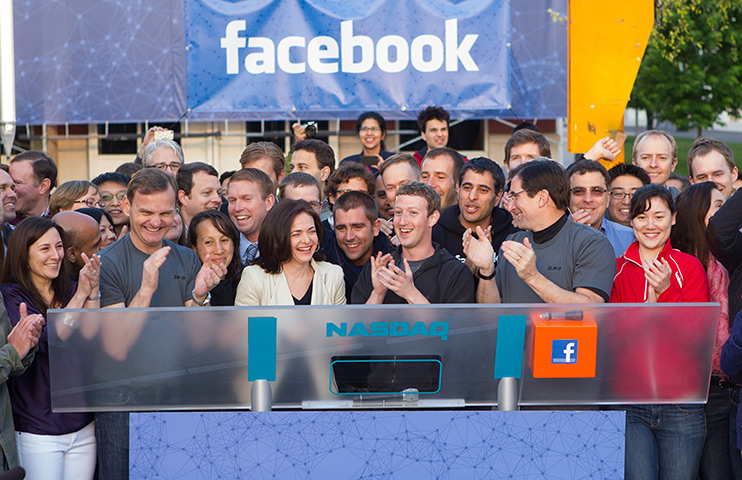
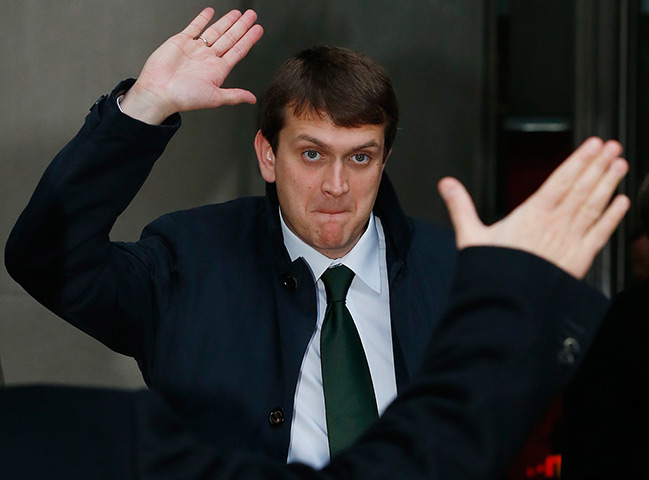
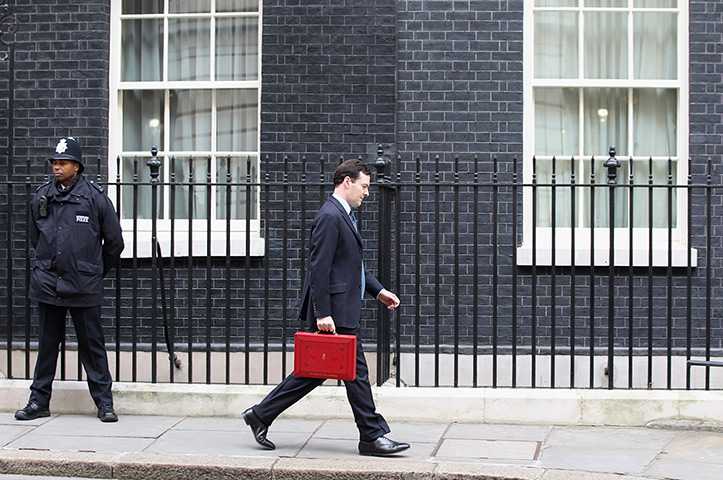
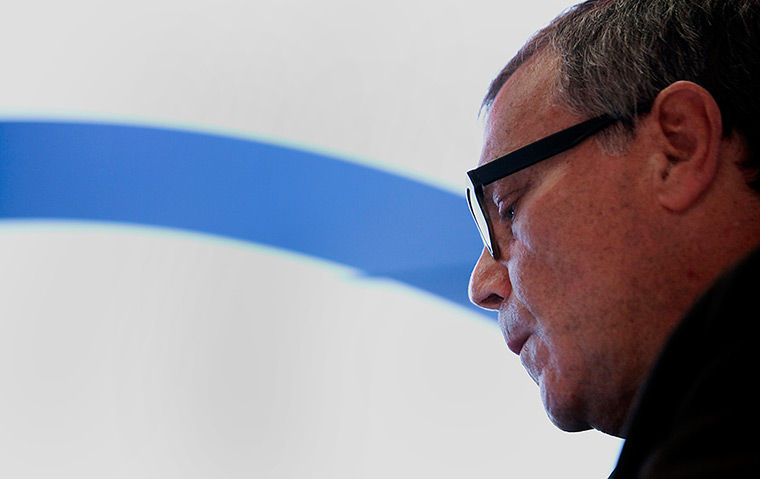
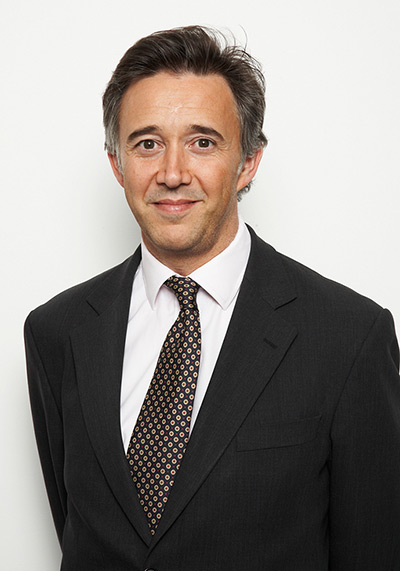
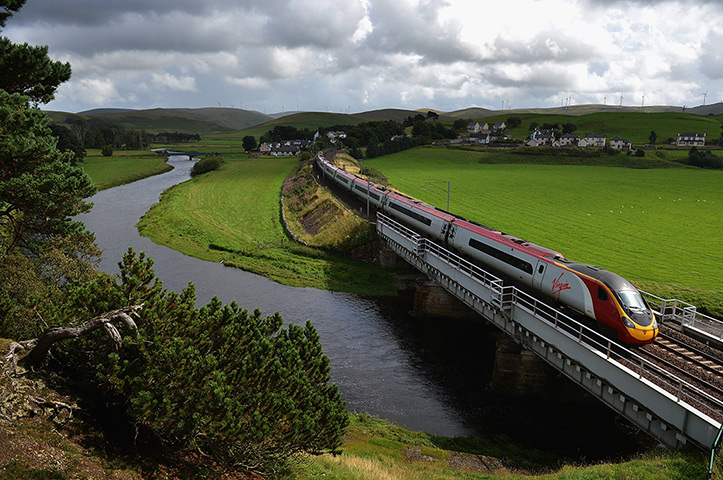
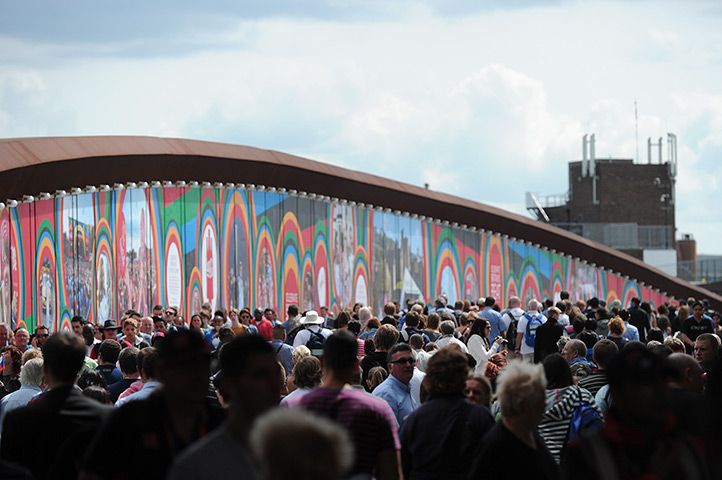
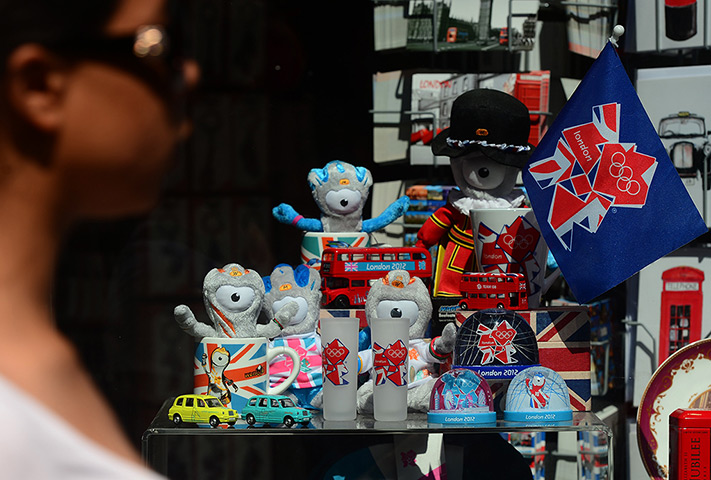
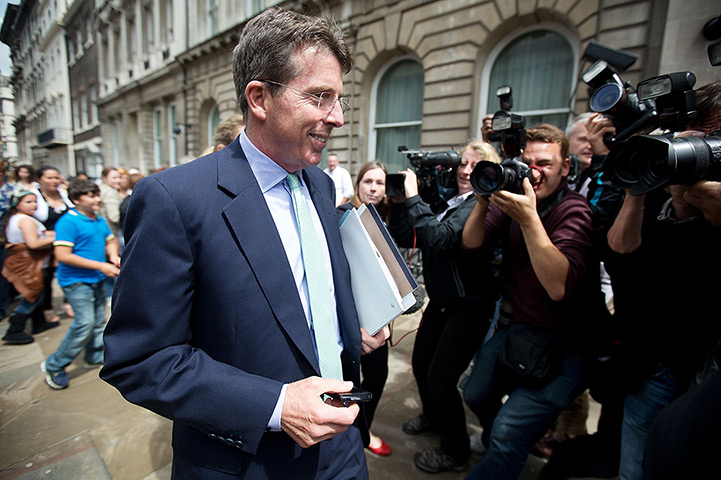
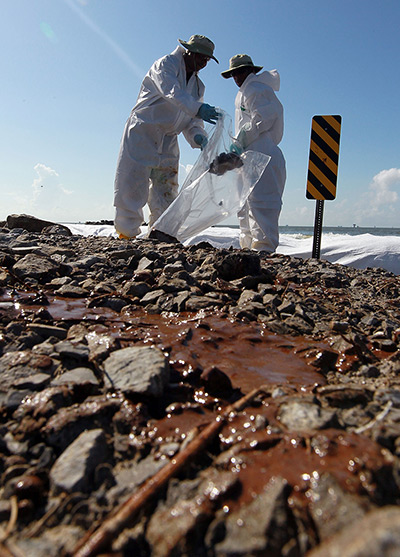
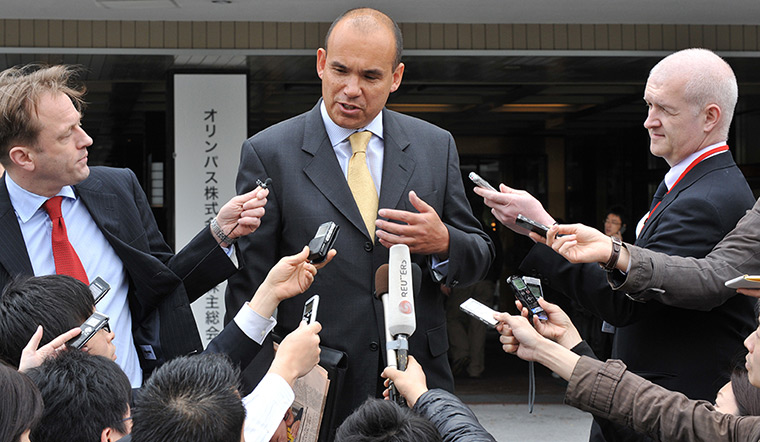
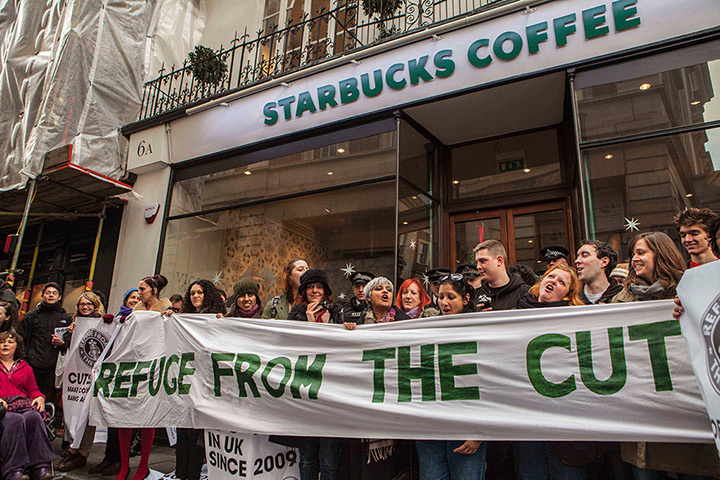
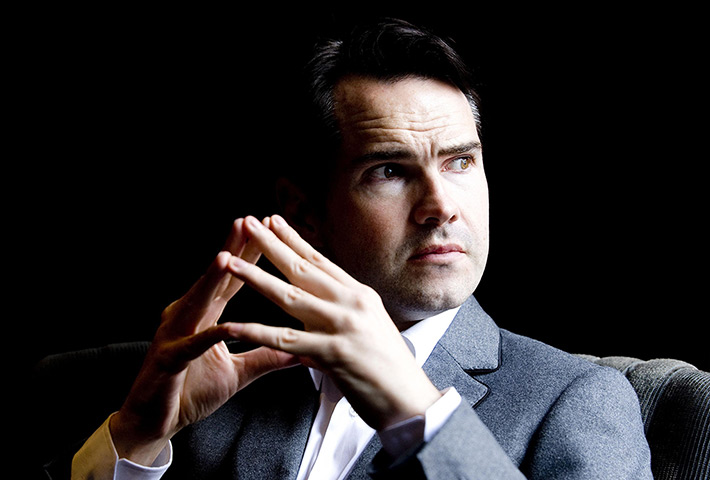
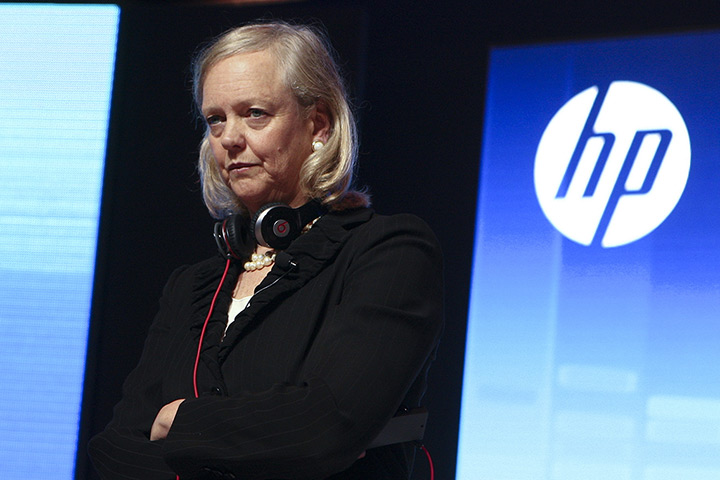
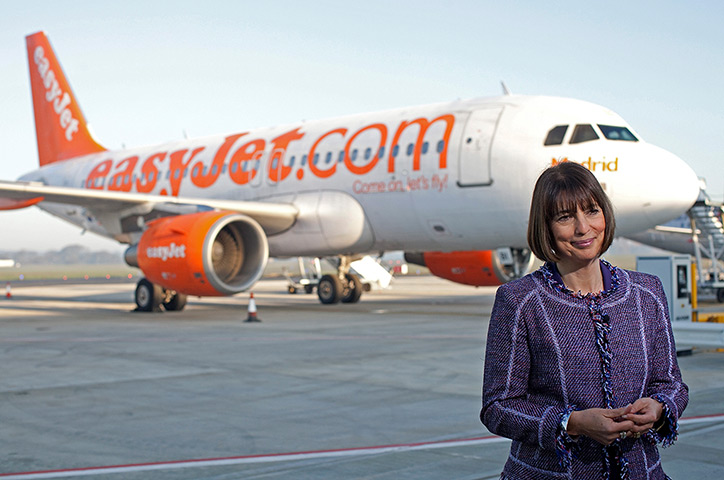
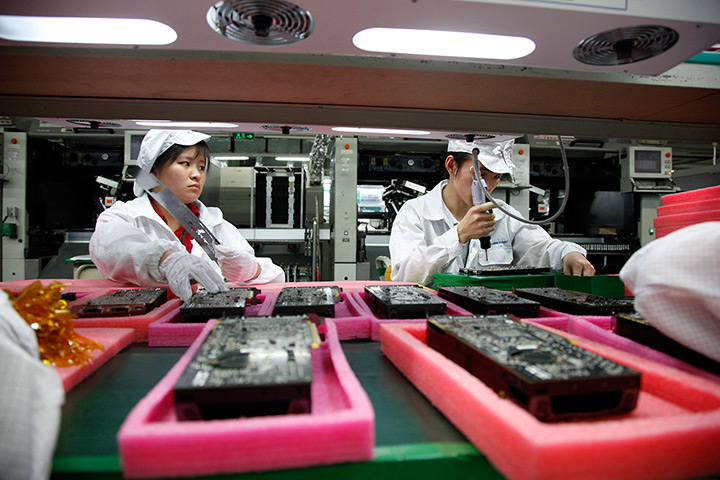
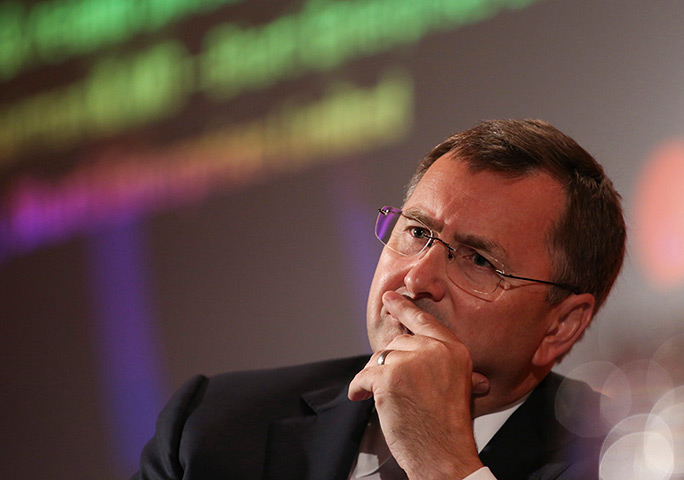
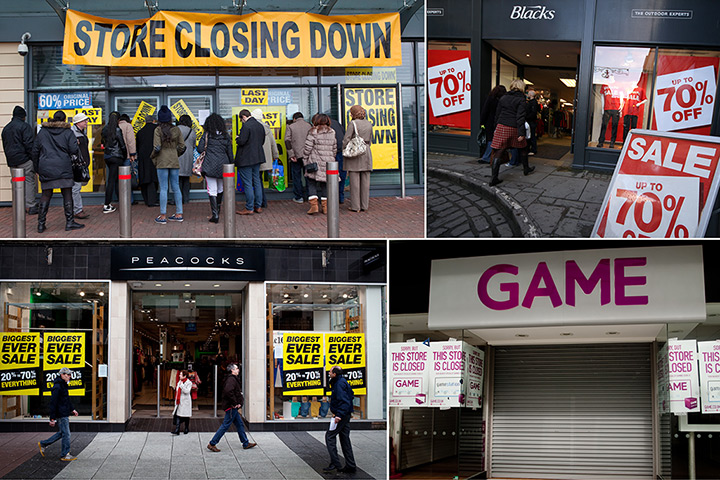
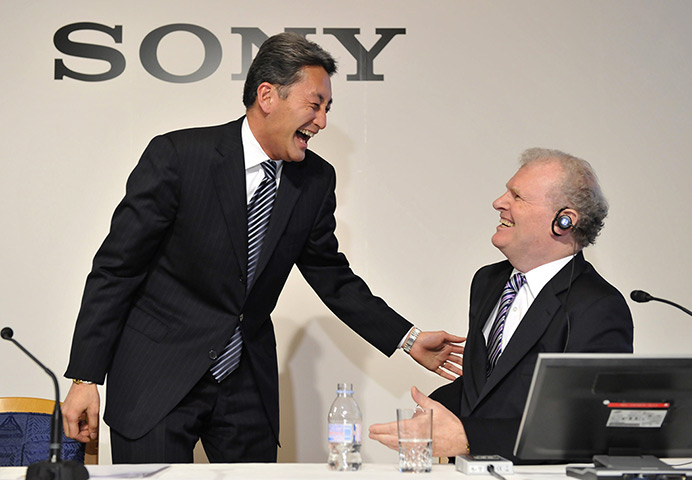
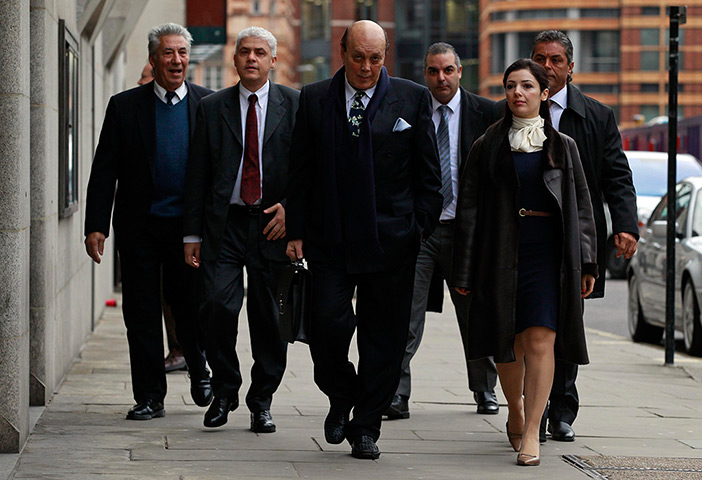
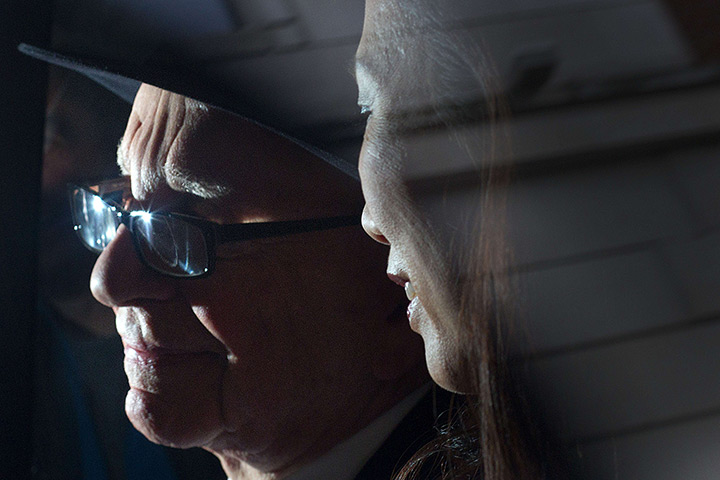
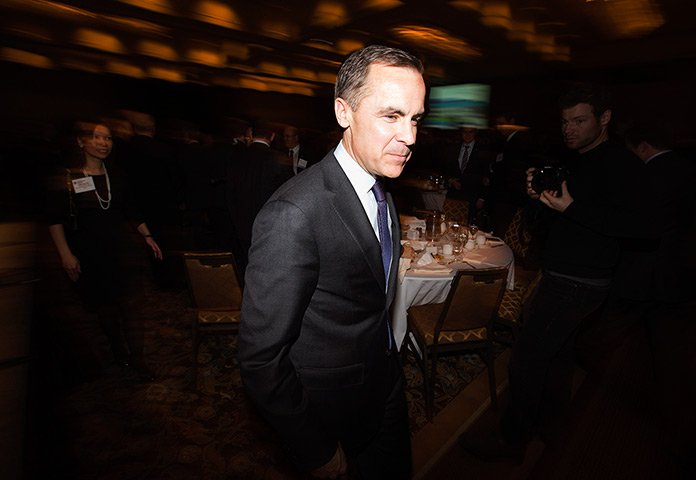
Man of the year: Mario Draghi, president of the European Central Bank, has worked as hard as anyone to keep the euro alive. At a key speech in London in July, he called the markets’ bluff, saying the ECB would do whatever it took to preserve the currency, before adding: 'And believe me, it will be enough.' It clearly was, at least for this yearPhotograph: Johannes Eisele/AFP/Getty ImagesRunner up: Top marks also for Olaf Swantee, the chief executive of Orange and T-Mobile owner Everything Everywhere, who almost single handedly ensured the UK caught up with the rest of the developed world by introducing 4G mobile internet. Swantee persuaded regulators to let him launch the superfast service ahead of his rivals, thereby ensuring there would be no more foot dragging over the much delayed 4G spectrum auctionPhotograph: Jason Alden/Rex FeaturesAbsent man of the year: Former Dixons chief executive Jonathan Browett’s efforts to overhaul customer service are now paying dividends with a surge in the retailer’s share price. Sadly Browett left Dixons for a brief and ill-fated stint at Apple too early to win plaudits for his achievements in the UKPhotograph: Miquel Benitez/Getty ImagesDeal of the year: The much-delayed mega-merger of Glencore and Xstrata finally happened, but not before Xstrata chairman Sir John Bond (pictured) resigned due to the excessively complex voting structure and multimillion pound ‘retention’ payouts for senior managersPhotograph: Fabrice Coffrini/AFP/Getty ImagesGlenstrata so nearly went the way of BAE and EADS. The aerospace merger on paper sounded like a no-brainer to take on the might of rival Boeing. But with issues of sovereignty at stake, along with the UK, French and German governments on the shareholder register, there was little chance of agreement when politicians got involvedPhotograph: Chris Ratcliffe/Bloomberg via Getty ImagesIPO of the year: A dubious honour these days. After a hype-filled build up, Facebook’s initial public offering was a shocker. On the first day its underwriting banks spent millions propping up the shares, which later crashed to half their float price. Founder Mark Zuckerberg put on a brave face, celebrating his wedding and heading off on honeymoonPhotograph: Zef Nikolla/Getty ImagesBack in the UK, Russian tycoon Alisher Usmanov’s mobile network Megafon starred in the largest London offering of 2012. But investors, already worried about Russian governance standards, flinched after a normally not too sniffy Goldman Sachs pulled out of a lead advisory role at the 11th hour. Pictured, Megafon chief executive Ivan Tavrin high-fives a colleague after floating the companyPhotograph: Olivia Harris/ReutersA year of pay rows: The year began well for high earners, when Osborne scrapped the 50p tax rate, but Business Secretary Vince Cable rowed the other way by proposing binding votes every three years over executive pay. Institutional shareholders flexed their under-used muscles by rejecting a record number of pay packages at listed companies Photograph: Oli Scarff/Getty ImagesSir Martin Sorrell suffered a bloody nose at WPP, and two other high profile chief executives were fatally wounded: Andrew Moss at insurer Aviva, and Sly Bailey at newspaper group Trinity Mirror were left with no choice but to take their share options and runPhotograph: Chris Ratcliffe//Bloomberg via Getty ImagesJackpot of the year: Carphone Warehouse chief executive Roger Taylor’s remuneration is likely to have set the record for 2012. He collected an estimated £34m in cash and shares from a number of bonus schemes, designed to reward executives for the successful de-merger of the company’s telecoms arm TalkTalk and the lucrative sale of its US joint venture with Best Buy. Taylor did pass on his £220,000 cash bonus, by donating it to the Dallaglio Foundation Photograph: Carphone WarehouseComeback of the year: Virgin Rail pulled off a spectacular recovery as it faced being without a UK rail franchise for the first time since privatisation. When the Government gave the West Coast mainline contract to First Group, Virgin called in the lawyers and got the decision overturned. It now has the franchise for two more yearsPhotograph: Jeff J Mitchell/Getty ImagesElsewhere, Vincent Tchenguiz won his long-fought battle with the Serious Fraud Office over his wrongful arrest for alleged fraud. Next step is to sue the department for up to £200mPhotograph: Graham Barclay/Bloomberg via Getty ImagesBest Olympics: With a sparse field, there were very few businesses that benefited from the Olympics. However, transport companies had a pretty good time of it – mainly because they didn’t fall apart. BAA welcomed athletes through its terminals without making them wait in three hour queues at passport control, Transport for London managed to scare enough Londoners off the tube to allow for easy journeys and Stagecoach even turned a £4m profit shuttling athletes to the village – although the first few coaches did get lostPhotograph: AFP/Getty Images/AFPWorst Olympics: Honourable mention goes to toy maker Hornby, which was forced into a profit warning after nearly no one wanted to buy its London 2012 souvenirs. An expected profit of £2m, turned into a £1m lossPhotograph: Emmanuel Dunand /AFP/Getty ImagesWorst Olympics: But top spot goes to the never-knowingly understaffed G4S. The only security contractor for the Games failed to get enough guards for the venues and the army was drafted in. Shares sank and chief executive Nick Buckles barely hung on to his jobPhotograph: Andy Rain/EPABanking scandal of the year: None of the banks escaped the rogues gallery. The payment protection insurance scandal is costing the high street banks more than £12bn - and rising. Other mistakes from the past have also haunted the industry. Libor - one an arcane benchmark used to price $300tn of financial products - became a household name after Barclays was fined a record £290m for attempting to rig the rate. Chief executive Bob Diamond (pictured above) and chairman Marcus Agius resigned with daysPhotograph: Matthew Lloyd/Getty ImagesAs Barack Obama ponders America’s fiscal cliff – caused by political gridlock over economic policy – US regulators have hit on a lucrative method of filling the public coffers: invoicing British companies for bad behaviour. Amidst the banking settlements, BP’s Deepwater Horizon disaster bill leapt by a further $4.5bn in November, the largest settlement in US criminal history, taking the total paid out or set aside to $42bn. A few months earlier GlaxoSmithKline shelled out $3bn, a record settlement for the pharmaceutical sector, after being found to have paid US medics to prescribe potentially dangerous drugs to children and adultsPhotograph: Joe Raedle/Getty ImagesWhistleblower of the year: Former Olympus chief executive Michael Woodford continued his one-man crusade against the Japanese company, after exposing a $1bn fraud. He got £10m for unfair dismissalPhotograph: Kazuhiro Nogi/AFP/Getty ImagesWhistleblower of the year: Closer to home, Seth Freedman, a gas price reporter, blew the lid on alleged price fixing of the wholesale gas market. And in the US, GlaxoSmithkline workers Blair Hamrick and Gregory Thorpe brought their employer’s marketing practices to the attention of the US authoritiesPhotograph: Linda Nylind for the GuardianTax avoider of the year: Starbucks woke up and smelled the coffee after years of complex legal tax loopholes saw them pay nearly no tax. Bosses now promise to pay up next year in the UK’s first ever voluntary tax paymentPhotograph: Antonio Olmos for the ObserverJimmy Carr (pictured above) was caught out and DJ Chris Moyles tried to keep his financial affairs secret, claiming it would breach his Human Rights. A judge disagreed. Honourable mentions also go to Bradley Wiggins, Anne Robinson and Gary Barlow – all investors in aggressive tax schemesPhotograph: Ian West/PACorporate showdown of the year: It was rumble in the software jungle when Hewlett-Packard’s newly installed boss Meg Whitman took on Autonomy founder Mike Lynch by claiming his business had cooked its books, supposedly resulting in its sale to HP at an inflated price. Whitman is a heavyweight who built eBay into a force to be reckoned with and spent a fortune running for the governorship of California, but she met her match in Lynch, who unleashed a one man media blizzard to rebut her claims. Regulators are investigating and the jury is outPhotograph: ChinaFotoPress via Getty ImagesMore decisive was a victory by easyJet boss Carolyn McCall – formerly of Guardian towers – who saw off a shareholder rebellion led by the airline’s founder Sir Stelios Haji-Ioannou and last month received a glowing report from him after the airline started paying a dividendPhotograph: Simon Dawson/Bloomberg via Getty ImagesLegacy rewrite of the year: Apple is a contender for this category. The world’s most valuable company is beginning to loose its Teflon coating after struggles over working conditions in the Chinese factories of its largest supplier Foxconn, and an embarrassingly bad in-house mapping app released with the iPhone 5Photograph: Qilai Shen/CorbisBut the manager’s choice for corporate fall from grace goes to Tesco, whose year began with the company’s first profit warning in two decades - it wiped £5bn from the shares - and ended with big losses in the US. Things have not gone smoothly since Sir Terry Leahy passed the price sticker gun to Philip Clarke last year, and it has fallen to the new boss to call an end to the grand dream of conquering America with the Fresh & Easy chainPhotograph: Chris Ratcliffe/Bloomberg via Getty ImagesGoodbye: Time now to bid farewell to some of those who exited the business stage in flamboyant fashion. The double dip recession culled the retail sector, with Black’s Leisure, Peacocks, Comet, JJB Sports and Game Group all going into administration, although some of these brands live on in slimmed down form. Fingers are now crossed for HMV, Yellow Pages publisher Hibu and Thomas Cook, all struggling with debtsPhotograph: The Guardian/Getty Images/AlamySir Howard Stringer (pictured right, with successor Kazuo Hirai) stepped down as chief executive of Sony, where he remains chairman, after six years battling to bind the sprawling media and technology giant into a profitable wholePhotograph: Kazuhiro Nogi/AFP/Getty ImagesFugitive former tycoon Asil Nadir ran out of road in August, sentenced for 10 years for stealing from his Polly Peck empire after voluntarily returning to the UK to face trialPhotograph: Stefan Wermuth/ReutersThe hacking scandal claimed a few scalps, with James Murdoch resigning his chairmanships of BSkyB and News International in order to spend more time with his lawyers. December brought good news for Rebekah Brooks, who will receive a breathtaking £10.8m in compensation for giving up her role as News International chief executive. Rupert Murdoch’s News Corporation now finds itself without an heir apparent, a theme for the business pages next year as the media giant prepares to divide itself in two. Pictured: Rupert Murdoch and wife Wendi Deng are driven away from the Leveson inquiryPhotograph: Justin Tallis/AFP/Getty ImagesAmong the class of 2012’s bright new arrivals was Antony Jenkins at Barclays. The bank now has a leader picked from its retail arm to keep the traders in the gambling division on a short leashPhotograph: Graeme Robertson for the GuardianWelcome also to Mark Carney, the Canadian chosen as the next governor of the Bank of England. Here’s hoping the appointment of a foreign manager for the nation’s central banking squad will work out better than it has for the England football teamPhotograph: Mark Blinch/Reuters
Sign up to read this article
Read news from 100’s of titles, curated specifically for you.