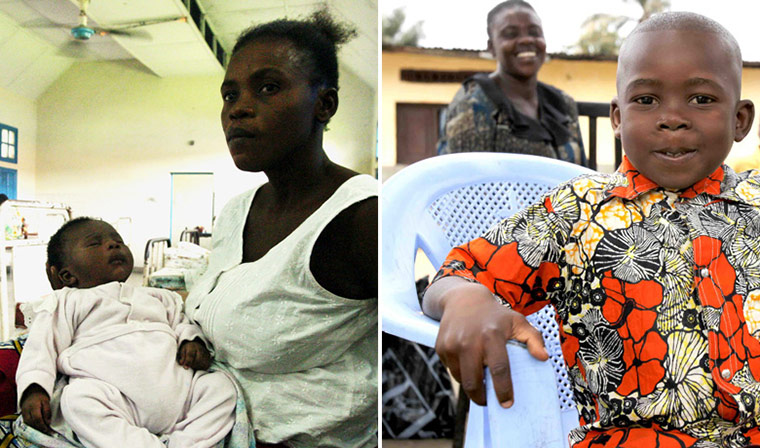
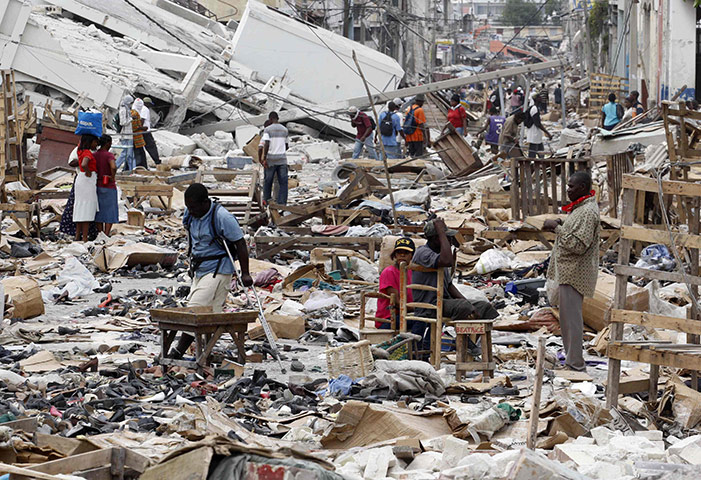
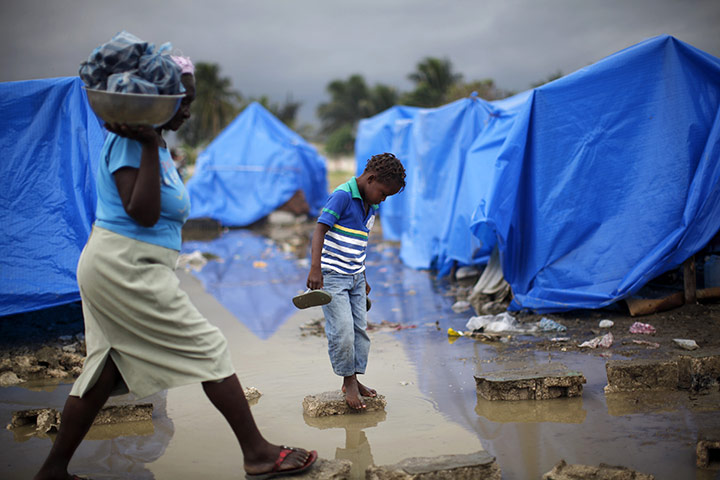
Ngosia Nzinga holds her new born son, Jean Mtoko Dieumerci, in a hospital in Kinshasa in the Democratic Republic of the Congo, on 22 April 2005 (left), and both of them five years later (right). The Guardian returned to visit the family in the summer to see how they were getting on as part of our Africa's children seriesPhotograph: David Lewis/ Katrina Manson/GuardianResidents walk in a destroyed area after a major earthquake hit the Haitian capital of Port-au-Prince in JanuaryPhotograph: Jorge Silva/REUTERSA boy crosses a puddle of water after heavy rains at a makeshift tent camp in Cite Soleil in Port-au-Prince, Haiti, in February. Those living in temporary camps were hit by a cholera outbreak in OctoberPhotograph: Carlos Barria/Reuters
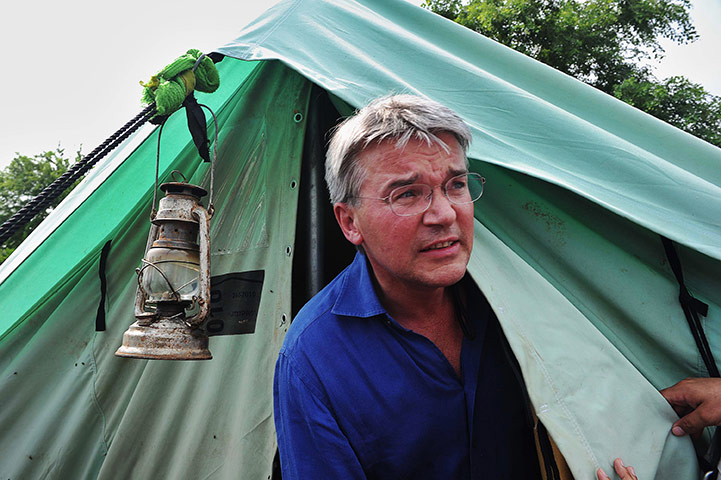
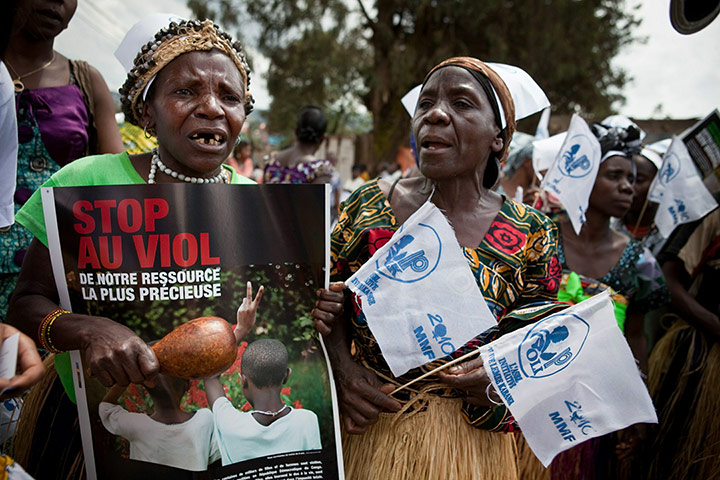
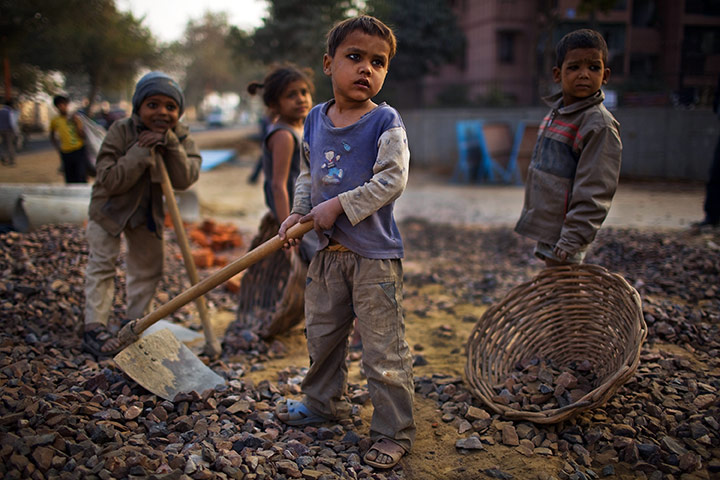
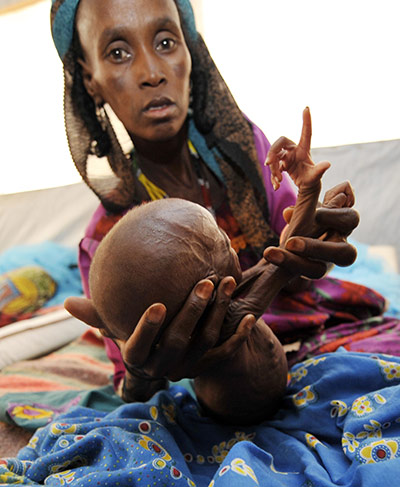
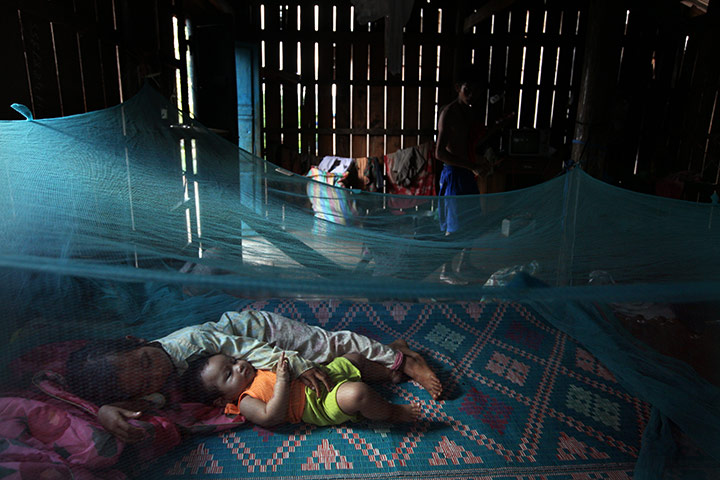
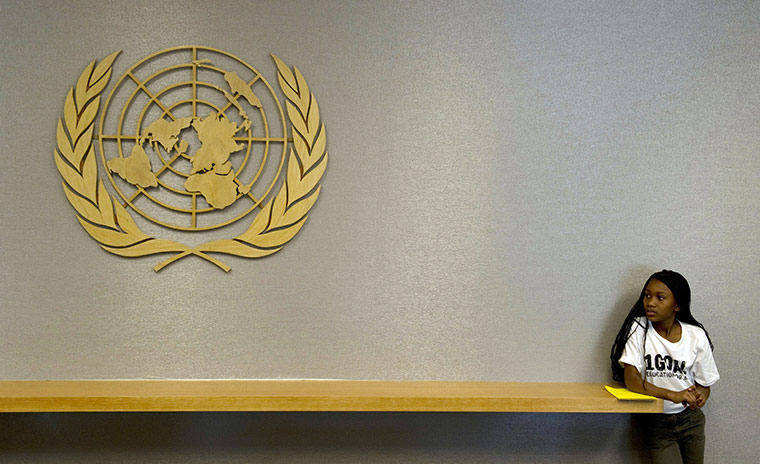
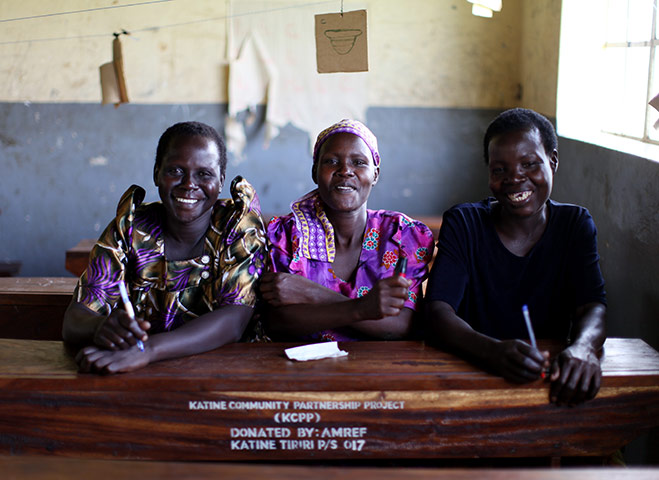
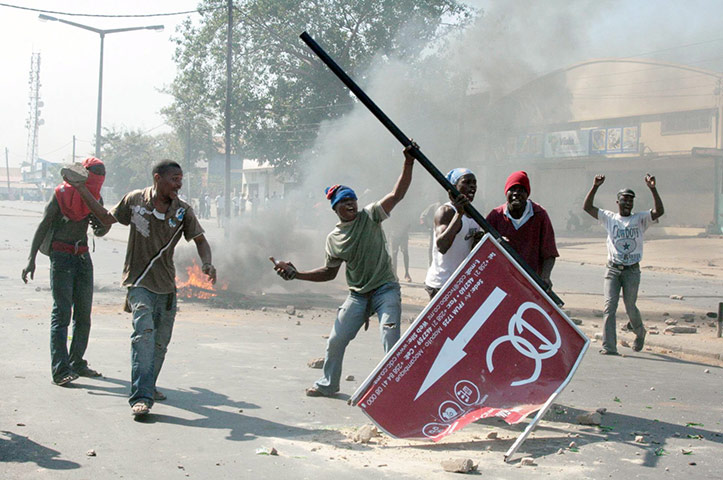
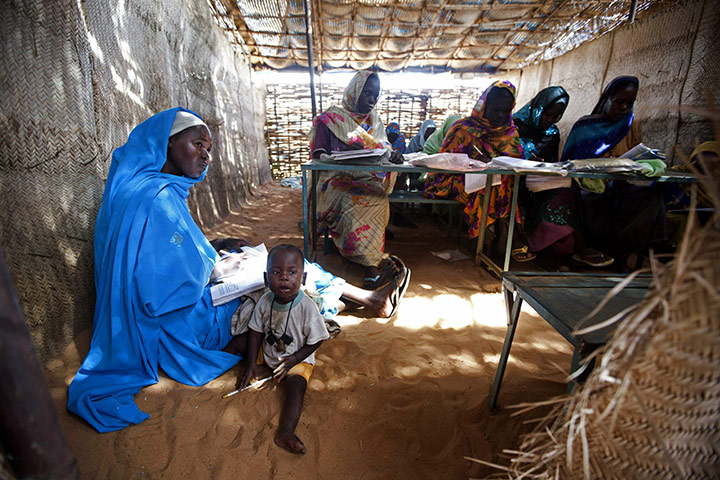
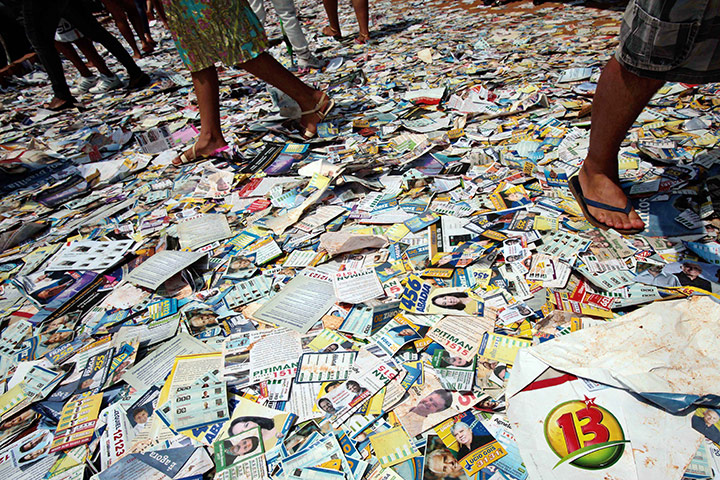
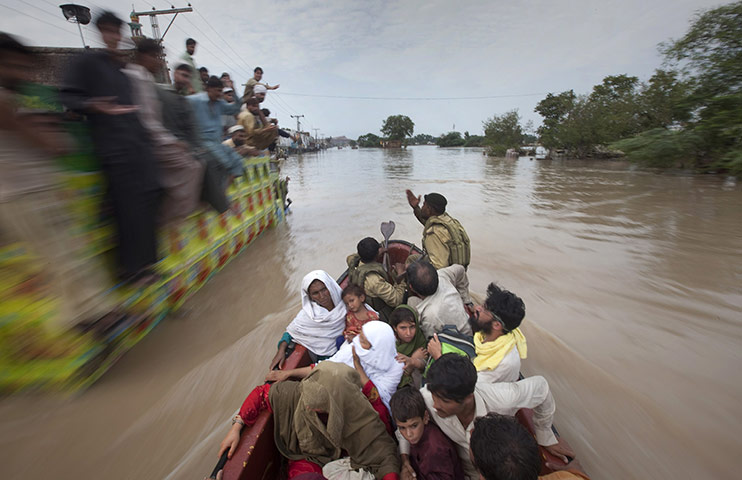
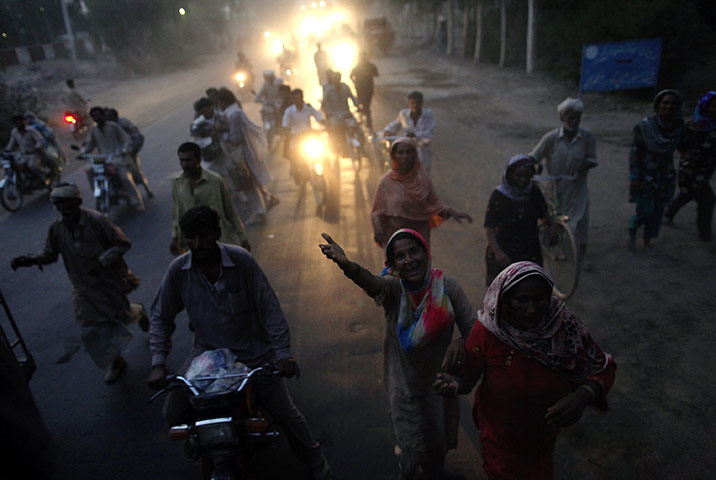
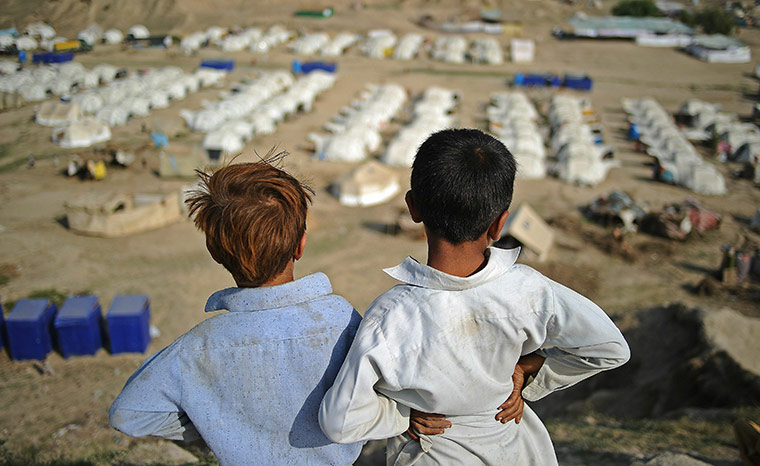
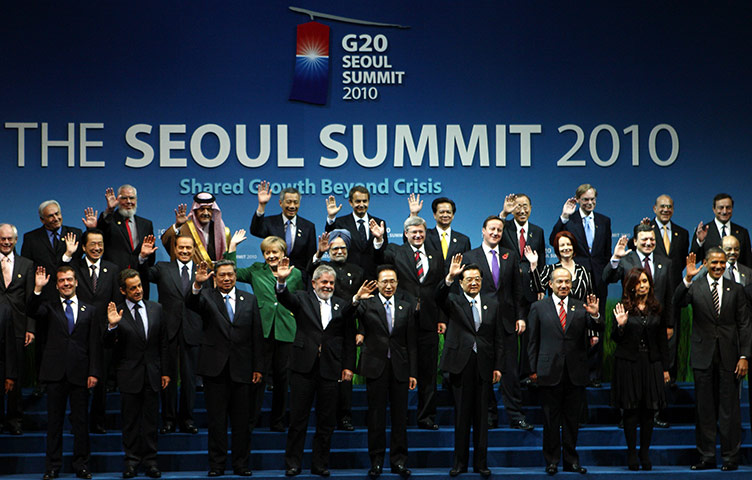
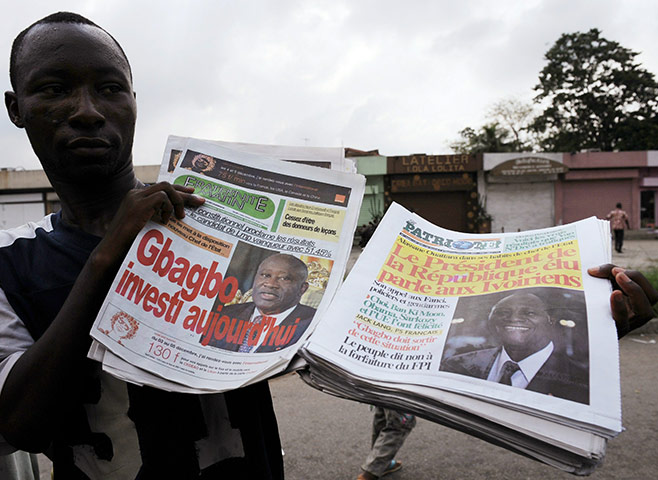
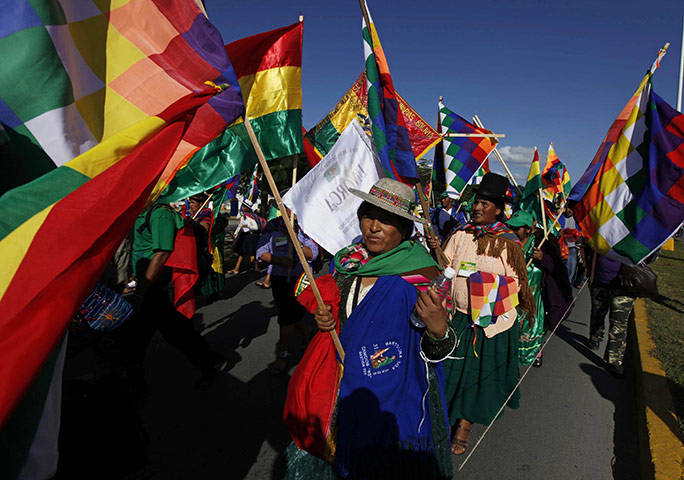
The UK's international development secretary, Andrew Mitchell, leaves a tent during his visit to a camp in PirSabaaq village in Pakistan in August. Mitchell took over as development secretary in May. The UK's coalition government has pledged to uphold Britain's commitment to spend 0.7% of GDP on overseas aid by 2013Photograph: A Majeed/AFPPygmy women participate in the world march of women in Bukavu, South Kivu Province in the Democratic Republic of the Congo, in October. The march was organised by an international feminist organisation and attracted about 20,000 women, among them was Olive Lembe Kabila, the wife of DRC president Joseph Kabila. Women from 43 countries took part. According to the UN, 15,000 cases of rape were reported in 2009 in the eastern provinces of DRCPhotograph: Gwenn Dubourthoumieu/AFP/Getty ImagesIndian children work with their parents (not in picture) at a construction site in front of the Jawaharlal Nehru Stadium in New Delhi, India, in January. The stadium was built for the Commonwealth Games in October. India was named as one of the countries with the worst records for child labour in the 2011 Child Labour IndexPhotograph: Daniel Berehulak/Getty ImagesA woman with her malnourished baby at an intensive nutritional rehabilitation centre in Tanout, southern Niger, in April. The UN's food agency doubled its aid to the country that month, as thousands joined a desperate exodus from parched farmland in western Africa's Sahel region. Around 10 million people have faced severe food shortages this year. The search for food has sent thousands flocking into Maradi, the main city in south central Niger, a vast arid country on the southern rim of the Sahara desert that has become the epicentre of a food crisisPhotograph: Sia Kambou/AFP/Getty ImagesYonta, six, with her sister Montra, three, and brother, Leakhena, four months. Montra and Leakhena lie under an insecticide treated bednet in their home in Prey Mong kol village in Pailin province, Cambodia, during monsoon season in July. The distribution of nets in this region, by the National Malaria Centre (CNM) and the WHO, has helped reduce cases of malariaPhotograph: Paula Bronstein/Getty ImagesTwelve-year-old Nthabiseng Tshabalala, from South Africa, waits for a meeting with the UN secretary general, Ban Ki-moon, during September's UN summit on the millennium development goals in New York. Queen Rania of Jordan and Nthabiseng delivered the 1GOAL Education petition to get every child in schoolPhotograph: Don Emmert/AFPBena Alenyo, Mary Amulo and Janet Achung sit at a desk waiting for the start of a meeting in Katine, a rural sub-county in north-east Uganda. The Guardian has been monitoring a development project in Katine, implemented by the NGO Amref, over the past three years. Full-time coverage of the project came to an end in October, but we will be returning to the sub-county to track progress in the years to comePhotograph: Graeme Robertson/GuardianRioters throw stones during food price riots in Maputo, Mozambique in September. At least seven people were killed and 288 injured after price rises triggered rioting in the country. The price of bread has increased by 30% in a year, hitting one of the world's poorest countriesPhotograph: KeystoneUSA-ZUMA / Rex Features/KUSSouthern Sudanese women attending classes at a centre for adult education at the Abu Shouq internally displaced people's (IDP) camp near El Fasher, north of Darfur, Sudan, in December. About 80 women attend classes in maths, Arabic and the Qur'an at the centre five days a week. Occasionally they participate in other activities sponsored by UN agencies and NGOs. The Women usually bring their children along to the centre, which has two teachersPhotograph: Albert Gonzalez Farran/AFP/Getty ImagesPeople walk among electoral leaflets outside a polling station in Brasilia, Brazil, in October. Dilma Rousseff become the country's first female president. Brazil has successfully launched cash transfer schemes as a means of tackling povertyPhotograph: Eraldo Peres/APA family rescued by army soldiers pass a cargo truck with men on top taking shelter from heavy floods in Nowshera, located in north west Pakistan, in July. Heavy monsoon rains have triggered the worst floods in decades in Pakistan's north west, killing hundreds of people and forcing thousands from their homes as authorities struggle to reach stranded villagersPhotograph: Adrees Latif/ReutersFlood victims in Pakistan's Muzaffargarh district of Punjab province, who had not received aid for three days, run after a truck to reach for food donated by a group calling themselves Muslim Brothers, in SeptemberPhotograph: Damir Sagolj/ReutersTwo boys look out over a large relief camp run by the national rural support programme, and aided by Oxfam, UNHCR and MSF at Charsadda district in Pakistan, in September, home to those displaced by the floodsPhotograph: Carl De Souza/AFP/Getty ImagesWorld leaders at the G20 summit, held in Seoul, South Korea, in November, wave during a group photo sessionPhotograph: Tomohiro Ohsumi/GettyA man in Abidjan holds newspapers bearing headlines relating to the disputed presidential election results in Ivory Coast. The paper on the left shows Laurent Gbagbo and reads: "Gbagbo to be confirmed in office today." On the right is a picture of Alassane Dramane Ouattara and reads: "The president of the republic speaks to all Ivorians." The country is facing civil war as Gbagbo refuses to concede power to Ouattara, who is universally regarded as having won the electionPhotograph: Issouf Sanogo/AFP/Getty ImagesActivists from Via Campesina, an international movement of peasant farmers, demonstrate during the UN climate change conference in Cancún, Mexico, in December. According to the UN weather agency, 2010 is "almost certain" to rank among the three hottest years on recordPhotograph: Eduardo Verdugo/AP
Sign up to read this article
Read news from 100’s of titles, curated specifically for you.