SAN DIEGO _ The jokes started right away, even though 39 people had died. Heaven's Gate felt ripe for ridicule.
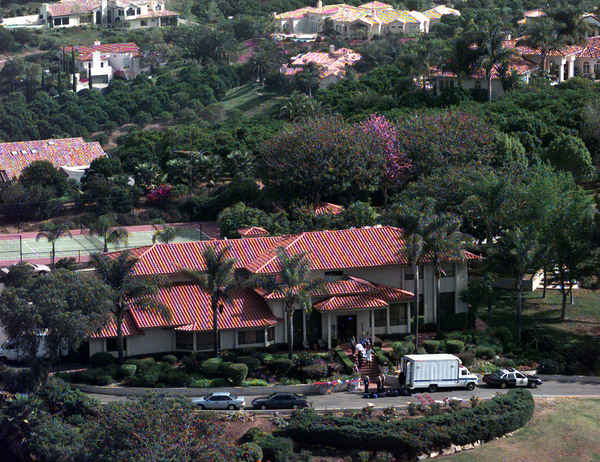
It happened 20 years ago this month. In a Rancho Santa Fe mansion, Marshall Applewhite, a preacher's son and former seminarian who had fashioned a religion that merged evangelical Christianity with New Age science fiction, led his followers in a ritualistic "exit" of their human shells. They were convinced they would literally ascend to a better world via a spaceship riding behind the Hale-Bopp comet.
They donned matching black track suits with customized patches identifying themselves as the "Heaven's Gate Away Team." They slipped on brand new black Nike shoes. They packed duffel bags.
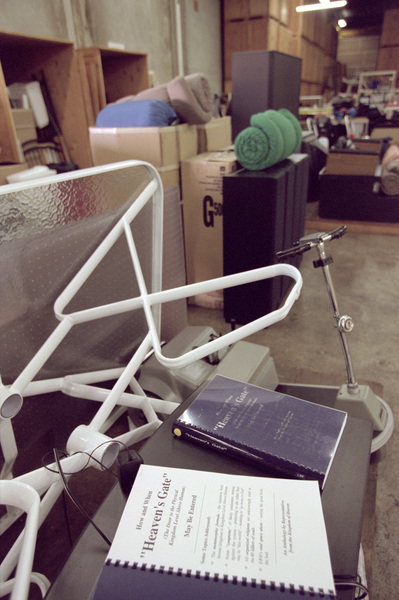
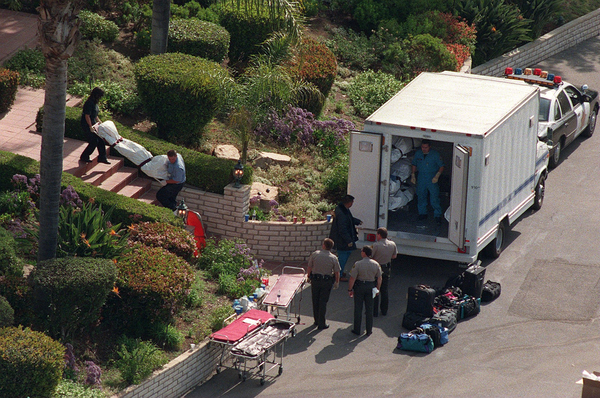
Then they ingested barbiturates swirled into applesauce or pudding, chased it down with vodka, tied plastic bags around their heads, climbed into bunk beds and died. They went in three waves over several days, so that those still earthbound could tidy up after those who had just left, draping purple shrouds atop the bodies.
Before their departures, group members filmed themselves making statements that explained why they believed what they believed and why they were happy about the opportunity to escape the impending Armageddon and move to what they called the "Level Above Human."
They didn't refer to it as suicide. They called it graduation. To them, those who stayed behind were the ones killing themselves.
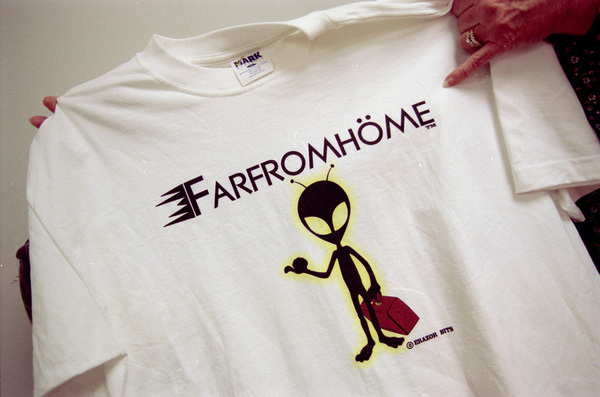
Copies of the goodbye tapes were sent to former members, including one who drove down from Los Angeles, went into the 9,000-square-foot, two-story mansion and saw all the corpses. He called 911. And soon enough the whole world began hearing about Heaven's Gate.
That's when the jokes started. One website riffed on Nike's slogan: "Just Did It." Another spoofed the cult members who ran a software company: "We kill ourselves working for you!" Late-night TV host David Letterman delivered one of his Top Ten lists, "Signs you are in a bad cult." (One of the signs: "Cult website is called www.nutcase.com.") "Saturday Night Live" did a skit.
When all the laughter faded, people moved on to other stories, got on with their lives. The mansion was razed, the name of the street where it sat changed to discourage looky-loos, and Heaven's Gate settled into its place as a bizarre footnote in San Diego County history.
For sociologists and religious studies scholars, though, Heaven's Gate remains in orbit. They continue to evaluate and write about the group's foundations, arguing whether it was fundamentally Christian or New Age, trying to put it in context with America's long history of spiritual yearning. They debate whether members were brainwashed into joining and staying. They discuss the timing of the suicides.
And they ponder a provocative question: Are the forces that helped shape Heaven's Gate still in play in American society?
Or, to put it another way, could it happen again?