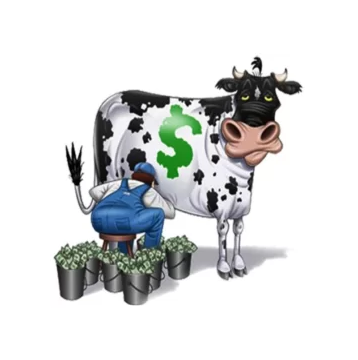

You know that sneaky feeling you get when something doesn’t quite add up—your bill, your receipt, your monthly subscriptions—yet you shrug it off because who has the time to investigate every little thing? That’s exactly what companies are counting on. In a world of tiny fees, upsells, and cleverly disguised “conveniences,” regular people are losing money in ways so ordinary they barely notice.
The trouble is, a few dollars here, a mystery charge there, and suddenly your wallet feels lighter than your morning latte. So let’s dive into the everyday ripoffs happening right under your nose and expose them once and for all.
1. Hidden Bank Fees
Banks love adding fees with names so vague you need a dictionary and a legal consultant just to decode them. Many people don’t notice these charges because they look tiny and harmless on their statements. Over time, though, they add up far more than you’d expect. Most customers don’t even bother fighting them, which is exactly why banks keep charging them. Knowing what each fee means can help you stop the slow leak.
2. Convenience Charges
Ever buy a ticket and see an extra “convenience fee” added for no reason? These charges are basically companies charging you more for doing the work yourself online. People accept them because they feel normal—but they’re often nothing more than disguised profit. These fees crop up in everything from concerts to utility bills. The more you ignore them, the more they grow.
3. Premium Gas Upsells
Gas stations tempt drivers into thinking their cars need premium fuel to “perform better.” In reality, most vehicles run perfectly fine on regular gas. Drivers spend extra money for benefits they will never actually feel. It’s a psychological trick wrapped in shiny pump graphics. Unless your manual demands it, premium gas is usually just a premium ripoff.
4. Overpriced Airport Food
Airports know you’re trapped and desperate, which makes it the perfect environment for inflated food prices. A simple sandwich can cost more than an entire restaurant meal outside the terminal. Travelers pay because they assume everything inside the airport should be expensive. The truth is, convenience is the justification—and the trap. If you don’t prepare ahead, your wallet pays for your hunger.
5. Subscription Renewals
Most people sign up for trials intending to cancel later, but forgetting is nearly guaranteed by design. Companies bank on your distraction and auto-renew your subscription without warning. Those “small monthly charges” stack up shockingly fast. Many users don’t even realize they’re paying for something they rarely use. Reviewing subscriptions monthly can save you a surprising amount.
6. Cable Packages You Don’t Need
Cable companies bundle channels to make you feel like you’re getting a deal. In reality, you’re paying for dozens of channels you’ll never watch. The packages are intentionally constructed to force you to overspend. Customers often keep them because canceling is a hassle. The system works so well that many barely question it.
7. Gym Membership Traps
Gyms count on people not showing up. They often lock users into complicated contracts that make cancellation nearly impossible. Many people continue paying simply to avoid the headache of confronting customer service. It’s one of the most common long-term ripoffs people accept. Gyms profit most from your absence, not your attendance.
8. Bottled Water Markups
Bottled water is one of the biggest financial illusions of modern life. Most brands sell water that’s barely different from filtered tap water. The marketing makes it look clean, pure, and essential. People buy it out of habit, not necessity. Over years, the cost difference becomes staggering.
9. Extended Warranties
Cashiers pitch them as lifesavers, but extended warranties often overlap with existing manufacturer coverage. Many customers buy them out of fear rather than logic. In most cases, they’re never used at all. Retailers love them because they’re pure profit. Without reading the fine print, you’re almost guaranteed to overspend.
10. Hotel Mini-Bar Prices
Everyone knows mini-bars are expensive, but the true ripoff is just how extreme those markups can be. People in a hurry or arriving late at night often grab an item without thinking. Hotels rely on that tired hunger to make easy money. Even worse, some sensors charge you the moment you move a product. It’s a luxury trap with a sneaky twist.

11. Phone Storage Scare Tactics
When your phone warns you about low storage, the prompt to upgrade is right there—and irresistible. Many people assume they must buy more space. But the real solution is often deleting unused apps or backing up old photos. Companies prey on digital clutter to upsell more storage. It’s a modern ripoff disguised as necessity.
12. Branded Grocery Items
Generic and store-brand products often use the same ingredients as name-brand items. Yet shoppers reach for the brand they recognize, paying extra for a familiar logo. Marketing convinces you that more expensive means better. Meanwhile, identical items sit right next to them, quietly saving savvy shoppers money. Recognizing the difference can cut grocery bills dramatically.
13. Sneaky Delivery Fees
Ordering food seems simple until the final screen shows a confusing stack of add-on charges. Delivery fees, service fees, and mystery fees inflate your total before tax even hits. Customers accept them because the convenience feels worth it. Restaurants and apps rely on that exact mindset. Transparency rarely makes these fees easier to swallow.
14. “Sale” Prices That Aren’t Real
Retailers love marking items up just to “discount” them later. The red numbers and slashed labels trick your brain into thinking you’re winning. Most customers never realize the sale price is often the normal price. It’s psychological manipulation at its finest. Knowing your price history helps you avoid falling for fake deals.
15. Streaming Service Rotations
Streaming platforms remove shows just long enough to make you subscribe to another service. Then they move them back months later. This content shuffle forces viewers into paying for multiple platforms. Companies use FOMO as a financial weapon. Staying aware can keep your entertainment budget from ballooning.
16. Credit Card Interest Tricks
Credit card companies thrive on confusion. Minimum payments look small and harmless, but they keep you in debt far longer. Many customers don’t understand how fast interest multiplies. That lack of clarity is intentional. Unless you stay vigilant, interest becomes an invisible thief.
17. Coffee Shop Upsizing
Baristas casually ask if you want a larger size, and many people upgrade without thinking. The price jump for a few more ounces is often ridiculous. It feels like a treat, not a trap. Over months, that simple upsell adds up more than you’d expect. It’s small-scale manipulation with big long-term effects.
18. Automatic Gratuity Surprises
Some restaurants add automatic tips without telling you clearly. Diners often tip on top of that, not realizing they’re double-paying. It’s a subtle tactic that takes advantage of rushed or distracted customers. While tipping is normal, sneaking extra charges isn’t. Checking receipts avoids these surprise ripoffs.
19. Cheap Products That Wear Out Fast
Buying the cheapest option feels smart in the moment. But low-quality products often break or wear down quickly. Over time, replacing them costs more than buying a durable item once. Companies profit from planned obsolescence. Longevity matters more than price tags.
20. Sneaky App Microtransactions
Apps lure you in with free access, then tempt you with tiny upgrades. A dollar here, three dollars there—it feels harmless. But those microtransactions add up faster than most people expect. Companies design them to trigger impulse spending. Without tracking them, you’re quietly losing cash.
Are You Getting Ripped Off Too?
The truth is, everyone gets ripped off sometimes—because the sneakiest traps are built into everyday life. But the more aware you become, the harder it is for companies to slip charges past you unnoticed. Knowledge is your best defense against the tiny financial leaks that drain your wallet. So take a moment to look closer the next time something seems “normal.”
Have you spotted other everyday ripoffs? Share your thoughts, stories, or discoveries in our comments section.
You May Also Like…
20 Ways You’re Getting Ripped Off in America—And How to Avoid Them
14 Everyday Jobs That Deserve Hero Status But Never Get It
6 Ways Amusement Parks Quietly Raise Prices Beyond Ticket Sales
10 Grocery Store Layouts That Push Impulse Spending
7 Sneaky Things Retailers Do to Keep You Spending
The post 20 Everyday Ways You’re Being Ripped Off Without Realizing It appeared first on Everybody Loves Your Money.