The year 2021 holds several important implications for the State of Qatar both internally and internationally. Perhaps the most prominent internal achievement of the State of Qatar is the holding of the Shura Council elections for the first time in the country’s history. This is within the framework of the ambitious policy pursued by the State of Qatar to develop its legislative mechanism by expanding the popular participation in the way that reflects the value of Qatari constitution and Qatar National Vision 2030.
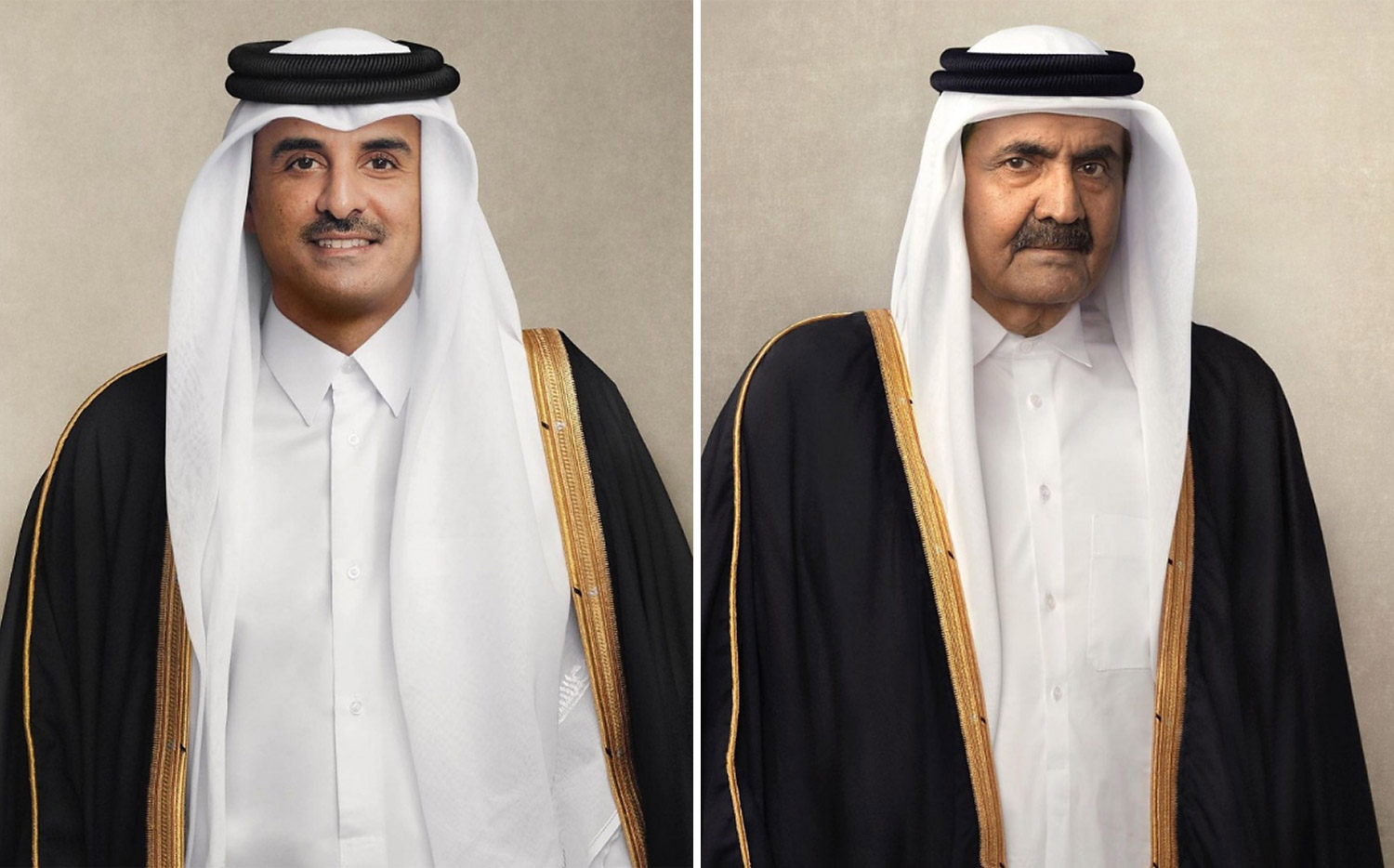
In realisation of the vision of HH the Emir, as announced in his speech at the opening of the 49th session of the Shura Council in 2020, the first legislative elections to pick members of the elected Shura Council took place on Saturday, 2 October 2021. Qatari citizens were keen to show the spirit of responsible citizenship and fulfil the national duty of effective participation in this historic event, with 63.5% of the total registered voters casting their votes.
The Shura Council represents Qatar in numerous parliamentary associations and international organisations. This includes the Inter-Parliamentary Union, the Arab Inter-Parliamentary Union, the Arab Parliament, the Parliamentary Union of the OIC Member States, the Asian Parliamentary Assembly, and the Association of Senates, Shura & Equivalent Councils in Africa & the Arab World.
The Shura Council comprises a total of 45 members, 30 of whom are directly elected via secret general ballot, whilst the remaining 15 are appointed by HH the Emir. Shura Council membership shall end in the event of death, total disability, expiration of membership term, resignation, termination of membership, or dissolution of the Shura Council.
Qatar’s Shura Council was established in 1972, following the passing of the Amended Provisional Basic Law of Rule in the State of Qatar on 19 April 1972, to assist His Highness Sheikh Tamim Bin Hamad Al Thani, Emir of the State of Qatar, and the Council of Ministers in the performance of their duties.
The Shura Council election is considered as an important step to enhance political participation. It also won international acclaim for the first legislative election in the history of the State of Qatar. The Secretary-General of the United Nations António Manuel de Oliveira Guterres, valued the step, adding that he was aware of all measures taken by Doha for participatory and inclusive elections.
Doha, capital of mediation and conflict resolution
Under the wise leadership of His Highness Sheikh Tamim Bin Hamad Al Thani, the Emir of the State of Qatar, “May the Almighty Allah protect him”, Qatar has mediated in regional and international portfolios, investing its diplomatic and political efforts at the regional and international levels in mediating between factions, entities and countries, with the request of the concerned parties, and without interfering in the internal affairs of others, with a view to achieving convergence of views and find sustainable solutions for conflicts and differences.
Qatar hosts negotiations between conflicting parties and contributes as a facilitator of dialogue between them. Those efforts have resulted in many successes that brought about and maintained international peace and security. The State of Qatar views the consolidation of peace in a comprehensive manner, and not just in the absence of violence. Peace is maintained through reconciliation and justice, and the promotion of human development, especially in the areas of education and public health, the creation of jobs, economic recovery, and the political and economic integration of youth, the defence of human rights and the promotion of social cohesion by rejecting injustice and exclusion.
The State of Qatar stresses the importance of the role of the Security Council in its support of mediation and preventive diplomacy that the international community should consolidate, as many conflicts can only be solved through multilateral efforts.
“The foreign policy of the state of Qatar is based on the principle of enhancing international peace and security through encouraging the resolution of international conflicts by peaceful means, supporting the right of the peoples to self-determination, abstaining from interference in the internal affairs of other countries, and cooperating with all nations that seek peace.” (Article 7, The Constitution of the State of Qatar)
Recently, Qatar’s efforts to resolve the Afghan conflicts and its hosting of the dialogue sessions between various parties have emerged. With Qatari
mediation, on 12 September, historic negotiations were launched in Doha between the Afghan Government and the Taliban movement with the support of the United States, to end the 42 years of armed conflict in Afghanistan. The
efforts of the State of Qatar and its key role in conducting and transferring more than 700,000 people from Afghanistan where it received praise from the international community.
Before that, Qatar played the role of mediator in the negotiations between Washington and the Taliban, which resulted in the signing of a historic agreement, in late February 2020, for a gradual US withdrawal from Afghanistan and the exchange of prisoners. Doha is also enhancing its international standing, and among its achievements are its success in diplomatic mediation in Palestine’s internal negotiations, the recent ceasefire as well as calm efforts in the Gaza Strip.
ALL EYES WILL BE ON QATAR’S HOSTING OF THE 2022 FIFA WORLD CUP
The State of Qatar is one of the sponsors of the UN resolution on sports for development and peace, highlighting the importance of sports in enhancing development, peace, respect and tolerance, and thereby achieving an active and healthy community. Therefore, the State of Qatar gives greater importance to sports, through hosting numerous international sports events. The value of sports culture in the State of Qatar is reflected through launching local and international initiatives including the National Sports Day and “Doha Goals” initiative.
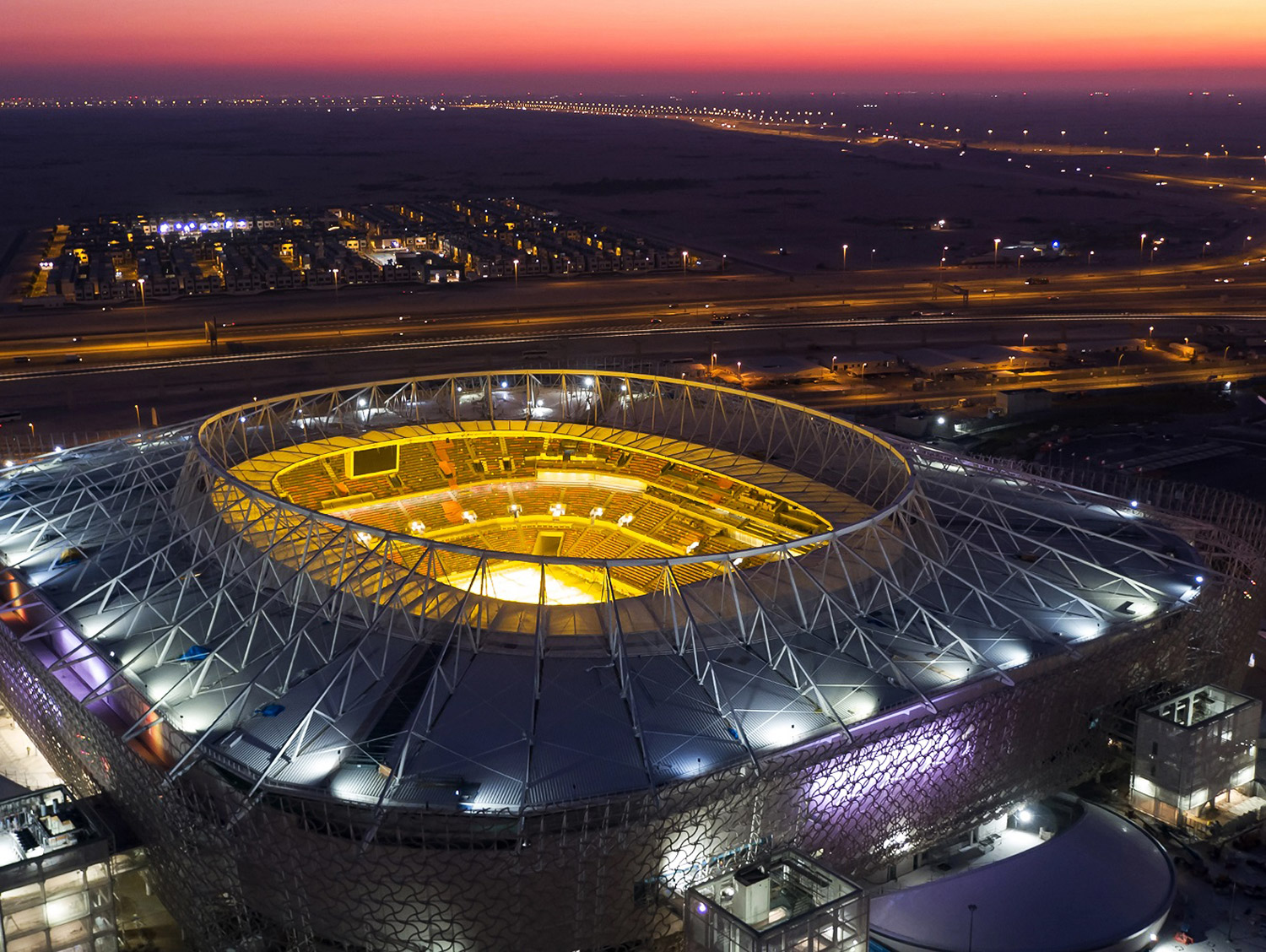

The State of Qatar is preparing to host the World Cup in Doha in 2022. The World Cup will accelerate the pace of development on a national level in regards to the infrastructure, taking into consideration national laws which the state of Qatar works to amend and implement, in accordance with international laws and regulations.
The first World Cup in the Middle East and Arab world will kick off on 21 November and conclude on 18 December — Qatar National Day.
And since Qatar has won the rights to host the World Cup in 2010, it immediately started a race against time to fulfil its commitment in the hosting role and to fulfil its promises to organise an exceptional edition of the Football World Cup. Qatar’s infrastructure projects, including stadiums and training sites, have reached 95% completion. Four stadiums have been inaugurated, the metro is up and running and a host of expressways have been built.
More than a million fans are expected to travel to Qatar for the tournament, which will be the most compact version of the World Cup in modern history. Fans, players and officials will fly into one airport and stay in one accommodation.
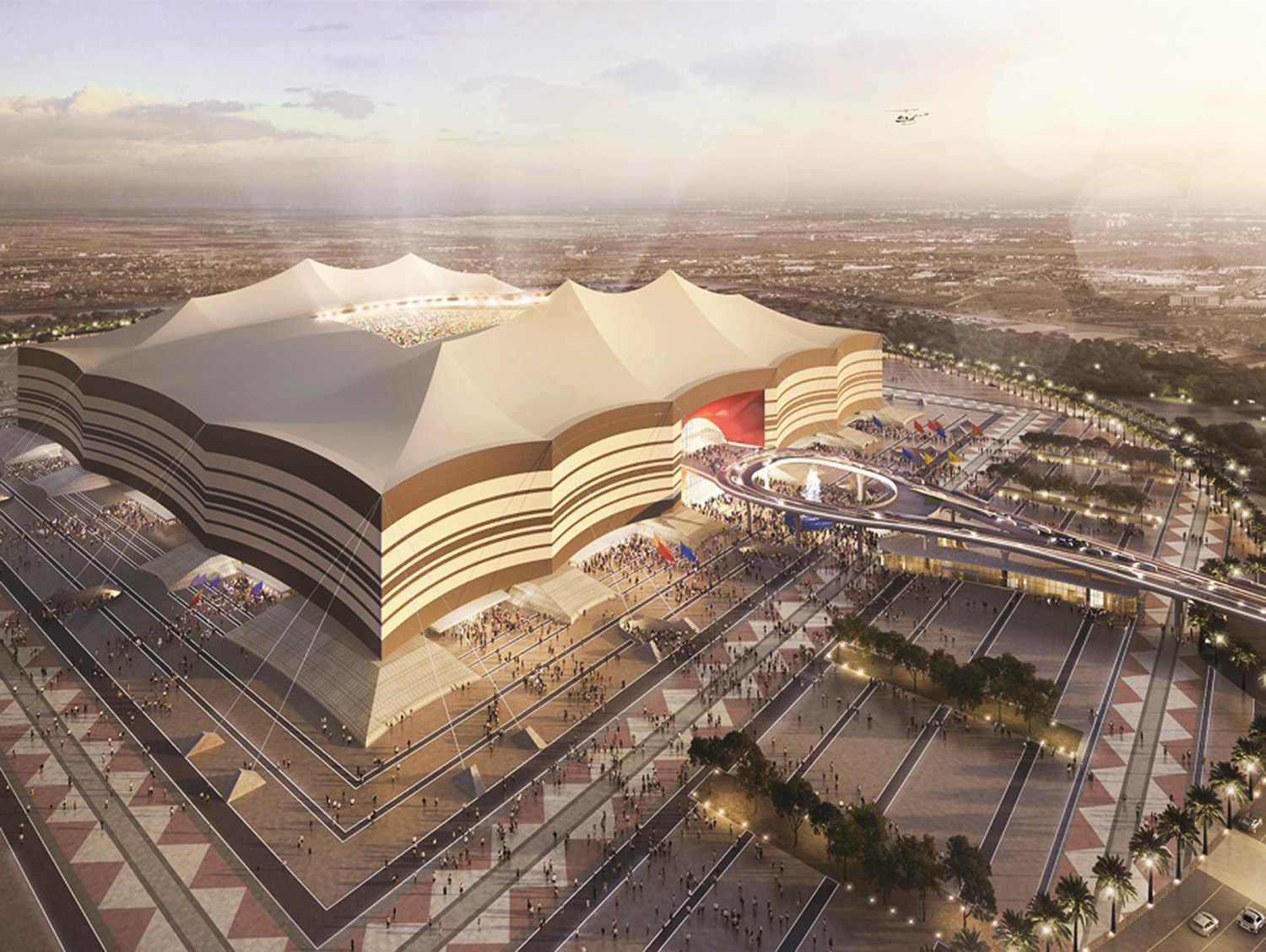
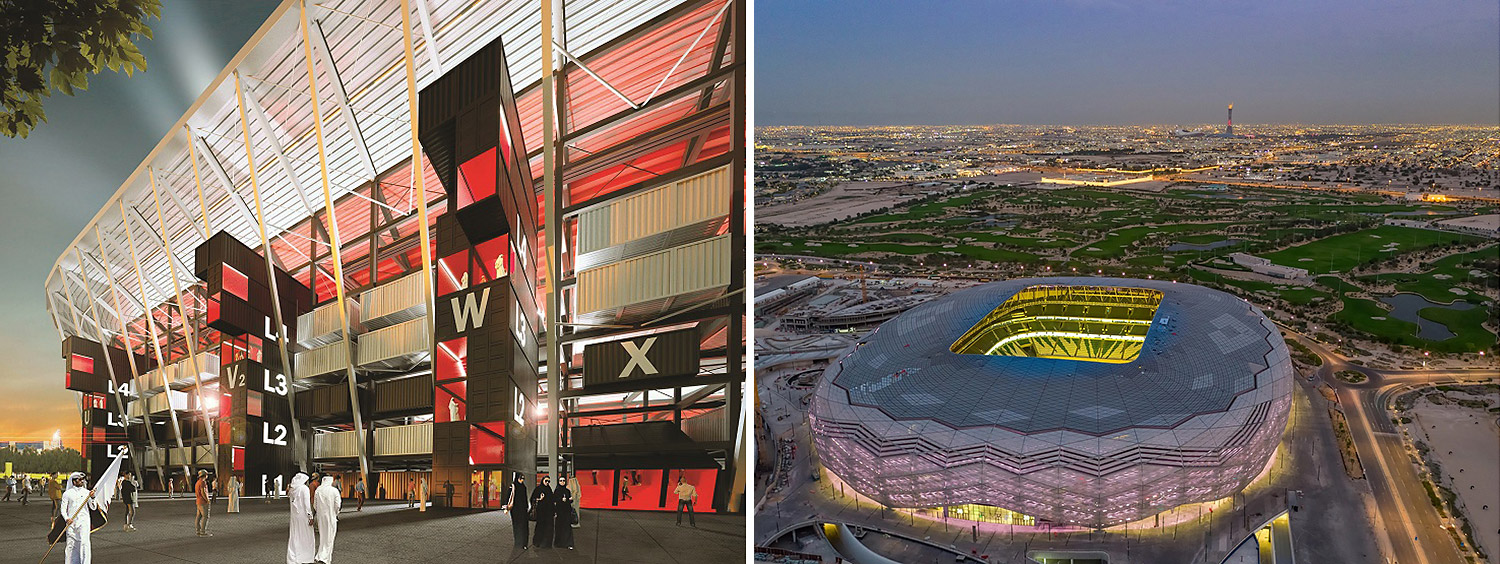
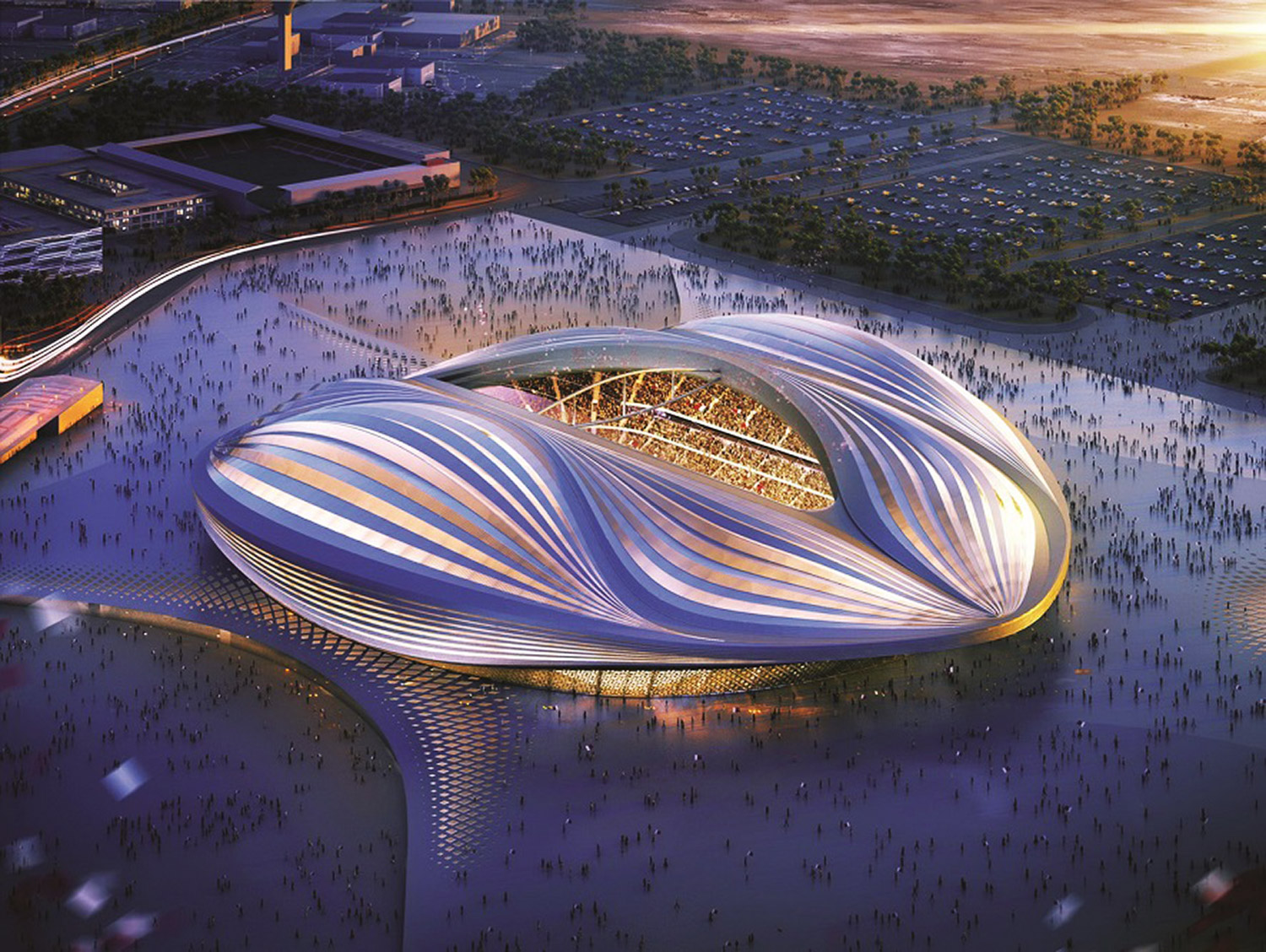
Eight stadiums will host matches during Qatar 2022. Five have already been completed: Khalifa International, Al Janoub, Education City, Ahmad Bin Ali and Al Bayt. The remaining three — Al Thumama, 974 and Lusail — will be completed by the end of this year.
The stadiums each have unique designs which celebrate Qatari and Arab culture. Al Bayt — designed to resemble a traditional desert tent — will host the opening match, while Lusail will host the final. Al Janoub pays tribute to Al Wakrah’s seafaring past, while Al Thumama is designed to resemble the ‘gahfiya’ — a cap worn by men across the region.
All the stadiums have dedicated legacy plans. The majority feature a range of community facilities, with some set to be repurposed after the tournament. Seats will be removed from some stadiums and donated to countries which lack sporting infrastructure — to ensure the tournament’s positive legacy is felt far and wide.
Qatar 2022 will also feature the first fully dismountable stadium in World Cup history. 974 stadium is made from shipping containers which will be repurposed immediately after the tournament and turned into facilities in Qatar and overseas. All the stadiums are mandated to achieve four-star ratings from the Global Sustainability Assessment System.
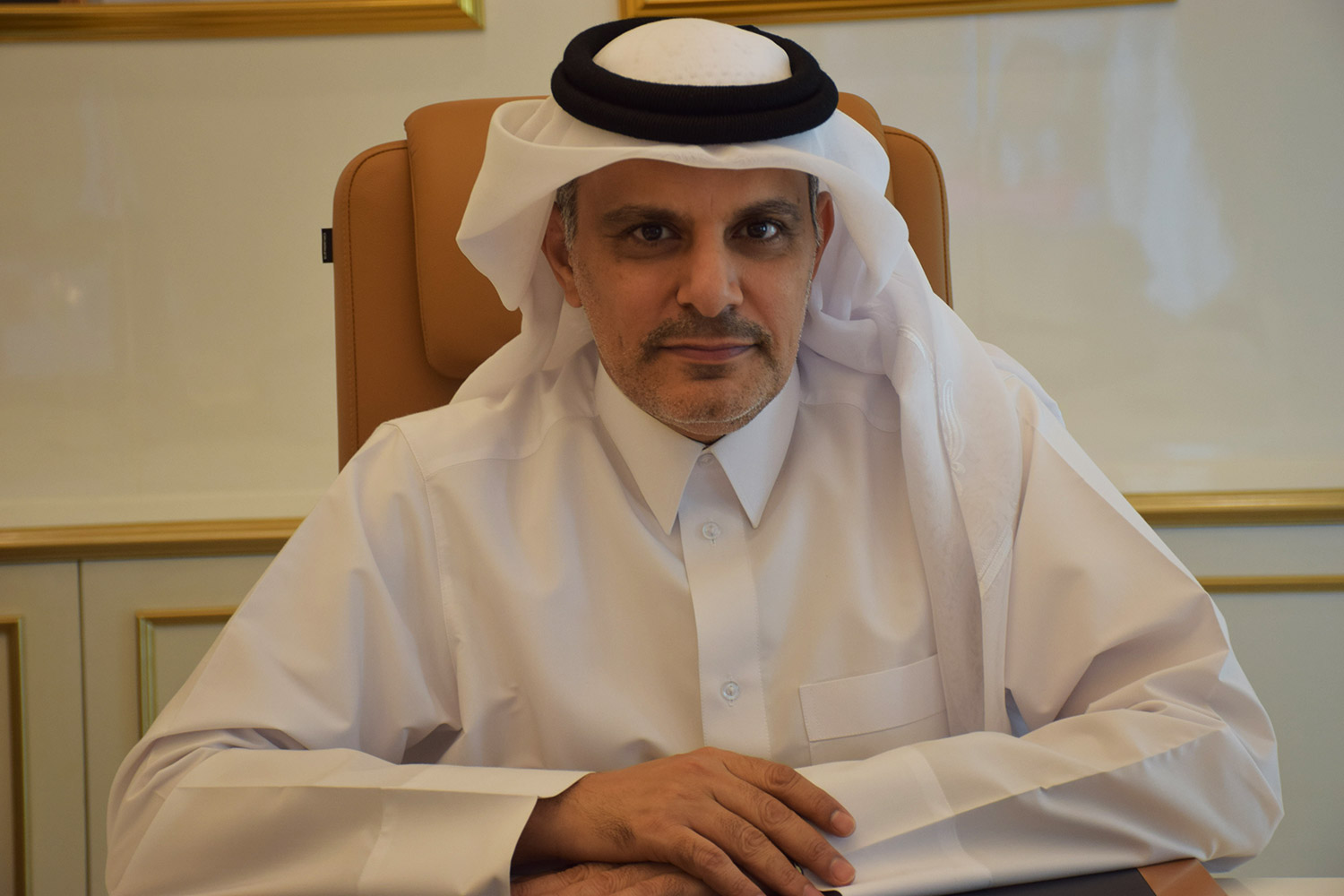
The Message of His Excellency Ahmed Bin Ali Al Tamimi
Ambassador of the State of Qatar to the Kingdom of Thailand
I am pleased to extend my sincere congratulations and blessings to His Highness Sheikh Tamim Bin Hamad Al Thani, the Emir of the State of Qatar, and to His Highness the Father Emir Sheikh Hamad Bin Khalifa Al Thani, and to the Qatari people on the glorious occasion of the National Day of the State of Qatar.
Our celebration of this important day is a great occasion in which we pause to renew loyalty and belonging to the wise leadership and to our dear country. It is an occasion in which the Qatari people celebrate the anniversary of the founding of the state to protect it and consolidate its independence and sovereignty under the insightful vision of His Highness the Emir.
The National Day comes this year as our country is witnessing the first elections of the Shura Council, in the interest of the state for the real participation of the people of the country, and our foreign policy this year had tangible achievements that won international praise, especially in the efforts of the State of Qatar in mediation, conflict resolution and laying the foundations of peace and understanding between countries. Our country is experiencing a historic moment with the unveiling of the countdown clock for the 2022 World Cup promises to be an unparalleled version of the World Cup, which we hope will bring about a major transformation in hosting the World Cup tournaments.
On this honourable occasion, I would like to commend the developed relations between the State of Qatar and the friendly Kingdom of Thailand, as more than 41 years have passed since the establishment of diplomatic relations between the two countries, where cooperation relations are witnessing further development and prosperity. I also express my full confidence in the future of relations and the increase in bilateral cooperation between them.
On the occasion of the celebration of the National Day by the friendly Thai people, I would like to take this opportunity to express to His Majesty King Maha Vajiralongkorn Phra Vajiraklaochaoyuhua of the Kingdom of Thailand, our wishes of good health and happiness, and to the friendly Thai people continued progress and prosperity.
We pray Almighty Allah to repeat this occasion while our country continues to enjoy security, well being and increasing prosperity under the wise leadership of His Highness, the Emir of the country.
Our valued readers can review the attached introduction and learn more through it about the State of Qatar.
- Embassy of the State of Qatar
- 20th Floor, Athenee Tower
- 63 Wireless Rd., Lumphini
- Pathumwan, Bangkok 10330
- Phone: +66 (0) 2660 1111