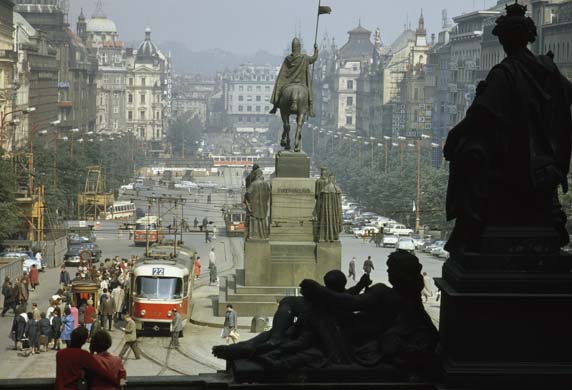
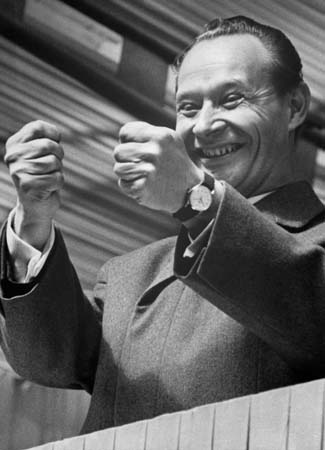
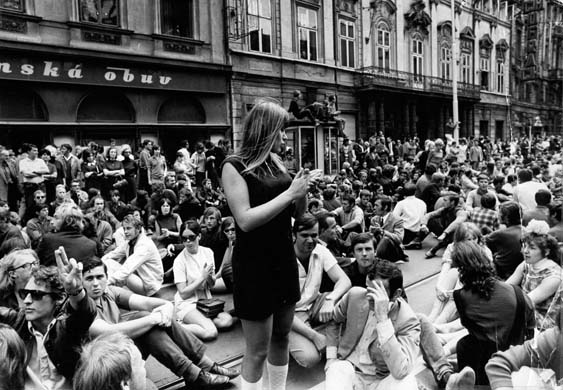
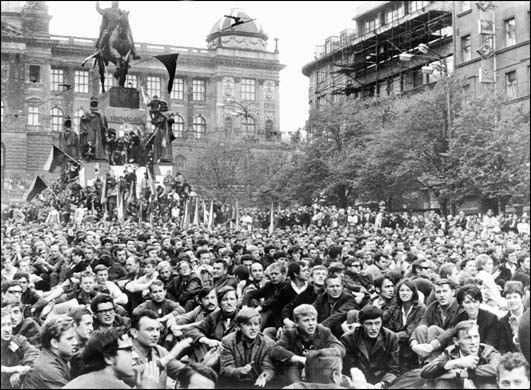
A statue of the Catholic king St Wenceslas, on Wenceslas Square, Prague, in February 1968. Czechoslovakia is at the beginning of a period of political liberalisation after the reformist Alexander Dubček comes to power as prime ministerPhotograph: James P. Blair/GettyDubček smiles as he speaks to Communist party leaders on May 1. With popular support, he has begun rolling back communist orthodoxy in the economy and moving towards democracy by granting more freedom to the media and individualsPhotograph: Bettmann/CorbisStudents during a sit-in. As liberalisation rolls forward and anti-Soviet opinions begin appearing in the press, the USSR and leaders of the Warsaw pact countries become concerned about Dubček's reforms, fearing they could spread to their own countriesPhotograph: Getty
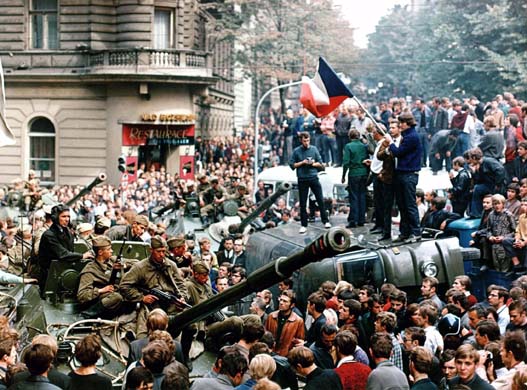
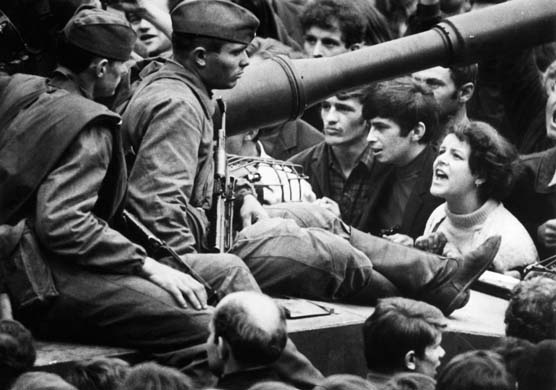
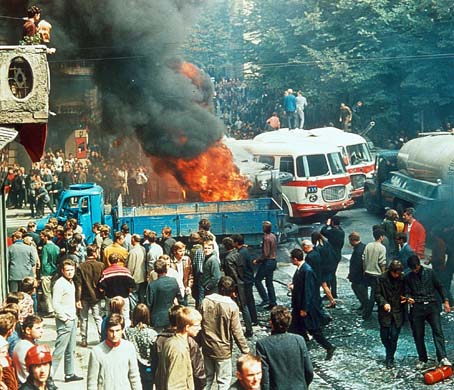
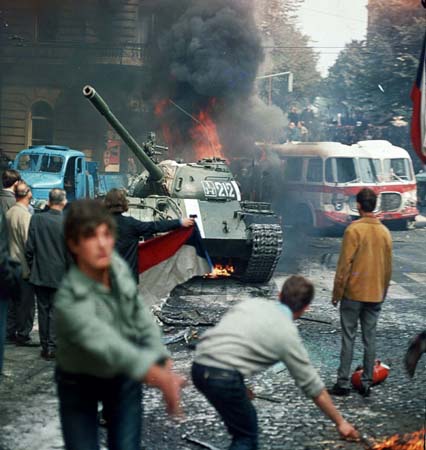
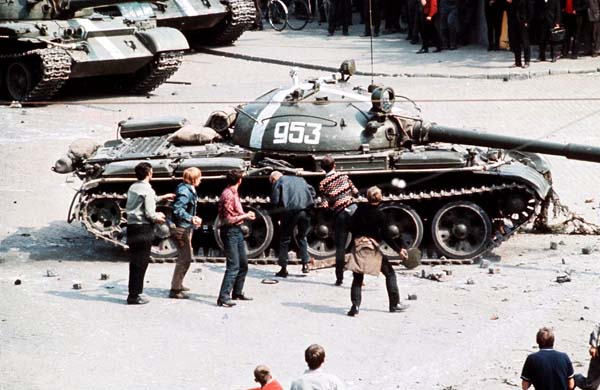
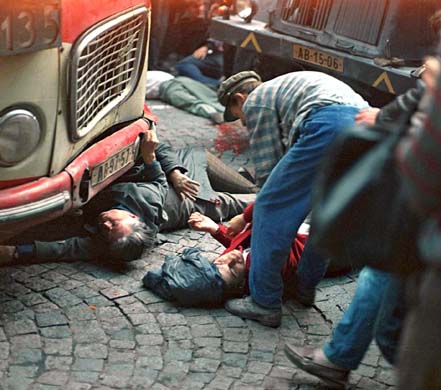
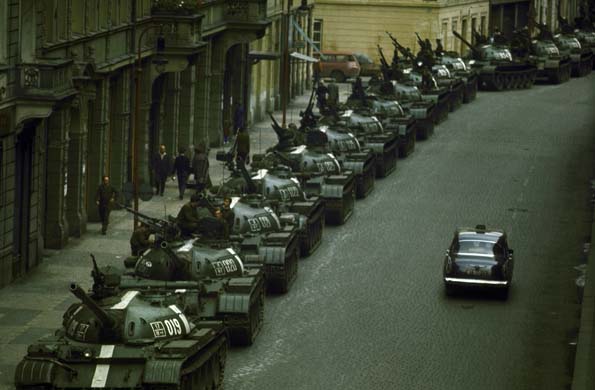
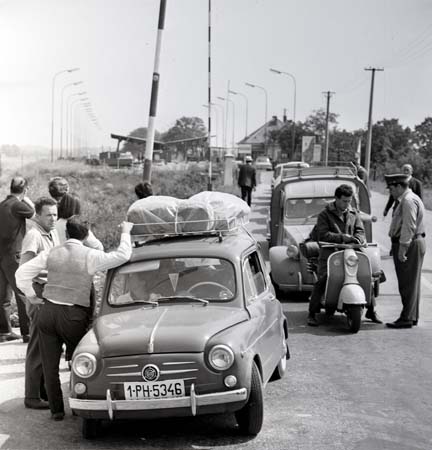
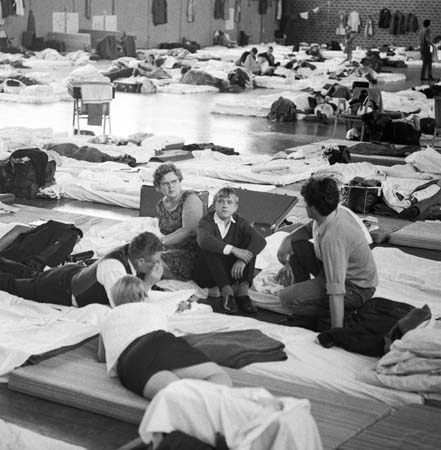
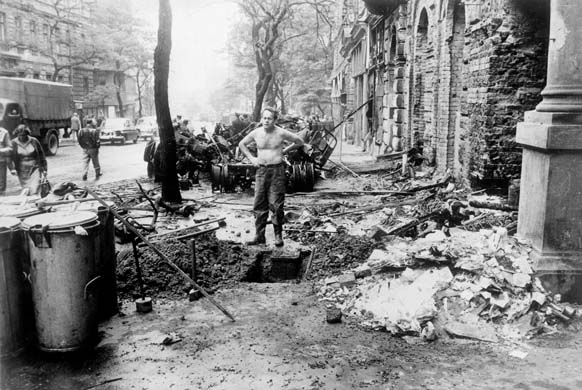
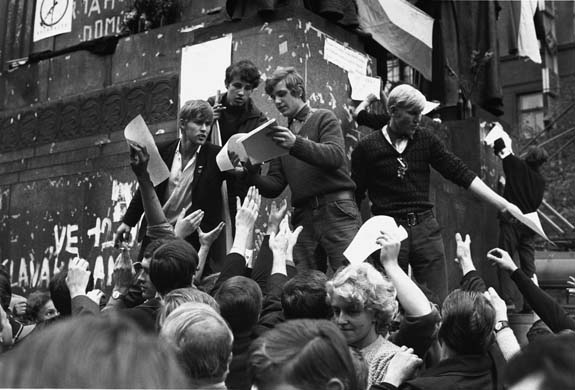
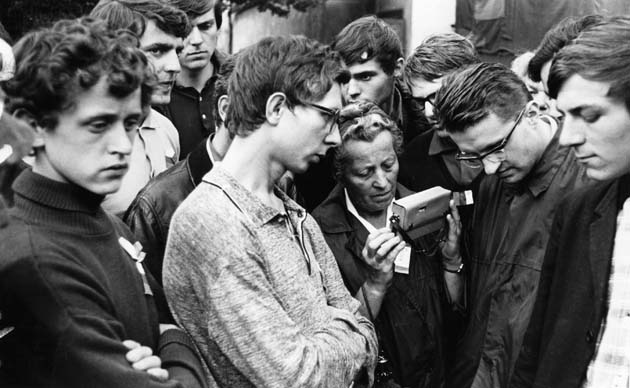
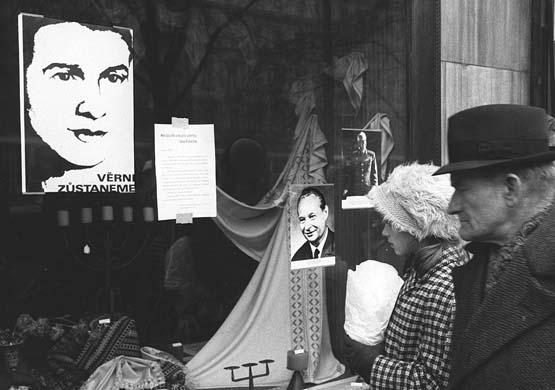
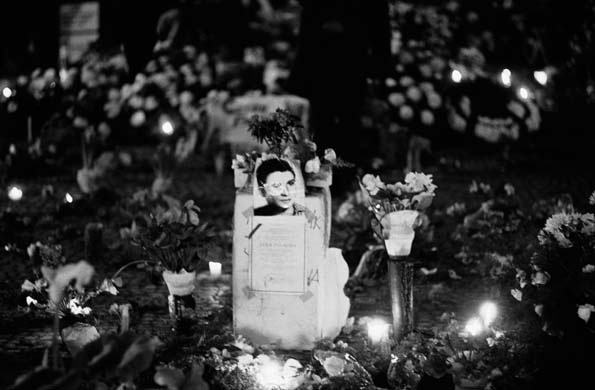
Prague youngsters holding a flag stand atop an overturned truck as other residents surround Soviet tanksPhotograph: AFPA Czech girl shouts "Ivan go home!" at soldiers sitting on a tank in PraguePhotograph: CorbisPrague residents holding Czechoslovakian flags demonstrate in Wenceslas SquarePhotograph: AFPAn anti-Russia demonstrationPhotograph: Rex FeaturesPrague residents carrying a Czechoslovakian flag and throwing burning torches attempt to stop a Soviet tankPhotograph: AFPDemonstrators throw stones at Russian tanksPhotograph: Rex FeaturesA man tries to help people killed and wounded in PraguePhotograph: AFPA car passes dozens of Russian tanksPhotograph: Bill Ray/GettyCzechoslovakian refugees at the Austrian borders, end of AugustPhotograph: GettyAustrian refugee camp for CzechoslovakiansPhotograph: GettyAugust 31: A man stands amidst the wreckage left by the Soviet invasionPhotograph: AFPSeptember 3: Students distribute underground literature in Wenceslas SquarePhotograph: CorbisSeptember 10: Czechoslovakians listen to a radio for news of the uprisingPhotograph: CorbisJanuary 24 1969: People pay tribute in Wenceslas Square where Jan Palach burned himself to death earlier that month to protest against the Soviet occupation. At left is a picture of Palach; in the middle is Alexander Dubček; and on the right is the Czechoslovakian president, Ludvík SvobodaPhotograph: Gerard Leroux/AFPTens of thousands of people follow Jan Palach's coffin. His name becomes synonymous with the ill-fated Prague SpringPhotograph: Henri Bureau/Corbis
Sign up to read this article
Read news from 100’s of titles, curated specifically for you.