Listen to Simon Baker, the curator of Conflict, Time, Photography, talk about the exhibition
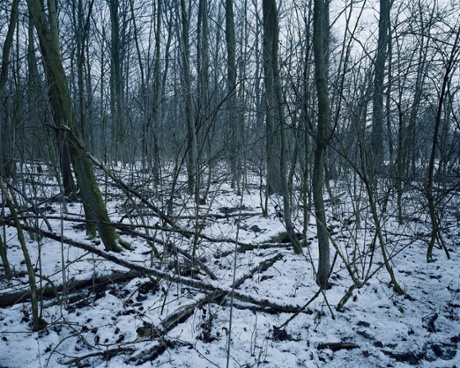
99 years after the start of the first world war, Chloe Dewe Mathews photographed the locations where British, French and Belgian soldiers were executed for cowardice and desertion on the Western Front
Photograph: Chloe Dewe Mathews. Courtesy of the artist
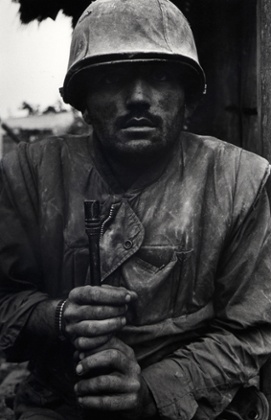
The Marine’s fixed gaze, barely registering the presence of the camera, testifies to the traumatic experience of combat
Photograph: Don McCullin. Courtesy of Hamiltons Gallery, London
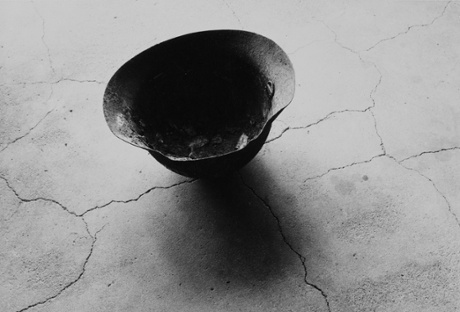
Shomei Tomatsu depicted the continued impact of the atomic bomb on Nagasaki in poetic imagery
Photograph: Shomei Tomatsu. Courtesy of Taka Ishii Gallery, Tokyo
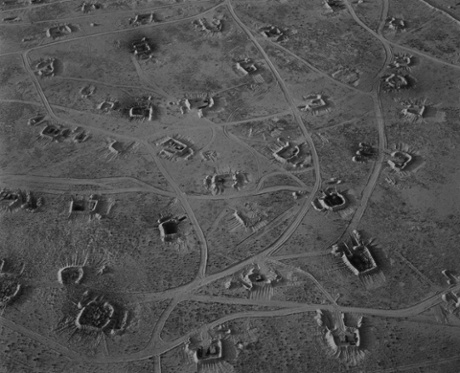
Sophie Ristelhueber’s aerial views of the desert landscape of Kuwait after the first Gulf War evoke the technology of modern warfare, which relies on aerial bombardment, surveillance and missile strikes
Photograph: Sophie Ristelhueber. Courtesy of the artist and the National Gallery of Canada
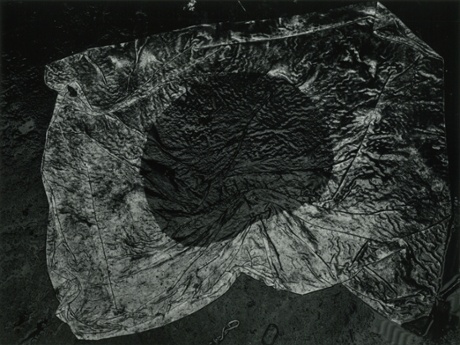
One set of images from the photobook The Map shows the effects of the atomic bomb still visible when Kikuji Kawada was photographing in Hiroshima from 1959 to 1961
Photograph: Kikuji Kawada. Courtesy of Michael Hoppen Gallery and Photo Gallery International
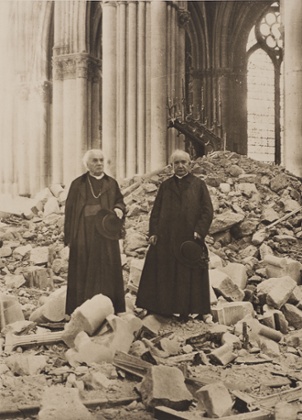
In the months after the end of the first world war, the architect Pierre Anthony-Thouret documented the destruction of the historic city of Reims. Though it had no military significance, Notre-Dame de Reims was subject to repeated artillery and incendiary bombardment from the frontline nearby, becoming a symbol of collateral damage in north-east France
Photograph: Pierre Anthony-Thouret. Private collection, London
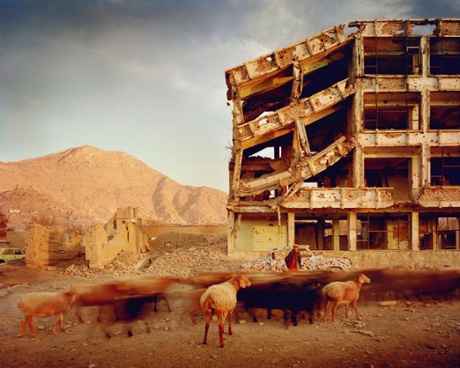
From 2001-2, Simon Norfolk recorded the ruins left after decades of warfare. Norfolk sees Afghanistan as a landscape marked by 30 years of conflict, including the Soviet invasion in 1979 and the civil wars that followed in the 1990s
Photograph: Simon Norfolk. Courtesy of the Tate
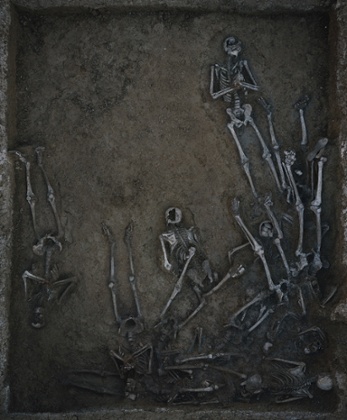
70 years after the end of the Spanish Civil War, Luc Delahaye photographed the forensic exhumation of a mass grave containing the bodies of executed Republican prisoners
Photograph: Courtesy of the Wilson Centre for Photography, London
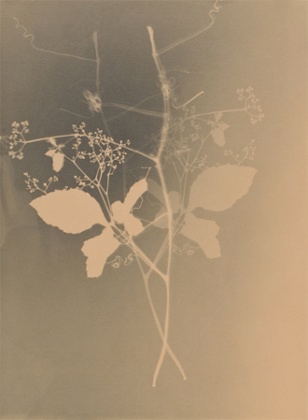
João Penalva’s modern photograms mimic the horrifying imprints of people and wildlife left in Hiroshima in 1945, which were caused by the immense light from the nuclear explosion
Photograph: João Penalva. Courtesy of the artist and SAGE Paris
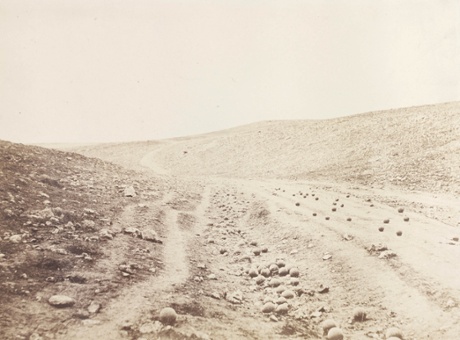
During the Crimean war, Roger Fenton took two photographs of a ravine that had come under cannon fire by Russian forces. Some scholars claim Fenton added the cannon balls in this photograph to increase the sense of danger. In the second image, the cannon balls are no longer on the track
Photograph: Roger Fenton. Courtesy of Victoria and Albert Museum, London