How do space operas begin? In the first decade of the 21st century, the idea of creating a slow-burning backstory for a somewhat familiar interstellar odyssey was, for whatever reason, the norm. In 1999, George Lucas changed the nature of Star Wars by making The Phantom Menace into a kind of political intrigue film. In 2005, Rick Berman and Brannon Braga attempted to create a Star Trek prequel that blended a Western with a contemporary adventure show in the form of Enterprise. And, right on the heels of the most successful sci-fi reboot/reimaging of all time, Battlestar Galactica, a prequel series called Caprica, from Remi Aubuchon and Ronald D. Moore, briefly became the most audacious early-2000s sci-fi prequel, telling the story of how people on the titular planet Caprica let the Cylons become the machines that rose up and destroyed humanity. Sort of.
15 years ago, on January 4, 2011, the SyFy Channel finally aired the last five episodes of Caprica, a show that had already been canceled, and had already aired its final episodes in Canada. This inauspicious end to the series was fascinating, partly because it did manage to conclude some of the show’s biggest arcs, but also because, by the time these episodes came out, it was hard to believe that less than three years prior, its parent series, Battlestar Galactica, was the epicenter of sci-fi geek culture. When the Caprica finale aired on SyFy, it proved that prequel fatigue had finally become a thing. Because when we knew this much about Cylons, we suddenly didn’t give a frak. Mild spoilers ahead.
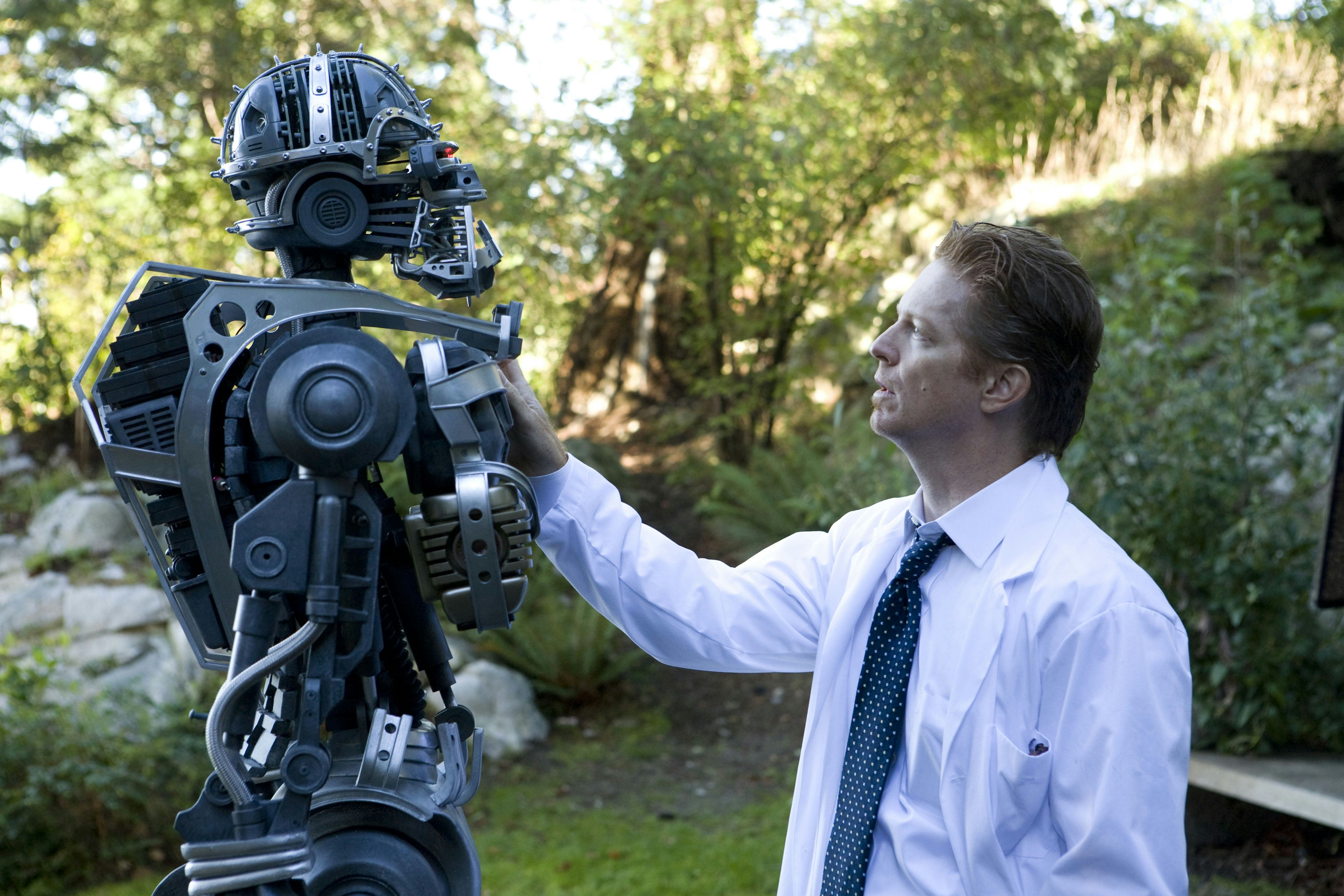
Set 58 years before the reboot Battlestar Galactica began, Caprica is actually less of a prequel to that show, but more of a precursor to the first Cylon War, which served as a backstory for the rebooted miniseries in 2003. But, because so much of the BSG was about humanoid Cylons (or “skinjobs,” a term borrowed from Blade Runner), Caprica had to be about the birth of that technology, too. In a sense, these narrative goals meant that Caprica was a double-prequel, which, ultimately created a threefold burden; Not only did Caprica need to tell its own story, but it also needed to connect with the barely-glimpsed canon of the First Cylon War (scene in flashbacks at that point in Battlestar Galactica: Razor) and finally, give fans an origin story for all the spiritual monothemism that was so prevalent among the Cylons, and integral to the themes and plotting of Battlestar itself. Logistically speaking, the show accomplished these goals, but arguably, it didn’t make viewers feel good about these revelations.
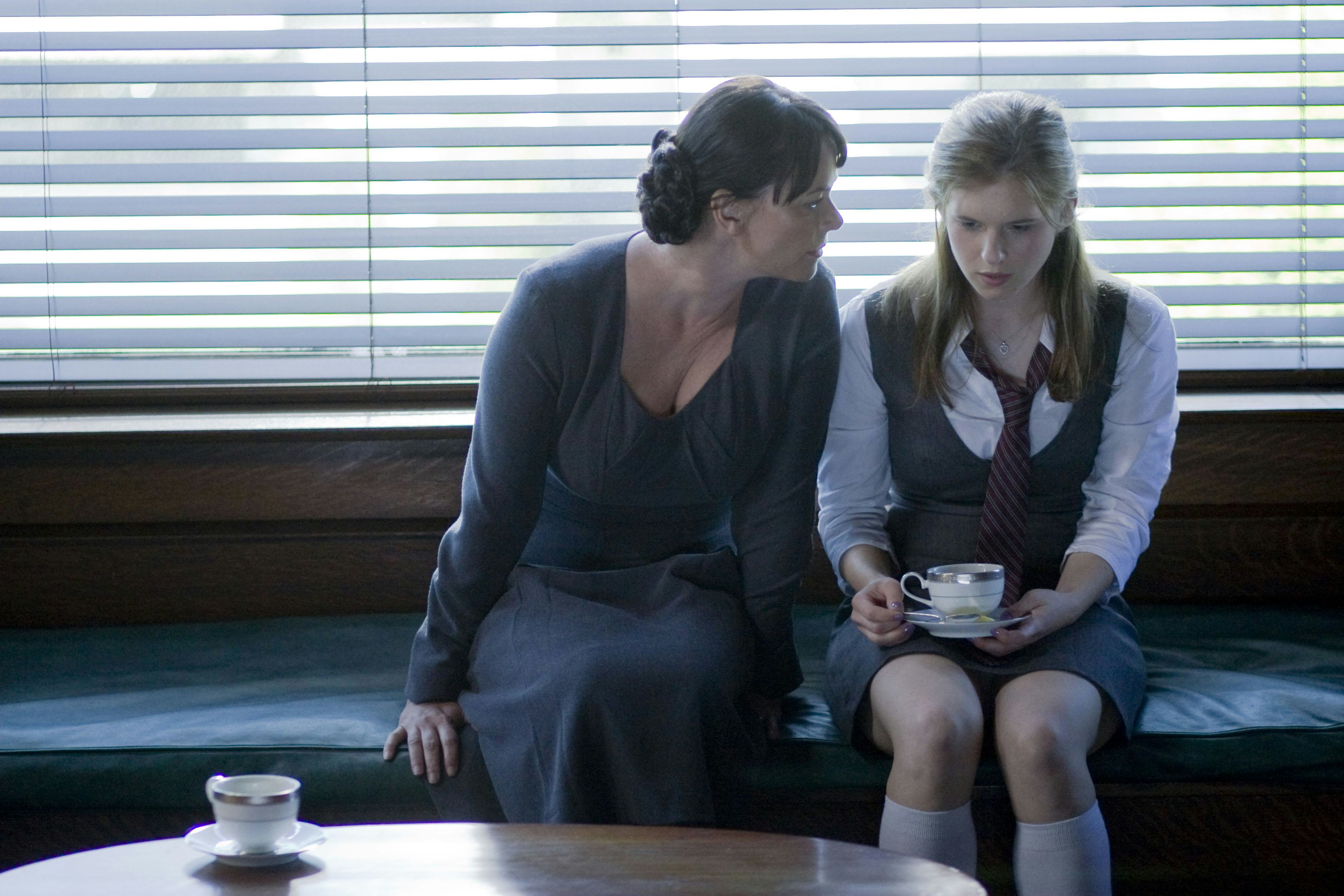
The notion that Caprica needed to explain how a cult of human monotheists morphed into a religion for murderous robots is probably the most unique thing about the show, and also the most unappealing in practice. In Battlestar, having Number Six (Tricia Helfer) talk about “the one true God” was edgy because she was a killer robot, and the context of the series was several steps away from seeing what that worship looked like. In Caprica, the various monotheist extremists, like Clarice (Polly Walker) and Lacy (Magda Apanowicz), are certainly interesting, but also largely unsympathetic. By the time we get to the finale, there’s a big plot involving terrorist bombers who are going to get reincarnated in the faux meta-verse, after their physical bodies are gone. (This concept feels vaguely connected to the 1958 Robert Sheckley novel Immortality Inc., and is also surprisingly similar to the concept of “The Sublime” from Westworld.) So, no matter how you slice it, in the finale of Caprica, a lot of screen time is given to characters talking about sacrificing humanity for the sake of robots, because God says it's okay.
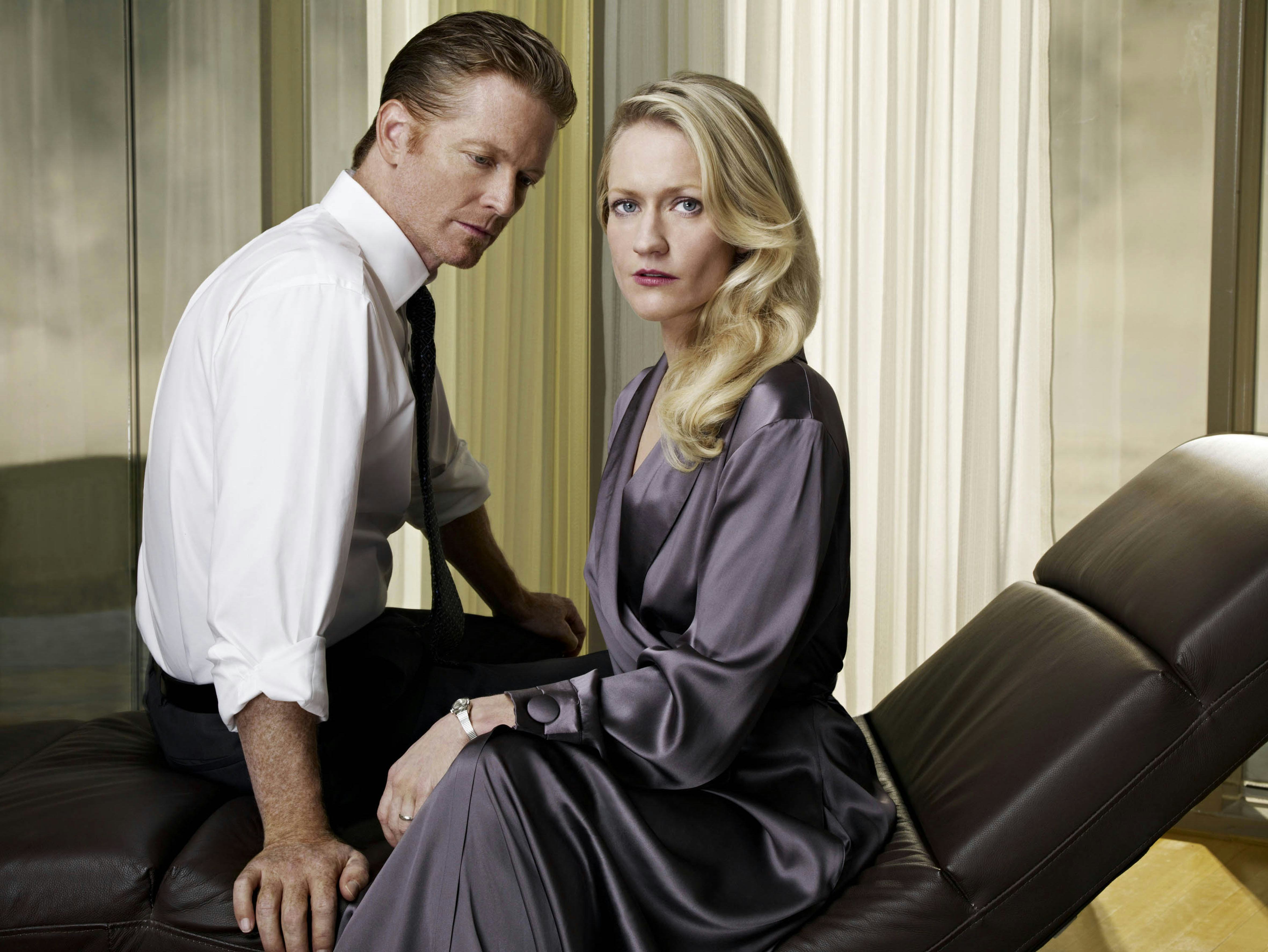
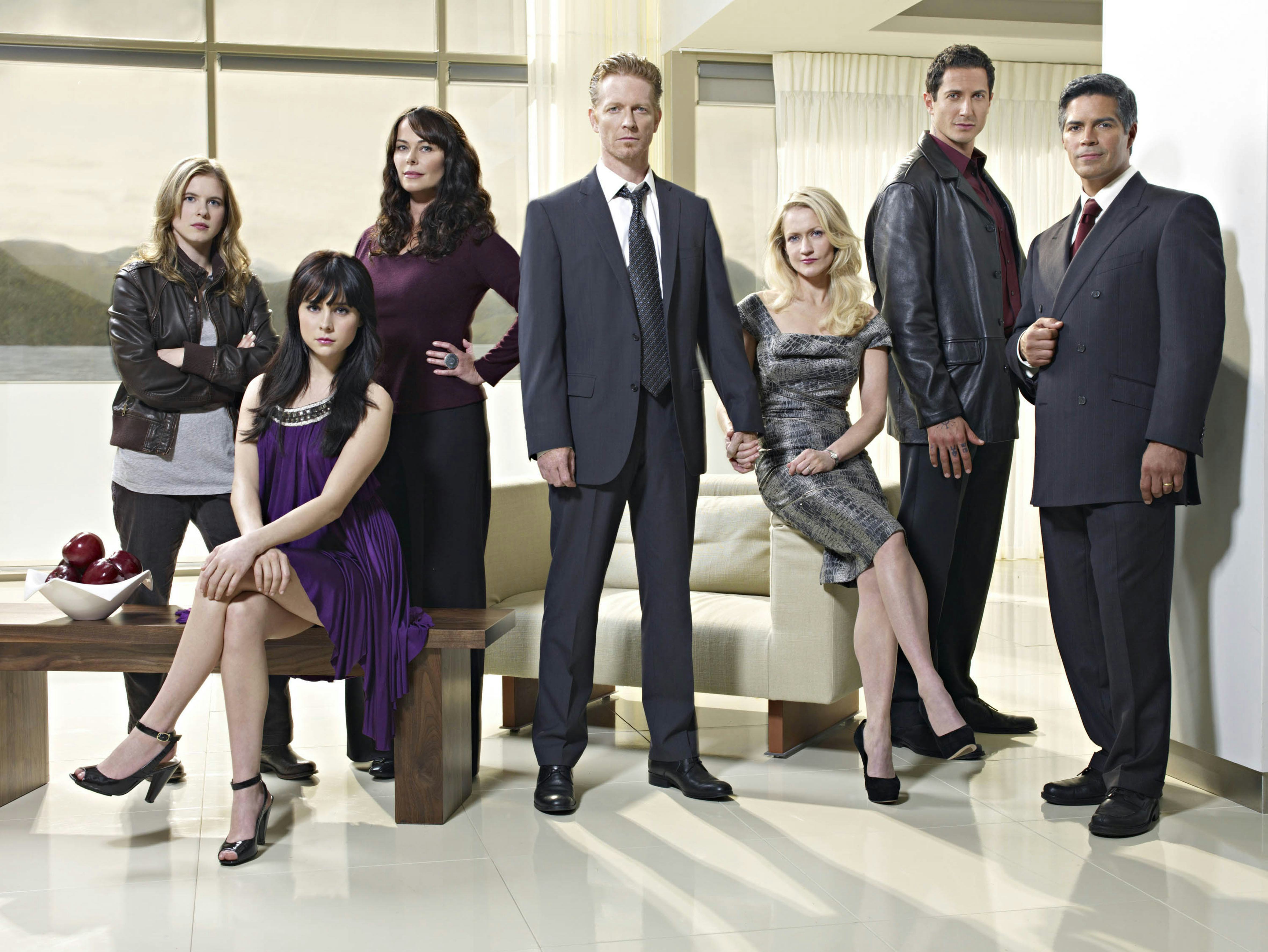
Meanwhile, the mainstream roboticist family, the Graystones, led by Daniel Graystone (Eric Stoltz) and Amanda Graystone (Paula Malcomson), and their deceased/reborn as a Cylon daughter Zoe (Alessandra Torresani), are just as equally unlikable as the cultists. Although they’re closer to being “good” than the monotheists, we know the tech they’ve created will lead the Cylons to try to wipe out all of humanity, twice. Plus, as the series explained at the outset, Daniel didn’t just invent all the various versions of the robotic Cylons, but also a device called the Holoband, which lets people go into a virtual reality world called V-Space. So, Daniel Graystone is like if Elon Musk and Mark Zuckerberg were the same person. In other words, not fun. (The Cylon origin is also murky, throughout Caprica, because we know from the parent series that the tech Cylons were reinvented by Graystone, because Cylons themselves are ancient, and predate the 12 Colonies of Humanity by thousands of years and at least one faux version of Earth. But, whatever.)
It's tempting to say these themes are prescient because Caprica deals with AI and cults, but because the show had to use those 1978 Cylon designs from the original show to make the canon work, it’s kind of hard to take it seriously. Which is a microcosm for the entire series: It borrowed the earnestness from Battlestar Galactica, which included all the goofy nomenclature (“frak!”), but now, up close and personal. In BSG, knowing there was a popular sport called “Pyramid” that was played on the Colonies, prior to them getting all destroyed, was one thing. Actually, having a portion of the Caprica finale take place in a faux-sports arena, before a Pyramid game, after a dude sings the Caprica national (planetary?) anthem, was a world-building bridge too far. If you loved BSG, you got the sense that all of this stuff was better as something characters remembered, rather than something we needed to see firsthand.
Despite some great ideas, the difference between depicting something interesting and something compelling is what made Caprica such a mixed bag. The series took the same kind of moral grey-area storytelling of Battlestar Galactica, but stripped away the space opera element, leaving almost no narrative tension.
What made BSG so groundbreaking was the way it used a familiar space opera format to tell new kinds of human stories, often with morals that seemed inverted from our own. But rooting for terrorist bombers in BSG Season 3 didn’t have the same feeling as similar types of things that happened in Caprica, and that’s because with this show, we weren’t zoomed out, and there was no other genre to play against. Caprica was, through and through, a BSG prequel, and a sci-fi show steeped in that lore. But, unlike BSG, it had a hard time being anything else.
When prequels get too close to their basic sci-fi subject matter (the Jedi in the Star Wars prequels, the nature of Starfleet in Enterprise or Discovery), not only do those concepts become slightly less interesting through demystification, but also, ironically, less believable. Caprica dared to give us all the answers about the Cylons in the decades before BSG, but when we got those answers, we discovered we never wanted them in the first place.