
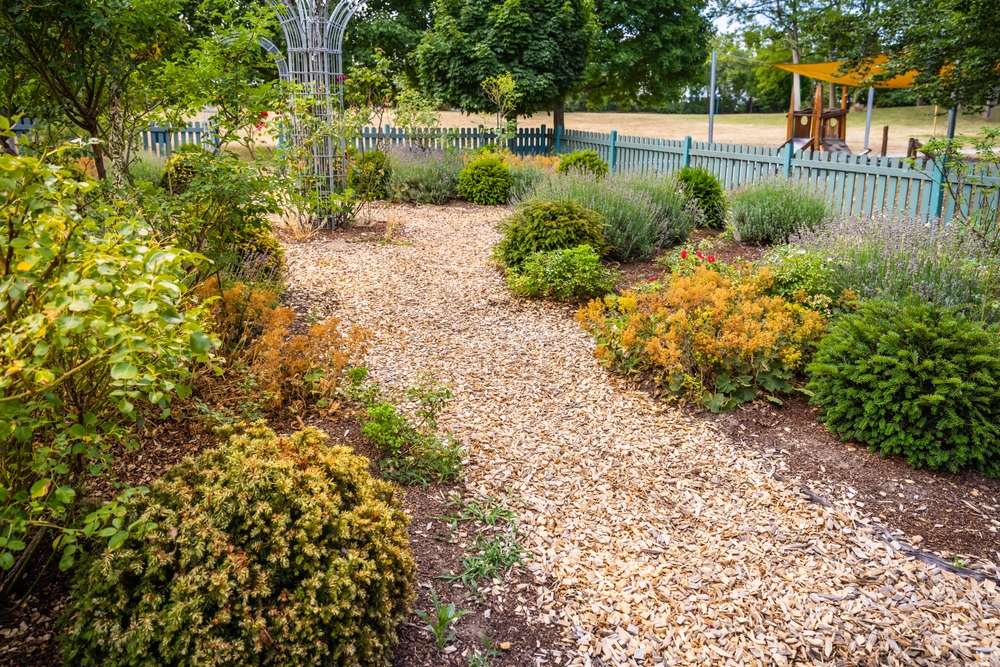
Winter can feel like a dead season for gardeners, with frost covering the ground and the garden looking like it’s taking a long nap. But beneath that cold, dormant surface, soil is quietly waiting for spring, and the work you do now can transform next season’s garden into a lush, vibrant paradise. Preparing your soil in winter isn’t just a chore—it’s a strategy, a little act of garden wizardry that pays off when flowers bloom and vegetables thrive. With the right preparation, you can wake up in spring to soil that’s nutrient-rich, well-aerated, and ready to support your plants’ healthiest growth. Let’s dive into 14 practical, fun, and surprisingly simple winter soil preparation tips that will give your garden the head start it deserves.
1. Test Your Soil Early
Knowing what you’re working with is the first step toward success. A simple soil test can reveal pH levels, nutrient deficiencies, and organic matter content, giving you a roadmap for winter amendments. Testing now allows you to correct imbalances gradually instead of scrambling in spring. Most home testing kits are easy to use and come with clear instructions, so you don’t need to be a soil scientist to understand the results. Once you know your soil’s strengths and weaknesses, you can start feeding it exactly what it needs to thrive.
2. Add Organic Matter Regularly
Winter is the perfect time to enrich your soil with organic matter like compost, shredded leaves, or aged manure. These materials improve soil structure, increase nutrient content, and help with water retention when spring rains arrive. Spread a generous layer across your garden beds and let the cold months slowly work their magic. The decomposition process over winter turns these additions into humus, a nutrient-rich layer that plants adore. Your spring seedlings will thank you with stronger roots and faster growth.
3. Mulch To Protect And Nourish
Applying mulch in winter is about more than just keeping the soil warm. Mulch shields the ground from harsh winds, prevents erosion, and keeps soil life active even in cold weather. Organic mulches like straw, bark, or leaves gradually break down, releasing nutrients back into the soil. They also help retain moisture, so the soil isn’t parched when spring arrives. Mulching now sets the stage for a seamless transition from winter dormancy to vibrant spring growth.
4. Avoid Compaction By Walking Carefully
Heavy soil compaction can suffocate roots and stunt plant growth, and winter can make soil particularly vulnerable when it’s wet or frozen. Avoid walking on garden beds and use designated pathways to minimize pressure. Consider adding temporary boards if you must access certain areas, spreading your weight to prevent deep ruts. Compacted soil is tough to fix in spring, so proactive care now saves a lot of effort later. Loose, airy soil encourages healthy root expansion and better water infiltration.
5. Cover Crops Boost Soil Fertility
Planting cover crops like clover, rye, or winter peas is a smart winter strategy. These “green manures” absorb residual nutrients, protect soil from erosion, and enrich it when tilled in later. Cover crops also help break up compacted layers naturally with their roots. Come spring, you’ll have soil that’s not only nutrient-rich but also full of beneficial microorganisms. It’s a natural, low-effort way to boost your garden’s fertility without synthetic fertilizers.
6. Clear Debris For A Fresh Start
Removing fallen leaves, dead plants, and leftover mulch clears the way for fresh growth. Decaying debris can harbor pests and diseases that carry over to spring. Winter cleanup keeps your beds neat and reduces the risk of mold or fungus spreading. Instead of tossing everything, consider composting healthy debris to feed your garden later. A clean garden now saves headaches and extra work when it’s time to plant.
7. Adjust Soil pH If Needed
If your soil test revealed a pH imbalance, winter gives you time to correct it. Lime can raise pH for acidic soils, while sulfur can lower pH for alkaline soils. Spread amendments evenly and allow months of slow incorporation before spring planting. This gradual approach prevents shock to plants and ensures nutrients are more available. Well-balanced soil pH is like a secret ingredient for thriving, stress-free plants.
8. Aerate Compacted Areas
If soil is compacted despite careful walking, winter is a perfect opportunity for gentle aeration. Use a fork, garden aerator, or broadfork to create small holes, letting air, water, and nutrients reach deeper layers. Aeration also encourages beneficial soil life to flourish. Frozen or partially frozen ground can make this a challenge, so focus on areas that are workable. By spring, roots will have a soft, breathable environment to grow strong.
9. Plan Crop Rotation
Winter is an ideal time to plan which crops will go where next season. Rotating crops prevents soil depletion, reduces pest pressure, and maintains nutrient balance. Map out your garden beds now to avoid planting similar families in the same soil repeatedly. This forward-thinking strategy leads to healthier plants and fewer headaches. Planning in winter is easier because you can reflect on the past year’s successes and mistakes.
10. Incorporate Slow-Release Fertilizers
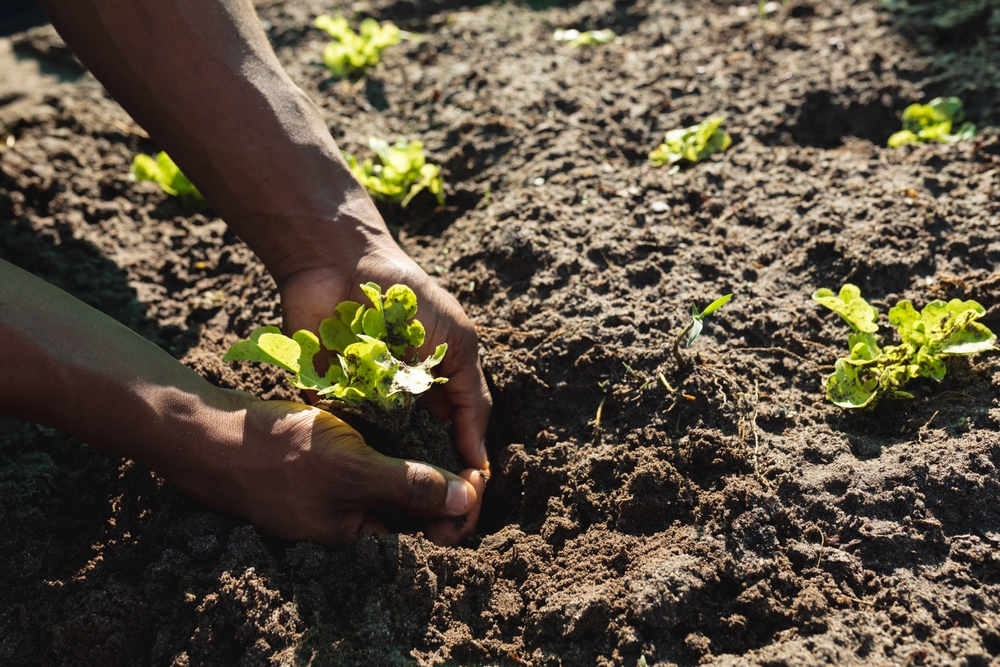
Adding slow-release fertilizers during winter ensures nutrients are available when plants wake up in spring. These fertilizers break down gradually, feeding soil microbes and plant roots steadily. Choose formulas that match your soil’s needs, informed by your earlier test. This approach avoids nutrient spikes and leaching that can happen with fast-acting fertilizers. Your spring garden will enjoy consistent, balanced nutrition from the moment it emerges.
11. Keep Soil Moisture Balanced
Even in winter, soil shouldn’t be bone dry or soggy. Snow and rainfall help, but occasionally check for areas that dry out completely. Overly dry soil can kill beneficial microbes, while waterlogged soil can suffocate roots. Small winter watering or drainage adjustments keep soil life thriving. Balanced moisture is the quiet hero of vibrant spring growth.
12. Protect Soil Life With Minimal Disturbance
Microbes, worms, and fungi are active even in cold months, slowly breaking down organic matter. Avoid unnecessary tilling that can disrupt these communities. Instead, focus on gentle amendments and protective mulch. Healthy soil life increases nutrient availability and improves soil structure. By spring, your soil will be alive and teeming, ready to support vigorous plant growth.
13. Use Winter Covers To Extend Protection
Row covers, fabric sheets, or plastic tunnels aren’t just for plants—they can protect soil too. These covers reduce wind erosion, prevent frost heaving, and help retain nutrients. Lightweight, breathable fabrics allow air and water through while shielding the soil surface. Using covers strategically over beds keeps soil in optimal condition for when spring planting begins. This simple step can make a surprisingly big difference in soil health.
14. Reflect And Journal For Future Success
Winter is a great time to reflect on what worked and what didn’t in your garden this year. Keep a journal of soil amendments, planting locations, and growth patterns. Noting successes and failures helps you make smarter decisions next season. This simple practice improves long-term soil health and gardening outcomes. When spring arrives, you’ll not only have prepared soil but also a clear plan for thriving crops.
Share Your Winter Soil Wins
Winter soil preparation is about patience, strategy, and attention to detail. Each small step you take now—from adding organic matter to aerating and protecting soil life—pays off with stronger, healthier spring growth. Gardening in winter may feel slow, but the results are unmistakable and deeply satisfying.
Have you tried any of these winter soil preparation tips? Share your stories, successes, or favorite winter gardening tricks with others.
You May Also Like…
8 Evergreen Shrubs That Give Your Garden Color All Winter
Leaf Mold Gold: Turning Yard Waste into Next Year’s Best Soil
How to Balance Soil pH Before Winter
Why Root Crops Crack In Cool Wet Soil
The Best Way to Prune Fruit Trees Before the Cold Sets In
The post 14 Winter Soil Preparation Tips That Boost Spring Growth appeared first on Frugal Gardening.