
Coupons act as a powerful tool for reducing your weekly grocery bill. However, many shoppers unknowingly sabotage their own savings by falling into common traps. These mistakes can negate the value of the discount or even cause you to spend more money than you planned. Retailers and manufacturers design coupons with specific limitations that savvy shoppers must navigate carefully. Avoiding these fourteen common errors ensures you actually keep more cash in your wallet at the checkout.

1. Ignoring the “One Per Purchase” vs. “One Per Transaction” Rule
Fine print matters immensely in couponing. A “one per purchase” limit means you can use one coupon for every single item you buy. If you buy three bottles of shampoo, you can use three coupons. A “one per transaction” limit is much stricter. It means you can only use that specific coupon once for your entire shopping trip, no matter how many items you buy. Confusing these two terms is the most frequent reason for a cashier to reject your stack of coupons.
2. Buying a Product Just Because You Have a Coupon
A coupon for a product you do not need is not a deal. It is a marketing hook designed to make you spend money. If you buy a box of expensive crackers just to save fifty cents, you are still spending three dollars that you would have otherwise kept. True savings only occur when the coupon applies to an item that is already on your necessary shopping list.
3. Failing to Stack Coupons with Store Sales
Using a coupon on a full-price item rarely yields the best price. The real power of couponing unlocks when you wait for a sale. If a box of cereal is on sale for three dollars and you have a one-dollar coupon, you pay two dollars. If you use that same coupon when the box is at its regular price of five dollars, you pay four. Patience is a financial virtue in the coupon game.
4. Overlooking the Unit Price
Manufacturers often issue coupons for smaller package sizes to encourage trial purchases. However, the unit price of the small package might still be higher than the bulk version, even with the discount. You must do the math at the shelf. Sometimes the larger, non-couponed “family size” is still cheaper per ounce than the smaller bag with a fifty-cent sticker.
5. Letting Digital Coupons Expire
Digital coupons often have shorter lifespans than their paper ancestors. You might clip a high-value digital offer on Monday, only to find it has vanished from your app by Friday. Retailers use these short windows to drive immediate traffic. You should check your app’s “saved” folder right before you check out to ensure your planned discounts are still active.
6. Not Understanding “Overage” Policies
Some stores, like Walmart, allow for “overage.” This happens when the coupon value exceeds the item’s price. The remaining credit applies to the rest of your basket. Other stores will adjust the coupon down to match the item price. Knowing which policy your store follows prevents frustration at the register and helps you plan your transaction strategy effectively.
7. Buying Brand Name Instead of Store Brand
A coupon for a national brand might bring the price down significantly. However, the store brand sitting right next to it might still be cheaper. If a brand-name pasta is two dollars and you have a fifty-cent coupon, you pay $1.50. If the store brand is always one dollar, using the coupon actually costs you fifty cents more than simply buying the generic version.
8. Clearing Shelves and Ignoring Limits
Extreme couponing shows often depict shoppers clearing entire shelves. In reality, most coupons have a limit of “4 like coupons” per household per day. Ignoring this rule not only annoys other shoppers but also forces the cashier to deny your transaction. Respecting these limits ensures a smoother checkout and keeps the store’s coupon policy friendly for everyone.
9. Forgetting to Load Loyalty Card Offers
Many digital coupons connect directly to your store loyalty card. If you do not scan your card or enter your phone number at the start of the transaction, those digital clips remain dormant. The system cannot apply the discounts without that crucial link. This simple oversight is one of the most common reasons shoppers leave money on the table.
10. Misinterpreting the Picture on the Coupon
Marketing teams design coupons with images of the most expensive version of a product. The text, however, usually applies to any size or variety. You do not have to buy the exact expensive flavor shown in the photo. Reading the text description reveals that the discount often applies to the cheaper base model as well.
11. Ignoring the “Do Not Double” Text
In the past, “double coupon days” were a staple of grocery savings. Today, almost all manufacturer coupons carry “Do Not Double” language in the fine print. Assuming a store will double a coupon’s value leads to miscalculations in your budget. You should assume the face value is the final value unless your store explicitly states otherwise.
12. Using a Coupon on a Trial Size
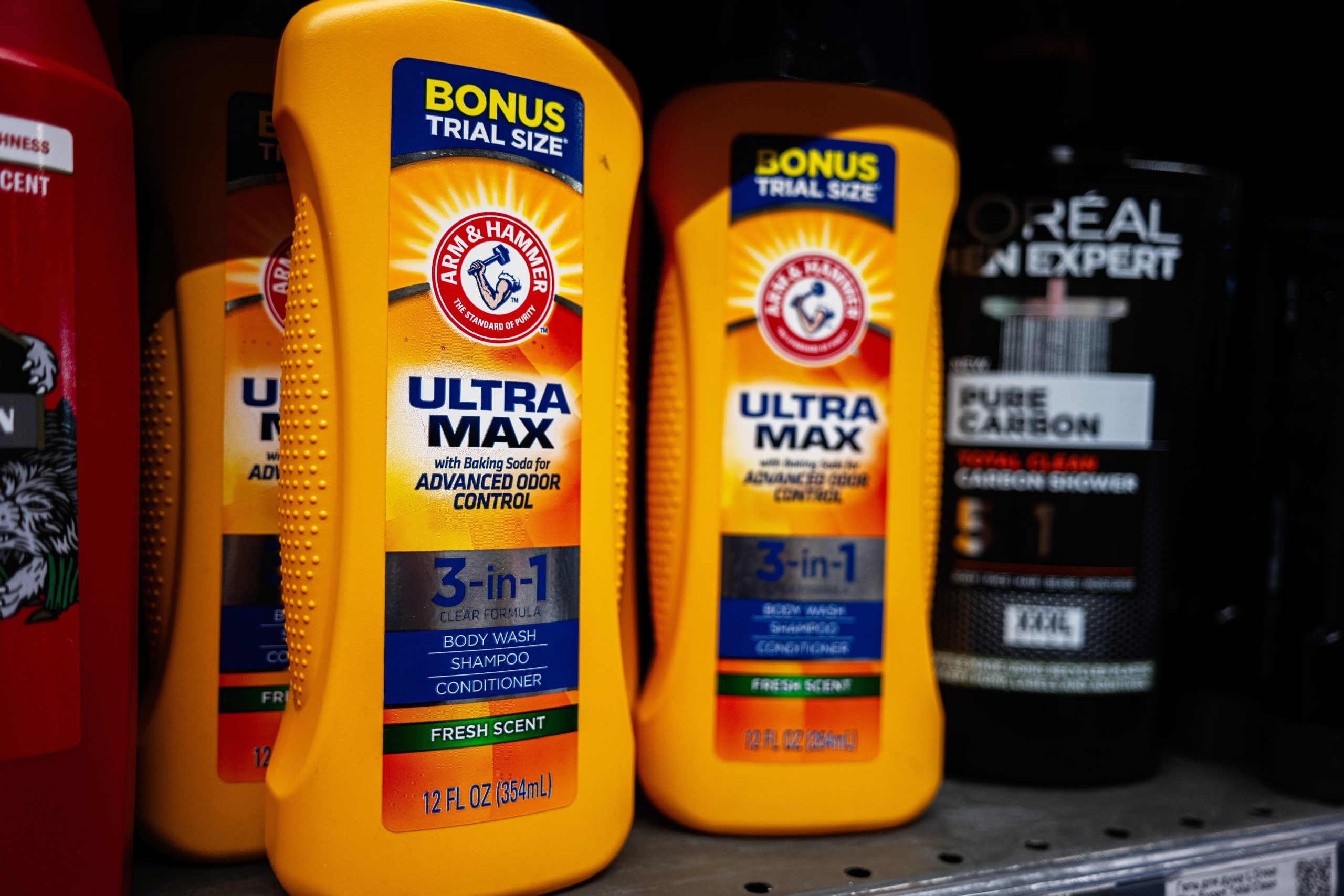
Manufacturers often exclude “trial” or “travel” sizes to prevent you from getting products for free. The fine print will specify which sizes are excluded. Attempting to use a high-value coupon on a travel-sized shampoo will usually trigger a rejection from the point-of-sale system.
13. Stacking Manufacturer Coupons Incorrectly
You generally cannot use two manufacturer coupons on a single item. You can, however, stack one manufacturer’s coupon with one store’s coupon. Confusing these two types leads to rejected coupons. You must learn to identify the difference between a coupon funded by the brand and one funded by the retailer.
14. Not Checking Your Receipt
Technology is not perfect. Digital coupons fail to load, and scanners miss paper barcodes. If you do not check your receipt immediately, you might pay full price without realizing it. Catching these errors at the customer service desk before you leave is the final step in a successful couponing trip.
The Disciplined Discounter
Couponing is not just about collecting scraps of paper. It is a strategic game that requires attention to detail. By avoiding these common mistakes, you transform coupons from a marketing trap into a genuine financial tool. The goal is to lower your total bill, not just to use a coupon for the sake of using it. Smart shopping means doing the math and reading the fine print every single time.
What is the biggest mistake you have made while trying to use a coupon? Do you find digital coupons easier or harder to manage than paper ones? Let us know your experience!
What to Read Next
8 Foods You Should Be Couponing Right Now Because Prices Are Up Again
7 Digital Coupons That Are Outperforming Paper in Grocery Savings This Year
The Real Reason Coupons Are Vanishing From Sunday Papers
7 Loyalty Apps That Beat Traditional Coupons Every Time
13 Ways Shoppers Waste Coupons Without Realizing It
The post 14 Grocery Shopping Mistakes That Make Coupons Less Effective appeared first on Grocery Coupon Guide.