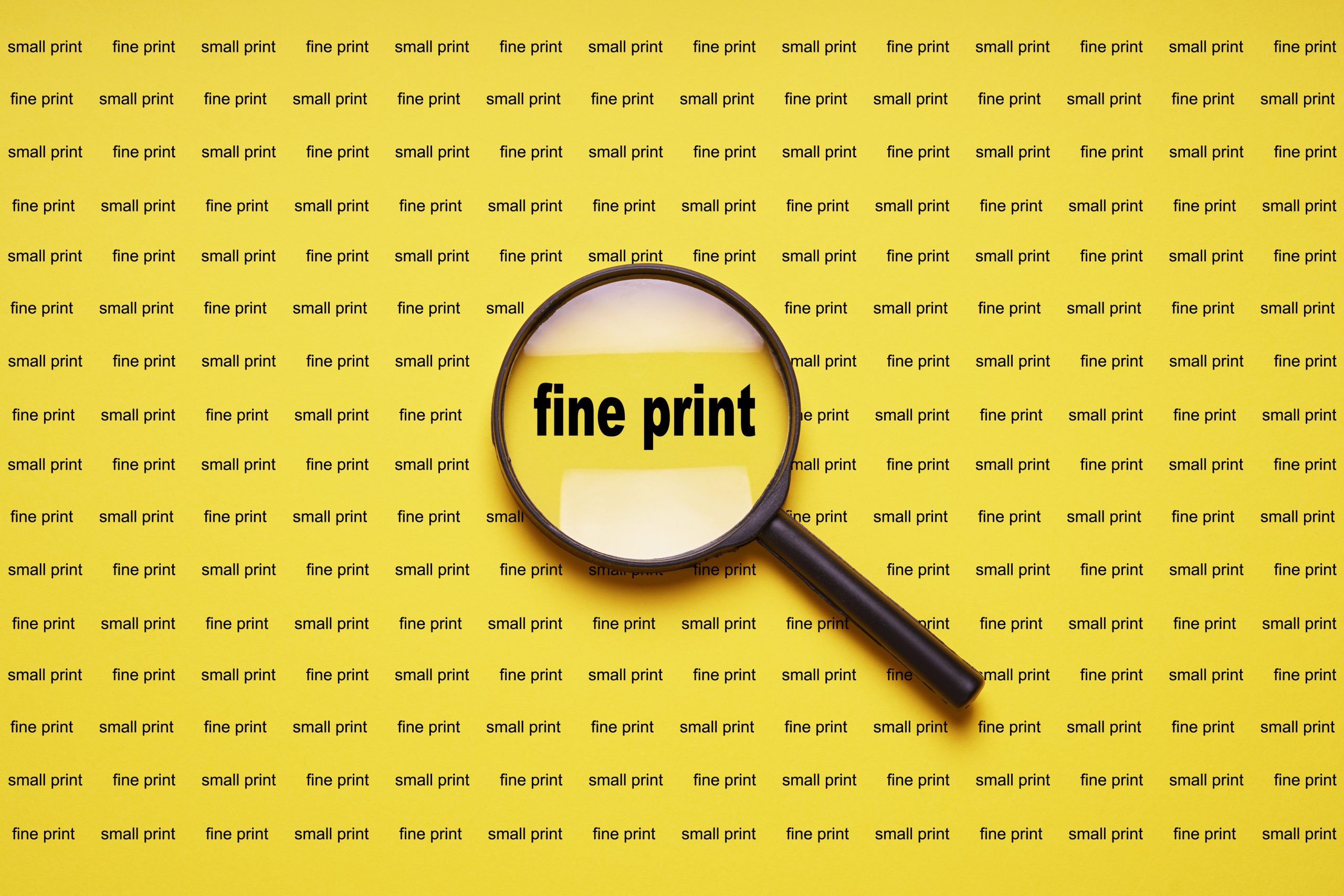
Shelf coupons, those little tear-off pads or blinking machines you find in the grocery aisle, seem like a great way to get an instant discount. However, these coupons are often loaded with very specific and confusing fine print. These hidden rules can easily invalidate the coupon if you are not paying extremely close attention. This can lead to a frustrating surprise at the checkout. Here are thirteen common fine print rules that can trip you up.
1. The “Specific Size Only” Rule
This is the most common and the most frustrating rule. A coupon might be hanging right in front of the small, 8-ounce bottle of a product. The fine print, however, will state that the coupon is only valid on the large, 32-ounce size. This is a deliberate trick to get you to pick up the wrong item.
2. The “Not Valid on Trial/Travel Size” Exclusion
Many coupons will explicitly exclude the small, trial, or travel-sized versions of a product. This prevents shoppers from using a high-value coupon to get a very cheap item for free. You must always check the fine print to make sure the size you are buying is eligible for the discount.
3. The “Limit of One Coupon Per Purchase” Rule
This rule means you can only use one coupon for each item you are buying. You cannot use two separate $1.00 off coupons on a single box of cereal. This seems obvious, but it can be confusing when a store also allows you to stack a store coupon with a manufacturer’s coupon.
4. The “Limit of X Identical Coupons Per Shopping Trip” Rule
To prevent “shelf clearing,” many manufacturers now limit the number of identical coupons you can use in a single transaction. The fine print might say “Limit of 4 Identical Coupons Per Household Per Day.” This prevents extreme couponers from buying dozens of the same item at once.
5. The “Void If Copied” Warning
Every legitimate coupon will state that it is “void if copied, sold, or transferred.” This is a crucial rule that targets counterfeit coupon operations. You should never try to photocopy a coupon or buy coupons from an online source. This is a form of fraud that can get you into serious trouble.
6. The “Do Not Double” Clause
In the past, many stores would double the value of a manufacturer’s coupon. To prevent this, manufacturers now often include a “Do Not Double” clause in the fine print. This tells the store’s computer system that the coupon’s value cannot be increased. It is a sign of the ongoing battle between manufacturers and retailers over coupon costs.
7. The “Redeemable At XYZ Store Only” Restriction
Some coupons are retailer-specific. The fine print will state that the coupon can only be redeemed at a specific chain, like Walmart or Target. You cannot use this coupon at any other store. This is a way for a brand to drive traffic to a particular retail partner.
8. The “Must Buy X Number of Items” Requirement
Some coupons will require you to buy multiple items to get the discount. The coupon might say “$1.00 off When You Buy TWO boxes of…” If you only buy one box, the coupon will be rejected by the system at checkout.
9. The “Good Only on Specific Flavors/Varieties” Rule
A coupon might seem like it is for a general product, like “any brand X yogurt.” However, the fine print will often restrict it to a specific flavor or variety. For example, it might only be valid on the “Greek yogurt” or the “strawberry flavor.” If you buy the wrong variety, your coupon will not work.
10. The Expiration Date
This is the most basic rule, but it is one that many shoppers still miss. Every coupon has a clear expiration date. A store’s computer system will automatically reject any coupon that is even one day past its date. There is rarely any grace period for an expired coupon.
11. The “Not Valid with Any Other Offer” Clause
This fine print can be very tricky. It means that you cannot combine the coupon with another offer, such as a store sale or a BOGO deal. This can often negate the value of the coupon entirely. You have to do the math to see if the store’s sale price is a better deal than using the coupon at the regular price.
12. The Picture vs. The Text
The picture on a coupon is often just for illustration. It may not represent the exact product that the coupon is valid for. You must always read the text description of the product in the fine print. The text is what determines the coupon’s validity, not the picture.
13. The “Void Where Prohibited” Statement
This is a standard legal disclaimer. It means that the coupon is not valid in any state or locality where this type of promotion is taxed or restricted by law. While this rarely affects the average shopper, it is a reminder that coupons operate within a complex legal framework.
A shelf coupon can be a great way to get an instant discount. However, it is also a tool that requires you to be a careful and very detail-oriented shopper. The fine print is where the real rules of the game are written. By taking the extra second to read and to understand these rules, you can avoid the frustration of a rejected coupon. You can ensure that you are actually getting the deal you thought you were.
What is the most confusing or frustrating fine print rule you have ever encountered on a coupon? Let us know in the comments!
What to Read Next
- 12 Hidden Discounts Buried in Receipt Fine Print
- Reasons Why You Should Always Read Coupon Fine Print
- 10 Times Coupon Restrictions Were Hidden in Tiny Print
- 7 Grocery Chains That Were Fined for Misleading Ads This Year
- It’s all in the Fine Print
The post 13 Shelf Coupons That Only Work Under Fine Print Rules appeared first on Grocery Coupon Guide.