“Something is up,” Florida Rep. Anna Paulina Luna warned her social media followers on X.
“Who killed the scientists?” asked South Carolina Rep. Nancy Mace.
The Republicans are a growing number of lawmakers sounding the alarm about the 12 U.S. scientists who have either died or disappeared since 2022—and all of them appeared to have ties to nuclear or space programs and, in some cases, classified projects.
“If you are feeling uneasy about the amount of scientists that have gone missing, died, and recent suicides ref those scientists and others you are correct in your intuition,” Luna’s post added.
Suspects have been identified in a couple of the cases, but the mystery surrounding the unknown has fueled conspiracy theories as sleuths have tried to make connections between them. Both Congress and the FBI have launched investigations as there is still little information released about possible connection of the cases.
Lawmakers on the House Oversight Committee are now investigating 10 of the cases, writing to the FBI, Pentagon and Department of Energy this week to warn how “these deaths and disappearances may represent a grave threat to U.S. national security and to U.S. personnel with access to scientific secrets.”
“We know there are many countries around the world that would love to have our knowledge and nuclear capabilities,” House Oversight Committee chairman James Comer told Fox & Friends. “And these are the people that were at the forefront of it, and they’re either dead or missing.”
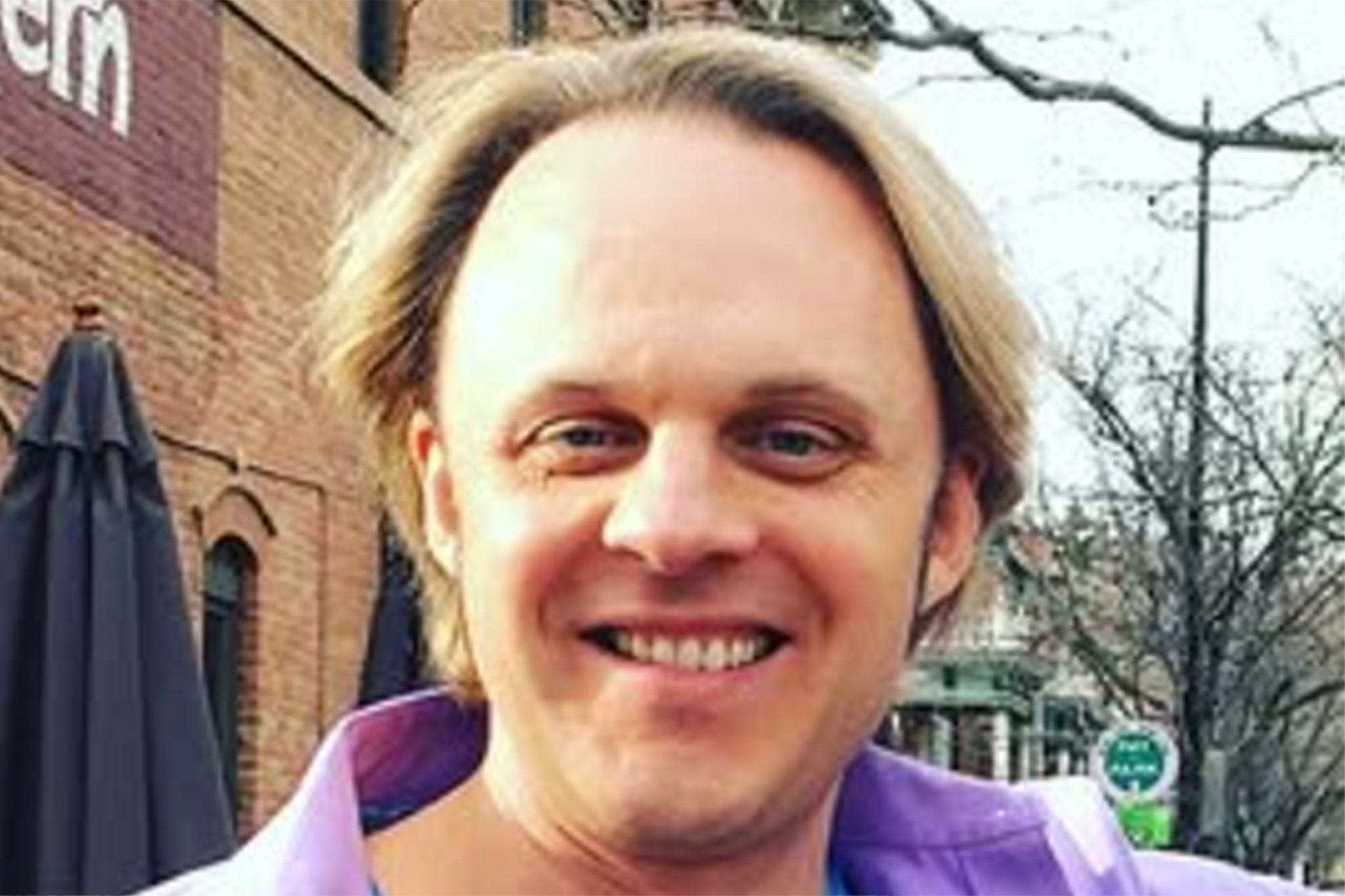
The rumor mill went into overdrive Thursday following the death of famed UFO researcher David Wilcock, who died by suicide on April 20, the Office of the Boulder County Coroner confirmed. Wilcock’s death brings the total number of mysterious cases to 12.
Police have ruled out foul play in some of them, and NASA has said there is no indication of a security threat, while families have dismissed conspiracies about their loved ones. President Donald Trump said that “hopefully” it is all just a “coincidence.”
The Independent delves into the cases
3 missing or dead California NASA researchers and a Caltech astrophysicist shot on his doorstep
Frank Maiwald, Michael Hicks and Monica Reza worked for NASA’s Jet Propulsion Laboratory, while astrophysicist Carl Grillmair worked for Caltech’s Infrared Processing and Analysis Center. All four were in the Pasadena area, just outside of Los Angeles; three of them are dead and one is missing.
Hicks, whose specialism was comets and asteroids, worked as a research scientist at the lab until 2022. He died July 30, 2023 and the 59-year-old’s cause of death was never publicly disclosed.
His daughter Julia Hicks told CNN that her father had struggled with “known medical issues” and said she did not understand the connection between her dad’s death and the other missing scientists. She added that neither elected officials nor federal agencies had contacted her about her father’s death as of Tuesday.
The cause of death of Maiwald, a 61-year-old German-born researcher at the Pasadena-based lab, was also never disclosed. He died July 4, 2024.
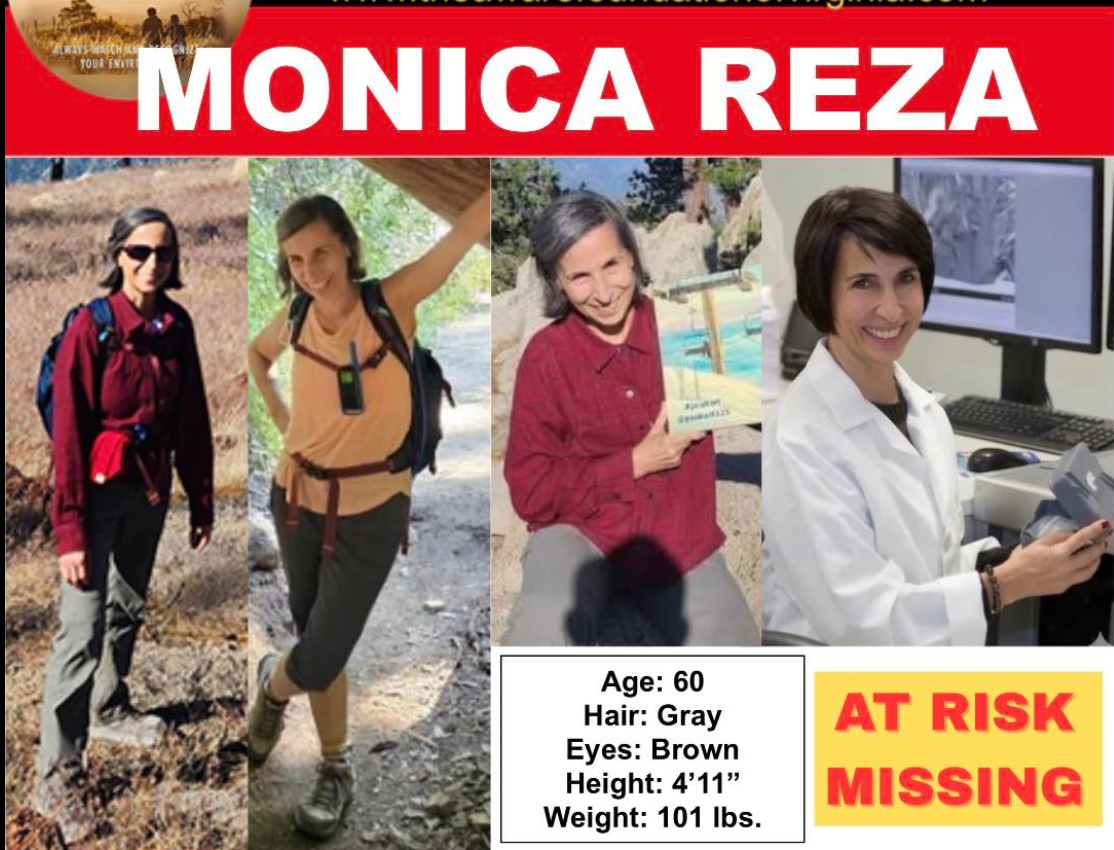
Reza, 60, a celebrated material scientist, disappeared on June 22, 2025, after going for a hike in the Angeles National Forest. She was the director of the NASA lab’s Materials Processing Group, and during the 90s, co-invented a nickel-based superalloy used in rocket engines. In the letter to the FBI, the House Oversight committee cited a report that linked her work to another missing scientist—retired Air Force General William McCasland—who disappeared from his home in Albuquerque, New Mexico, in February.
“Reports have even alleged a direct link between Ms. Reza and General McCasland characterizing them as having a ‘close professional connection’ through an Air Force-funded research program in the early 2000s pertaining to ‘advanced materials needed for reusable space vehicles and weapons,’” GOP committee chairman Comer and Rep. Eric Burlison wrote in the letter to FBI Director Kash Patel.
On February 16, renowned astrophysicist and astronomer Grillmair, 67, was shot and killed on his doorstep in the small rural town of Llano. One of the scientist’s notable discoveries include discovering water on a distant planet.
Freddy Snyder, 29, was charged with Grillmair’s murder, and was not believed to know his victim, Los Angeles County Sheriff’s Office said.
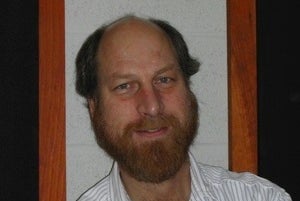
4 missing New Mexico scientists, including retired Air Force general who worked at Roswell site
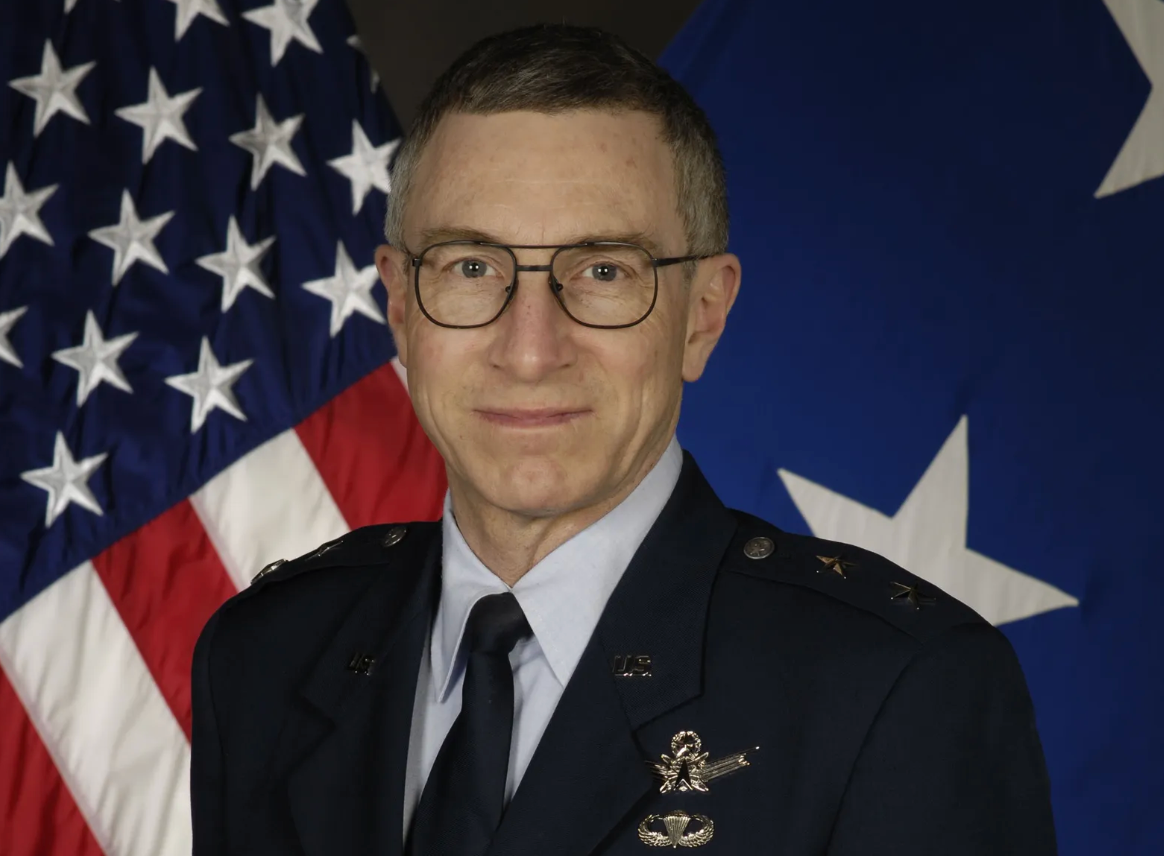
Retired Air Force General William “Neil” McCasland went for a hike on February 27 and never came back.
McCasland is one of four scientists who disappeared from New Mexico in the past year.
The 68-year-old lived in the Albuquerque foothills and left home with a .38-caliber revolver in a leather holster, his hiking boots and a wallet, leaving his phone and glasses behind.
Bernalillo County Sheriff’s Office ruled out foul play, but conspiracy theories have exploded around McCasland’s case because he previously led the Air Force Research Laboratory at Wright-Patterson Air Force Base in Greene County, Ohio—a site which conspiracy theorists have long linked to the 1947 Roswell alien crash landing tale.
His wife, Susan McCasland Wilkerson, said that connection has caused misinformation to spread and denied that he had classified or specialist knowledge about extraterrestrials or UFO programs. “Neil does not have any special knowledge about the ET bodies and debris from the Roswell crash stored at Wright-Patt,” she wrote in a Facebook post last month.
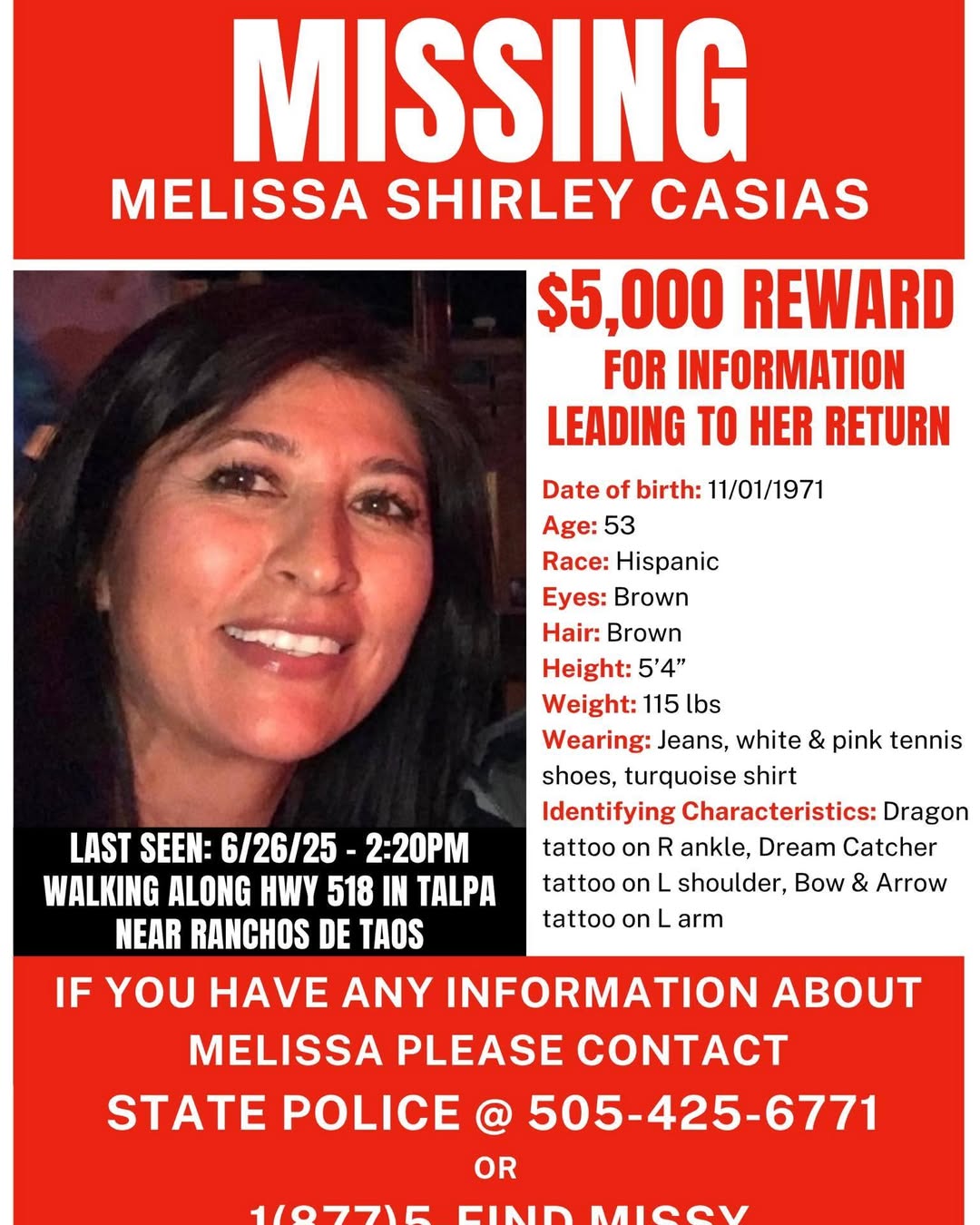
New Mexico scientists Melissa Casias and Anthony Chavez, who both worked at the Los Alamos National Laboratory, are still missing. Los Alamos was the site of the U.S. government’s top-secret Manhattan Project in World War II to make a nuclear weapon before the Nazis.
Casias disappeared June 26, 2025, from her hometown of Ranchos de Taos, approximately 65 miles from Santa Fe. The 53-year-old had dropped her husband off at the lab that morning, where he also works, before she returned home to work remotely after forgetting her employee badge, according to Taos News. When her daughter returned home that day, her mother’s car was there but she had vanished. Her phone, purse and wallet were at home. New Mexico State Police said there was no suspected foul play.
Chavez, 79, has been missing since early May, 2025, with a friend calling his disappearance “extremely unusual.” Chavez retired from the lab in 2017, where he worked as a foreman supervising construction at the site, according to CNN. A detective told the network that there were no indications of foul play, but also no signs that he was planning to leave.
“His car was locked and parked in his driveway. His wallet, car keys and personal items were in his home, so it appears that he left his home with the intention of not being gone for more than a few minutes,” Carl Buckland, who described Chavez as his “best friend,” wrote in a Facebook post last year. “His disappearance is extremely unusual.”
Elsewhere, Steven Garcia, who worked as a government contractor at Kansas City National Security Campus in Albuquerque, has been missing since August 28. He left home with just a handgun, and without his keys or phone. His work involved the production of non-nuclear components for nuclear weapons, and the site makes “an array of national security products” for the Department of Energy. Police told local media that there are no new developments in the case.
Murder of celebrated MIT nuclear scientist, ‘genius’ researcher’s suicide and the death of a pharmaceutical biologist
Three leading scientists died in tragic and violent incidents in the past three years, though there is no evidence linking them to any of the other cases.
The death of a “genius” antigravity researcher Amy Eskridge in June 2022, was ruled a suicide from a self-inflicted gunshot wound by a coroner. A friend of the 34-year-old scientist, Franc Milburn, told NewsNation that Eskridge, who lived in Huntsville, Alabama, believed she was being targeted for her work.
Milburn claimed that Eskridge told him in a text message: “If you see any report that I killed myself, I most definitely did not. If you see any report that I overdosed myself, I most definitely did not. If you see any report that I killed anyone else, I most definitely did not.”
Her father, Richard Eskridge, a former NASA employee, dismissed the conspiracy theories around his daughter’s death. “Scientists die also, just like other people,” he told NewsNation.
In December, Nuno F.G. Loureiro, a 47-year-old physicist and fusion scientist and MIT professor, was fatally shot at his apartment in Brookline, Massachusetts.
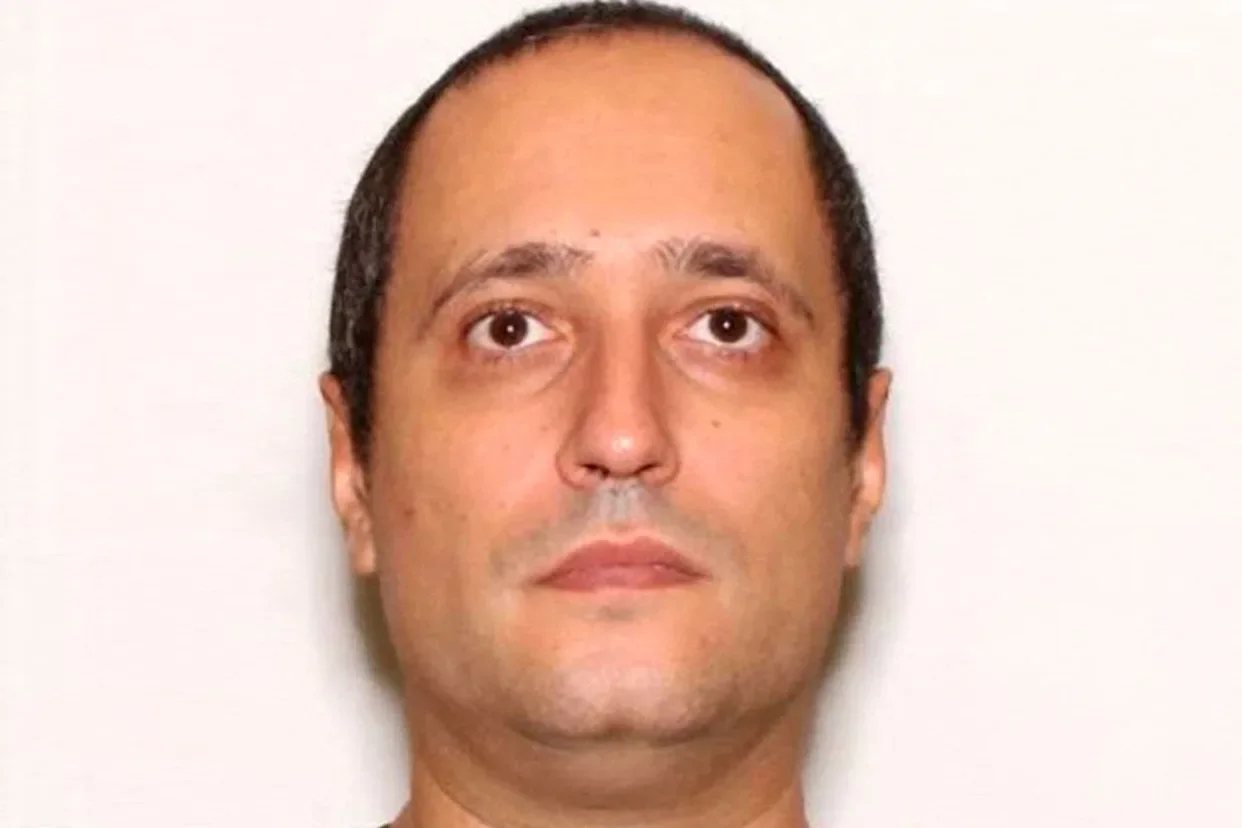
His killer was later identified as Claudio Manuel Neves Valente, who was also found responsible for the Brown University mass shooting, which took place two days before Loureiro’s murder. Valente and Loureiro attended the same university program in Portugal between 1995 and 2000. Valente was found dead in a New Hampshire storage facility on December 19.
His motive for killing Loureiro was never established.
The married father led MIT’s Plasma Science and Fusion Center. A police report released in February cited a colleague who told investigators that Loureiro had contacts at the Department of Energy. “She wasn't aware if Loureiro had a Top Secret Clearance or if he was doing any work with the Department of Defense,” the report said, according to CBS News.
In March, the body of Jason Thomas, a biologist for pharmaceutical company Novartis, was pulled from a lake in Massachusetts. Thomas had been missing for three months before he was found in Lake Quannapowitt by police, and his wife said he had been struggling to cope with the recent deaths of his parents.
Thomas was not mentioned by name in the lawmakers’ letter to the FBI, but they did cite a “pharmaceutical researcher.”
If you are based in the USA, and you or someone you know needs mental health assistance right now, call or text 988, or visit 988lifeline.org to access online chat from the 988 Suicide and Crisis Lifeline. This is a free, confidential crisis hotline that is available to everyone 24 hours a day, seven days a week. If you are in another country, you can go to www.befrienders.org to find a helpline near you.