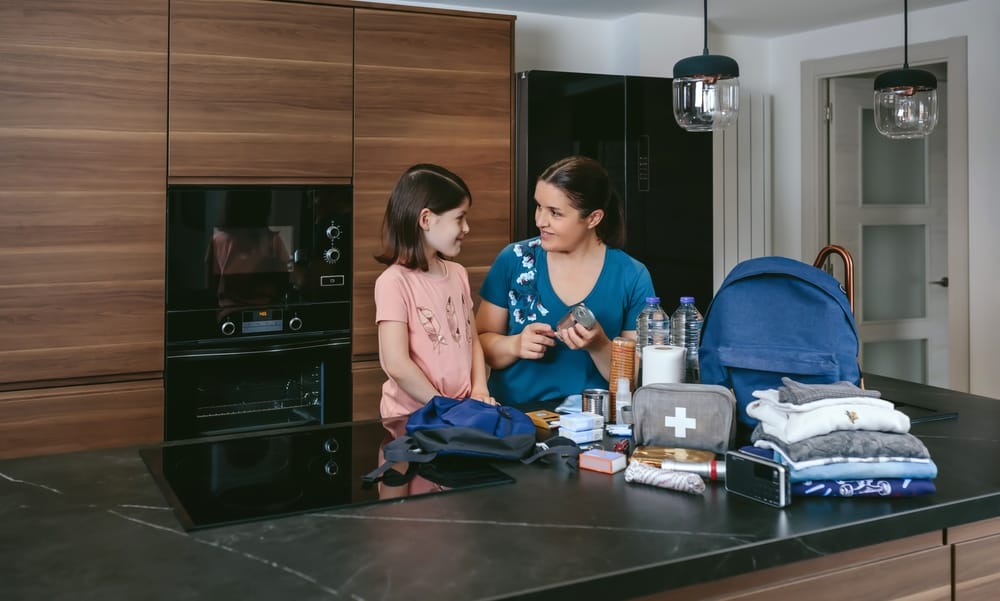
You probably have the basics packed away in a closet somewhere. A few gallons of water, a flashlight, and a box of band aids feel like security. You feel prepared for the next big storm or power outage. However, standard checklists often miss the practical realities of a crisis.
Real emergencies are often boring, messy, and uncomfortable. You need items that solve specific, overlooked problems. Adding these things to your kit can change a disaster into a mere inconvenience. Here are the items everyone forgets until they desperately need them.
Cash in Small Bills
Credit card machines rely entirely on electricity and internet connections. If the power grid goes out, cash becomes king immediately. However, no one will have change for a hundred-dollar bill during a crisis. Keep a stash of ones, fives, and tens in your bag. This allows you to buy gas or food from neighbors or open stores easily. It gives you purchasing power when digital systems fail completely.
A Manual Can Opener
You likely stocked up on canned beans and soup for sustenance. But your electric opener on the counter is useless in a blackout. Staring at food you cannot open is a special kind of torture when you are hungry. Buy a sturdy, handheld manual opener specifically for your kit. Tape it directly to your food supply box so it never gets lost. It is a tiny tool with massive importance.
Physical Copies of Documents
We rely on our phones for everything, but batteries die. If the cloud is inaccessible, you need physical proof of your life. Keep paper copies of insurance policies, IDs, and medical records. Seal them in a waterproof freezer bag to protect them from flooding. This helps you prove ownership and identity quickly to authorities. It speeds up insurance claims significantly after the danger passes. Paper backups are fail-safe.
Spare Glasses or Contacts
Losing your glasses during the chaos of an evacuation renders you helpless. You cannot drive safely or read evacuation signs without them. Keep an old prescription pair tucked in your kit. Include a small bottle of contact lens solution if needed. Being able to see clearly is a survival necessity, not a luxury. Do not overlook your vision when packing.
Pet Food and a Leash
We often pack plenty of food for ourselves but forget Fido. Your pet will be stressed, confused, and hungry too. Pack at least three days of dry kibble in an airtight container. Include a spare leash and a laminated photo of your pet with you. If they get lost in the confusion, the photo helps others identify them. They are family, so you must pack for them.
A Battery-Powered Radio
Cell towers often get jammed or go down completely during major disasters. A NOAA weather radio keeps you informed when your phone reads “No Service.” It works when the internet does not. Information reduces panic and helps you make better decisions. You need to know if evacuation orders change in your area. Get one with a hand crank for extra security against dead batteries.
Feminine Hygiene Products
High stress levels often trigger unexpected menstrual cycles. Running out of supplies during a flood or lockdown is a nightmare. These items are also incredibly useful for general wound care. Pads are highly absorbent and sterile by design. They can dress a large wound in a pinch if you run out of gauze. Stock far more than you think you will need.
A Whistle
You might think you can yell for help, but your voice exhausts quickly. A whistle carries high-pitched sound much further than a scream. It cuts through the loud noise of wind, rain, or sirens. Wear it around your neck if you are stranded or awaiting rescue. It helps rescuers locate you efficiently in the dark. It takes zero energy to use when you are tired.
Entertainment (Cards or Books)
Disasters involve a surprising amount of sitting and waiting. Boredom increases anxiety, especially for young children. A simple deck of cards takes up almost no space. Books provide a mental escape from the stress of the situation. Keeping minds occupied is crucial for maintaining morale. Mental health matters just as much as physical safety in a crisis.
Heavy Duty Trash Bags
These are incredibly versatile tools in an emergency. You can use them as rain ponchos, ground covers for sleeping, or makeshift toilets. They can also seal off broken windows to keep out the elements. They keep your gear dry in the rain or mud. Sanitation becomes a top priority when indoor plumbing fails. Never underestimate the value of a good contractor bag.
A multi-Tool
You cannot pack a heavy toolbox in a “go bag.” A quality Leatherman or Swiss Army knife covers the essential mechanics. You might need to turn off a gas valve or cut a jammed seatbelt. Ensure it has a sturdy screwdriver and a pair of pliers. It puts real utility right in your pocket. It is the ultimate problem solver for mechanical issues.
Solar Phone Charger
Your phone is your lifeline until the internal battery dies. A solar power bank charges during the day to keep you running. It keeps you connected to worried family members for longer. Test it occasionally to ensure it holds a charge effectively. Communication is your best asset during a frightening event. Keep the juice flowing however you can.
Refine Your Prep
Preparation is not a “set it and forget it” task. You must refine your prep work regularly to stay safe. Check your kit once a year to swap out expired food and batteries. Adding these emergency kit items ensures you are truly ready for anything life throws at you. You will thank yourself for the foresight when the lights go out.
Is there a unique item you keep in your emergency bag? Share your tips in the comments!
What to Read Next…
- The 10 Things You Must Have in Your Cars Winter Emergency Kit
- 9 Emergency Procedures That Bypass Your Medical Directives
- 10 Things 911 Operators Wish You Wouldn’t Do in an Emergency
- 5 Everyday Items That Could Save Your Life in an Emergency
- 8 Cat Myths Even Lifelong Pet Owners Still Believe
The post 12 Emergency Kit Items Everyone Forgets Until It’s Too Late appeared first on Budget and the Bees.