The digital camera market has shifted from DSLRs to mirrorless cameras, a change driven in part by smartphones. Whilst smartphone cameras are the most popular image-capture devices without doubt, advances in imaging, usability, and features, as well as a desire by many to take a break from the screen, have made dedicated cameras as relevant as ever. A camera with an interchangeable lens is still the best choice if you want to take high-resolution, tone and detail-rich images that you can share, print and keep forever.
As the camera market has spent a decade undergoing an evolution, with mirrored and optical viewfinder cameras known as DSLRs (Digital Single Lens Reflex) being replaced by an electronic equivalent, the Mirrorless Interchangeable Lens Camera (MILC), the camera market and the technologies and formats have finally settled down.
Feature-wise, when you break it down and compare a DSLR with a MILC, you’ll notice that aside from differences in how you see the composition (looking through an electronic viewfinder (EVF) rather than an optical one) and many progressive advances in technology, the basics remain the same. A camera that offers the flexibility of interchangeable lenses and a wealth of accessories. This technological shift means it’s a great time to invest, whether you are new to photography, returning, or a pro.
With 30 years of experience as a professional photographer and tech writer, I’ve reviewed the top interchangeable-lens cameras for any need and budget, from family use to a professional workhorse, and a premium choice or two you can dream of owning. These are the best digital cameras in 2026.
Read more: Best action cameras to ensure you never miss a shot, tested by a tech expert
The best digital cameras for 2026 are:
- Best overall –Sony alpha v: £2,799, Sony.co.uk
- Best camera for beginners – Canon EOS R50: £899.99, Argos.co.uk
- Best professional camera – Hasselblad X2D II: £6,400, Wexphotovideo.com
- Best hybrid camera – Canon EOS R6 mark III: £2,799, Wexphotovideo.com
- Best camera for enthusiasts – Nikon Z5 II: £1,599, Amazon.co.uk
Read more: The best smartphone cameras for high-quality photos, tested by a tech expert
Sony alpha v
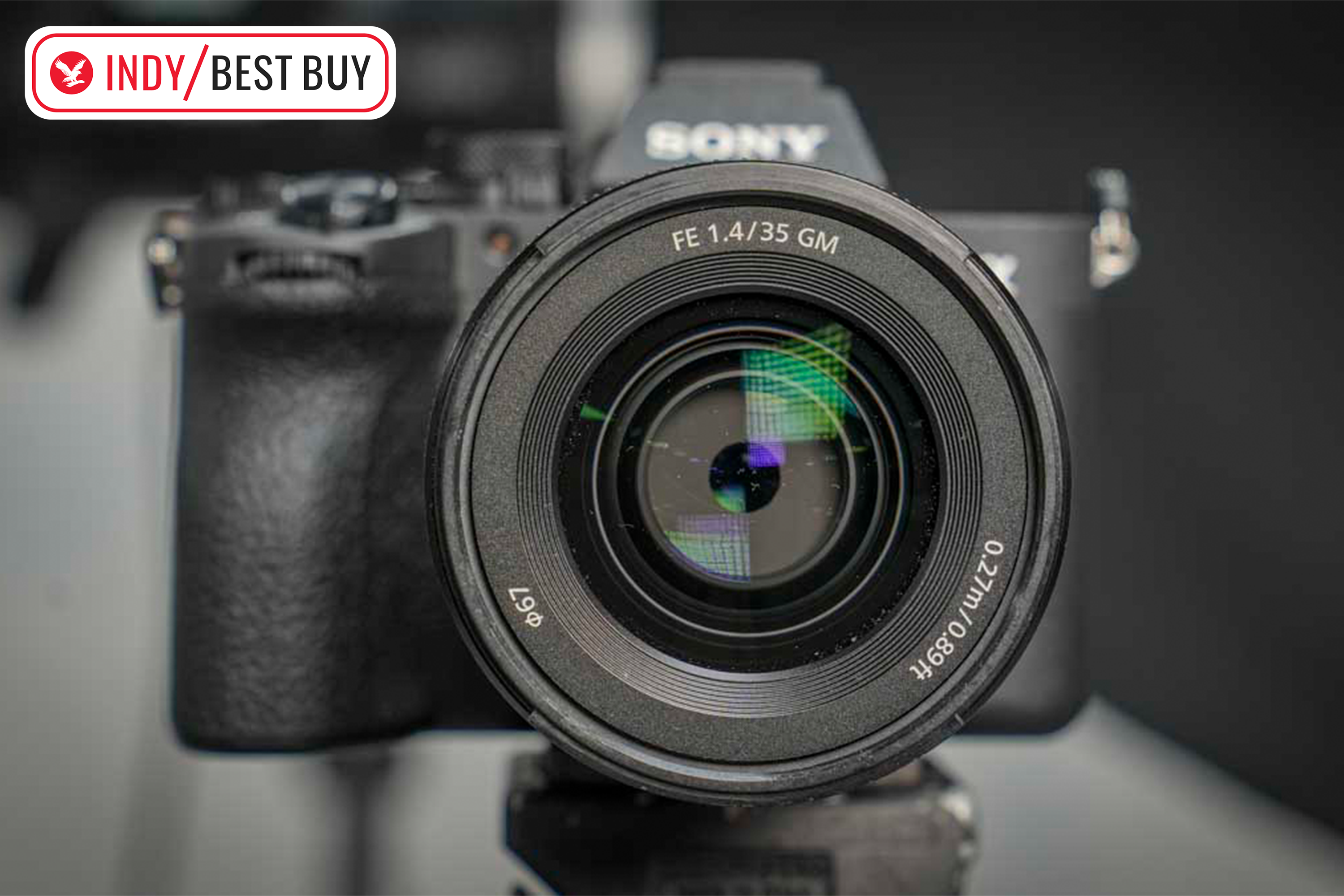
Best: digital camera overall
Sensor: Full-frame partially stacked CMOS
Resolution: 33MP
ISO range: 100–51,200
Burst rate: Up to 30fps
Autofocus: AI subject detection AF
Video: 4K up to 60p full frame, 4K 120p (Super35 crop)
Weight: Approximately 690–700g
Battery: Around 630 shots (EVF) / 750 shots (LCD)
Why we love it
- High-resolution sensor
- Advanced autofocus system
- Strong hybrid video capability
- Mature Sony lens ecosystem
Take note
- Expensive body price
- Large file sizes
- Complex menus
- Premium lenses increase system cost
Sony transformed the interchangeable lens camera market over a decade ago with the release of the Alpha 7 series. This launch of the new line briefly shifted the landscape for Canon and Nikon, who had long been established as the market leaders.
The new Sony A7 V carries on that legacy with a 50 MP full-frame stacked sensor, advanced AI-based autofocus, and the ability to shoot 8K video, which is a nice option, although you have to find a machine powerful enough to edit it.
The Alpha 7 aesthetic design has steadily evolved and blends retro and modern elements, which I found, through the test, to be solid, well-balanced and durable, even with larger lenses. However, after a decade, I do feel an advancement on that design aesthetic would be a good idea. Other enhancements, such as the electronic viewfinder, with its higher resolution and refresh rate, make a big difference and look clearer than the previous generation, which was already good, making it now closer to what you’d expect using an optical viewfinder.
Out in the field and photographing birds of prey, the burst rate of 30fps, with electronic shutter activated, enabled me to capture sharp images of the birds without too many issues, highlighting that the camera is well-suited to sports and wildlife photography.
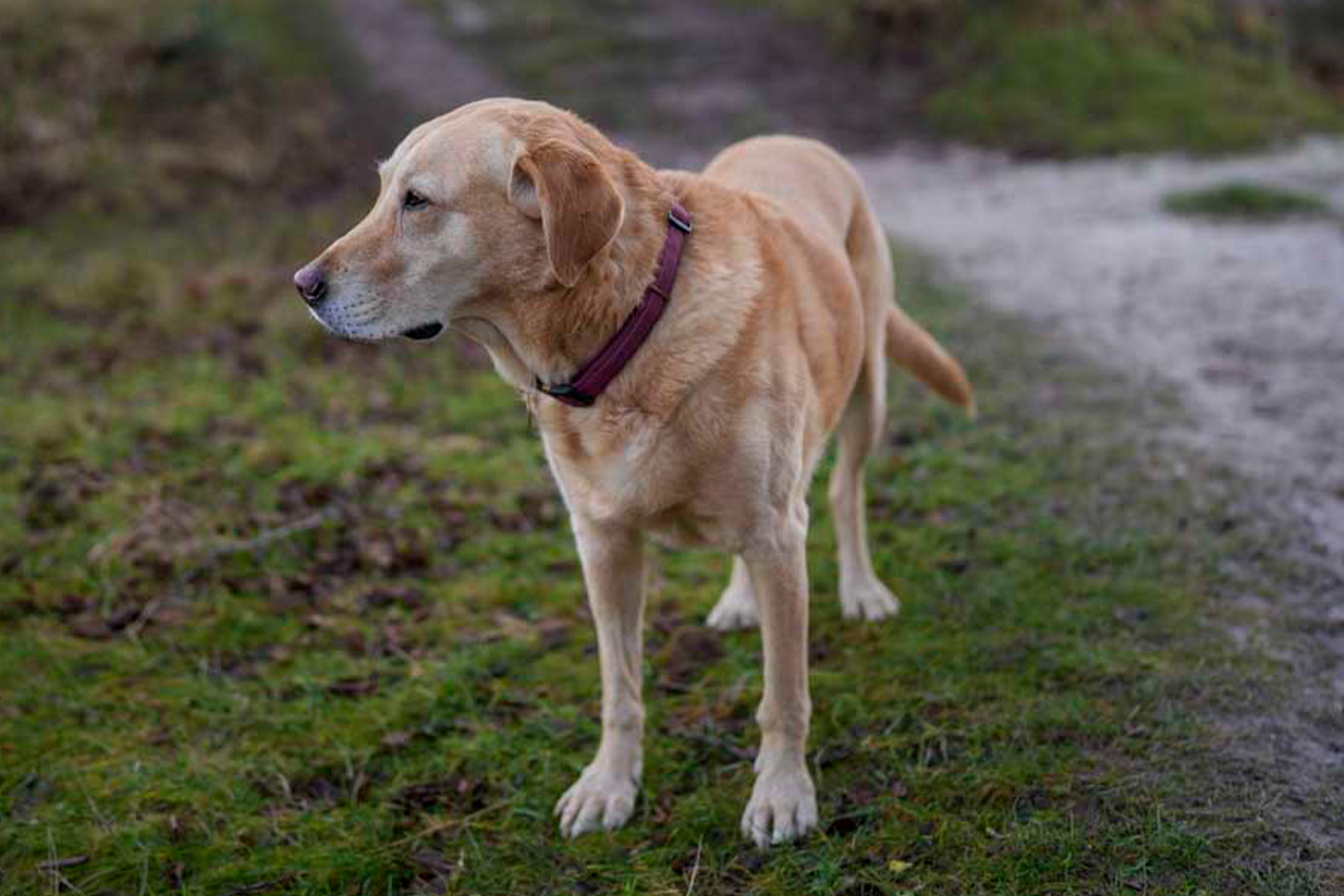
Low-light performance proved to be excellent and a valuable trait during the rainy months of January and February through this test. The camera was still able to reproduce strong colour, tone, and detail at ISO 800 and above. Even pushed to ISO 32,000 within its native ISO range, it still enabled impressive image capture in tough lighting when most cameras, prior to the present crop, would have struggled.
Image quality is impressive with that 50MP, enabling the capture of pictures with even more detail as I zoomed in on the screen to scrutinise. I did note that image file sizes are large with JPEGs at about 20MB, and RAW at 50MB. One oddity of Sony is the use of CFExpress Type-A cards rather than the more popular CFExpress Type-B, so these cards are more limited on speed and capacity options and command a higher price.
Video performance matches the still image quality, and as I tested the 8K and 4K at 120fps in Super 35 mode, I was impressed by what was on offer on the video front. For photographers, the depth of video option is a little bewildering, but for videographers, many of these options will be welcome most notably the 10-bit 4:2:2, S-Cinetone and S-Log3 (colour profiles for expanded dynamic range and cinematic look), I also tested out the in-camera LUTs (Look-Up Tables for previewing colour grading) which I can see as being especially useful to filmmakers giving them a good idea of the colour grades when shooting in the Log settings.
The specifications and performance make this camera hard to beat. It is expensive right now, but for its quality and flexibility, even with stiff competition, it just has the edge.
Buy now £2799, Sony.co.uk
Canon EOS R50
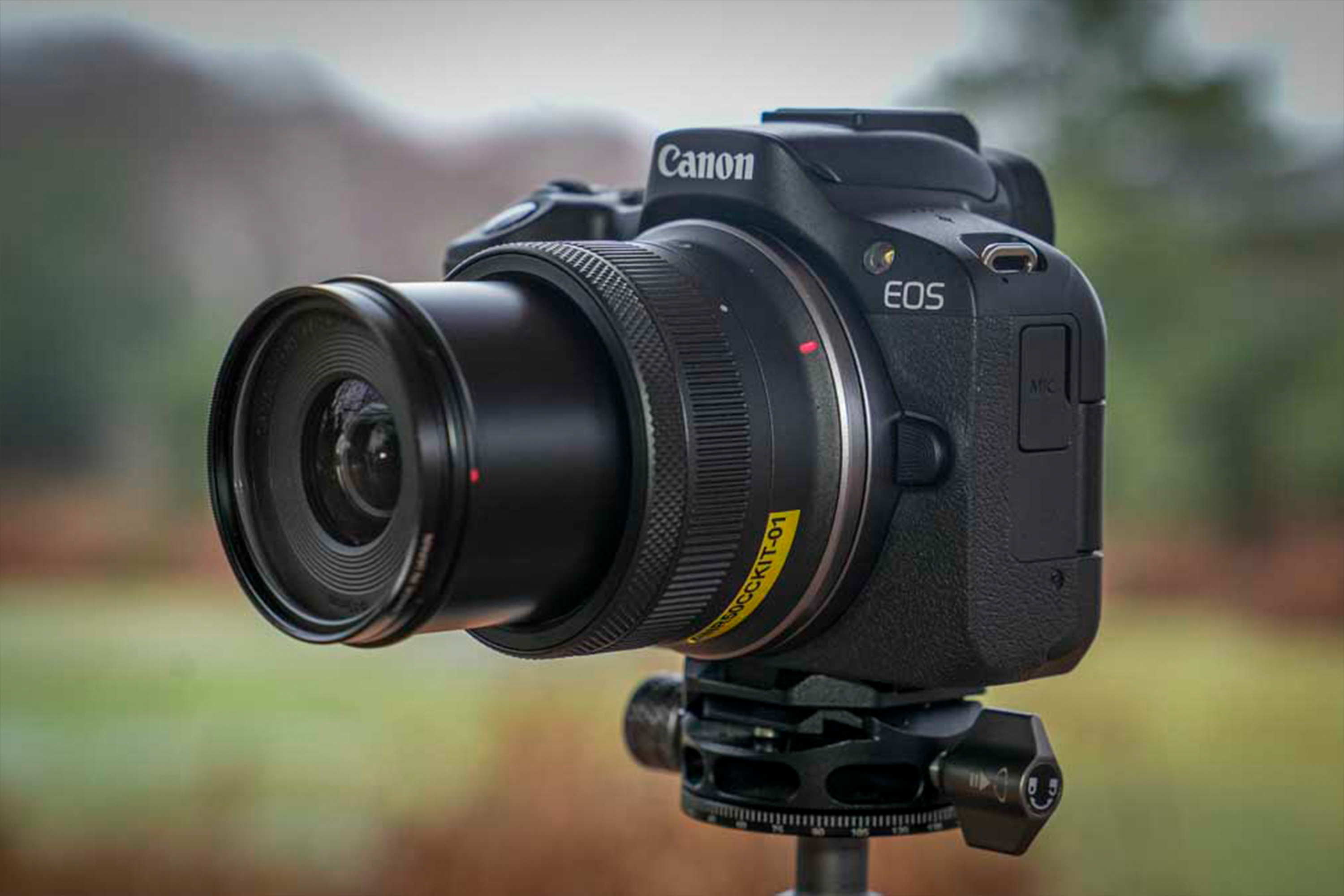
Best: digital camera for beginners
Sensor: APS-C CMOS
Resolution: 24.2MP
ISO range: 100–32,000 (expandable to 51,200)
Burst rate: 15fps electronic shutter (12fps mechanical)
Autofocus: Dual Pixel CMOS AF II
Video: 4K 30p (oversampled from 6K)
Weight: 375g with battery and card
Battery: Up to about 440 shots
Why we love it
- Lightweight design
- Beginner-friendly interface
- Strong autofocus system
- Affordable entry point
Take note
- Small grip
- Limited lens range for APS-C RF
- Modest battery life
- Limited advanced controls
Aimed at the entry-level market, the EOS R50 shows Canon’s years of development experience. In this one small camera, you have a vast wealth of imaging potential, and while the build quality might be a little more plastic and lightweight than the enthusiast-level models, the image quality can stand on its own.
Setup is straightforward, and the menu system here has been slightly adapted for the entry-level market. However, if you want the full menu experience, you can access the more familiar Canon menu system once you switch past the graphics.
One of the interesting features I noted from the start was the smartphone-like feel of the camera, and while its design is mirrorless, the full touchscreen and mobile connectivity give this a more modern, tech-integrated feel. If you’re a student or want your first interchangeable lens camera as you step up from smartphone photography, then the design of the R50 is a perfect choice.
Another advantage of this camera is its size. It’s one of the smaller models on test and doesn’t have the bulk or weight of some of the other cameras, coming in at just 375g for the body. It also features a fully articulated screen, making it great for photography at all angles and for selfies.
Like Canon’s other recent cameras, the AF system is well tuned, and for a camera at this price point, it’s fast and accurate, driven partly by the lens choice. I found the kit lens that arrived with the camera was a great fit, but adding a larger 24–70mm lens was a little overkill, with the lens far outweighing the camera.

While the camera is entry-level, it still offers many impressive features, including a 15fps burst rate with the electronic shutter, making it a great option for capturing local sports and wildlife. During the test, I was impressed with the AF's tracking speed, and while not quite as snappy as the more expensive options, it’s going to be more than sufficient for most weekend shooters.
Low-light performance is where you start to see the small camera's performance begin to suffer; however, it’s by no means bad. Throughout the test period, conditions were mainly grey and rainy, and the images show that the small sensor had to work hard to reproduce detail and tone. Still, it’s impressive when you compare the results with slightly older models, where the influence of grain would be far more apparent.
The image quality is limited only by the fact that this camera was tested alongside many others with larger full-frame and medium-format sensors. However, looked at in isolation, the camera’s image quality is good. In brighter conditions, the images are difficult to fault, only held back slightly by the cheaper kit lens, especially in duller conditions. However, in more typical weather conditions, image clarity is excellent, and with the colour modes and effects, there’s plenty to keep any budding photographer happy.
If you do want to use the video capabilities, then this is where this camera really starts to surprise. The 4K 30p video is excellent, and as you drop to 1080p, you can utilise the slow-motion option and push the frame rate to 120fps. This is impressive, and with the ability to plug in mics and other accessories, it’s an ideal option for creators. If you do want to go down that route, there is also a video version of the camera called the R50 V, which is, at present, one of the most impressive cameras on the market at any price.
Coming from Canon, the ecosystem is huge, and not only does it offer a decent range of lenses and other accessories, but the R50 also comes with an app, which further boosts its potential.
Buy now £899.99, Argos.co.uk
Hasselblad X2D II 100C
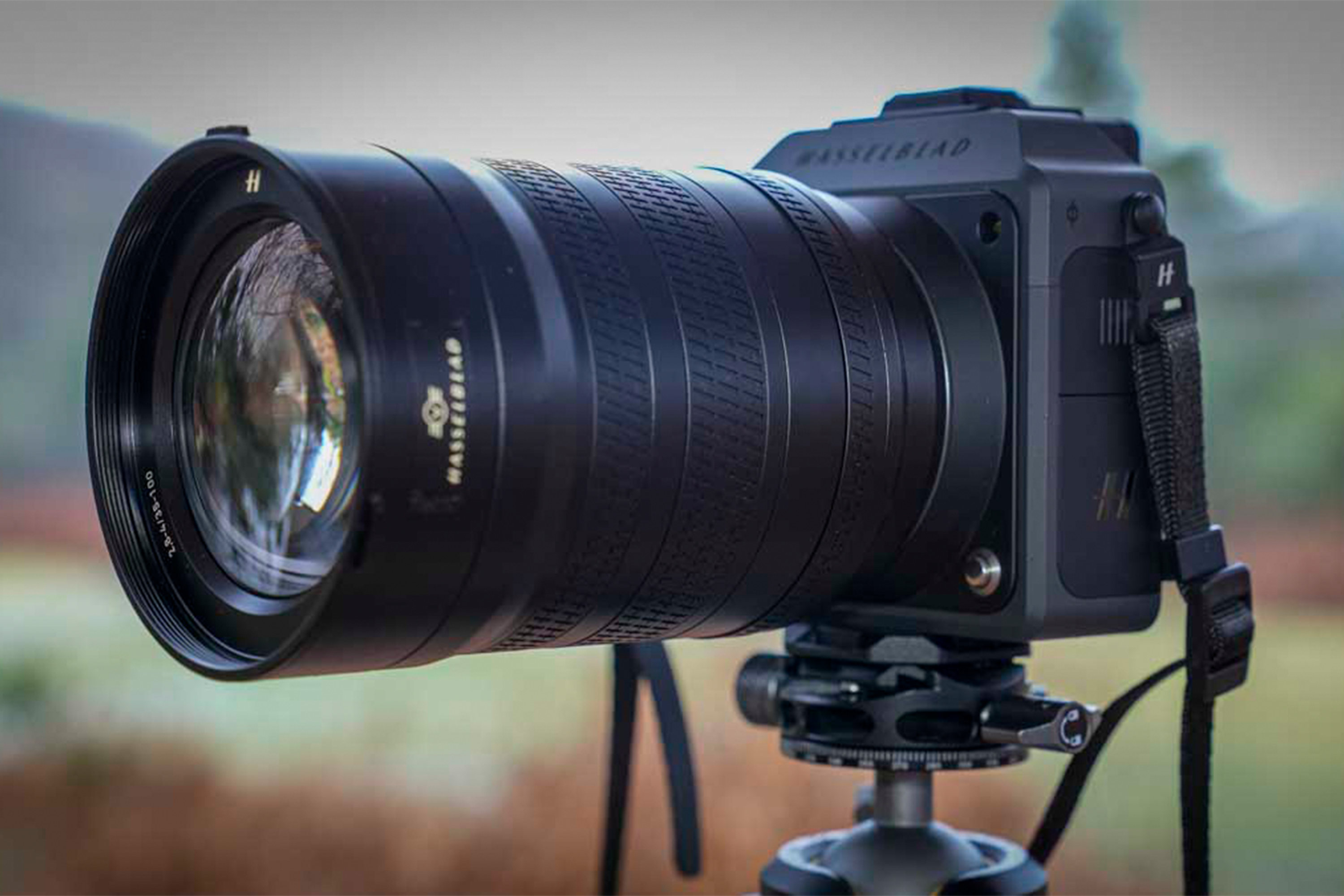
Best: professional digital camera
Sensor: Medium format BSI CMOS (100MP, 43.8 × 32.9mm)
Resolution: 100MP
ISO range: 50–25,600
Burst rate: Up to 3fps continuous shooting
Autofocus: Phase detection AF with 425 PDAF points and LiDAR assistance
Video: None (still photography only)
Weight: Approx. 840g (body)
Battery: Approx. 466 shots
Why we love it
- Exceptional image resolution
- Superb colour science
- Medium-format dynamic range
- Premium build quality
Take note
- Very expensive
- Larger body and lenses
- Slower burst shooting
- Limited sports capability
The Hasselblad X2D II 100C is a mirrorless camera with a difference, and first and foremost, the price puts it out of reach for the casual enthusiast. The Hasselblad name carries significant history and reputation. The brand is linked to some of the most famous images ever taken, capturing iconic images of Jimi Hendrix, Marlon Brando and Kate Bush and has for years been the choice of celebrity photographers.
The X2D II 100C, like previous models, features a medium-format sensor. This is a big step up from the full-frame and APS-C sensors used in the cameras in the rest of the test. Hasselblad is a premium brand, but also a working camera and a tool of the trade, whilst there are retro styled Hasselblads, this is a modern era camera and all the better for it. This makes it a great choice for professional studio and landscape photographers. When reviewing test images, the camera’s advantage was clear. If there were any camera I would buy now, it would be this one.
The camera is larger than the rest. It has a large sensor, a large body, and a large lens. Still, it feels very well-balanced due to the design and grip. While this is a Hasselblad, the design and use are far removed from the iconic 500C. It is now engineered for a modern workflow. The camera is weather-sealed, which I definitely needed during the test.
Setup is straightforward: the battery is charged and inserted, and it’s just a few clicks on the info screen before you’re set and ready to go. The memory card format is CFexpress Type-B, and I’ve opted for the Lexar Gold CFexpress Type-B 2TB. The capacity and speed of this card are required to keep up with the file size of the captured 100MP images.
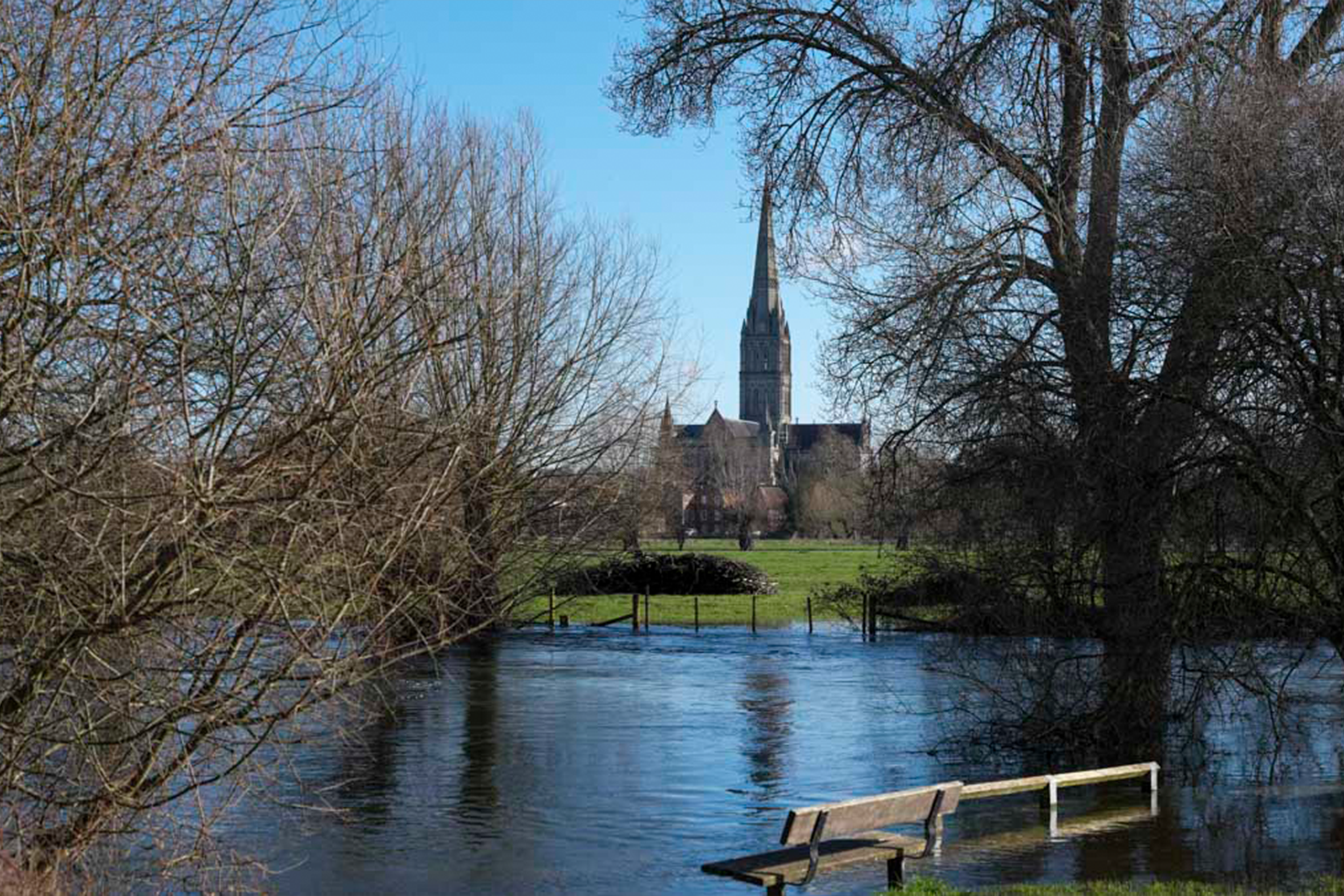
Checking through the settings and options, and navigating the distinctly Scandinavian-designed user interface, is a stark contrast to the icon-driven style of the majority of other cameras. It’s clean and business-like, with everything easy to find. The Control Screen enables you to delve into the settings and quickly switch focus, metering and other options. Once I’d spent an hour with the camera, navigating the settings was easy and intuitive, especially for a professional workflow where you need common settings to be accessible with the push of a button without searching through complex menus.
One of the issues I’ve had in the past with medium-format cameras is AF speed, and while the AF still isn’t on a par with most smaller cameras, it’s improved greatly compared with previous releases, and both the tracking and eye AF locked on target with superb accuracy. If you’re looking to shoot sports or wildlife, a smaller camera will be a better choice.
Likewise, when it comes to shooting speeds, the image files are huge, so I was only able to take around three images per second in burst mode before the buffer filled, and I had to wait.
An advantage of the larger sensor is its low-light performance, and the test shots showed the camera's potential. While the other cameras perform well, the larger sensor is better able to handle noise and to reproduce colour and tone with greater depth.
The heart of the camera is a medium-format 100MP BSI sensor that captures more scene information. Checking the images through and comparing them against the other cameras, the depth of colour and tone stands out, but it’s the dynamic range, the amount of shadow and highlight detail that’s captured, that far surpasses all others.
If you already own an old Hasselblad 500C, you can use those lenses on the new body with an adapter. However, in this test, coupled with the 35–100mm AF lens, switching to those older lenses does feel like a step back. Hasselblad’s XCD lens lineup is extensive, but like the camera, expensive.
Buy now £6400, Wexphotovideo.com
Canon EOS R6 mark III
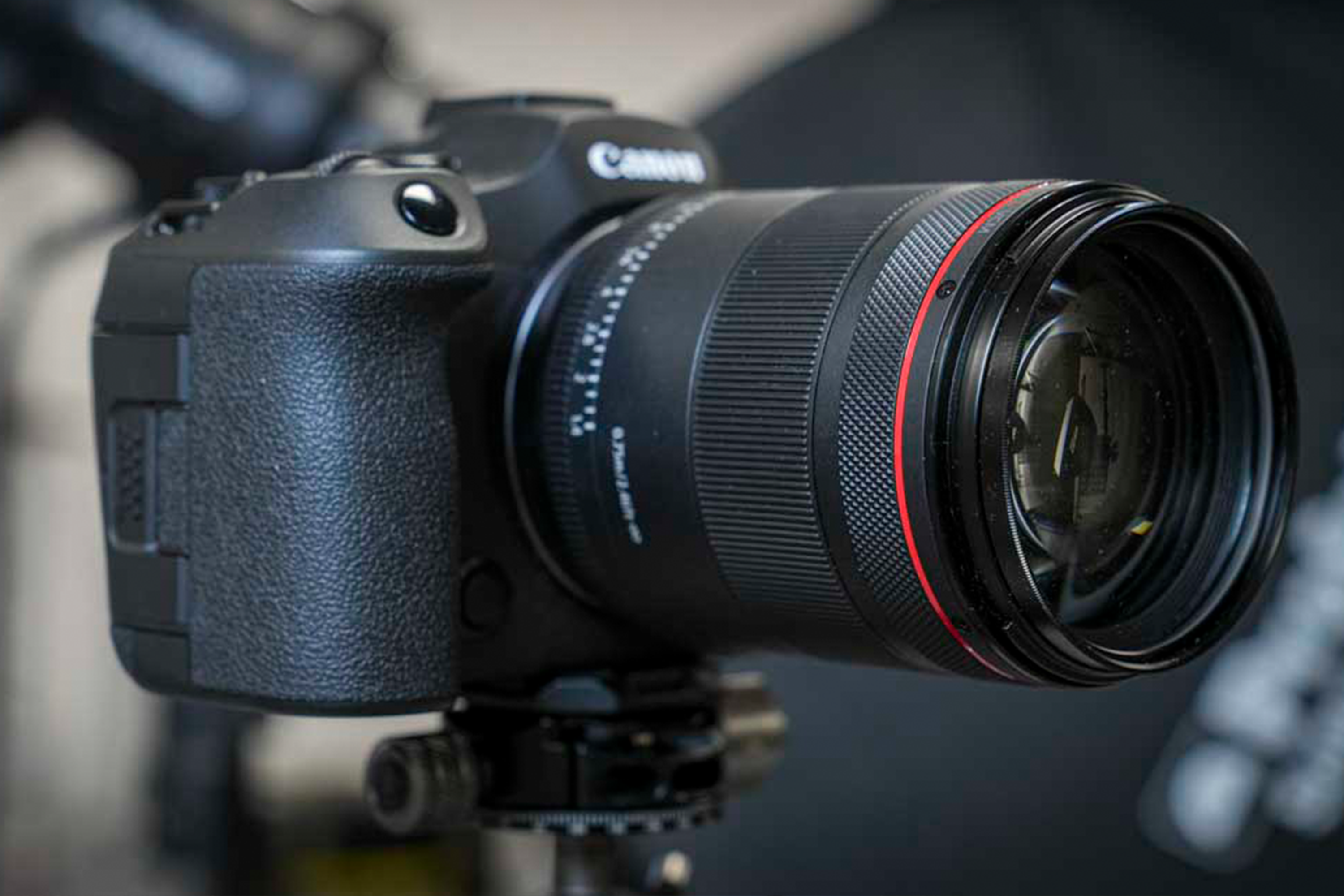
Best: hybrid digital camera
Sensor: Full-frame CMOS
Resolution: 32.5MP
ISO range: 100–102,400 (expandable higher)
Burst rate: Up to 40fps electronic shutter (12fps mechanical)
Autofocus: Dual Pixel CMOS AF II
Video: Up to 7K RAW / 4K 120p
Weight: Approx. 680g body only
Battery: Around 500 shots
Why we love it
- Excellent autofocus system
- Hybrid photo/video performance
- Fast burst shooting
- Good ergonomics
Take note
- Higher mid-range price
- Moderate resolution
- Canon RF lenses are expensive
- Video overheating is possible
Squarely aimed at the enthusiast market, the EOS R6 III is part of Canon’s market-leading mirrorless lineup. While Canon was, in many ways, late to the show when it came to mirrorless, its cautious approach has paid off, and its latest batch of APS-C and full-frame cameras simply shows why it led the market for so many years.
Setup is fast. Once the battery is installed, clicking through the time settings and final setup takes a few seconds. The interface is well laid out, and a key point is that while the contents of the Canon menu screens vary by model, the user interface remains largely the same, making it a great choice if you’re upgrading from an older model.
This camera should really be seen as the Swiss Army knife of the camera world, able to adapt to any photography genre you want. Sure enough, dipping into the menu system, setting up the custom buttons and navigating the options shows just how much potential there is.
The camera's design is modern, with rounded edges and a robust build. While aimed at the enthusiast market, as a second body for professionals, the EOS R6 III will be a perfect partner to the EOS R5 II, with a familiar layout, workflow, and image characteristics. The large grip and weather-sealed body just reinforce the quality of the Canon build.

Canon’s AF system is, as ever, fast with plenty of options and tracking. Photographing Pip, my dog, running through the forest, it captured pin-sharp images with no issues. As I only had a limited selection of lenses, the 24–70mm I was using didn’t offer enough reach for wildlife, but it tracked closer subjects with absolute precision.
Backing up the shooting flexibility is a 40fps burst mode with the electronic shutter, and I was impressed by the volume of images the camera held in the buffer as it wrote down to the Lexar Gold CFexpress Type-B 2TB card.
As with all cameras on test, the low-light performance is well balanced, and shooting at standard ISO values of 800–1600 produced clean, clear images without the usual signs of noise and loss of tone and detail. As the light dimmed and the ISO increased, image quality declined, but the image remains impressive.
Checking through the images shot, and despite the low-light weather conditions, the camera’s sensor extracts maximum detail from the otherwise dull surroundings. Fine detail is well reproduced, and tone looks smooth. The contrast characteristics of the Canon brand snap to sharpness with a little adjustment, but there’s a depth and richness to the colours which is synonymous with Canon.
Video potential is well balanced with 6K and 4K leading the headlines, but the 4K at 120fps is impressive, and while there is a squeeze on the video quality, unless you’re working at a professional level, you’ll be more than impressed.
When it comes to the ecosystem, Canon’s selection is among the largest on the market, with plenty of choice from its RF lenses. It is worth noting that even the cheaper Canon lenses are expensive; however, there are plenty of cheaper third-party options, or, with an adapter, you can fit older EF lenses, including L-series pro lenses, which can be picked up for a fraction of their original prices.
Buy now £2799, Wexphotovideo.com
Nikon Z5 II
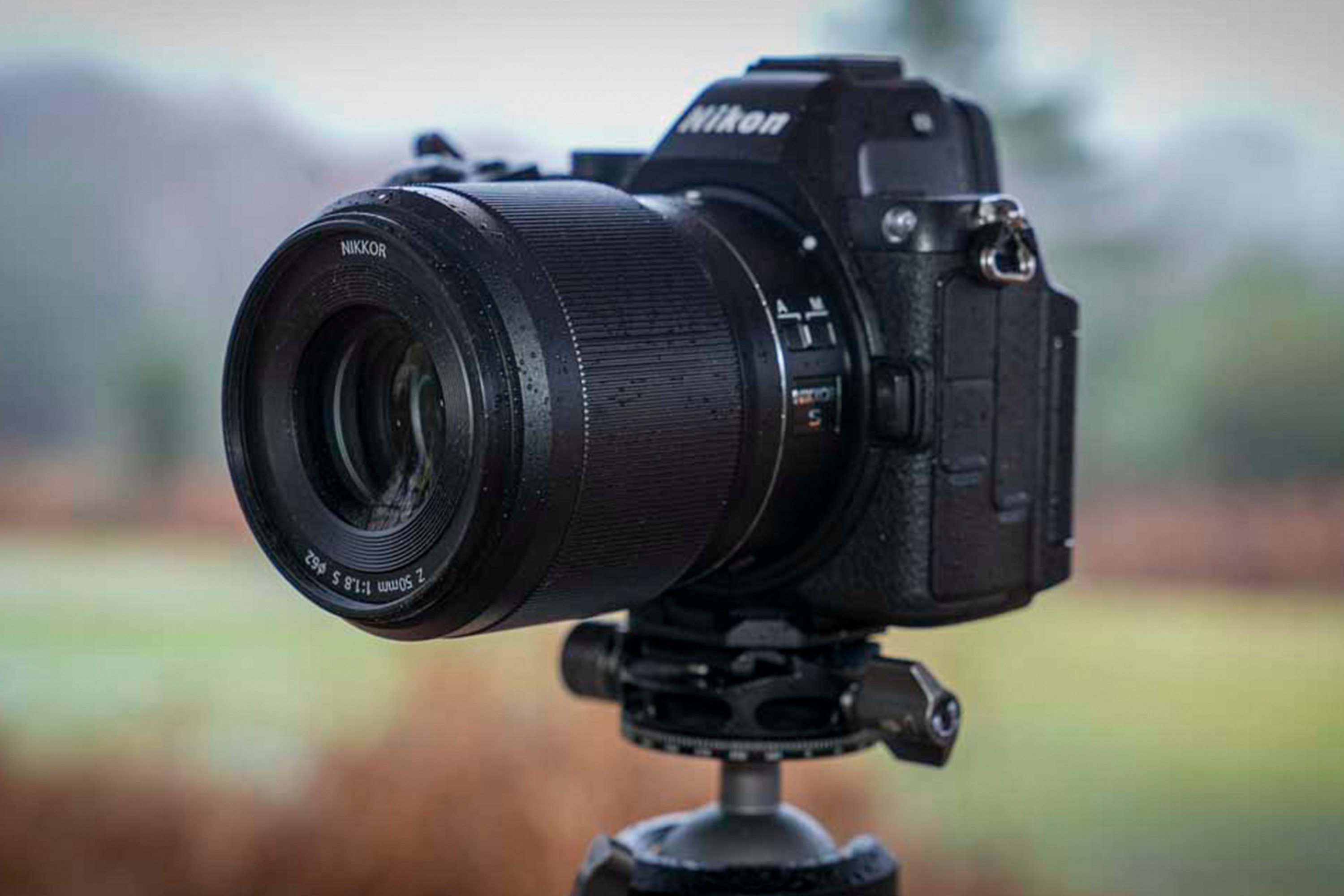
Best: digital camera for enthusiasts
Sensor: Full-frame CMOS
Resolution: 24.5MP
ISO range: 100–51,200 (expandable to 50–204,800)
Burst rate: Up to 14fps
Autofocus: Hybrid AF with subject detection
Video: 4K up to 30p
Weight: Approximately 700g with battery and card
Battery: Approximately 390 shots
Why we love it
- Fast autofocus performance
- Excellent image quality
- Strong video features
- Robust body design
Take note
- Battery life is slightly lower than rivals
- Z lenses can be expensive
- Large body size
- Buffer limits in extended bursts
This is one for the enthusiasts with plenty of customisability and a professional feel from the outset. Like Canon, Nikon was slow to adapt fully to the mirrorless market, mainly due to the huge Professional and educational markets that rely on their products. Nikon has always stayed focused on providing some of the most durable and reliable cameras available. Alongside Canon, they’re also a firm favourite for those just getting into photography and, due to their robustness, for many schools and colleges.
The Z5 II is again a flexible enthusiast choice, and as ever, the setup was fast, and I used the custom menu to add all the functions and features I wanted to access during the test: image formats, video resolutions, and manual focus assist, to name a few. The interface is familiar and relatively easy to navigate through the settings, and the host of advanced AF and metering modes shows just how well technology is integrated into this camera.
Again, there’s a good, deep grip and a weather-sealed body. Nikon's generally feel well-built, and this one, especially, feels ready for professional work, as a second body to any of Nikon’s pro models or a great choice for the intended enthusiast market. I particularly liked the bright, clear high-resolution EVF that, whilst still not quite on a par with optical, is now exceptionally close.
Out in the New Forest, the speed and accuracy of the AF detection are remarkable, and watching the tracking AF points stick to the subjects, even when they’re moving at speed, really highlights that this camera is a great choice for both wildlife and action.

Once again, this is a crowd-pleasing camera with all the features and a balanced specification that will suit any genre of photographer. All you need to do is accessorise it with the right lenses, and it will stand its ground against any professional-level body. The AF on this camera is exceptional, especially in the low-light conditions of woodland, where it felt more accurate and reliable than the others in the test, leading me to say that this would be the best choice for wildlife, especially with the 14fps burst rate and use of Dual SD UHS-II slots.
Another point about the camera's physical design is that it’s exceptionally well-balanced and comfortable to hold, even with larger lenses. The ergonomics of the modern mirrorless style really stand out against the retro style resurgence.
As with the low-light AF performance, the general low-light image handling is also excellent, with the processing enabling usable shots even at some of the higher ISO values. Setting the Auto ISO limit to 3200 for wildlife, the images looked clear, although a longer lens and some better weather during the test would have been appreciated.
Another point about the camera is that at 24.5MP, the resolution might seem quite low compared with its direct competition, but printed, you’ll get a decent A3 image, and actually, this resolution helps provide some of the cleanest images on test.
Video is another strength of the camera. Nikon, unlike some other manufacturers, doesn’t have a broadcast arm like Canon, Panasonic and Fujifilm. However, they have partnered with RED, a video camera manufacturer. While there are no RED components here, the video potential is outstanding, with full N-Log support for capturing flat footage ready for grading and the ability to shoot 4K at 30 fps.
Coming from Nikon, there’s a huge selection of lenses at every price point, with plenty more available through the third-party market. Also, with the use of an adapter, you have access to Nikon’s FX range of lenses, which have been produced for decades and retain full compatibility.
Buy now £1185, Amazon.co.uk
Nikon Z50 II
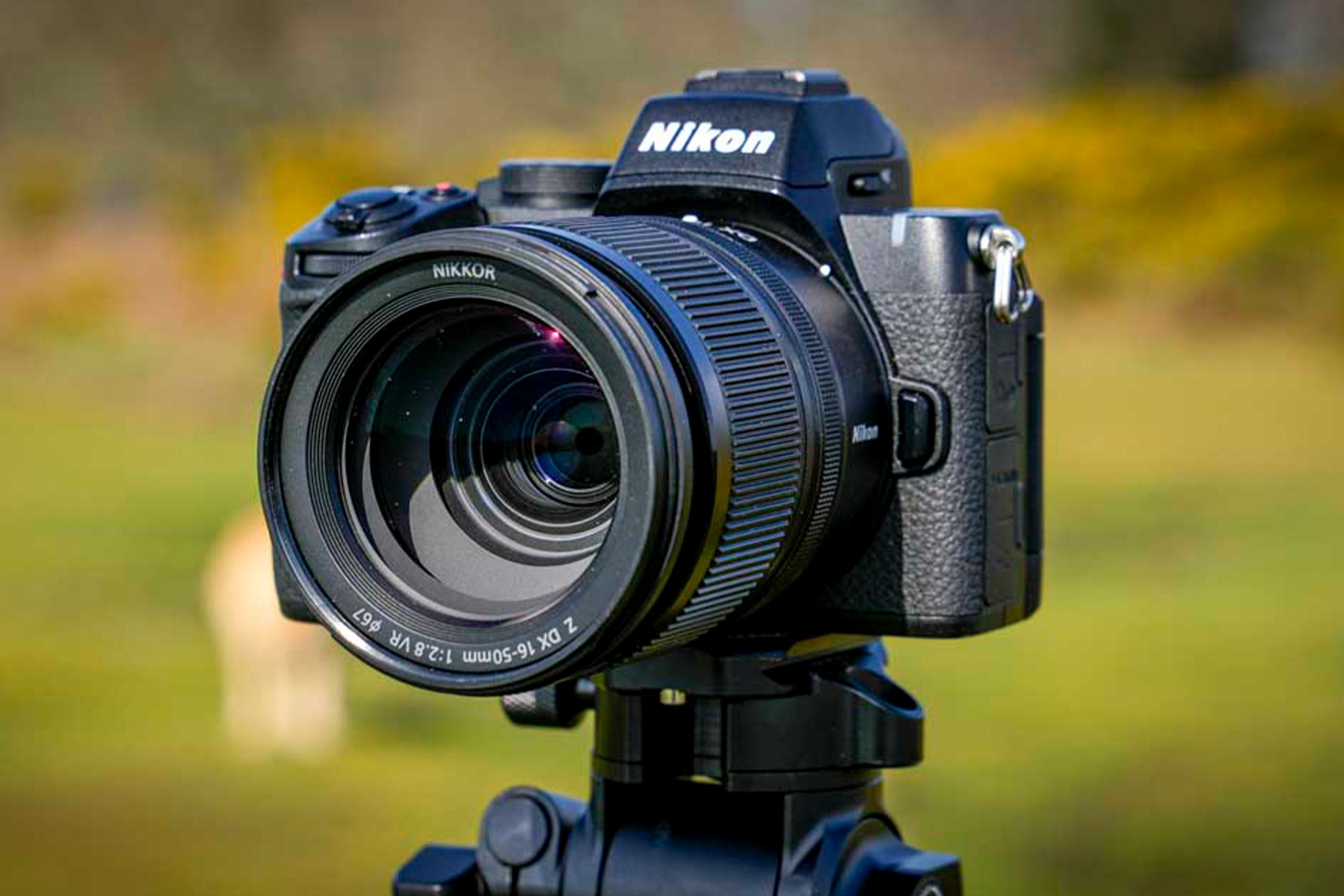
Best: digital camera for education
Sensor: APS-C CMOS
Resolution: 20.9MP
ISO range: 100–51,200 (expandable to 204,800)
Burst rate: Up to 11fps
Autofocus: Hybrid AF with subject detection
Video: 4K up to 60p
Weight: Approximately 550g with battery and card
Battery: Approximately 300 shots
Why we love it
- Small lightweight body
- Excellent build quality
- Well priced
Take note
- Smaller APS-C sensor
- Learning curve for beginners
- SD Card slot in the base
Nikon has been a firm favourite for decades, and while their professional-level models are still at the top of the game, Nikon, as ever, is aware that it’s a natural progression from entry-level to high-end models. The Nikon Z50 II is one of those cameras that has consistently stood out, and each time I come across it, I’m amazed at just how fast and feature-packed it is.
Before delving into the specifics of the camera, it’s worth putting this camera into context - while the sensor is only 20.9MP, a relatively low resolution compared with many of the competitors, the quality of the images it produces is still detailed enough to print clearly at A3, the exact image size is 47cm x 31cm, more than large enough for most enthusiasts and beginners.
What makes this camera interesting is that inside is the Nikon EXPEED 7 processor, which has filtered down from the high-end Z8 and Z9 (both of which cost between £3,000-£4,000). What this means is that you have a mid-resolution sensor with an incredibly powerful processor, and that combination makes a huge difference in the ease of capturing the images you want.

Getting started with the camera is straightforward, and the years of Nikon's knowledge of camera design and development really show with the ergonomics, deep grip and ease of access to all the functions and features that you need. The dual dials for shifting through settings make for easy exposure adjustments, and the fully articulated screen makes it simple to compose in almost any setting or position.
If you’re just getting into photography, then the layout of the camera is superb, with all the exposure settings clearly laid out, with the large exposure mode dial on the top and trio of video record, ISO and Exposure compensation buttons near the shutter release. A consistent feature of Nikon cameras throughout their range.
In use, the camera is one of the most fluid on test, switch to AI tracking, aim the camera at a passing bird of prey and push the shutter release and as long as you have a long enough lens and it’s in frame, the bird will be captured. This might sound obvious, but as any photographer will know, getting the camera to actually focus on the subject is all part of the skill, although here the camera is so fast and accurate in these abilities, the hit rate for a decent picture is just well beyond what I have seen in the past.
That theme runs throughout the use, and while this is a cheaper enthusiast camera, like the old D300s and D500, which both, in their time, had a relative cult status for durability and speed, likewise the Z50 II is a lightweight but incredibly refined camera, that’s great for enthusiasts, but if you work in education, it makes teaching photography that much easier, due to advanced features and instant ability to capture great images.
Buy now £799, Very.co.uk
Sigma BF
Best: minimalist digital camera
Sensor: Full-frame back-illuminated CMOS
Resolution: 24.6MP effective (25.3MP total)
ISO range: 100–102,400
Burst rate: Up to about 8fps
Autofocus: Hybrid phase and contrast detection AF
Video: 6K up to 30p / 4K up to 30p
Weight: About 446g with battery (388g body only)
Battery: Approximately 260 shots
Why we love it
- Unique minimalist design
- Solid metal construction
- L-mount compatibility
- Clean interface
Take note
- Limited physical controls
- Smaller ecosystem
- Unknown long-term support
- Niche appeal
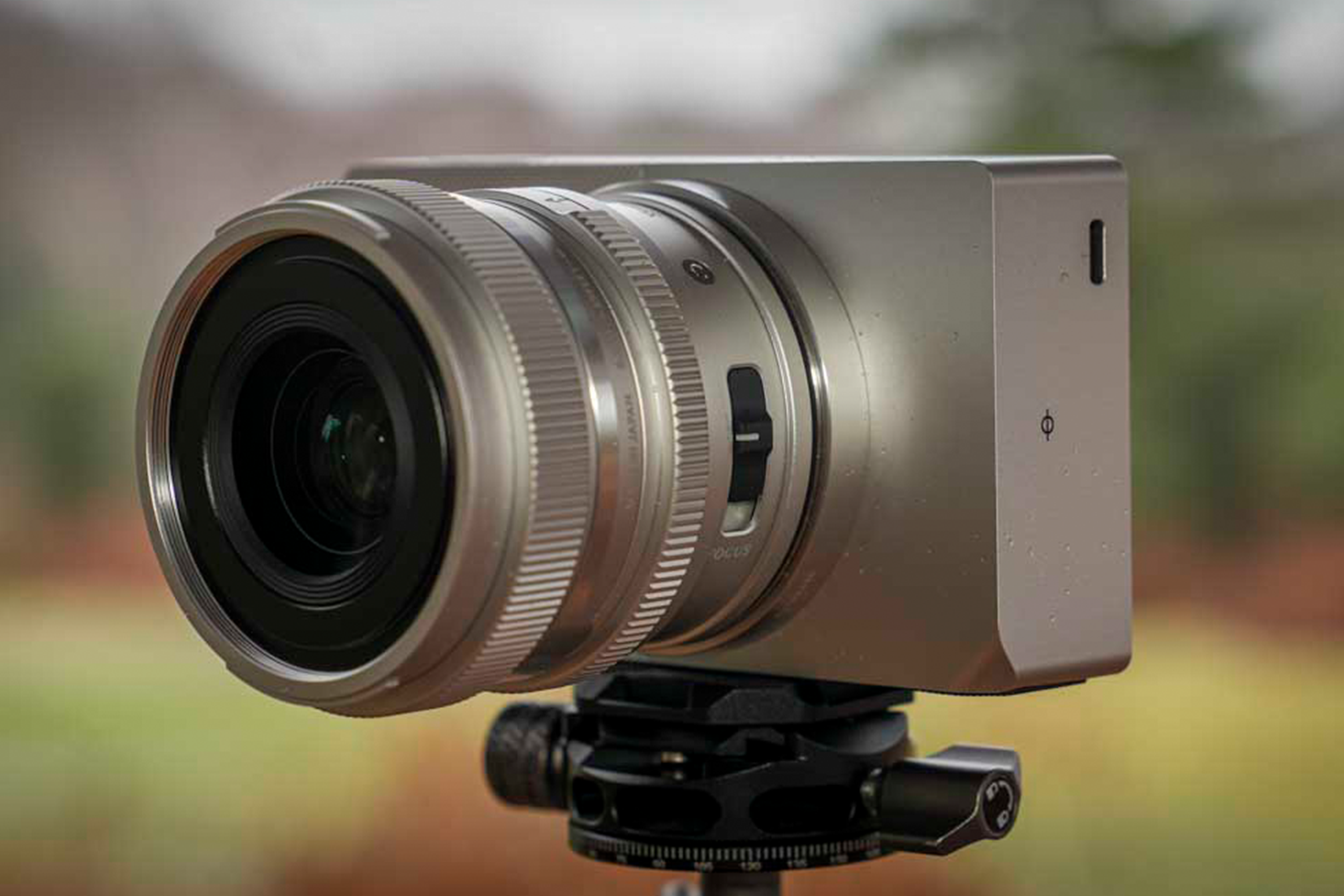
Sigma is known for its lenses and offers third-party options for most manufacturers, but it also makes cameras. These cameras are different from anything else on the market, and lifting the Sigma BF out of the box, the solid, minimalist aluminium block instantly highlights that the company has designed an alternative to mainstream cameras.
This camera is the link between a smartphone and an interchangeable-lens camera, and initially, that simplicity seems a little restrictive in use. But as you familiarise yourself with the lack of buttons, the absence of a memory card slot, and other quirks, you start to realise that this is as much about innovation and quality as it is about image capture.
The design is futuristic, and, quite literally, the camera has been machined from a solid block of aluminium before the electronics are placed inside. Considering the size, the weight is substantial, and there’s no denying the quality.
Setup is minimalistic, and once inside the camera, the main interface is just about as simple as they come. Cleanliness of use and navigation are the key here as part of a rethink of workflow. The design does stand out as stunning, robust yet elegant, but when it comes to comfort in the hand, minimalism doesn’t make for the most comfortable shooting experience.

Inside is a full-frame sensor, and as I progressed through the test, I started to warm to its hard silver exterior and concept-like design. This camera is designed for those who like innovation and simplicity and just want a camera that’s capable of taking exceptional images without the in-depth settings or features.
For simplicity's sake, you would think the price would be reasonable, but it’s not; it’s extremely expensive. The AF is OK, as is the burst frame rate at 10fps. Whilst the camera is seemingly simple, the more I used it and delved into the menus, the more impressive it became. The low-light performance with that full-frame 24MP sensor not only delivered exceptional detail, tone, and dynamic range but also felt well-balanced once you got used to the different way of shooting.
Despite the cost and the image quality, this isn’t a professional camera, it’s more for those who like premium, unique and concept products. There’s plenty to like here, as long as you like to think differently.
When it comes to lens choice, the camera uses the standard L-Mount, which is produced by Sigma, Panasonic, and Leica, giving you a huge choice of very premium lenses to go alongside the premium camera.
Buy now £1869, Wexphotovideo.com
Fujifilm X-E5
Best: digital camera for street photography
Sensor: APS-C X-Trans CMOS 5 HR (BSI)
Resolution: 40.2MP
ISO range: 125–12,800 (expandable 64–51,200)
Burst range: Up to 8fps mechanical / 13fps electronic
Autofocus: Hybrid phase-detect AF with 425 points and AI subject detection
Video: 6.2K 30p / 4K up to 60p
Weight: 445g with battery and card
Battery: NP-W126S (approx. 450 shots depending on mode)
Why we love it
- Compact rangefinder design
- Fujifilm colour science
- Lightweight system
- Strong APS-C lens lineup
Take note
- Smaller grip
- Not ideal for large lenses
- Limited battery capacity
- Slower burst performance
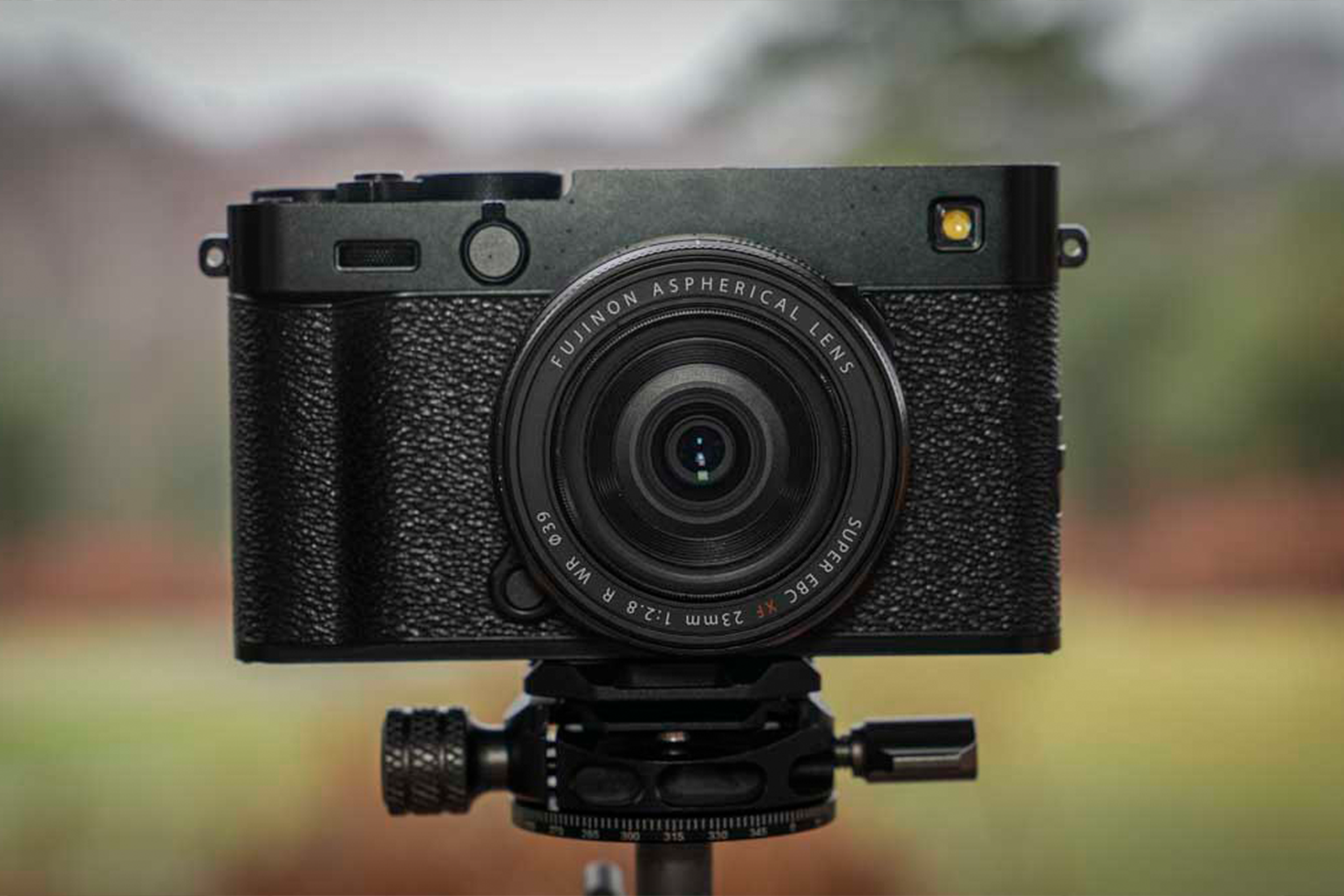
The Fujifilm X-E5 is a mirrorless camera that reflects the original ideal behind the mirrorless design. Essentially, when the mirrors were dropped from DSLRs, the idea was that the camera would get smaller. For a time, that decrease in size did happen; however, over time, the cameras packed in more features, bigger sensors, batteries and memory cards, and these days the latest mirrorless cameras are generally a similar size and weight to the older DSLRs.
The X-E5 is one of the exceptions, especially in the enthusiast level rather than the entry level. The camera is small, and the lenses that came with it are well-suited and balanced, making this an ideal option for street and travel photography.
Setup is straightforward, as is assigning custom buttons and some of the features. However, the menu system is a little more complex than the others on test, and I needed a referral to the manual to find all the settings I wanted. However, part of the reason for this is that most settings are accessed through direct dials on the body, and almost everything else is available in the Quick Menu, accessed by tapping the Q button.
The other point about the X-E5, and for that matter the entire Fujifilm range, is the retro styling. Aside from Leica, Fujifilm has gone down the ultra-retro route, and at first glance, you could easily be fooled into thinking this is a film rather than a digital camera, and it has the build quality to match. It’s solid.
In use, the camera feels more organic and hands-on, thanks to all the dials and buttons. Thankfully, rather than being as complex as first thought, that analogue approach makes it extremely usable and provides a far more tactile, manual approach if you want it.

The AF lags behind Canon, Nikon and Sony in speed, but for the most part, the face and eye detection AF is good, again highlighting that this is an ideal option for travel and street photography. The burst mode with the electronic shutter option enables 13 shots per second with the electronic shutter, showing that, with the right lens, it could be used for sports and wildlife, although the likes of the Fujifilm X-T5 would be a better fit.
In the test, the low-light performance was far better than expected, with a decent ISO range that enabled flash-free images to be captured indoors and out, even in gloomier conditions. This performance was better than most APS-C cameras.
One of the main features of most Fujifilm cameras is their X-Trans sensor. This has a different pattern from the standard sensor used by most other manufacturers, and as such, it has a distinctive style. The images Fujifilm cameras produce are visually closer to those from film, and the cameras offer quick access to a range of film simulation modes. If you’re a creative photographer or looking for a bit of nostalgia, then these modes are exceptional.
As with all cameras, the video options are there, but they feel like an aside to the stills' ability. That said, the quality is again excellent, and with the ability to plug in mics and more, you can create a very compact video rig to complement its travel potential.
Finally, the Fujifilm X Mount range is well established with some of the finest lenses on the market. Their compact primes are of special note, and the 23mm and 56mm are expensive but well worth the outlay.
Buy now £1549, Argos.co.uk
Canon EOS R50 V
Best: digital camera for hybrid creators
Sensor: APS-C CMOS
Resolution: 24.2MP
ISO range: 100–32,000 (expandable to 51,200)
Burst rate: Up to 15fps electronic
Autofocus: Dual Pixel CMOS AF II
Video: 4K up to 60p
Weight: Approximately 370g
Battery: Approximately 300–400 shots
Why we love it
- Intuitive progression from a smartphone
- Shoots amazing video
- Robust and compact
Take note
- No viewfinder
- Video first design
- Boxy ergonomics
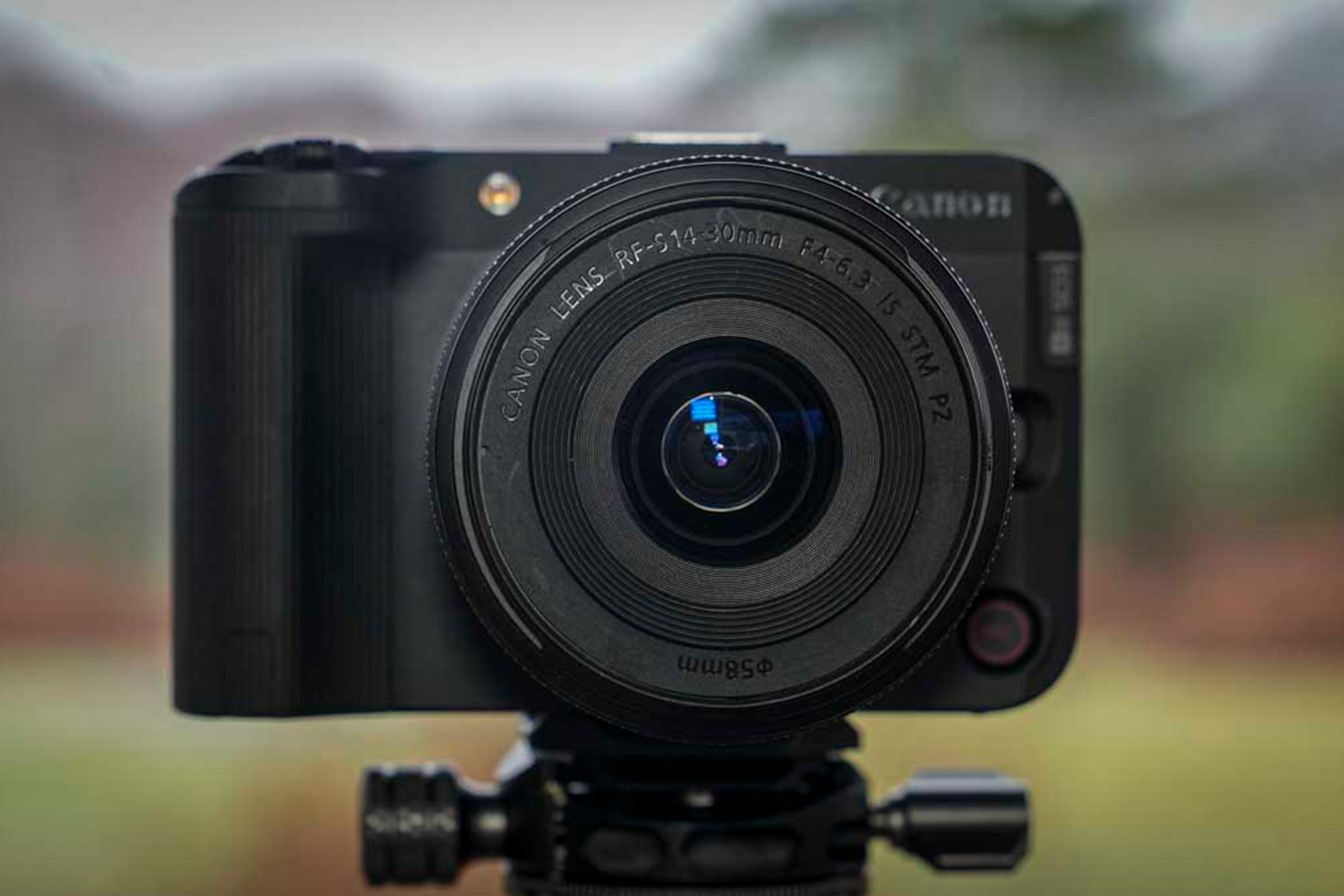
The Canon EOS R50 V is one of a new breed of mirrorless cameras designed for the growing number of video-first users, primarily content creators. Essentially, this camera is the video twin of the EOS R50, which I’ve also looked at in this review; however, there are key differences, and while more-established photographers will be slightly shocked by some of Canon’s design decisions, for those who are taking the natural step up from smartphones, this camera makes perfect sense for stills as well as video.
The first design feature that you’ll notice is that there’s no viewfinder. Canon has deemed this unnecessary for this style of camera, so all interaction and composition is made on the small screen, in exactly the same way as your smartphone. Keeping with this smartphone design principle, as you take a look around the body, while there are plenty of traditional still camera features such as the exposure mode dial and menus, there’s also a tripod mount on the side, as well as the base. This is, of course, so that you can mount the camera in portrait orientation as well as the more traditional landscape without any issue.

The other point about the design is that, unlike most other Canon Mirrorless cameras, which are ergonomically designed, the EOS R50 V only has a very shallow grip; it’s still comfortable to hold, but don’t expect the same firm purchase as those more traditional cameras. The plus sides here, and one of the reasons for this camera, is that it’s easy to mount into cages or rigs for filming.
In use for stills, the camera, due in part to its small size, is surprisingly agile, and while there is the video-centric design with the large record button on top and on the front, reflecting elements of Canon’s Video camera ranges, it still features essentials such as a hotshoe for flash. The camera, while breaking from traditional camera design conventions, is surprisingly pleasing to use, although I did miss the use of a viewfinder, especially in the briefly brighter days.
Switching to the video options and the camera really comes into its own, with framerates of 4K60 and 1080P120 enabling you to shoot impressive slow-motion sequences. Canon has also seen that this is another camera that will appeal to content creators, but also education, with the ability to shoot in C-Log for colour grading and with all the pro-level monitoring features such as focus peaking and zebras.
For a camera that’s small and breaks the mould when it comes to design, it's surprisingly solid and refined, and has been the camera that I have recommended to several Schools and colleges for art, photography, and video courses due to its flexibility.
Buy now £849.99, Argos.co.uk
Fujifilm XT-30 III
Best: everyday digital camera
Sensor: APS-C X-Trans CMOS 4 (BSI)
Resolution: 26.1MP
ISO range: 160–12,800 (expandable to 80–51,200)
Burst rate: Up to 8fps mechanical / 20fps electronic (crop)
Autofocus: Hybrid phase/contrast AF with subject detection
Video: 6.2K up to 30p / 4K up to 60p
Weight: Approximately 378g with battery and card
Battery: Approximately 315–425 shots (depending on mode)
Why we love it
- Incredibly small and lightweight
- Film simulation modes
- Huge choice of lenses
Take note
- It can be complicated to navigate
- The small size can be fiddly for some
- Retro styling won’t appeal to all
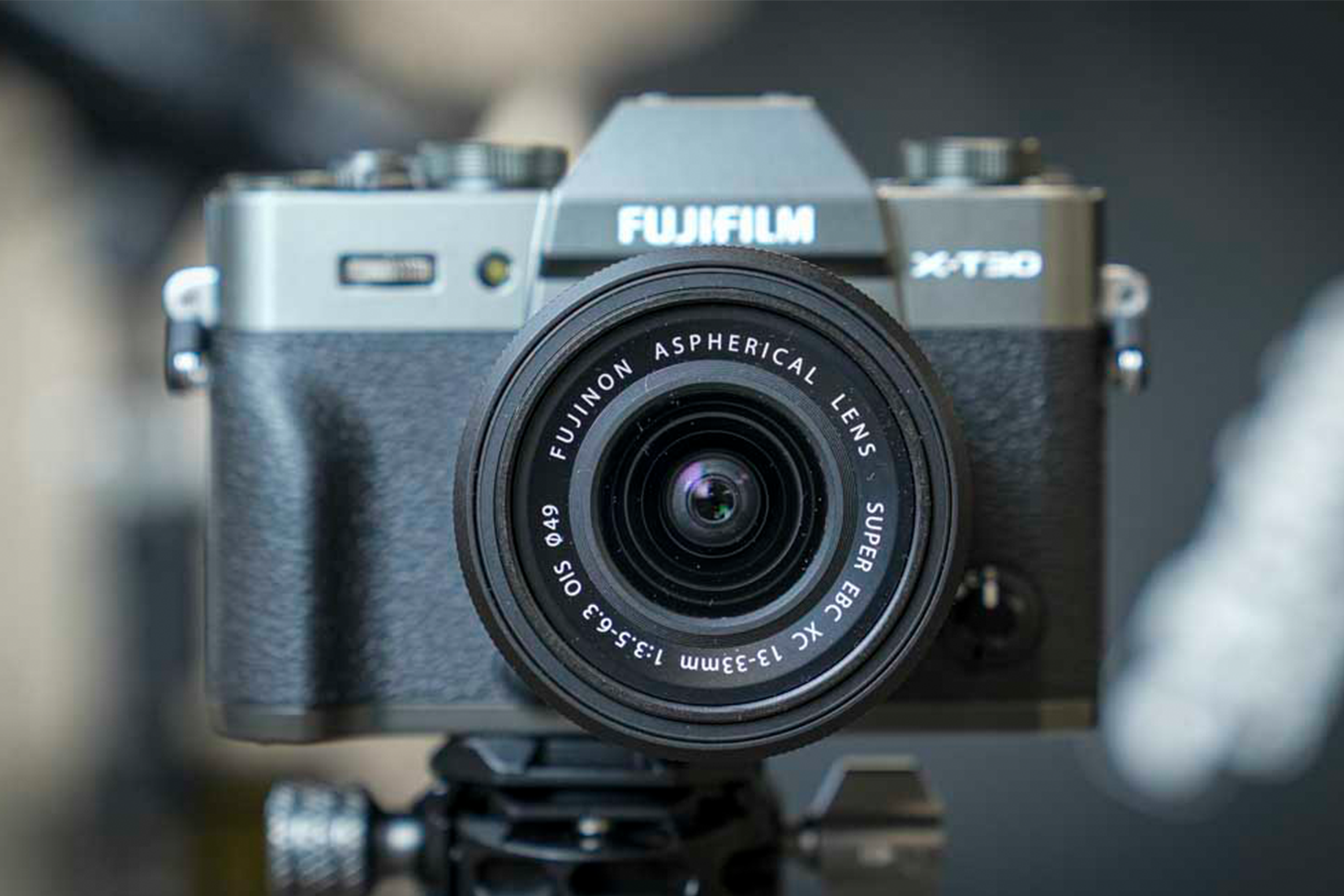
If you like cameras with a bit of retro styling, the XT-30 III is an ideal option. The camera is one of the smallest in the Fujifilm range; however, it’s still fully compatible with Fujifilm's extensive lens and accessories ranges, which is why this camera and its predecessors have become a favourite with photographers who always like to have a camera with them.
The small size makes it an ideal option to pop into your bag every day, and while it is heavier than a smartphone, the features, especially the film simulation modes, give you plenty of creative options. Fujifilm cameras are always a great choice for those with creative intent; they’re just exceptionally well balanced in the hand, and the way that they feel in use is instantly tactile, giving you the feeling you're in control and a far more filmic experience than any other digital camera.
Through the test, this was one of the cameras that I quickly warmed to, purely for the experience of use. On the top-right of the body is the shutter speed and exposure compensation dial; it really couldn’t feel more retro in this respect. Then the aperture is actually on the lens, again a kick back to traditional film lenses. So aside from the fact that there's a digital sensor inside, the experience of taking pictures is the same as pre-digital.

But then, as Fujifilm were a huge name in the traditional film industry, their engineers worked hard to replicate the film effect for each of their film product lines, such as Velvia and Provia among many. The most popular of these film stocks can be selected using the dial on the top left of the camera, with the effect of the setting being shown on the live-view screen.
As with most other cameras on test, the XT-30 III also enables you to shoot video, but here up to 6.2k, which for such a small camera is impressive. It also packs in impressive AF tracking and subject recognition, but all these features are really secondary to the use of the film simulation modes and the retro approach to taking pictures.
While the XT-30 is the entry level into the range, it’s also one of the most portable, so if you’re looking for an everyday camera and you want one that will help you to express your creative vision, then the XT-30 III is a superb choice.
Buy now £999, Johnlewis.com
Panasonic lumix S1II
Best: digital camera for video creators
Sensor: Full-frame partially stacked CMOS
Resolution: 24.1MP
ISO range: 100–51,200 (expandable to 204,800)
Burst rate: Up to 10fps mechanical / up to 70fps electronic
Autofocus: Phase hybrid AF with AI subject detection
Video: 6K 30p / 5.1K 60p open-gate / 4K 120p
Weight: Around 800g with battery and card
Battery: Around 360 shots
Why we love it
- Excellent video capabilities
- Strong stabilisation
- Robust body design
- L-Mount lens compatibility
Take note
- Large body size
- Autofocus weaker than rivals
- Heavy system lenses
- Battery performance average
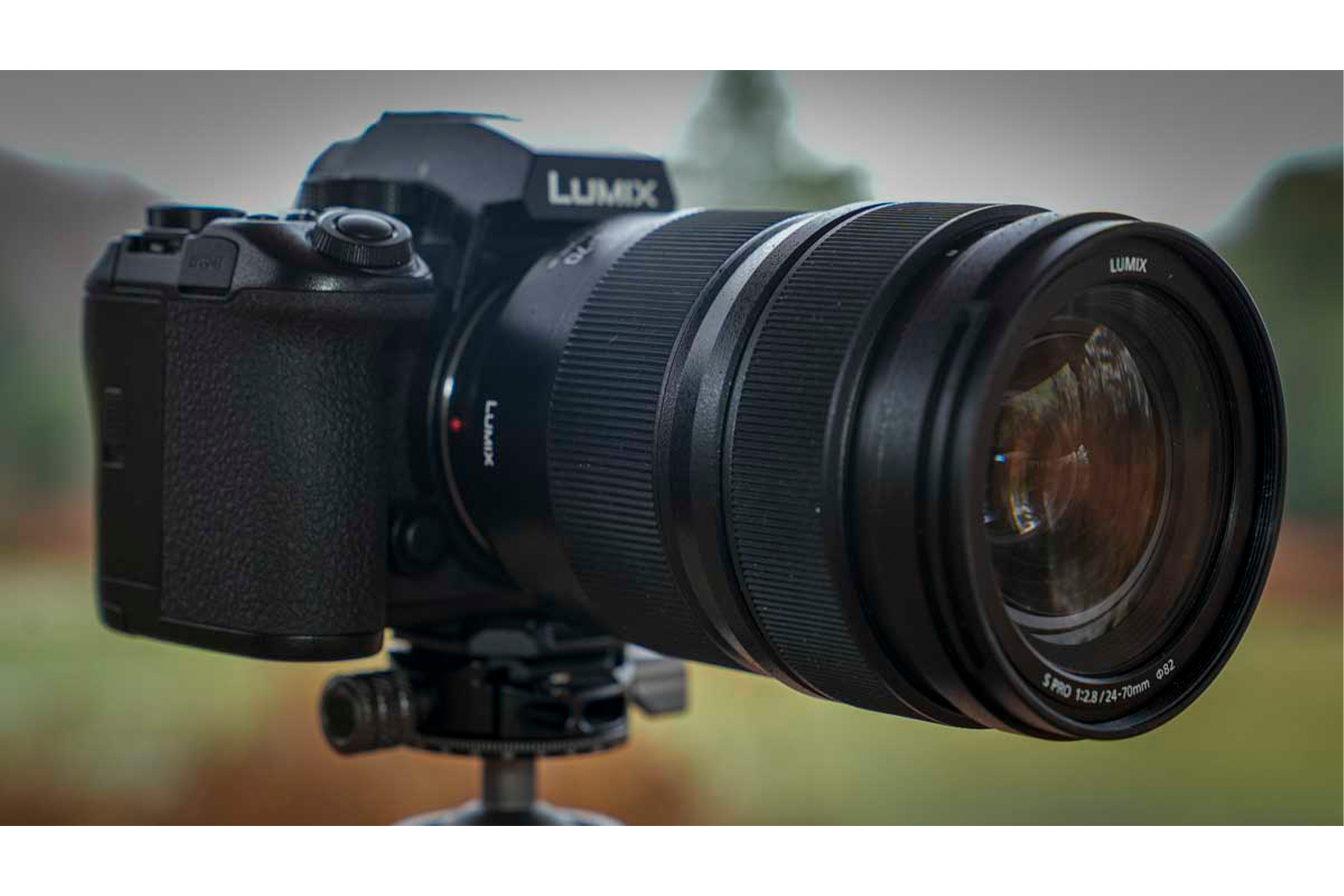
Panasonic has consistently made some great mirrorless cameras, with the early ranges really innovating with the Micro Four Thirds sensor format. Since the launch of their full-frame range, their cameras have been gathering pace in popularity, and their use among hybrid shooters, those who shoot both video and images, has hugely increased.
I feel that, with the design and usability of the S1 II, Panasonic has stripped away many of the enthusiast-friendly features that other manufacturers are keen to integrate. There’s something altogether more work-focused, and as I lifted the solid form of the camera for the first time, there was a feeling of professional-grade kit compared with the rest of the full frame and APS-C cameras on test.
Checking over the body just confirms this, and after setting up the menu and some of the custom buttons, you can start to gauge that, used as a stand-alone camera, this will survive more than most. It just feels durable, and it's ready to be part of larger, more sophisticated rigs.
Setting out on another test walk, the AF instantly proved its worth, and while not as snappy as some of the other models, there’s nothing slow about the response time. The tracking is also worth noting.

That tracking, combined with the 30fps shooting rate, makes this a great option for sports, wildlife, and gig photography. Panasonic supplied me with the 24–70mm f/2.8, which is a stunning lens, although, while other manufacturers are trying to reduce lens and body size, Panasonic’s option here is sizable.
Looking at a few of the low-light images, and again, the full-frame sensor and quality of that lens combine to capture good, clear images. Even when the ISO increases to compensate for cloud cover and trees, the noise remains minimal.
Again, this is a full-frame camera with a 24MP sensor, relatively low compared with others in the test, but the image quality doesn’t seem any less resolving, with plenty of tone and detail. Likewise, switching to video, the quality of this Panasonic camera leads the field.
Video with these hybrid cameras is where Panasonic has made its name, and the small GH5 was a marker of quality for the mirrorless format for many years. Even when it was superseded, it was just that good. Here, the S1 II once again packs more than most with 4K at 120fps and a host of professional codecs and V-Log. This essentially gives you broadcast-quality video in a smaller camera body.
The lens ecosystem is based on L-Mount, the same mount used by many Leica and Sigma cameras, meaning that those lenses are interchangeable. Panasonic also has a close relationship with Leica, so you’ll often see Leica-branded Panasonic lenses. Needless to say, any lens you want for this camera is likely to be available, although the Leica options will be expensive.
Buy now £1899, Panasonic.co.uk
Leica EV-1
Best: premium design digital camera
Sensor: Full-frame BSI CMOS
Resolution: 60MP (with Leica Triple Resolution options 60 / 36 / 18MP)
ISO range: 64–50,000
Burst rate: 4.5fps continuous shooting
Autofocus: None (manual focus only, typical Leica M design)
Video: None
Weight: 484g body only
Battery: 244 shots
Why we love it
- Premium Leica build quality
- Minimalist design philosophy
- Leica lens heritage
- Strong collector appeal
Take note
- Very high price
- Limited automation features
- Smaller ecosystem
- Niche appeal
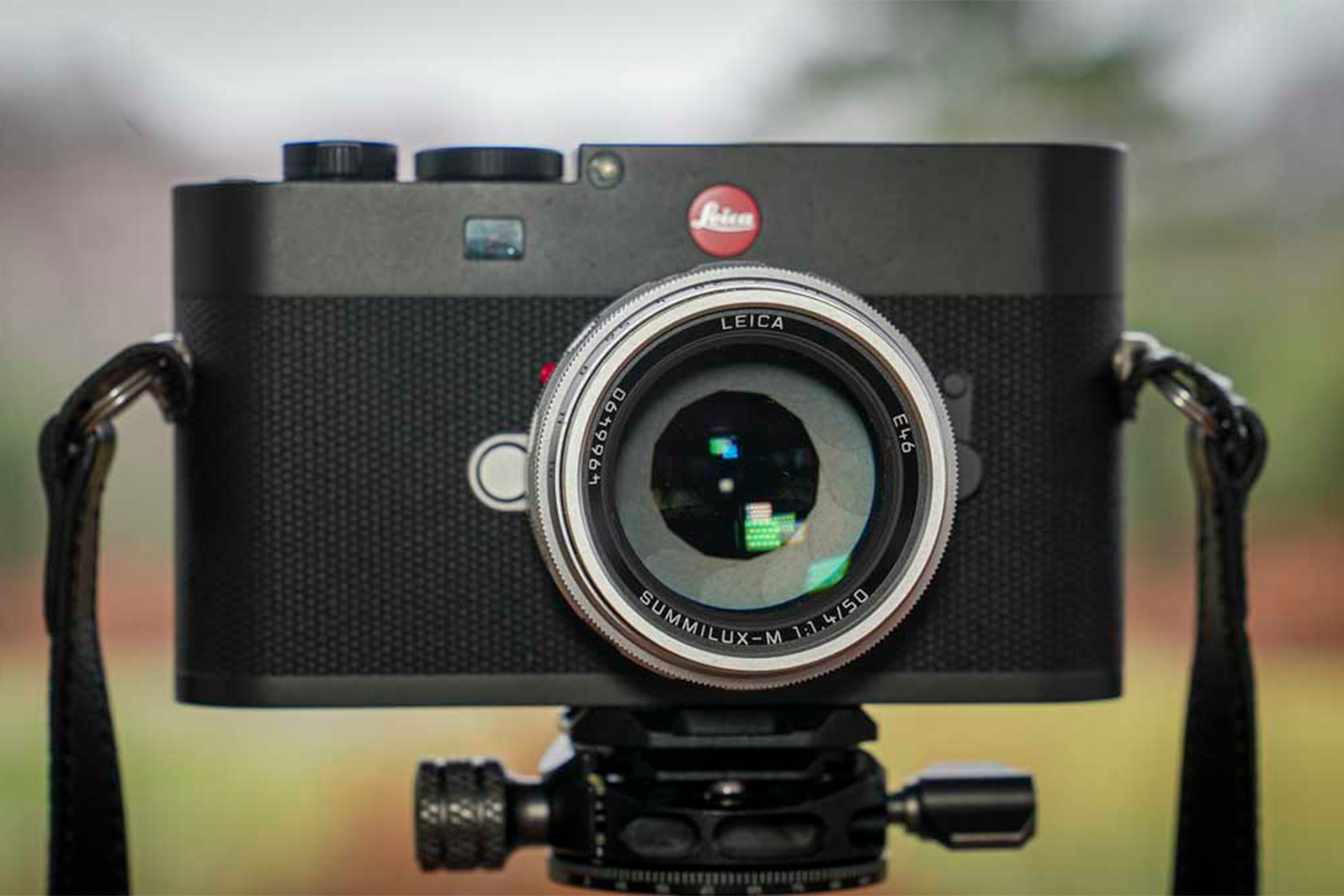
The Leica EV-1 is the first in the series to be a true mirrorless camera rather than a traditional rangefinder. It also sits firmly at the very top end of the premium market, making it a highly desirable camera. The lenses alone will cost roughly the same as the camera body, if not more, so don’t expect to get much change from £12,000 once you factor in a body and a lens.
With the review sample, it quickly became clear that this camera takes a very different approach compared with some of the other models on test. Many of the latest cutting-edge technologies boasted by the other cameras that are designed to help you capture images with pin-sharp accuracy are completely absent here, and for good reason. The Leica focuses purely on image quality, and you have to provide the accuracy, especially with the focus yourself.
The camera does include some automatic options. You can set the ISO to auto and work in aperture-priority, shutter-priority, or full manual control. However, what really sets this camera apart is the reconnection to manual photography. Leica has always encouraged a more deliberate approach to image-making, and that philosophy remains at the core of the EV-1.
For Leica purists, there may also be a shock: there is no traditional viewfinder despite its rangefinder styling. Instead, the only way to preview and review images is via the screen on the back. While that screen is excellent, bright, sharp and responsive, it will likely be a step too far for some long-time Leica fans who value the traditional rangefinder experience.
Despite these moves towards a more modern digital design, the camera's quality is immediately apparent. The user interface is clinically laid out and easy to navigate, with a simple menu structure that lets you find settings quickly and without fuss. The screen also helps streamline the process, making adjustments far more intuitive.

The moment you lift the camera from the box, the weight is the first marker of quality. The EV-1 feels solid and substantial thanks to its metal construction. It also uses the Leica M mount, which means you have access to Leica’s iconic lens range. There’s no autofocus here, everything is manual, and for that manual approach, you’ll pay a premium, with lenses costing more than almost any other optics in this test, perhaps with the exception of the Hasselblad.
In use, you really do need to know what you’re doing. The controls demand a hands-on approach, and while you do have the convenience of auto ISO, shutter priority, and aperture priority, you feel for the full Leica experience, manual exposure is the only way to go; taking pictures is a considered, deliberate process. You need to stop, think and then take the shot. A Leica isn’t a camera for quick snapshots; if you rush it, you’re likely to end up with a blurred or poorly exposed image.
The EV-1 makes that process a little easier thanks to the large rear screen and simplified controls, which deliver a more modern, user-friendly experience while still respecting Leica’s core philosophy.
It’s also worth noting that many of the headline specifications that dominate discussions around other cameras in this test feel somewhat irrelevant here. With the Leica, the only thing that truly matters is image quality, and it's exceptional.
Leica images have a depth and character that feel distinct from those produced by most other cameras. The lenses behave almost like artistic tools, shaping the image's look in ways that encourage a more thoughtful photographic process. As the photographer, you need to work with the camera to get the best results, and while the Leica learning curve can be steep, it can also be incredibly rewarding because every image feels earned.
The Leica EV-1 is an interesting evolution of the traditional Leica concept and, in many ways, the most usable Leica I’ve handled. I’ve often struggled with the rangefinder design, but now that it’s gone, I actually miss it. Still, if you want the Leica experience with a slightly easier, more modern operating approach, the EV-1 is a very appealing option.
Buy now £6840, Leica-camera.com
What are the best digital cameras?
Having looked at a good 20 or more cameras through the duration of the test, I’ve filtered these cameras down to the best 12, and not as competitors, but as the best in their classes. There are three cameras in this test, which are very similar: the Sony A7 V, Canon EOS R6 III, and the Nikon Z5 II, all direct competitors, and separating them is difficult, as they are all exceptional. As an all-rounder, the A7 V stands out; for enthusiasts and pros who are stills-focused, the EOS R6 III just slides ahead; and for those who want to shoot video or wildlife in all conditions and need the most ergonomic and comfortable design, the Z5 II is ideal.
When it comes to the rest of the field at the entry level, the small Canon EOS R50 is just exceptionally well thought out, and its sibling, the EOS R50 V, is also exceptional and one of the best educational cameras available.
At the top end, you have the Hasselblad X2D II 100C. This camera is big but exceptional, and while it might not headline advanced subject-detection features, it’s perfectly tuned for professionals, especially landscape and portrait photographers, where its tonal quality and dynamic range just can’t be matched.
These are the best cameras on the market right now across different price points. While all are good, what becomes apparent once you get them into your hands is that each is very different and each has the specialist features that make it a great choice for different types of photography, with the Sony A7 V just having enough across all tests to make it my choice as the best camera available today. That said, as a photographer if I were to take my pick of any, it would be the Hasselblad X2D II 100C.
How I tested digital cameras
For this test, I chose a broad selection of mirrorless cameras, from the entry-level Canon EOS R50 to the Hasselblad X2D II 100C.
Comparing cameras with an £11,500 price gap is tough, but each excels for its price. I’ve tested almost every available model in recent years; these really are the best of what's available. Aside from minor usability issues, today’s mirrorless cameras far surpass DSLRs from a decade ago.
With many varied models in the group, I tested them in different settings. Standard tests covered build, handling, usability, and image quality. I also evaluated each camera’s target user to select the top picks.
All cameras were tested in the studio and the field. Every model delivers excellent sharpness, tone, and performance in many lighting conditions. What sets them apart is how easily you can access settings and find options. Enjoying the camera is also important, especially with the Fujifilm EX-5 and Leica EV-1. Of course, Leica and Hasselblad cost around £12,000 a piece, although they’re not competitors; one is a premium option, the other a workhorse for professionals, and each has its merit. At the other end of the spectrum, you have the Canon EOS R50, far cheaper but still an exceptional camera with great potential.
Why you can trust IndyBest reviews
At IndyBest, every product we review is tested extensively in real-world conditions. We only recommend products we rate highly or believe are the best in their respective class, based on a range of factors, including affordability, quality and durability. This keeps our reviews accurate, honest and unbiased.
Our tester for this review, Alastair Jennings, is a technology journalist and professional photographer with more than 30 years’ experience. He has carried out thorough, hands-on testing with countless pieces of kit, from cameras to printers. After hours of use, the digital cameras featured in this review are the models that passed his tests.
These are the best action cameras 2026, from budget to hi-spec options