
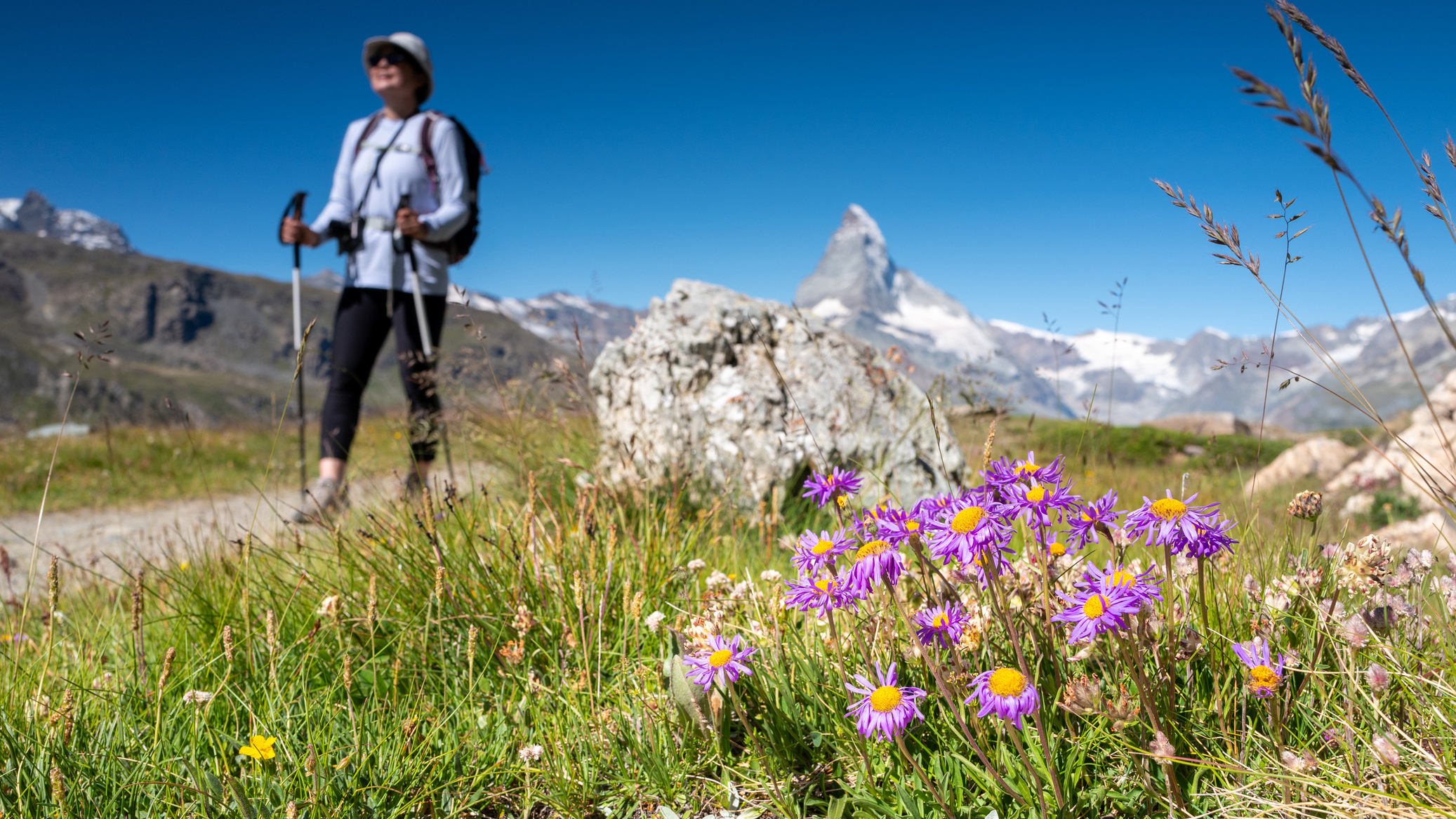
It's not just nature and its abundant colors that come to life as winter turns to spring – hikers do, too. In springtime, people start planning new adventures, whether it's hitting the local trails or longer-distance summit bagging missions.
It might be that you are looking for ideas for where to hike in spring and summer, or maybe you have forgotten what a list of essential kit and equipment should include.
We bring you 11 tips for hiking in spring to ensure you have the best of times.
Seek south facing slopes: South-facing slopes get more sun, so trails are less likely to be snow-covered.
Love lower elevations: It's usually warmer and less windy at lower elevation, compared to higher up in the hills.
Chase waterfalls: Spring is a time for snowmelt and lots of river water, which means cascades will be at their best.
Beware river crossings: High water levels in rivers require careful planning for hikers.
Wear waterproofs: Spring weather is changeable, so waterproof jackets and pants are a must.
Wear layers: Hikers can adapt to the spring conditions by wearing, or carrying, plenty of clothing layers.
Plan for mud: Wet weather and melting snow often makes the ground muddy so hikers should be prepared with the right footwear.
Prepare for snow and ice: Even if you plan your route carefully, you might still encounter snow and ice, which means a set of ice grips will be useful.
Watch for wildlife: Spring-time is one of the best seasons for spotting wildlife.
Find inspiration for trails: There are a variety of different ways to find out about great spring hiking trails.
Make a date with friends: Catch up with friends or plan a date for extra spring season hiking motivation.
Meet the expert
Today's best deals
Seek south-facing slopes
- In the northern hemisphere, south-facing slopes get more sun
- Snow will linger in spring on north-facing slopes
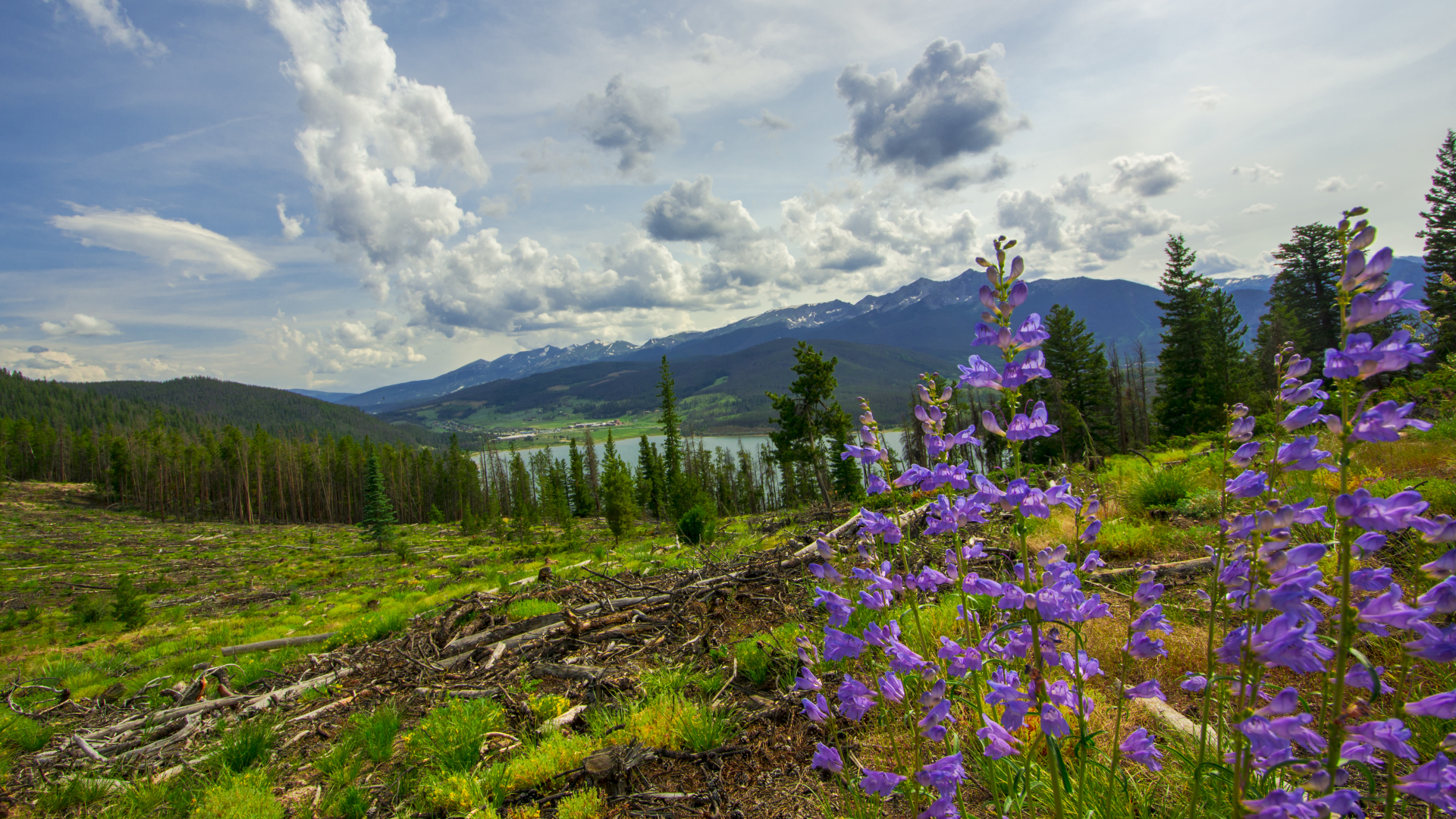
In the northern hemisphere, south-facing slopes get more sunshine so they will be warmer and drier than north-facing slopes. If you’re hiking in an east-west valley, you’ll easily see the difference because the north-facing slopes might still be in good shape for skiing for another month or two.
When planning the safest and warmest place to hike in springtime, it's best to head to the sunny side.
Love lower elevations
- Lower elevations are warmer and less likely have snow
- Stay low for shelter from the wind
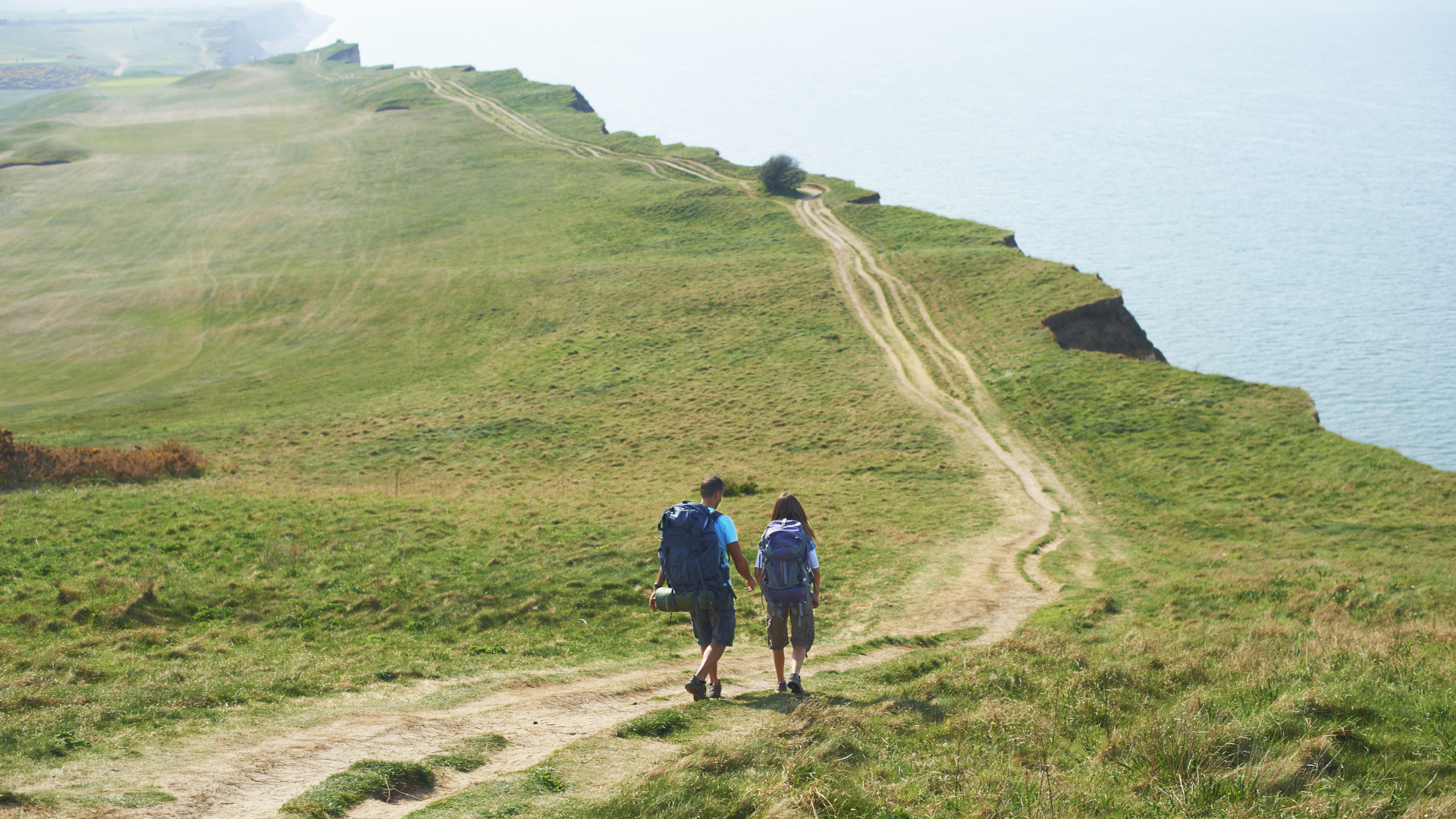
In many areas, higher elevations will still be snow covered and either impassable or dangerous in spring. This usually means it's a good idea to leave the high peaks until summer and instead enjoy some mellower trails through valleys, forests or along coastal paths.
If you haven’t been hiking since the fall, this will allow you to hike and build up fitness and stamina in places with more favorable weather and conditions.
Chase waterfalls
- Snowmelt and runoff makes spring the best time of year to view waterfalls
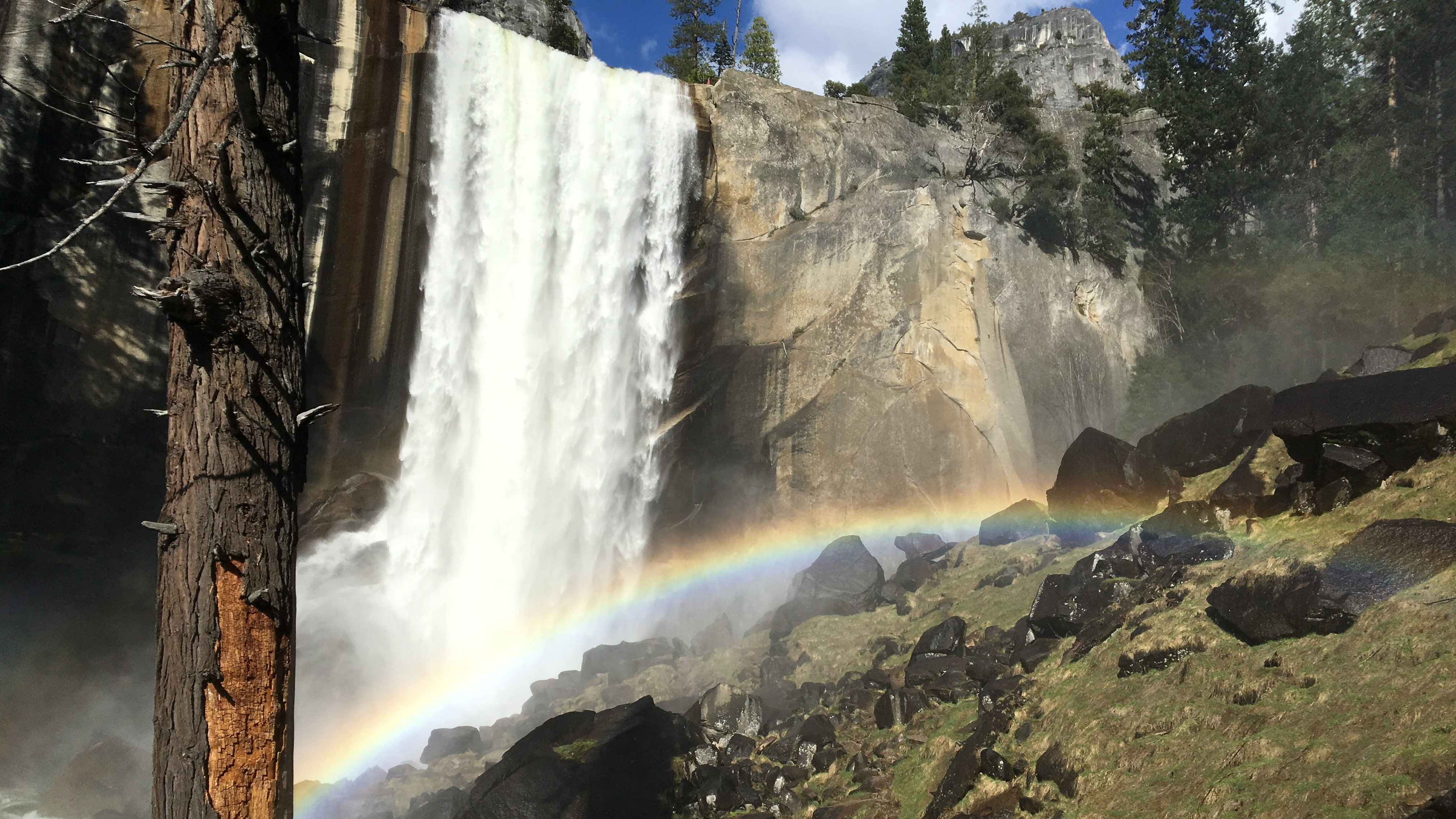
Snowmelt and run-off makes spring the best time of year to view waterfalls, so look for trails with cascades along the way. Make sure you know about hiking safely near waterfalls.
If you want to see some of the best falls , check out our guides to the best hikes in Yosemite National Park, which is home to some of the most stunning waterfalls in the US, and our guide to Washington waterfall hikes for some Pacific Northwest enchantment. In the UK, there are some great waterfall walks in Wales.
Beware river crossings
- A small stream can become a deep, raging torrent when swollen with snowmelt
- Look for routes with bridges and avoid direct river crossings if possible
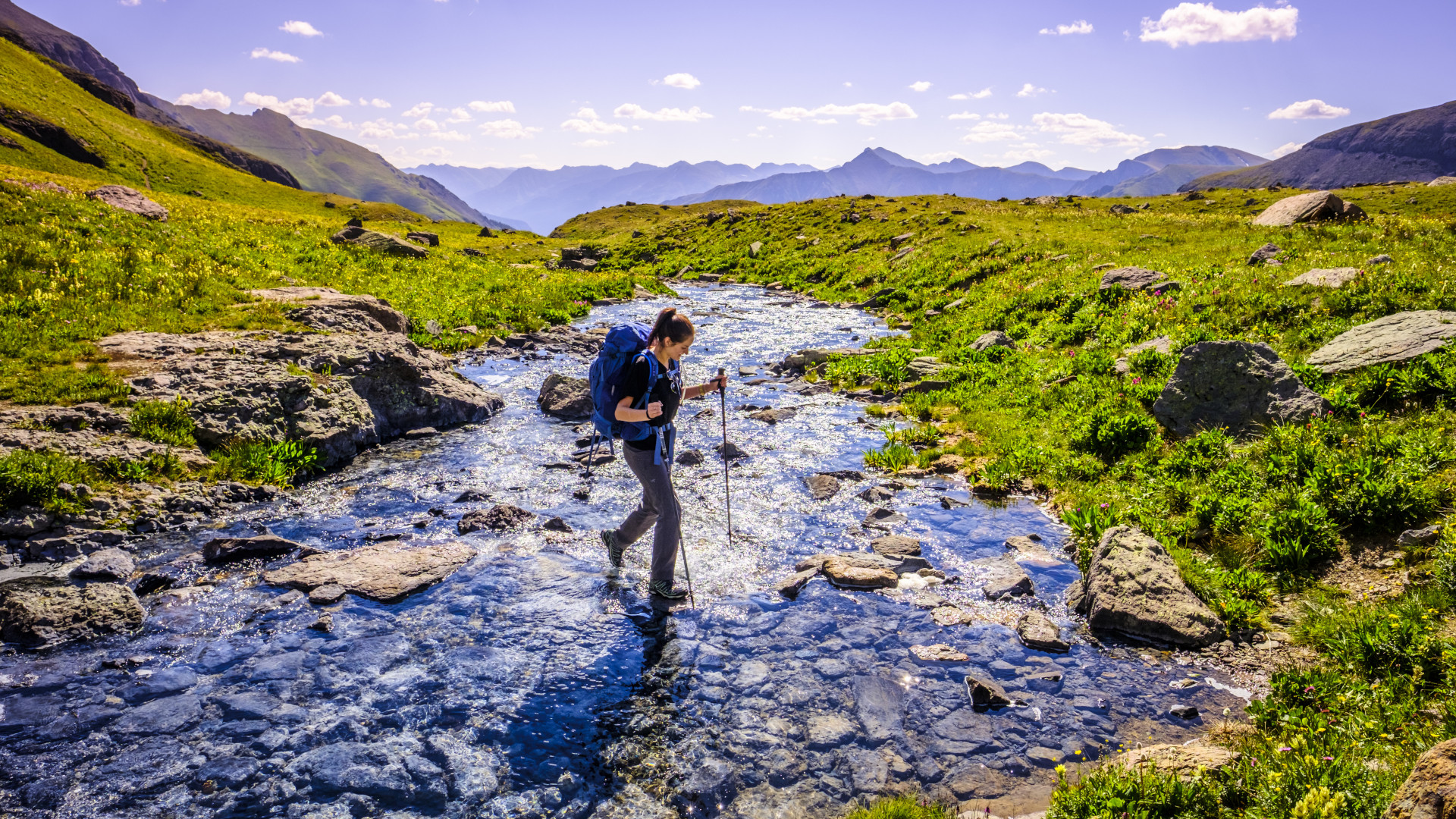
As you read in tip 3, there can be a big build-up of water in rivers in spring. A summer trickle might be a small stream now and still easy to jump across, but a small stream in fall could have become a rushing river by spring so don’t go wading through any fast water, even if you’ve crossed there in other seasons.
It's a good idea to look for trails that have good river crossings like bridges, and be aware that some trails can be washed out at this time of year if they’re adjacent to a river. If you are forced to cross a river, trekking poles can be of real assistance, as they allow you to feel the surface beneath and give others something to grab hold of as they cross.
Wear waterproofs
- Waterproofs are always essential pack items, regardless of the forecast
Spring is the rainiest season because warmer temperatures mean more evaporation of melting snow and ice, so this isn’t the time of year to take your chances and leave the rainproof gear at home.
It's important to pack waterproof trousers and your best waterproof jacket and consider either waterproof hiking boots and/or wearing gaiters to keep your feet from getting soggy. If you think the ground will be saturated – this is often the case in spring-time – find out how the best way to hike across bogs.
Wear layers
- Spring weather is changeable so layers allow you to be versatile with what you wear
- Take spare layers in your backpack
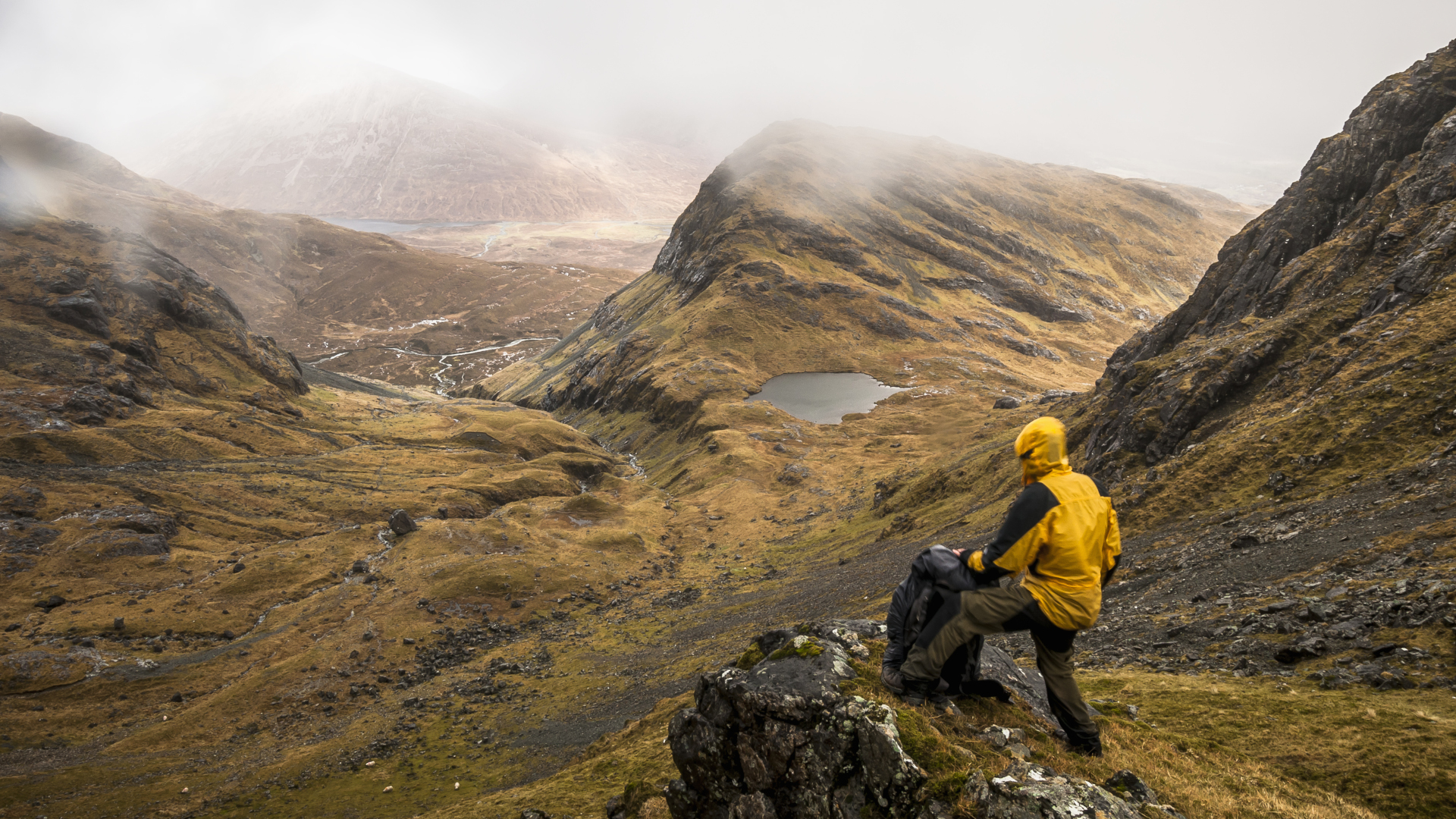
Spring weather can be wide ranging, from warm and sunny to cold, wet and windy. The sun might be out when you set off and you may be tempted to leave your jacket in the car, but don’t. The weather can quickly take a turn, leaving you shivering on the trail. Precipitation can also fall as rain, sleet or hail.
Follow the hiking layering system and wear a base layer and insulating jacket like a fleece jacket or even a light down jacket. You can always put your jacket in your backpack if the weather gods are gazing down upon you,.
And, speaking of your backpack, make sure it contains your best hiking gloves and a hat.
When it comes to mid-layers, remember that multiple thin layers are better than one thick layer. You can always take one off if you get too hot.
Plan for mud
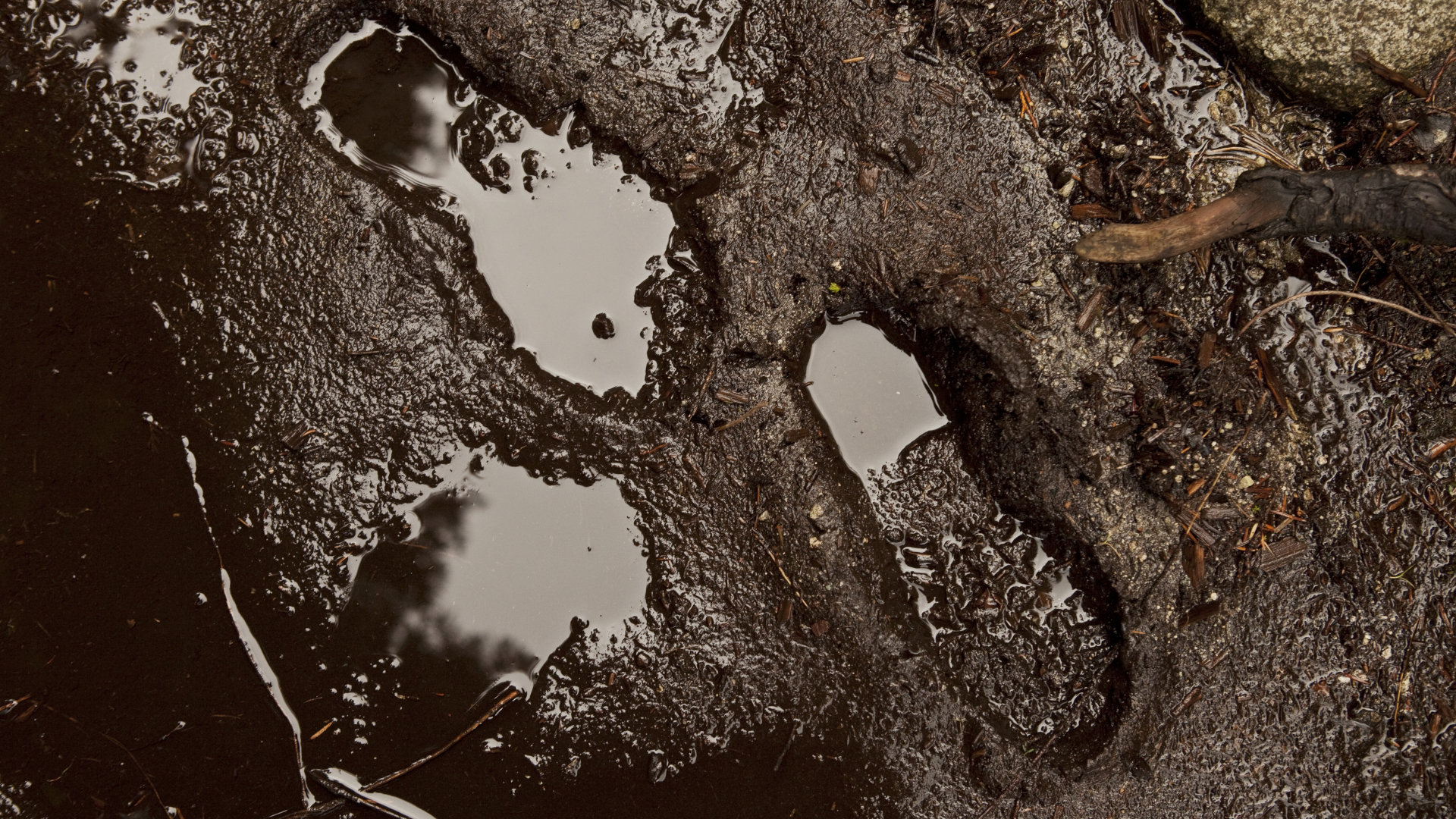
- The trails can be extremely muddy in spring, so come prepared
Spring-time can be wet and that means there is a high chance of mud. Read our tips for hiking in mud so you can stay on your feet and avoid damaging the trails.
Wearing hiking boots or hiking shoes with good grip is the way to go.
Prepare for snow and ice
- Taking a pair of Yaktrax or Microspikes and poles will help on any icy ground
In addition to a mud bath, it’s common to find patches of snow and ice on the trail, especially if you venture to higher trails.
If you’re not prepared for it, the best thing to do is turn back. However, you can always pop a pair of Yaktrax or microspikes in your backpack and use trekking poles so any small crossings of snow and ice will be manageable.
Watch for wildlife
- Many animals emerge during spring
- Watch them from afar with binoculars and remember not to disturb them
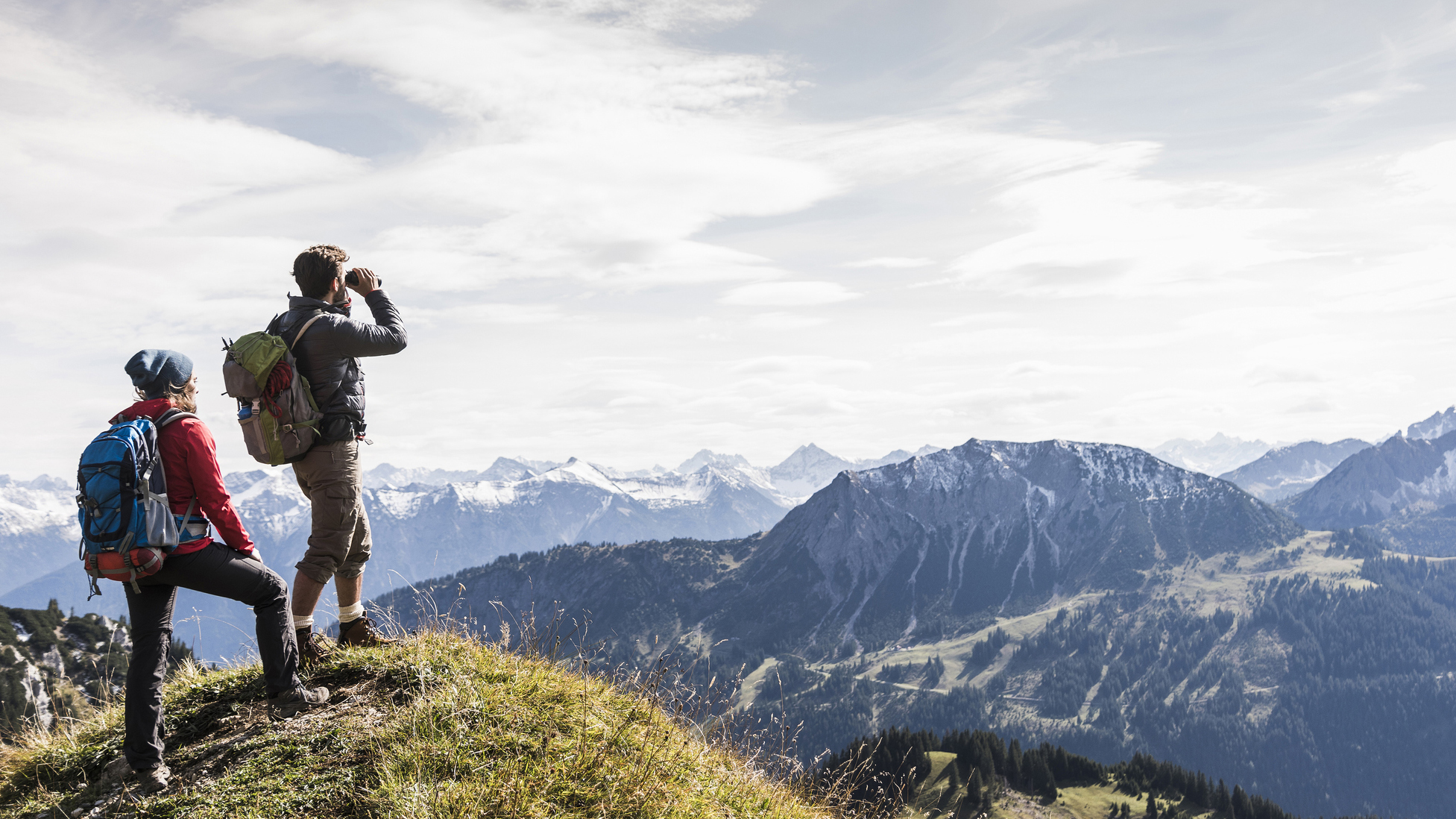
In addition to the wildflowers, lots of wildlife makes an appearance in spring. Bears emerge from hibernation, elks are calving and birds are nesting.
It's important to give wildlife a wide berth and respect any trail closures due to wildlife migration. Read our advice on what to do if you meet a bear on the trail and enjoy the wildlife from afar by using binoculars.
Find inspiration for trails
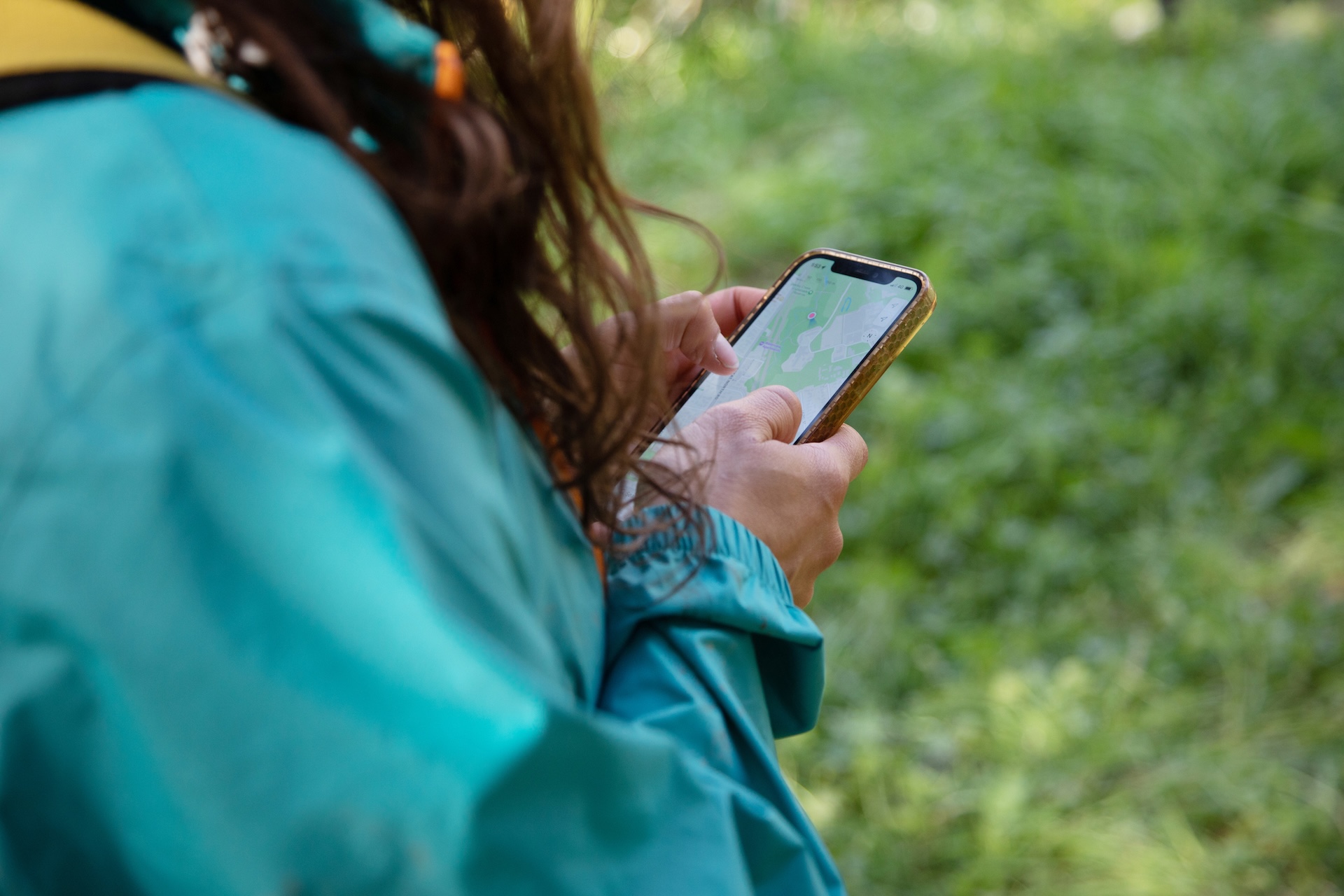
- Check out navigation apps for route ideas
- Target a classic hiking route
So you're ready for a spring hike, but maybe you are wondering where to go. Friends can be a good source of ideas for routes. There are plenty of navigation apps, such as Komoot and AllTrails, that can give you inspiration for hiking routes, whether local or further afield.
Other tips include checking out trails in America's best national parks, or walk a section of a classic hiking trail, such as the acclaimed West Highland Way, if you live in Scotland, or coastal hikes in south-west England.
Make a date with friends
- After a winter indoors, spring brings opportunities for sociable hikes
Making a date with a friend for a hike will provide the motivation to explore the trails in spring. It's a great opportunity to catch up with people you haven't seen over the winter months and a chance to make plans for more adventures throughout the spring – and into summer.