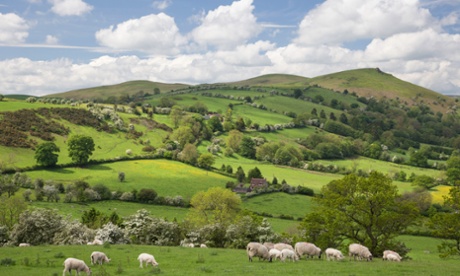
In the south-west corner of the bottom meadow some high, straggling thorns, uncut, and still in flower, shed a pleasant scent and supplied a partial shade. A small flock of Shropshire lambs had come out of the hot sun and lay among the tall herbage, not panting as they would in July, but just content, their breasts heaving slightly. Only that and their presence in the cool shadow betrayed in them any knowledge of life. The spread of nettles and docks above the plantains, almost a wild weed garden, in which they lay, is all in flower, spikes of seed-pods lifting themselves erect, but not so tall as the long grasses there, which bend to the light wind, nor yet so beautiful as the blue lupins in the farm garden, standing high with, as it were, a challenge to the paler heaven. The big lambs scarcely move as you approach, showing nothing more than an inquiring eye, but up on the edge of the darker moor, where is heard the faint cry of the young peewit, the mountain sheep leap away like goats across the hollows. The sun and the south-east wind are stronger here.
A cart comes down the limestone road, raising small clouds of white dust, churned by motor-cars. In the bed of the cart, tied over with loose rope netting, their legs straddling awkwardly, are two late roan calves, small things with amazed eyes. The dairy farmer pulls up at the gate and wipes the dust off his face with his cap lining. “Aye,” he says, “’tis pity enough to see tits like these go, but what can you do with folks clamouring for milk, meal twice too high, and no grass to speak of this year?” Covering his head again, he cast a sorry look over the upper fields, on which the dry heat was falling always pitilessly.