When we read about wars, revolutionary scientific discoveries, and other events that altered the course of mankind, we often think of the big picture: paradigms shifted, societies transformed, etc. And while these, let's call them, measures are important, we have to remember that there were people—real people—who laughed and cried just like we do. Luckily, the Facebook page History Addicts is here to remind us of that. Whether it shares an image of an ancient artifact or a school "bus" from the 1930s, its uploads never lose the human touch.
More info: Facebook
#1
Mongolian girl enjoying life with her camel
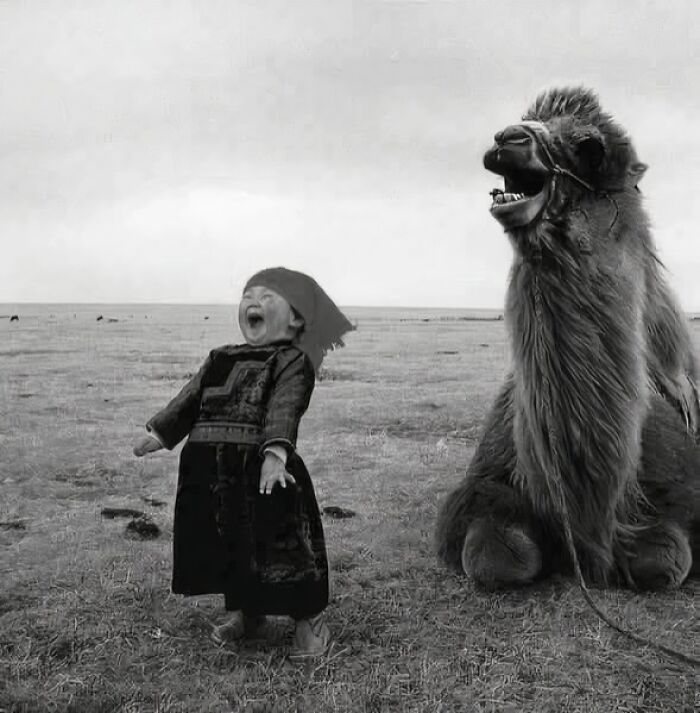
Image credits: Historyadd
#2

Image credits: Historyadd
#3

Image credits: Historyadd
#4
2000 year old mosaic of a dog next to a knocked over jug.
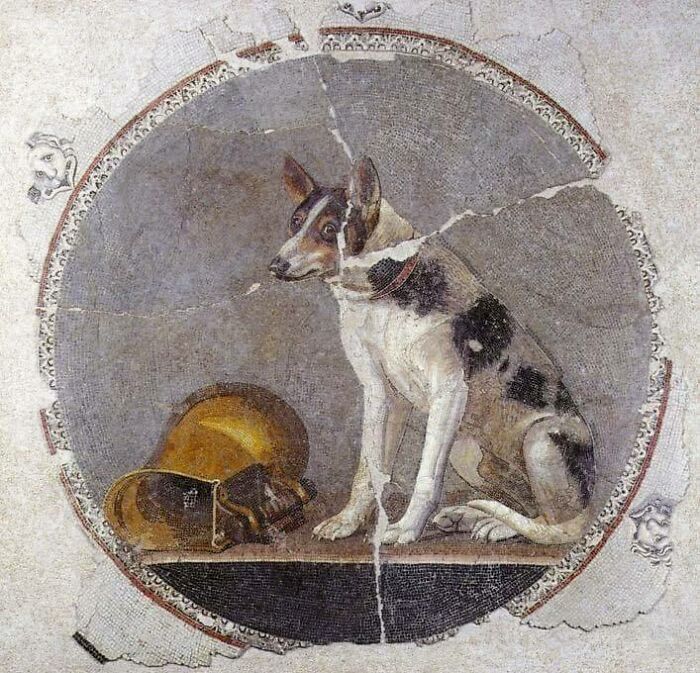
Image credits: Historyadd
#5
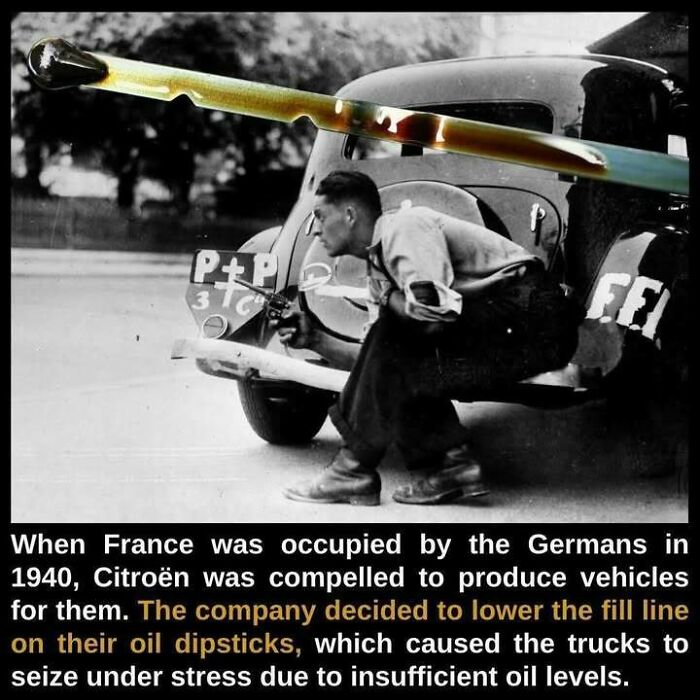
Image credits: Historyadd
#6
Father and son enjoying their portraits being taken. Early 1900s
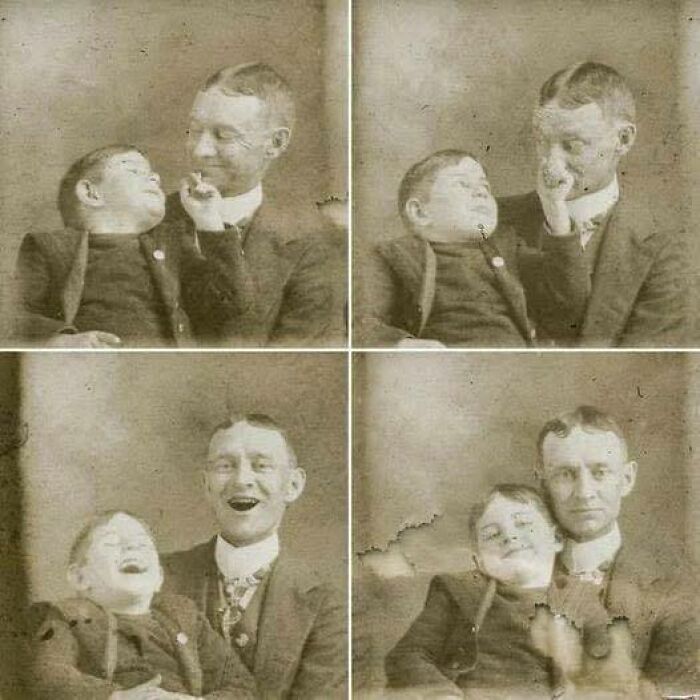
Image credits: Historyadd
#7
1926 Rolls-Royce Phantom
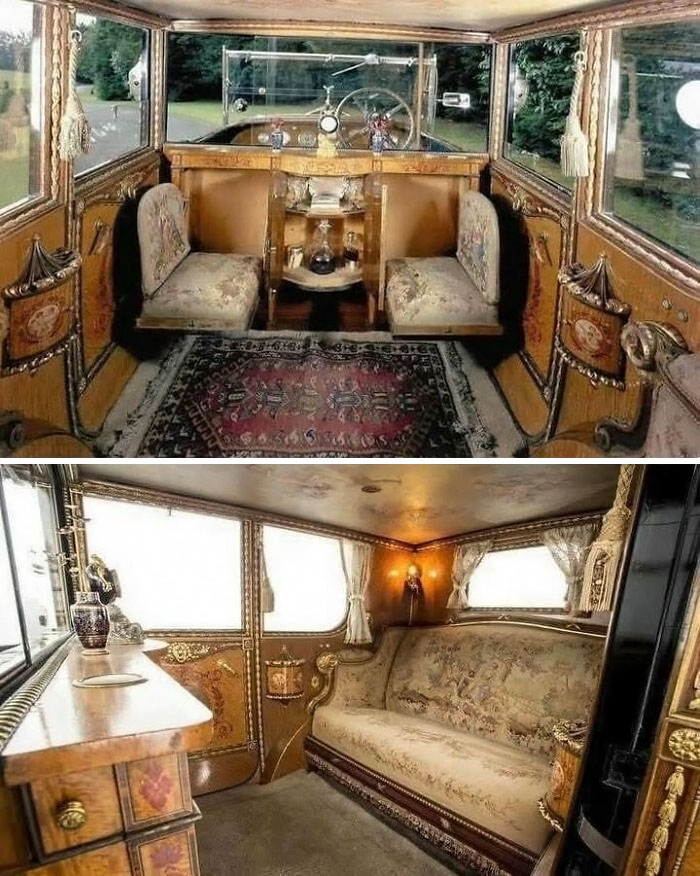
Image credits: Historyadd
#8
Winter school bus, Maine, 1930
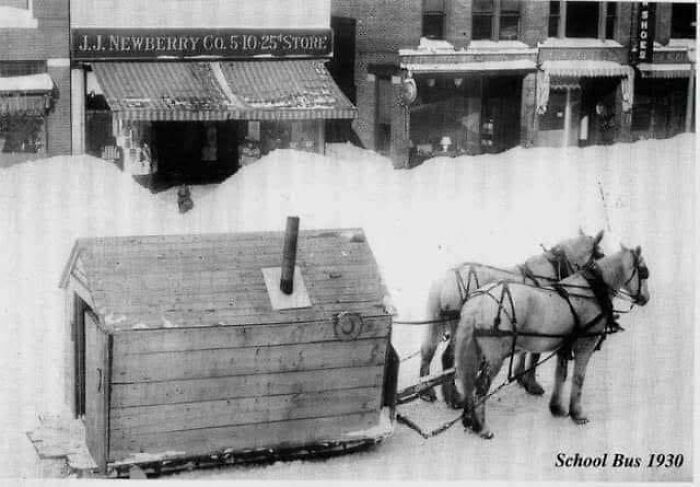
Image credits: Historyadd
#9
Gary Drostle's "Fishpond" mosaic showcases a captivating illustration of shadows. This artwork employs two distinct types of shadows, each serving a unique purpose. The primary shadows play a crucial role in shaping and adding a sense of realism to the fish depicted in the mosaic. In addition to the primary shadows, Drostle incorporates another type of shadow, which can be referred to as "shadow shadows." These shadows serve a different purpose, acting as a connecting element between the fish and the water in the mosaic. By strategically placing these shadows, Drostle creates a seamless transition between the fish and their aquatic environment, enhancing the overall cohesion and harmony of the artwork.
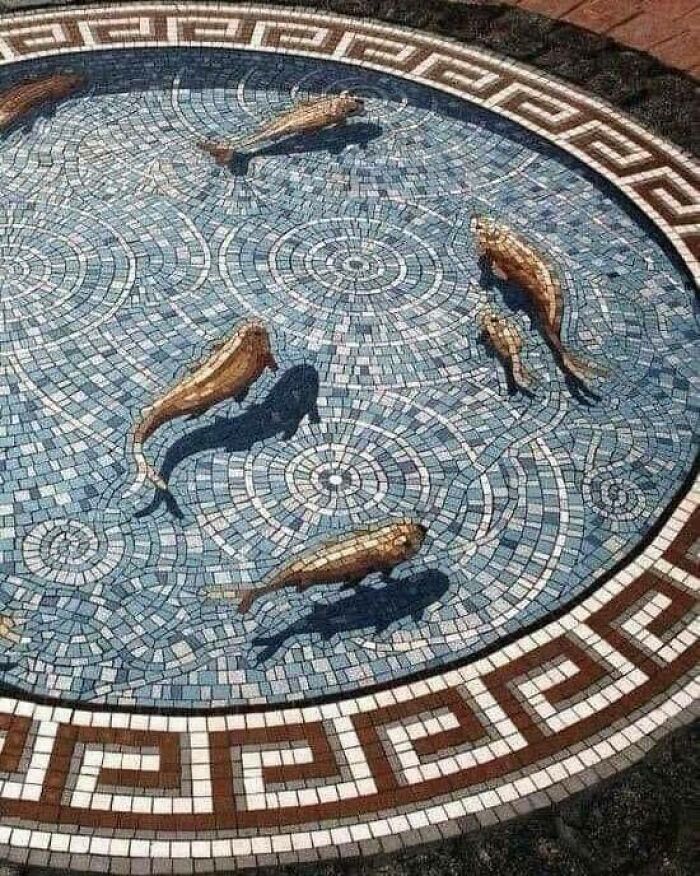
Image credits: Historyadd
#10
An Egyptian man stood next to a 2000 year old Roman painting

Image credits: Historyadd
#11
Chief Iron Tail driving an early automobile. 1915
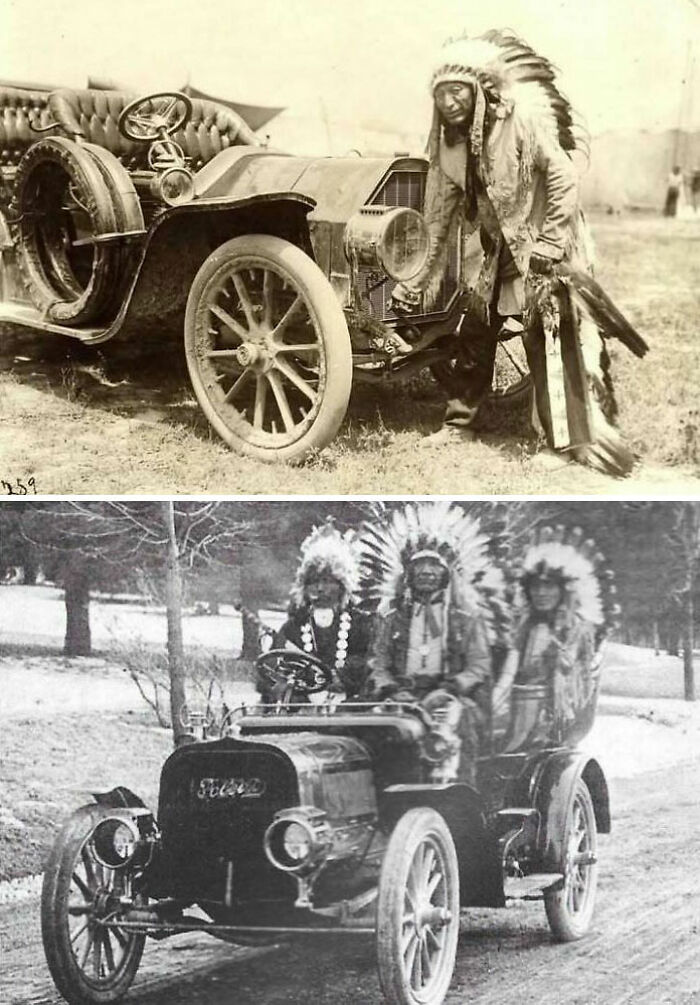
Image credits: Historyadd
#12
The ruins of Whitby Abbey, with drone lighting showing how it would have looked complete. Photography ~ DRIFT/Cyberdrone
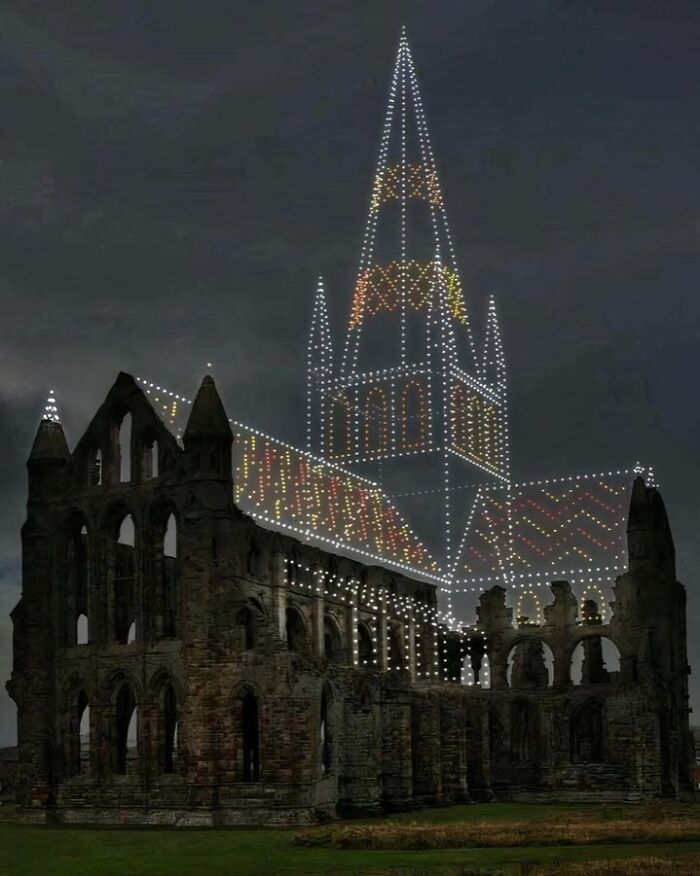
Image credits: Historyadd
#13
Tricycle of 3 year old boy named Shin, who died 1,500 meters from the hypocenter of Hiroshima atomic bombing, 1945
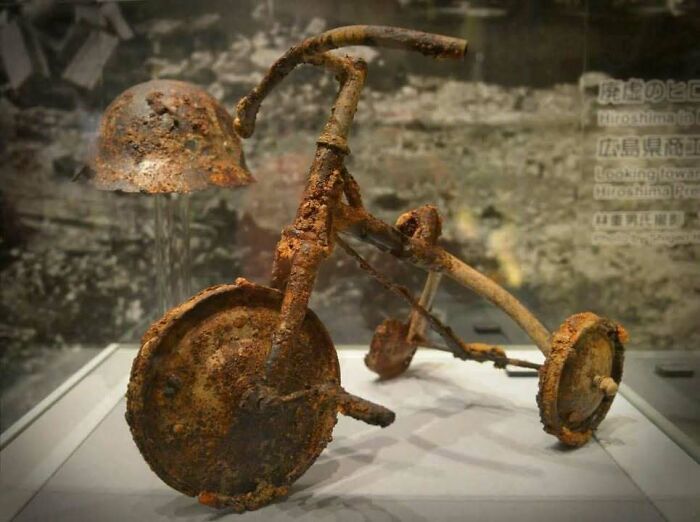
Image credits: Historyadd
#14
A family in West Berlin, showing their children to the grandparents living on the other side of the Berlin Wall, in East Berlin, in 1961

Image credits: Historyadd
#15
A very happy couple having their portraits taken in the 1890s
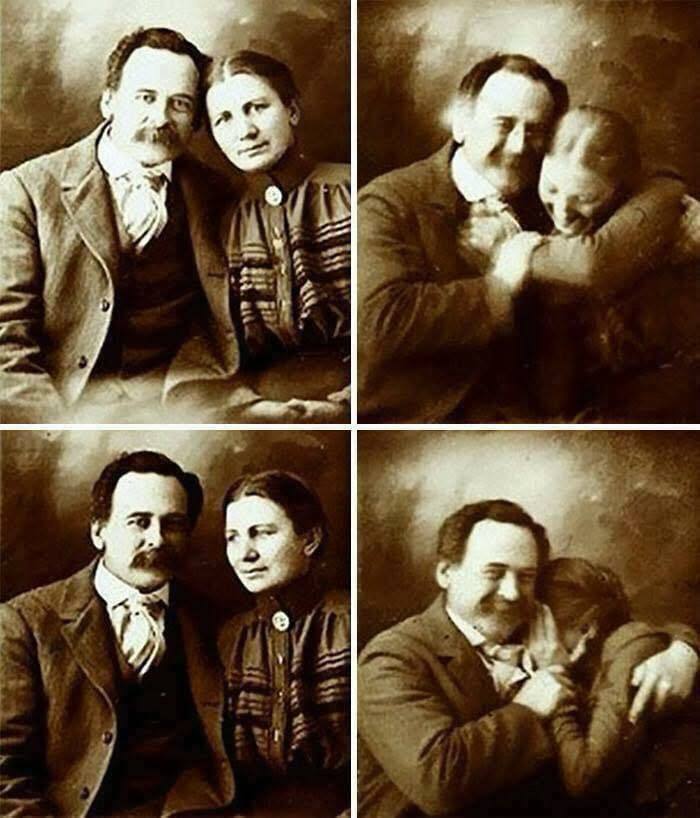
Image credits: Historyadd
#16
The fireplace in Little Moreton Hall, constructed between 1504 and 1610 CE, may appear crooked at first glance, but it is, in fact, perfectly straight. The real culprit is the room itself—warped and uneven due to centuries of shifting and settling. Renowned as one of the wonkiest buildings in England, this iconic Tudor manor charms visitors with its distinctive, gravity-defying architecture and crooked charm.
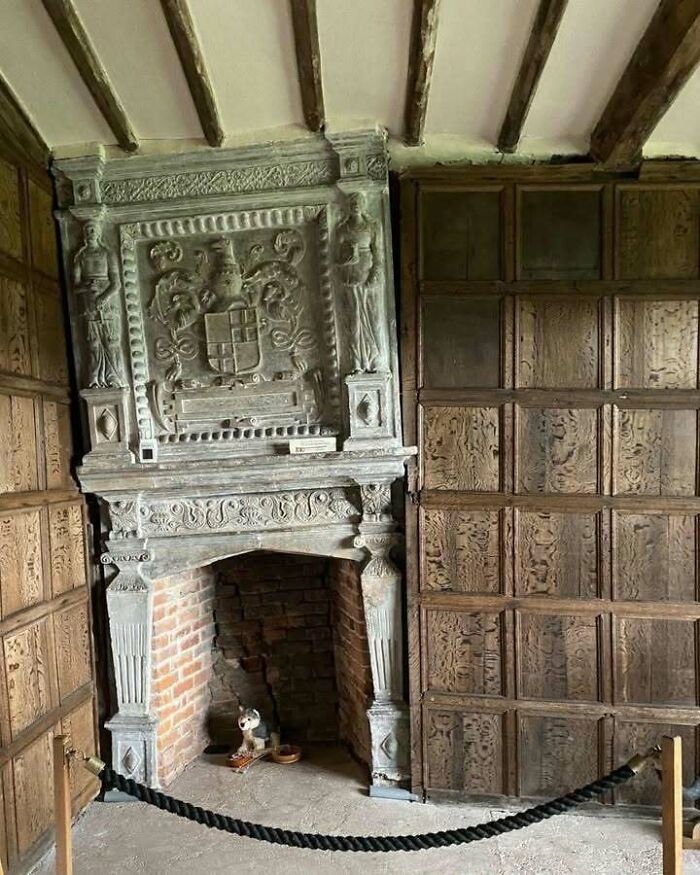
Image credits: Historyadd
#17
An intricately adorned bone comb from the early medieval period, discovered in a warrior's burial site in Fridingen, Germany. The comb, dating back to the early 7th century CE, was stored in a protective case to safeguard its fragile teeth. It is currently on display at the Landesmuseum Württemberg.
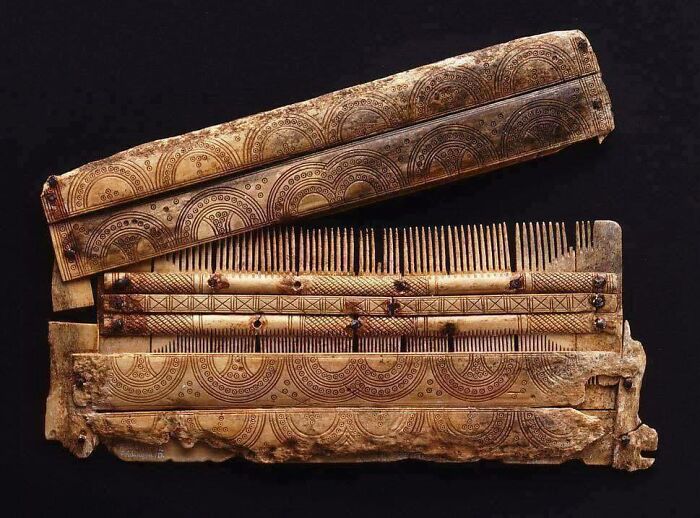
Image credits: Historyadd
#18
Image credits: Historyadd
#19
Shoemaker and his cat. Mid 19th century
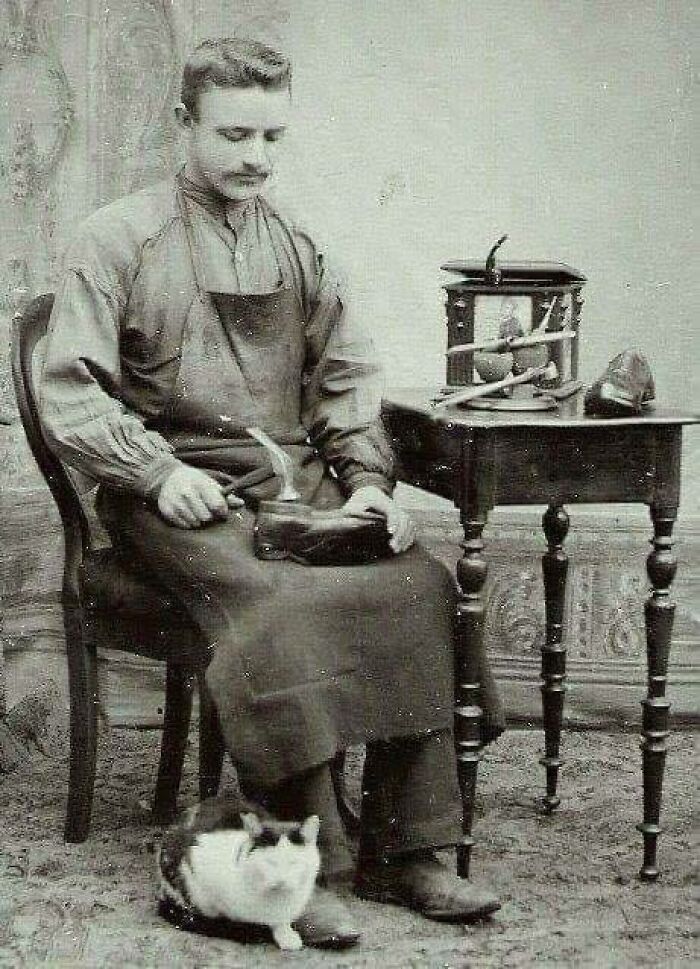
Image credits: Historyadd
#20
A mother working on the family car whilst her husband is away at war. 1944
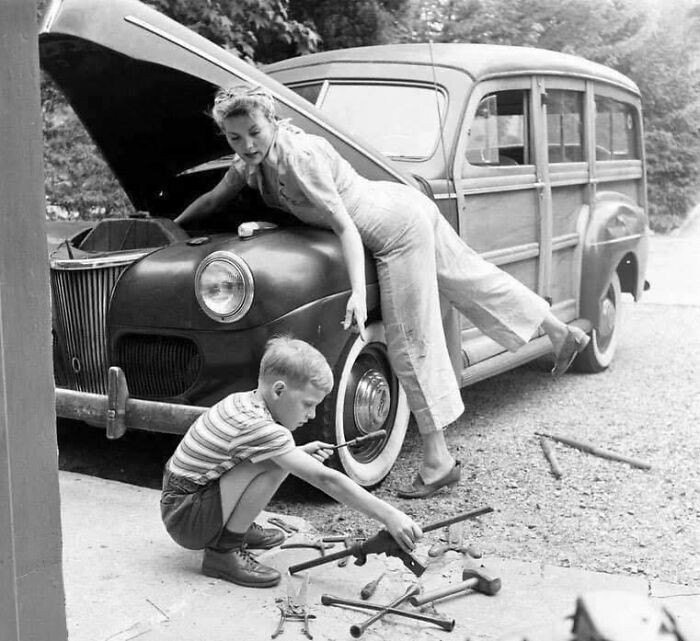
Image credits: Historyadd
#21
Intricately carved Violin of Domenico Galli, 1687
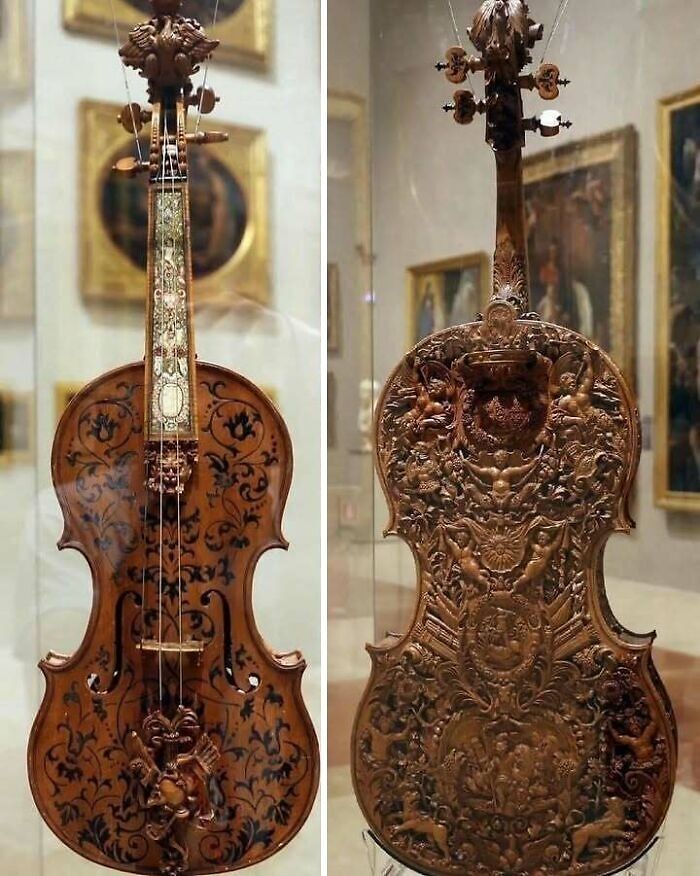
Image credits: Historyadd
#22
A remarkable 387-year-old handwritten shopping list, dated October 1633, was discovered beneath the floorboards of a London home. Penned by Robert Draper, the letter details various household necessities, including greenfish, pewter spoons, and a frying pan. Now preserved in the National Trust collection, the list reads: “Mr. Bilby, I pray provide to be sent tomorrow in the cart some greenfish, The lights from my Lady Cranfield’s chamber, Two dozen of pewter spoons, One great fireshovel for the nursery, And the others, which were sent to be exchanged for some of a better fashion, A new frying pan, Together with a note of the prices of such commodities for the rest.” Your loving friend, Robert Draper, October 1633, Copthall. This rare document offers a fascinating glimpse into 17th-century domestic life and the essentials of a well-stocked household.
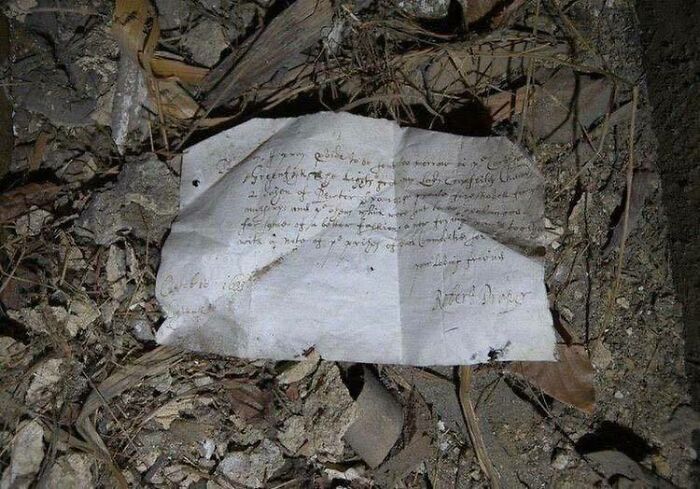
Image credits: Historyadd
#23
X-ray scans of Carreño de Miranda’s 1681 portrait of King Charles II of Spain have uncovered a fascinating hidden layer beneath the surface. The scans reveal that the artist painted over an earlier portrait of the king, depicting him at a much younger age. This discovery provides new insights into the evolving portrayal of the monarch and the artistic decisions made to reflect his changing appearance and status over time.
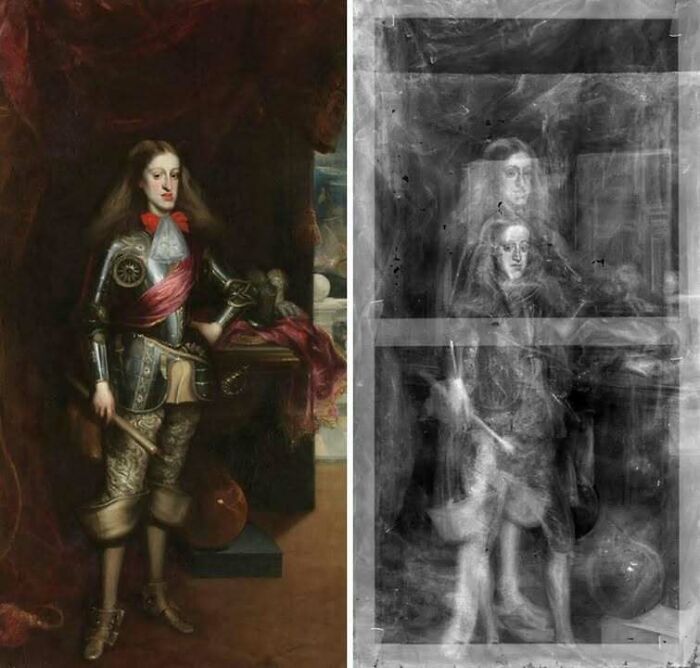
Image credits: Historyadd
#24
A powerful portrait of Private Walter Henry Chibnall, who died at Passchendaele in 1917, alongside his son, Billy, who died as a POW in WWII. Both made the ultimate sacrifice for Australia.
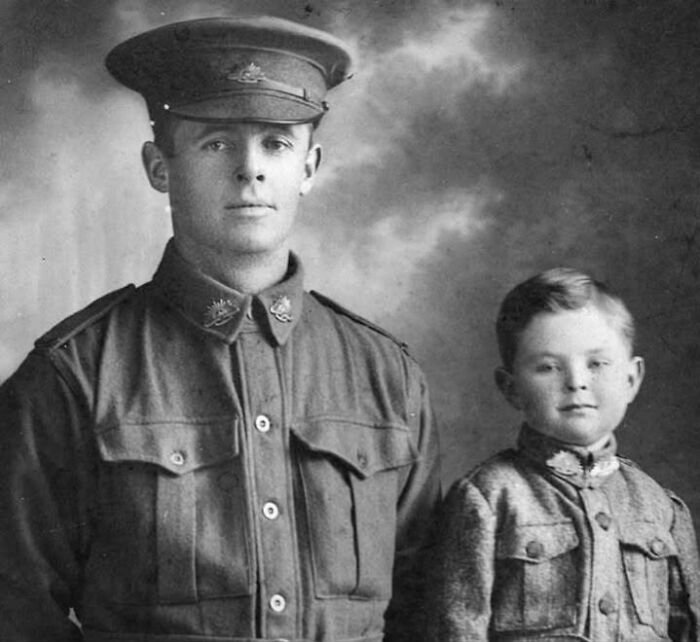
Image credits: Historyadd
#25
30 million year old Amber encasing a praying mantis.
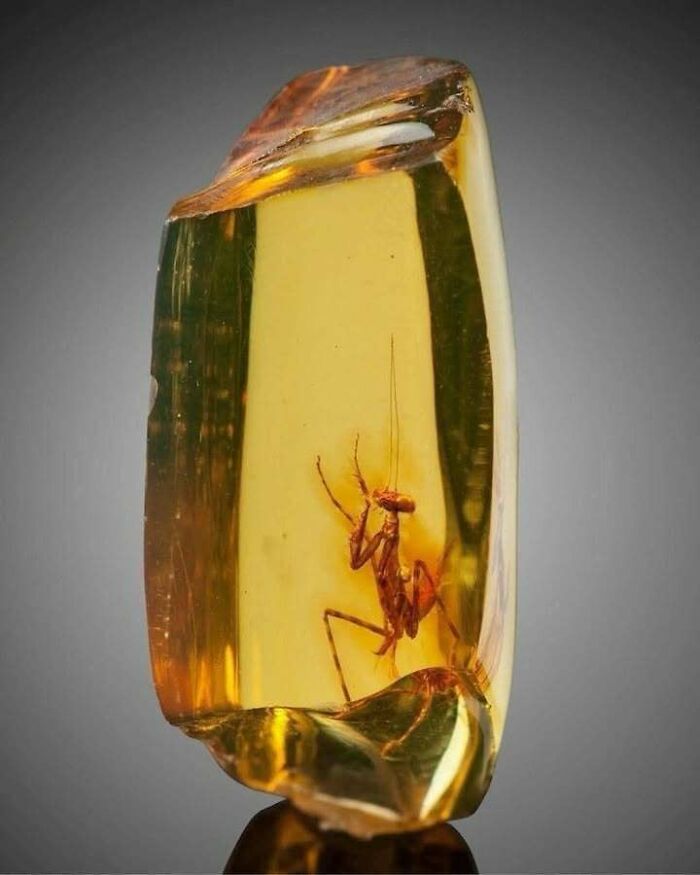
Image credits: Historyadd
#26
Before and after- 2009 above and 2023 below The 179-yard-long Earlsheaton Tunnel, part of the Great Northern Railway’s loop line from Batley to Wakefield via Dewsbury, opened in 1876 and closed to all traffic in 1965. In 2012, it was reopened for the use of a ‘greenway’ for cycling and walking
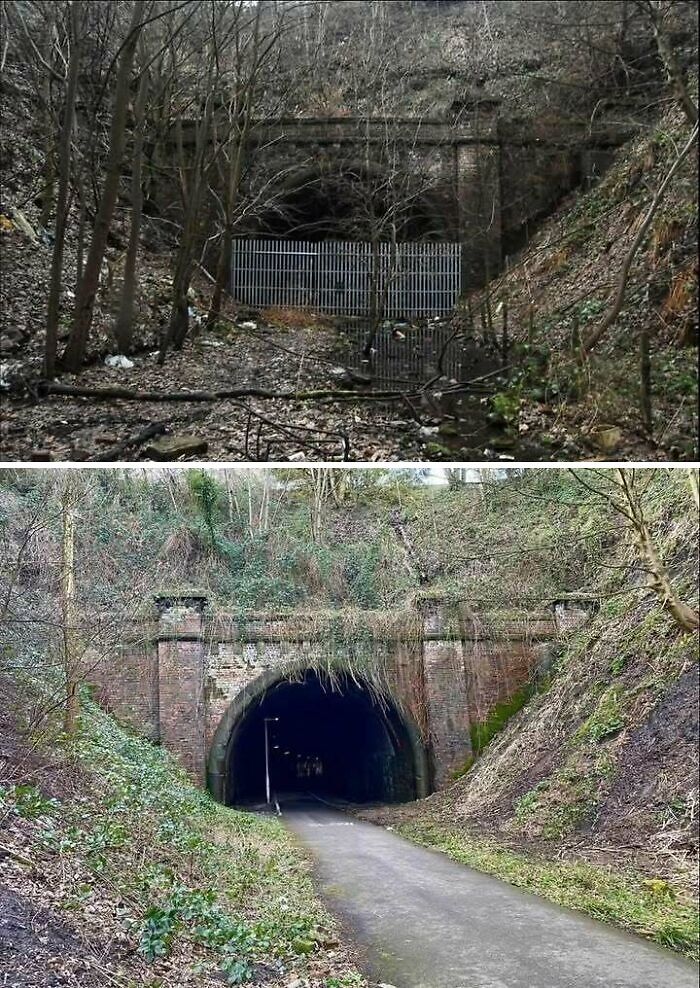
Image credits: Historyadd
#27
Soup kitchen feeding young children in Germany during the Great Depression
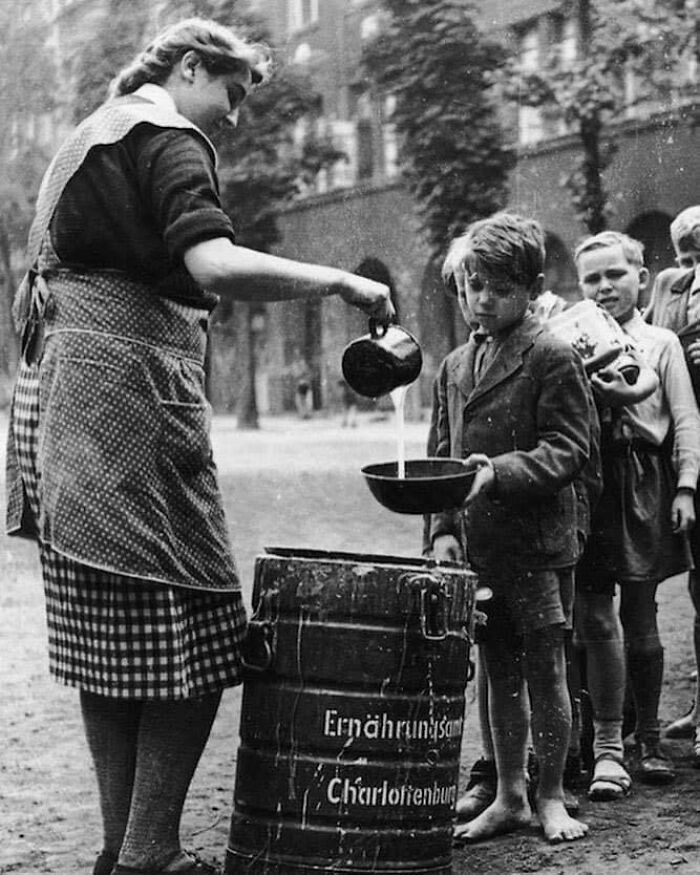
Image credits: Historyadd
#28
2000 year old sapphire ring that belonged to Roman emperor Caligula, depicting his fourth wife Caesonia
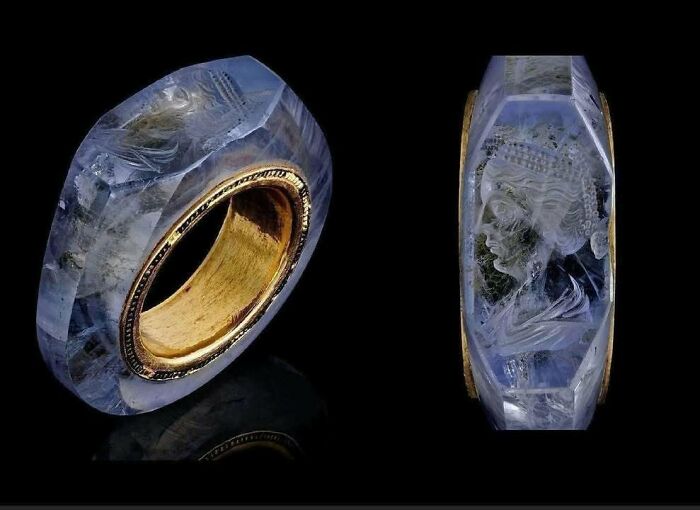
Image credits: Historyadd
#29
An Austrian boy’s delight as he receives a new pair of shoes during WW2.
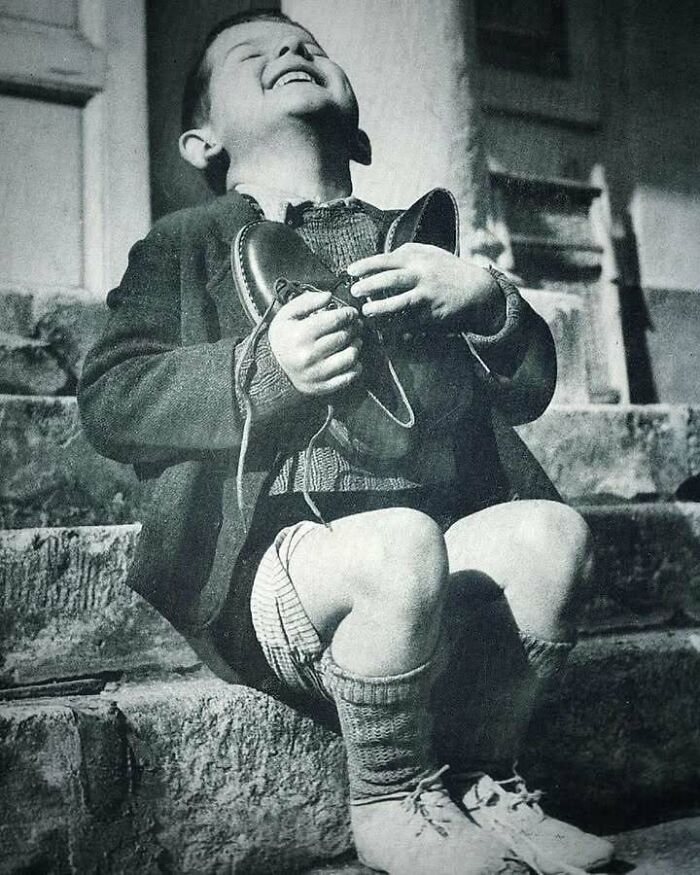
Image credits: Historyadd
#30
A woman with her possessions in the ruins of Cologne, Germany. 1945
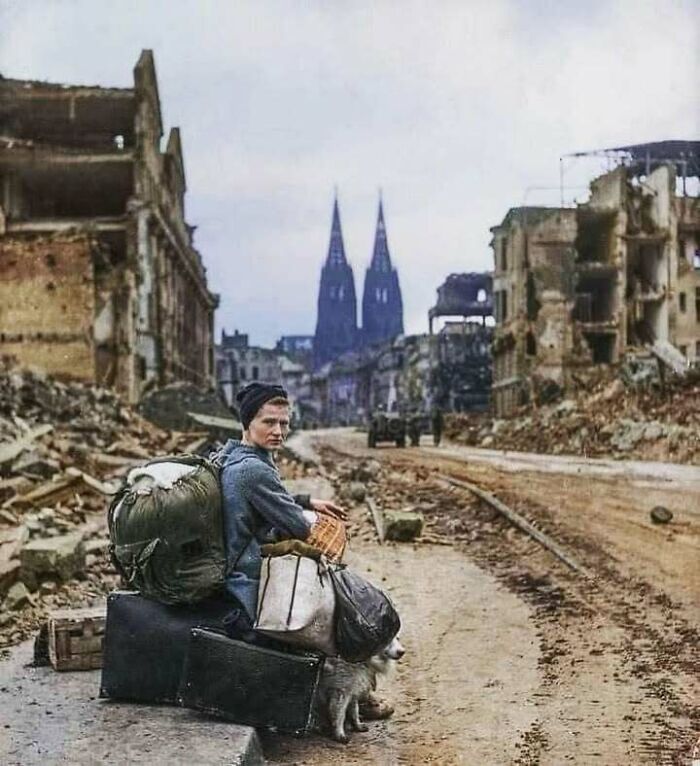
Image credits: Historyadd
#31
Nestled in Aydin Province, Turkey, the Stadium of Aphrodisias stands as a remarkable testament to ancient architectural prowess. Renowned as the most impeccably preserved stadium in the Mediterranean region, it showcases an extraordinary level of preservation. Boasting impressive dimensions, it stretches across a length of 262 meters and spans a width of 59 meters. With a seating capacity of 30,000 spectators, accommodated across 22 rows of seats, this grand structure also ranks among the largest stadiums of its kind in antiquity.
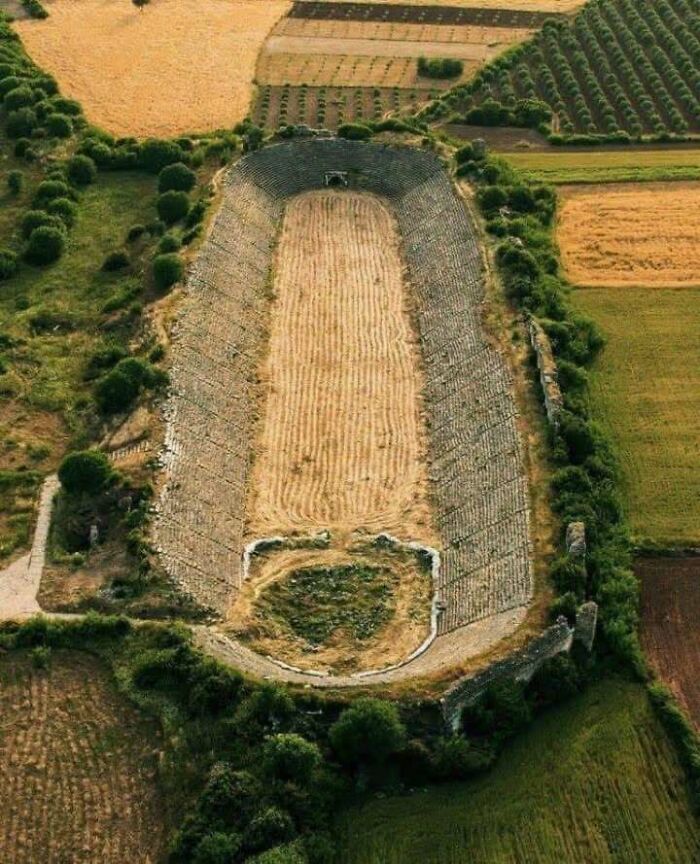
Image credits: Historyadd
#32
37 million year old fossil of a whale skeleton, found in Wadi Al Hitan, Egypt
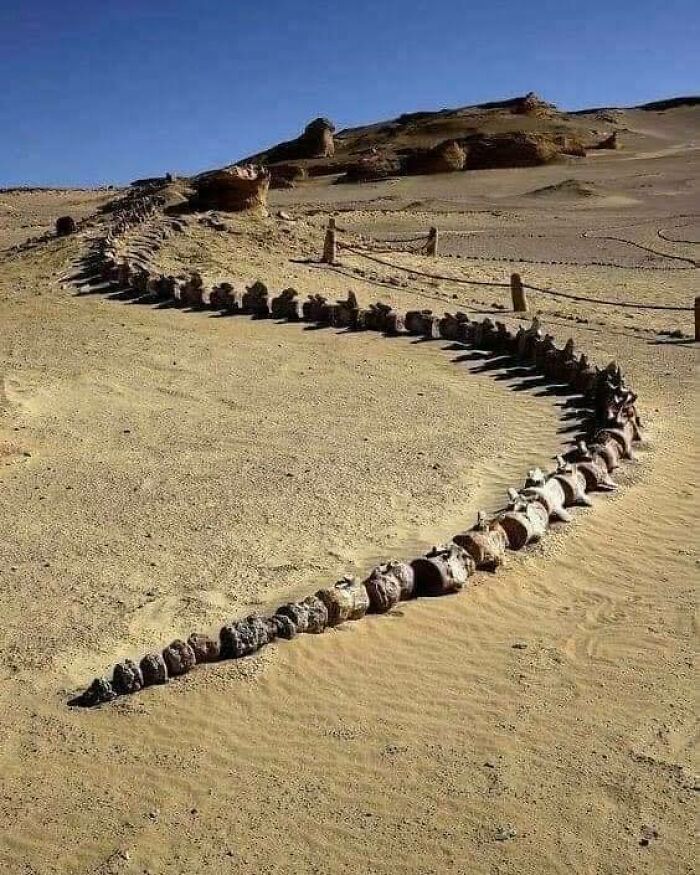
Image credits: Historyadd
#33
The oldest, most complete bible on Earth. The Ethiopian bible, which was written on goat skin, was the world’s first illustrated Christian Bible and was written around the early fifth century.
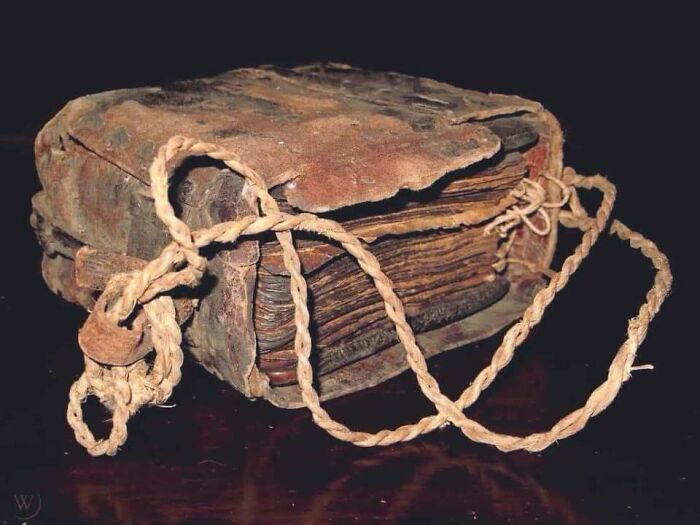
Image credits: Historyadd
#34
Galileo’s Moon Drawings, the First Realistic Depictions of the Moon in History, from 1610
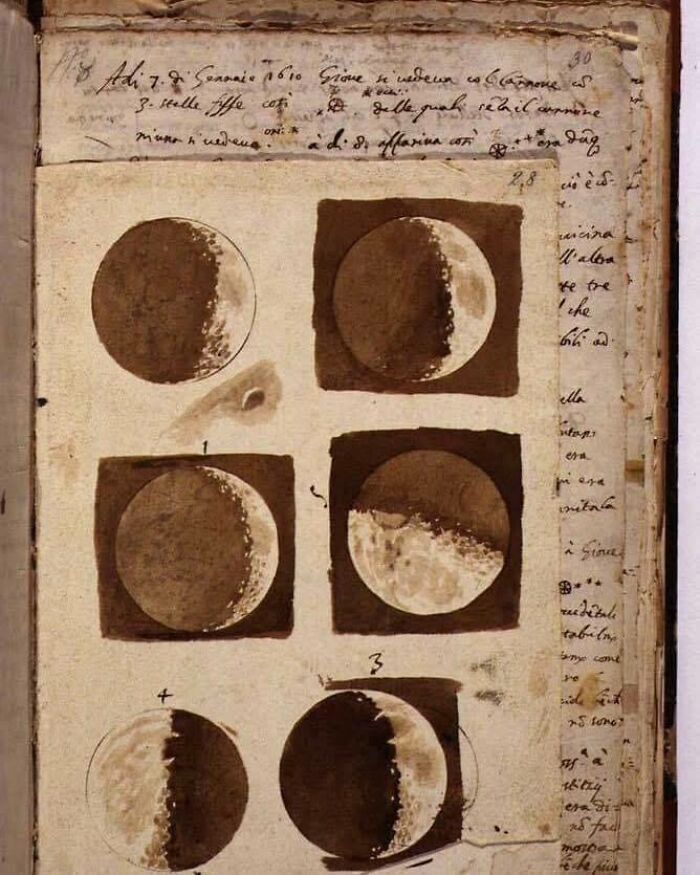
Image credits: Historyadd
#35

Image credits: Historyadd
#36
Trier, Germany. Then and now
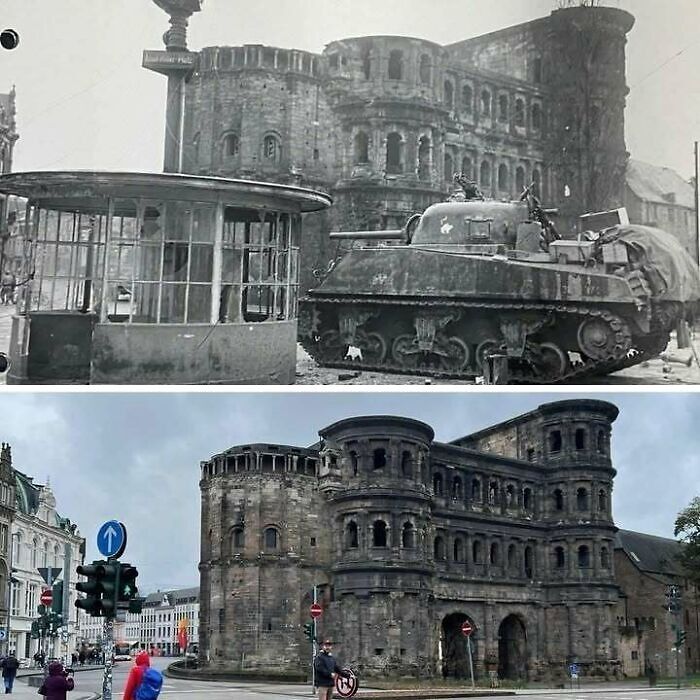
Image credits: Historyadd
#37
Four apache scouts, 1888
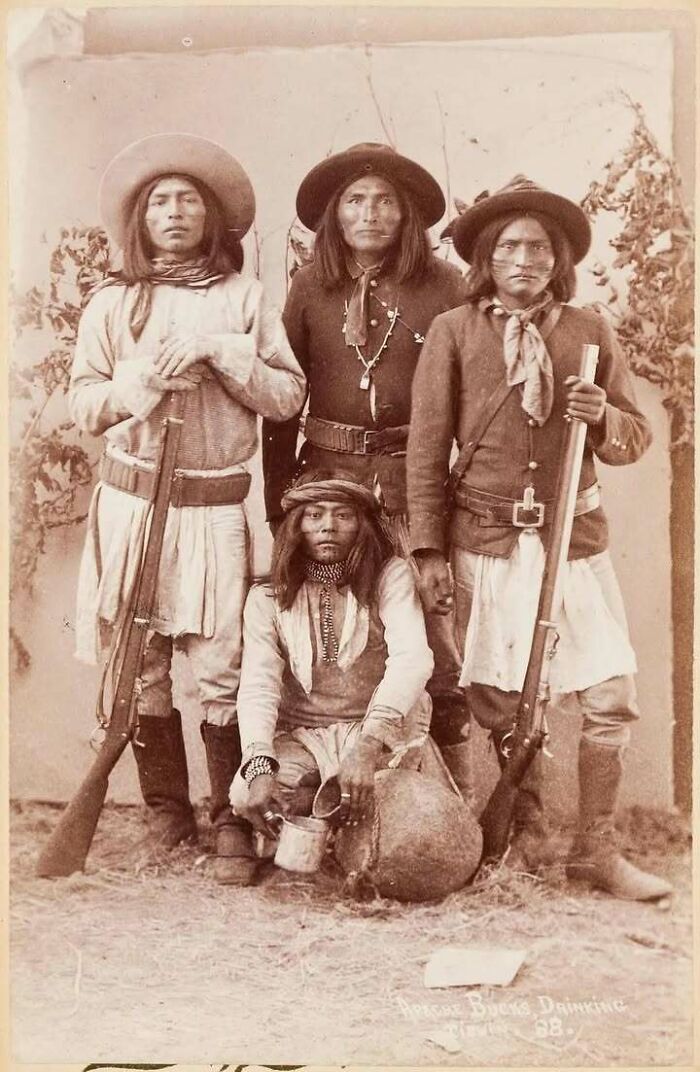
Image credits: Historyadd
#38
A preserved Neanderthal footprint, atleast 40,000 years old. Grotte di Toirano, Liguria, Italy.
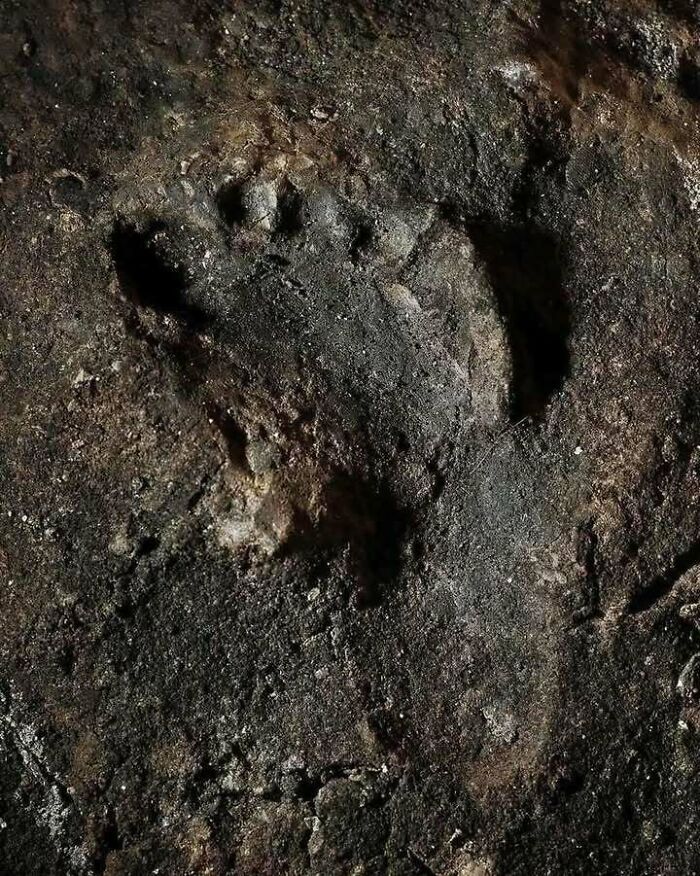
Image credits: Historyadd
#39
The Pyramids and Sphinx, under a solar eclipse. Photo by Gabriel Lékégian, 1905
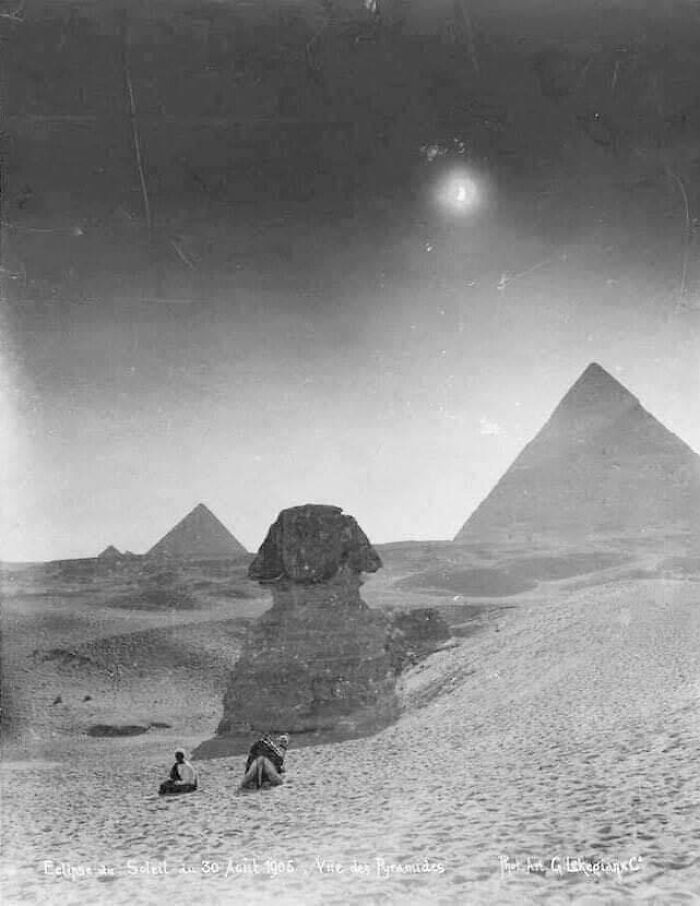
Image credits: Historyadd
#40
1950s house sale ad from Arizona
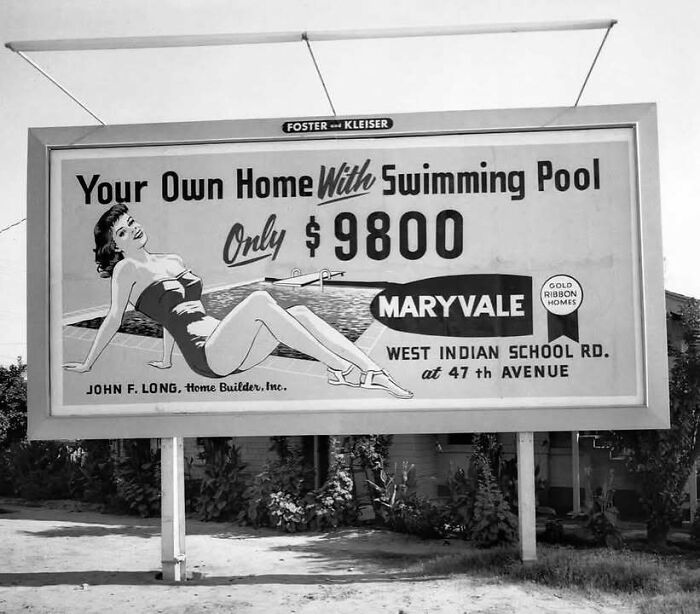
Image credits: Historyadd
#41
2000 year old Roman face cream, with finger marks still visible from the last user.
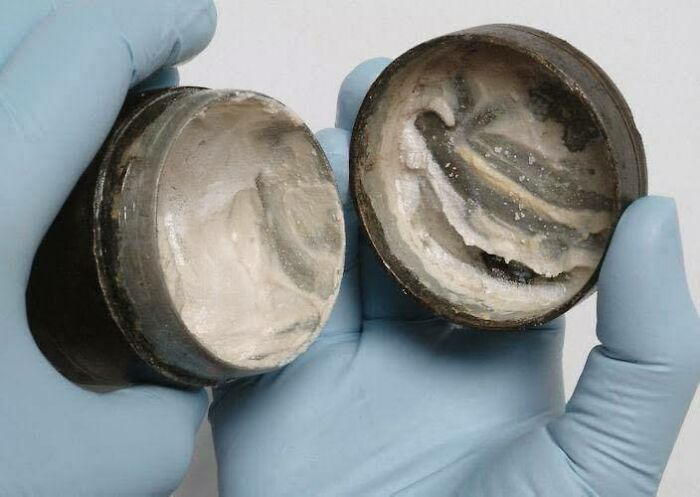
Image credits: Historyadd
#42
Incredibly detailed armour belonging to King Henry II of France.
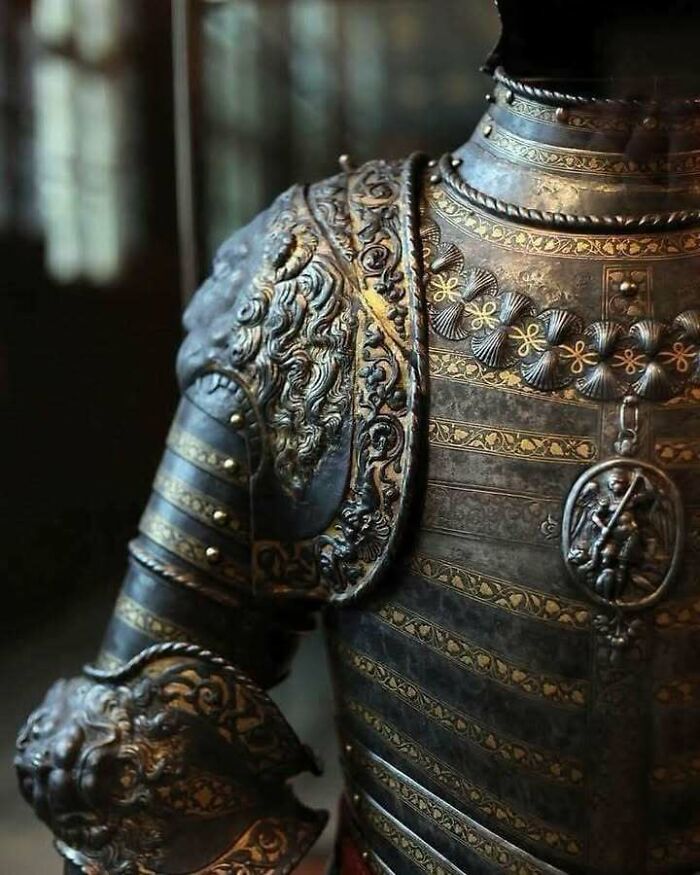
Image credits: Historyadd
#43
Falkenstein Castle, Austria
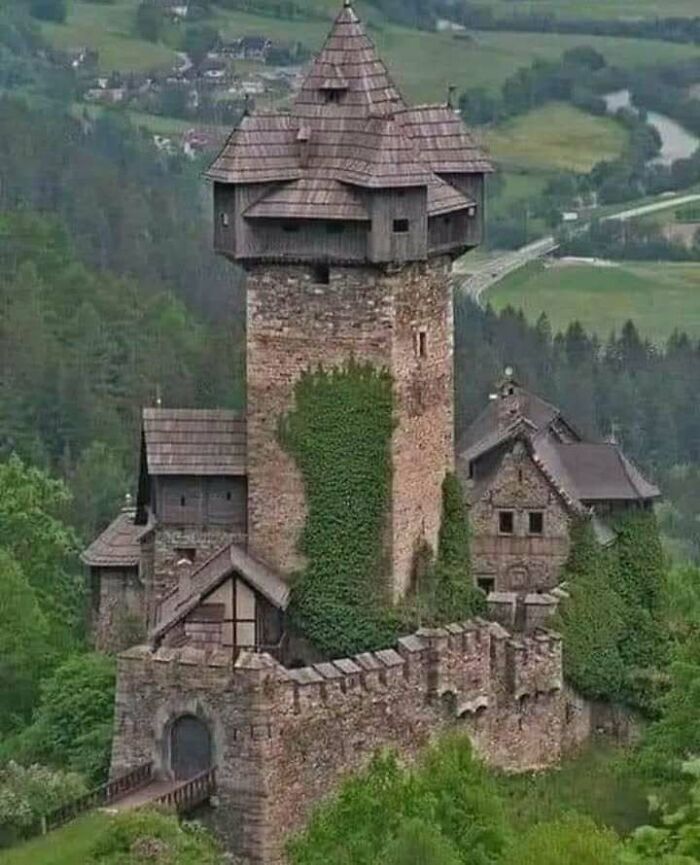
Image credits: Historyadd
#44
1925 Rolls Royce Phantom Coupe - 1935 modified edition with extravagant bodywork created by Henri and Joseph Jonckheere
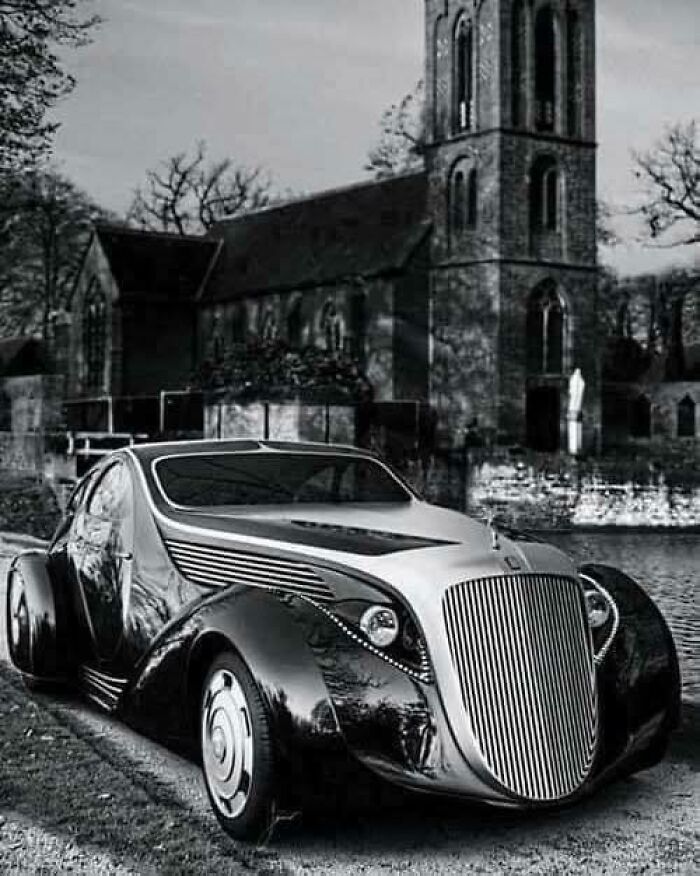
Image credits: Historyadd
#45
Marilyn Monroe, 1945

Image credits: Historyadd
#46
A Romanian woman used a million-dollar amber nugget as a doorstop for decades. Thieves who robbed her house missed it completely, taking only gold jewelry. After her death in 1991, the 3.5kg piece, up to 70 million years old, became a national treasure at Buzau Museum.
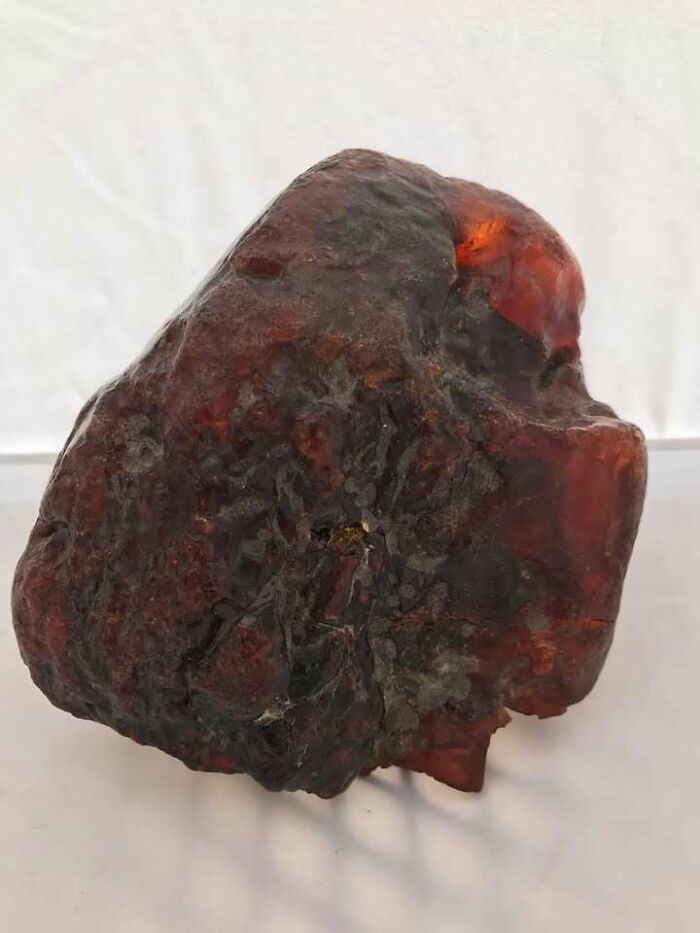
Image credits: Historyadd
#47
A Sami woman and her two children in Lapland, Finland, 1917.

Image credits: Historyadd
#48
Robin Williams, Dudley Moore and Billy Connelly, 1985
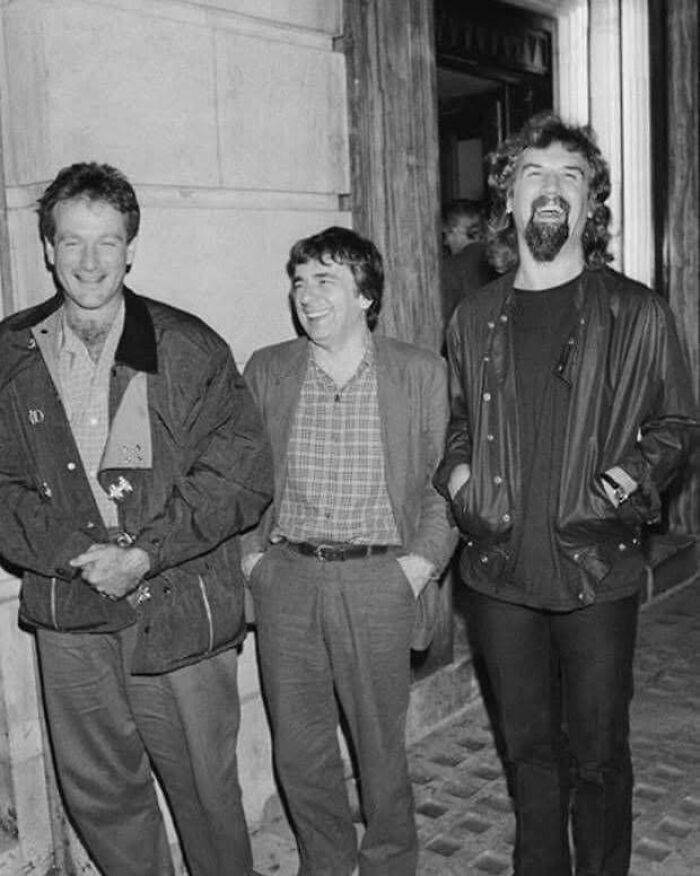
Image credits: Historyadd
#49
Vaseline perfume bottle made by Heinrich Hoffman in Czechoslovakia, 1920s
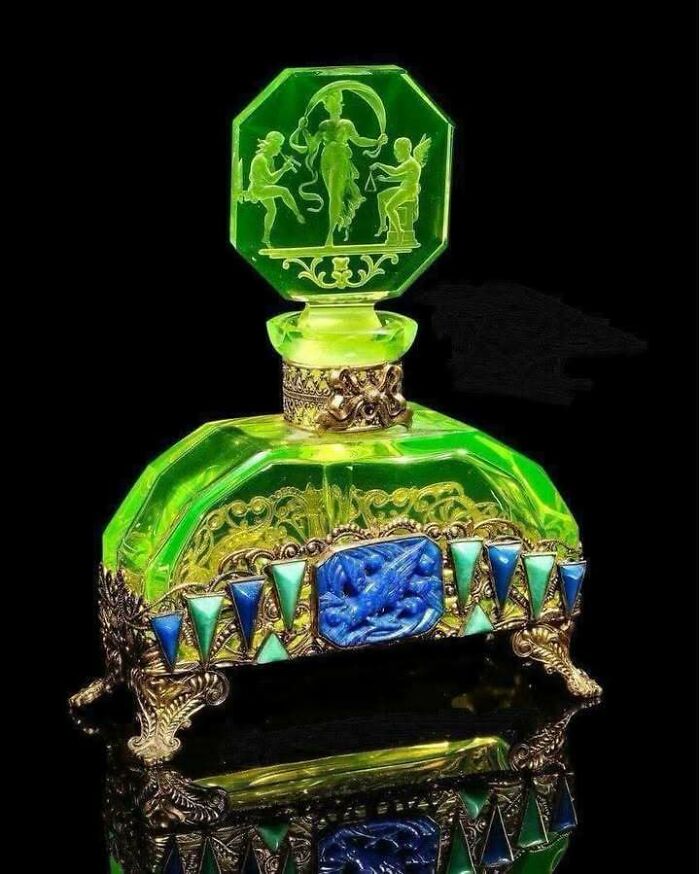
Image credits: Historyadd
#50
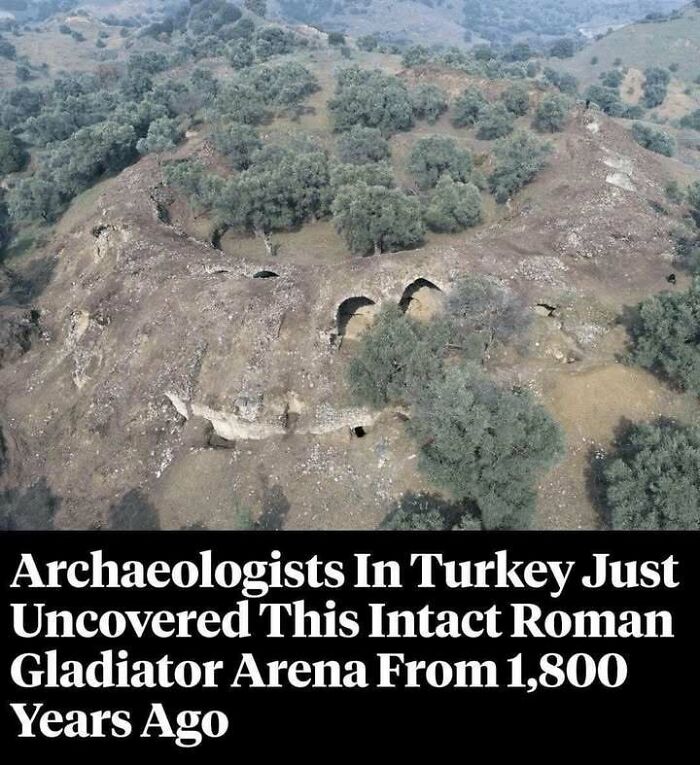
Image credits: Historyadd
#51
The location where Julius Caesar was murdered on Ides of March
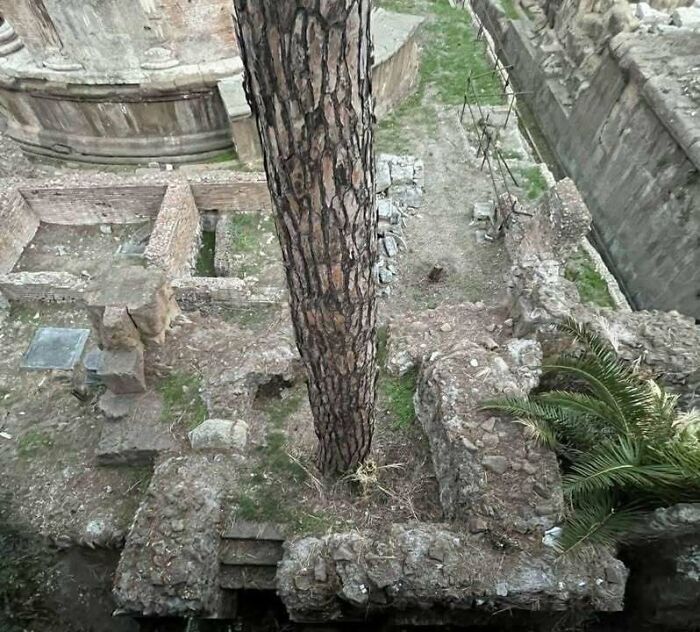
Image credits: Historyadd
#52
A 13th century map of Britain by Matthew Paris – Paris was a Benedictine monk who was well known in 13th century England for writing and illustrating several manuscripts including a number of maps. This particular image of Britain features no fewer than 252 places including 81 cathedrals and monasteries, 41 castles and 33 ports.
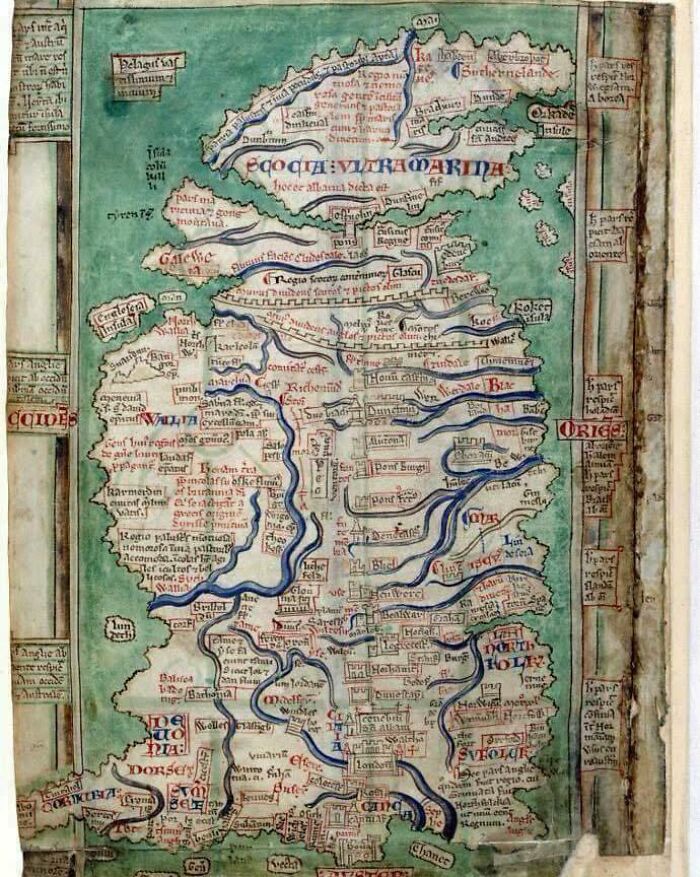
Image credits: Historyadd
#53
Warehouse of steel floats for anti-submarine nets, 1953
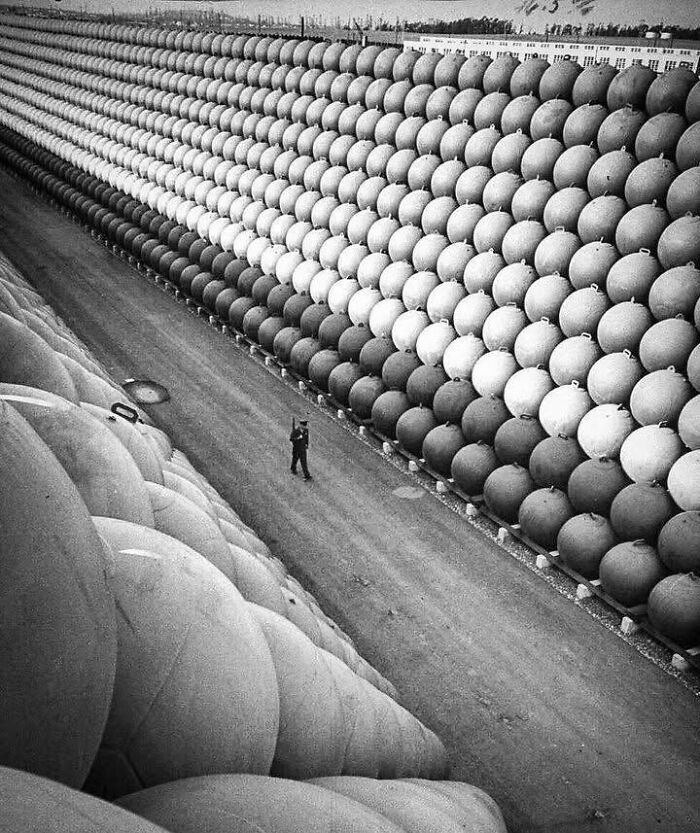
Image credits: Historyadd
#54
Tower Bridge during construction. London, 1894
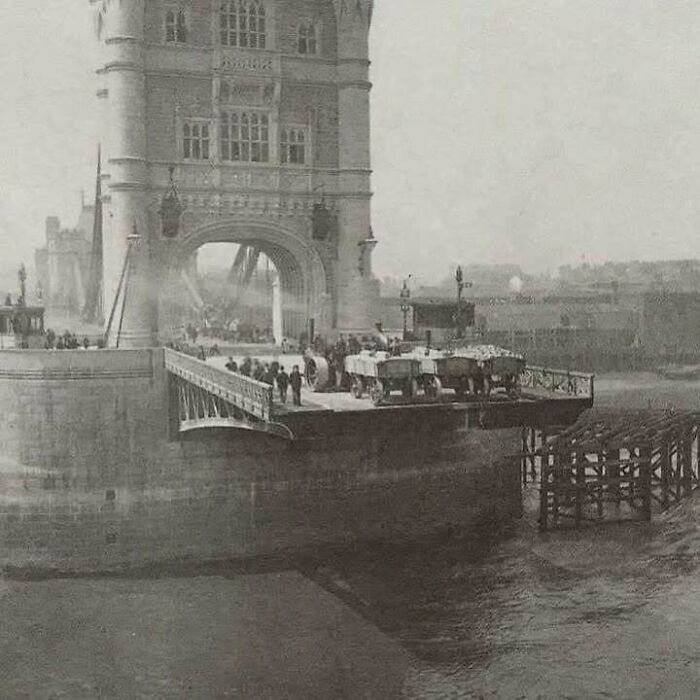
Image credits: Historyadd
#55
Albert Einstein playing his violin
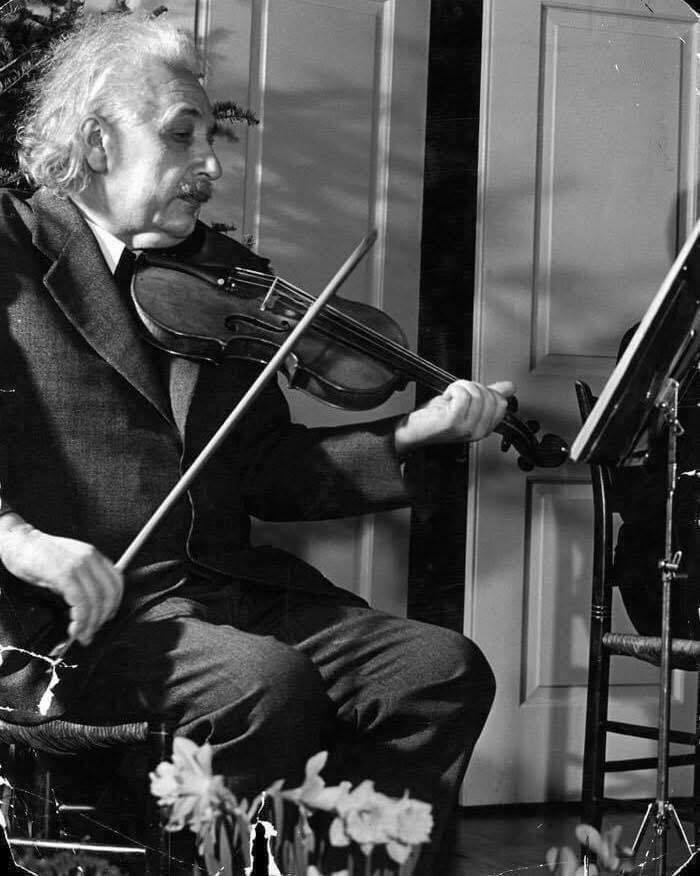
Image credits: Historyadd
#56
Portrait of a young madam, taken mid 19th century
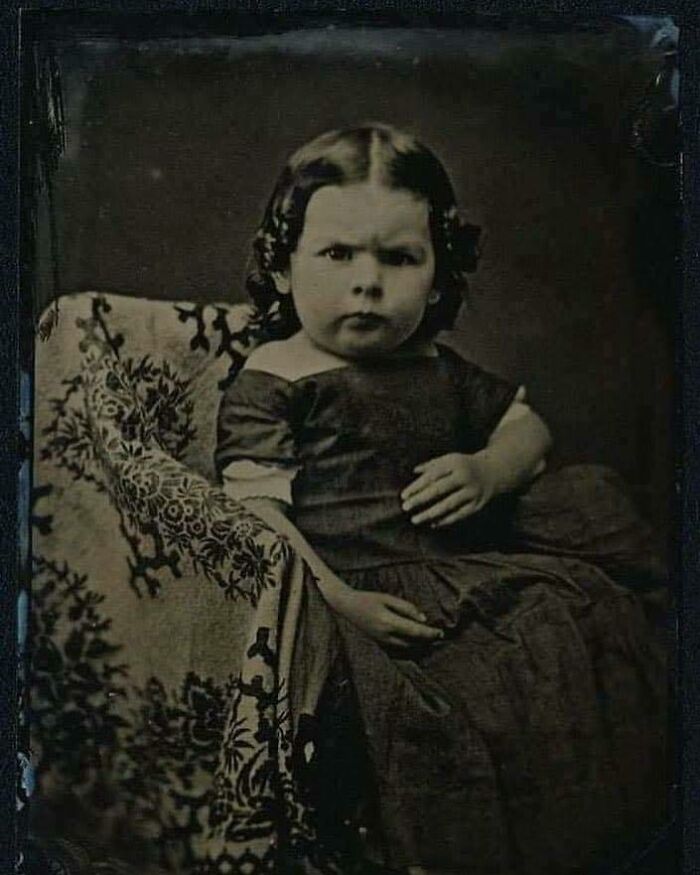
Image credits: Historyadd
#57
1,900 years ago, Emperor Nero shocked Rome twice - first by marrying a young man named Sporus in a lavish ceremony, then by becoming a bride himself in a wedding to Pythagoras
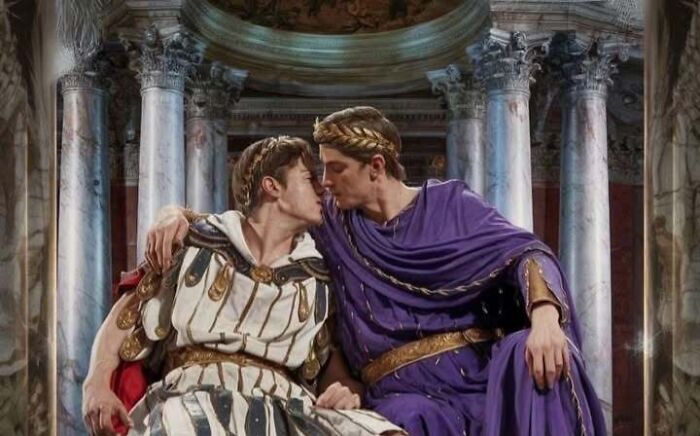
Image credits: Historyadd
#58

Image credits: Historyadd
#59
A poor family in Oklahoma, during the Great Depression.

Image credits: Historyadd
#60
16th century Italian parade shield, depicting ‘The Judgement of Paris’, sculpted by Leone Leoni.
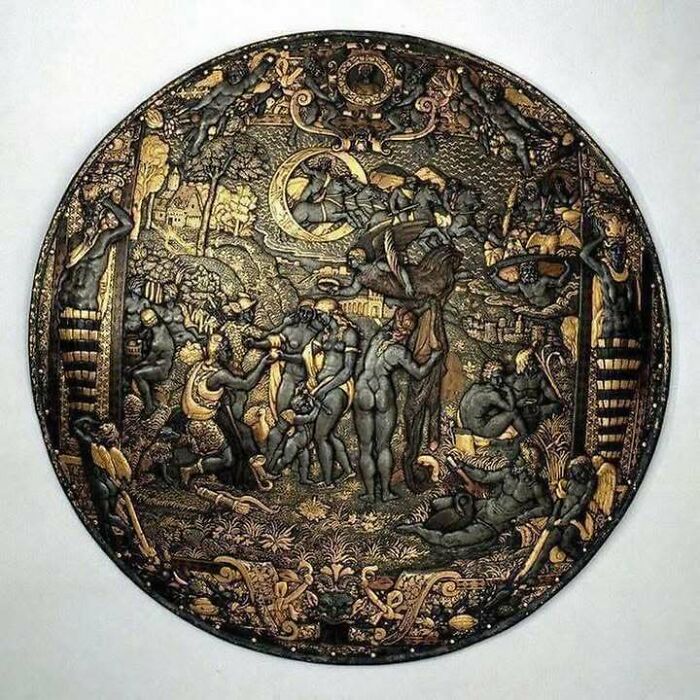
Image credits: Historyadd
#61
Preserved trench from WWI. Ypres, Belgium
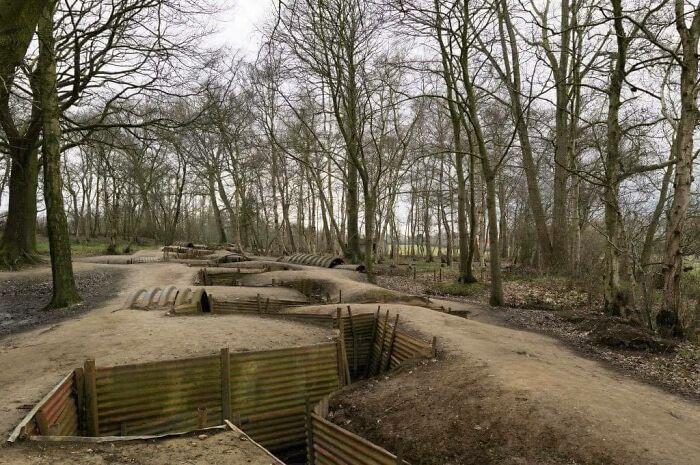
Image credits: Historyadd
#62
Late 19th century portrait of a father and his daughter

Image credits: Historyadd
#63
German military helmets dug up in France after being buried for over 100 years!
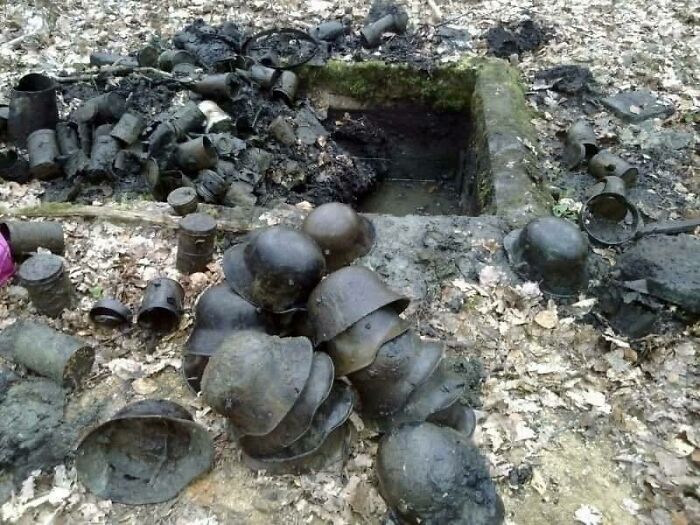
Image credits: Historyadd
#64
The arrival of the Statue of Liberty in New York. 1885
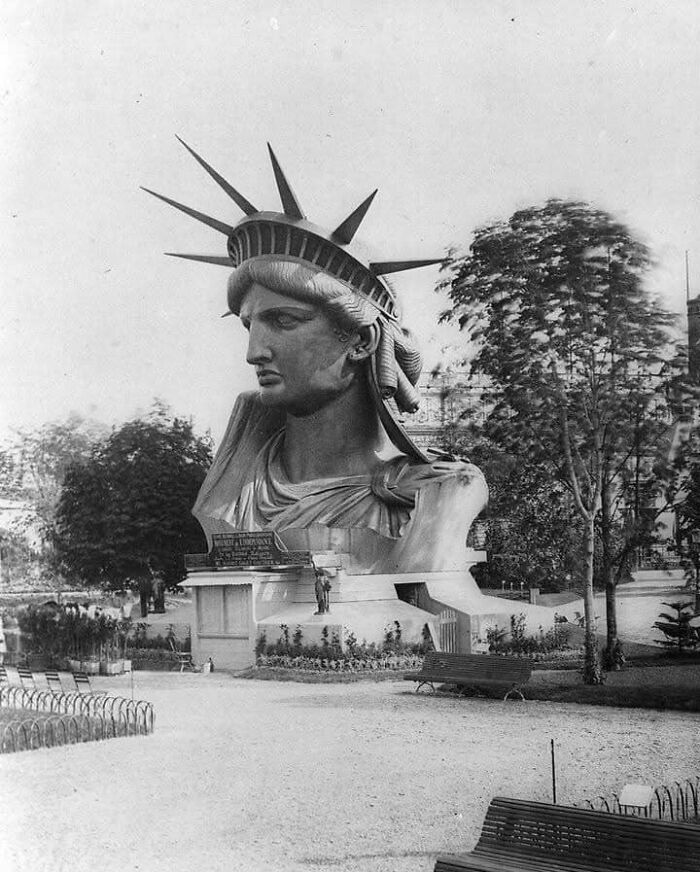
Image credits: Historyadd
#65
A B-25 bomber crashed into the 79th floor of the Empire State Building in 1945, after getting lost in heavy fog
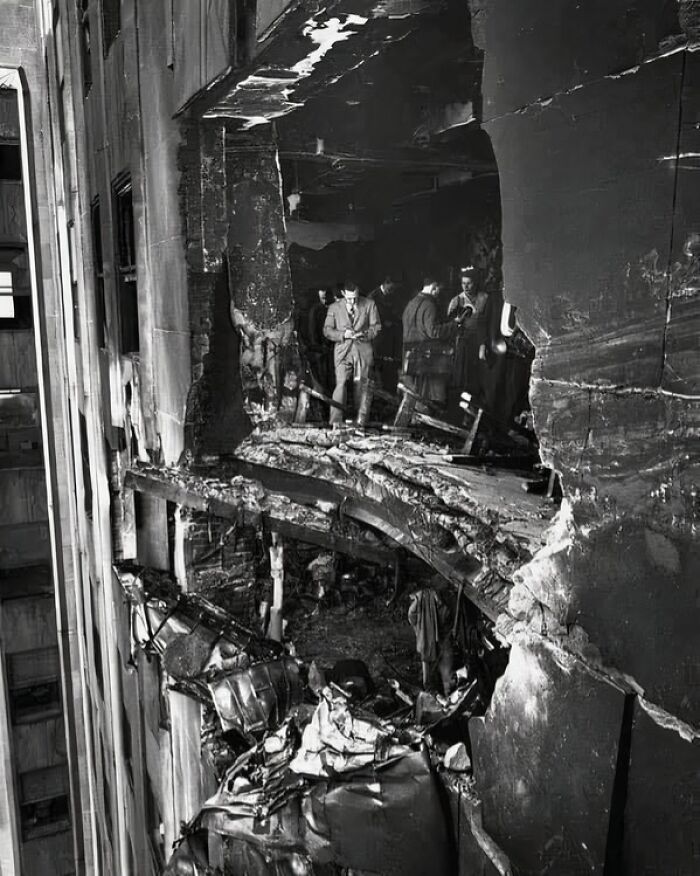
Image credits: Historyadd
#66
A couple enjoying a break away in their custom made camper van. 1918
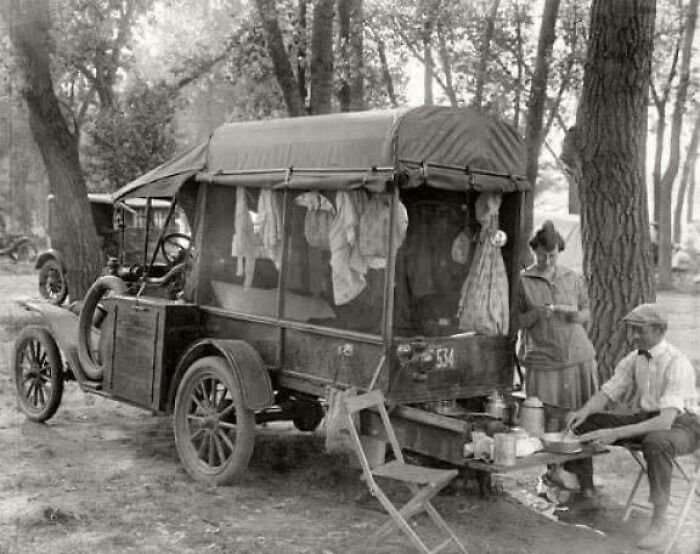
Image credits: Historyadd
#67
Alexander the Great named over 70 cities after himself. Alexander the Great conquered over 2 million square miles of the Earth's surface. He did this all before he was 30 years old.
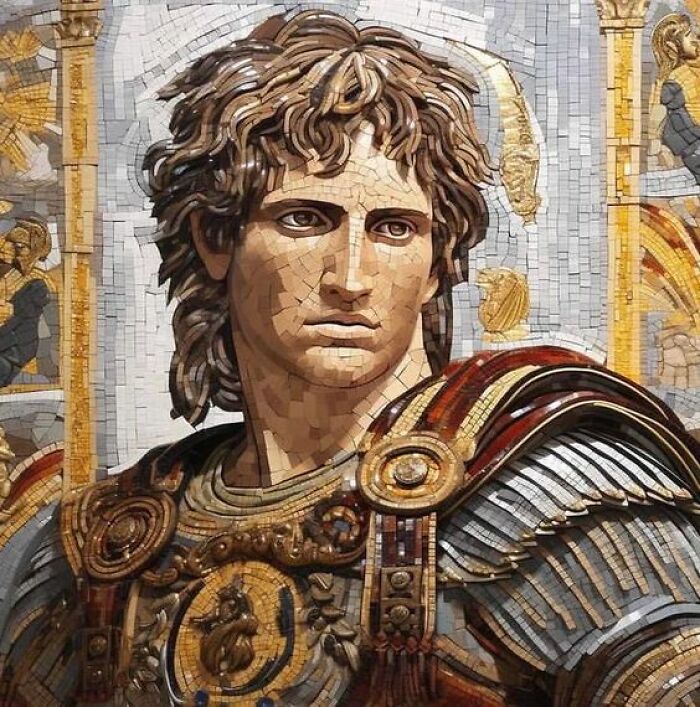
Image credits: Historyadd
#68
The Macedonian warrior's helmet and burial mask, dating back to around 520 BC, were discovered in Tomb 115 in Sindos and are currently housed in the Thessaloniki Archaeological Museum. This remarkable artifact consists of a gold sheet that was carefully placed over the warrior's face, preserving the imprint of his features.
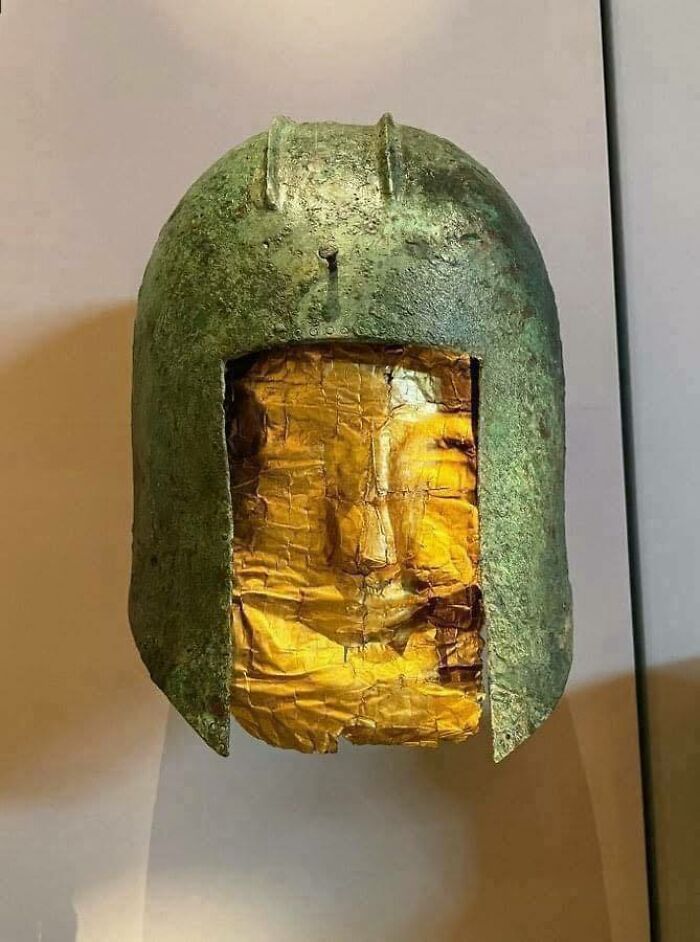
Image credits: Historyadd
#69
A 1,200-mile living wall of thorny plants once divided India - the Great Hedge, built in the 1840s by British rulers to stop salt smuggling. After being abandoned in 1879, it vanished into history until an old memoir revealed its existence in 1995.

Image credits: Historyadd
#70

Image credits: Historyadd
#71
In the 1930s, companies that made things such as flour and potatoes, realised that poor families were using the sacks to make clothes for their children. In response to this, many of the companies began putting patterns of shapes and flowers on to make them more appealing once turned into clothing
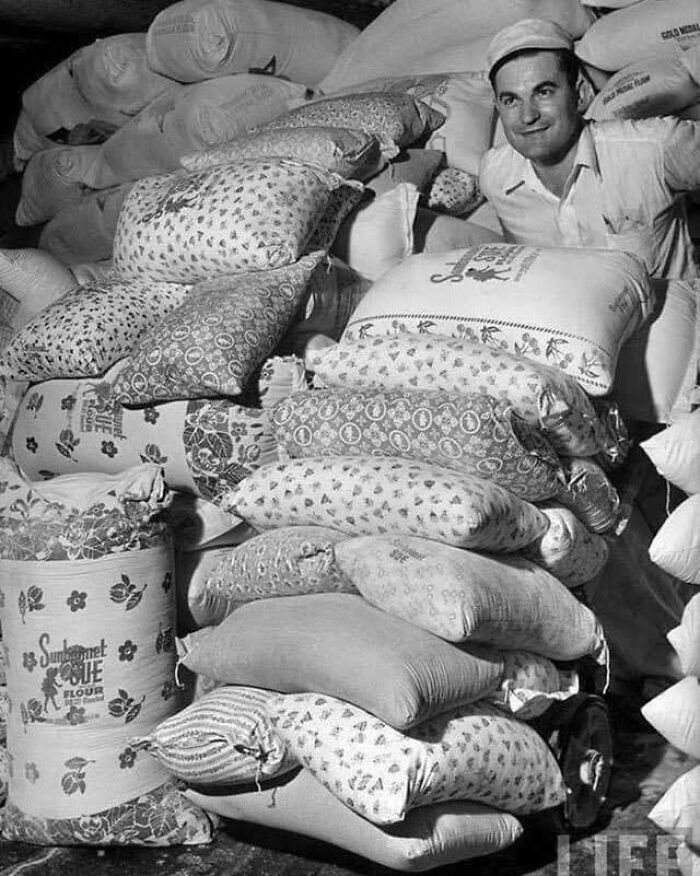
Image credits: Historyadd
#72
In Spartan society, only women who died in childbirth and warriors who fell in battle were honored with marked headstones. This was because they were seen as having made the ultimate sacrifice in fulfilling their societal roles.
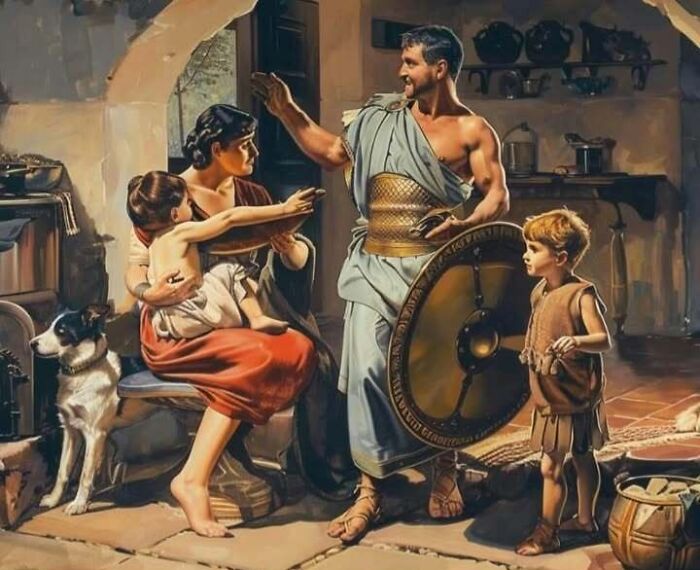
Image credits: Historyadd
#73
Children playing. New York circa 1940
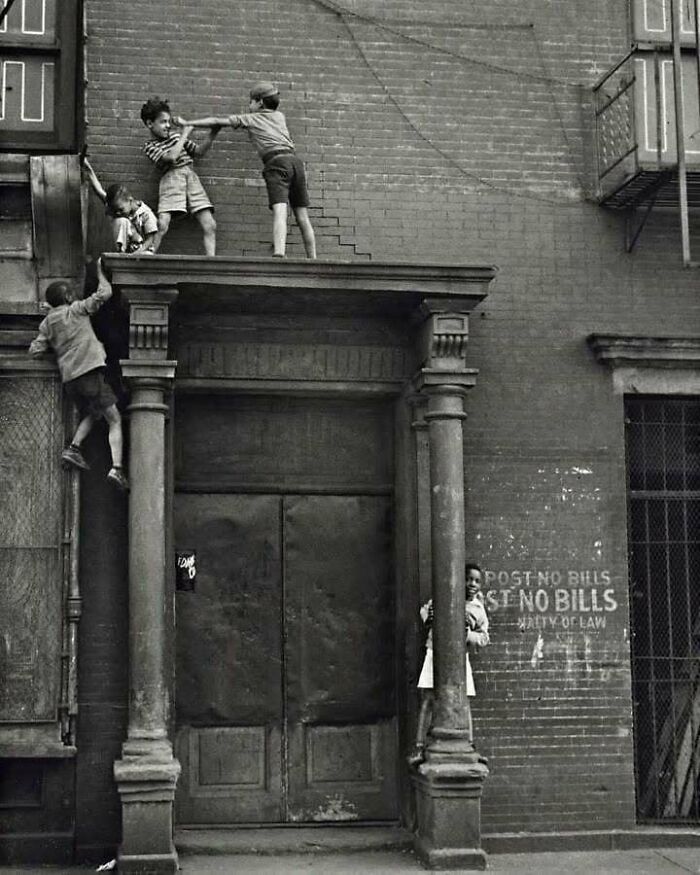
Image credits: Historyadd
#74
Portuguese women from the Azores Islands.
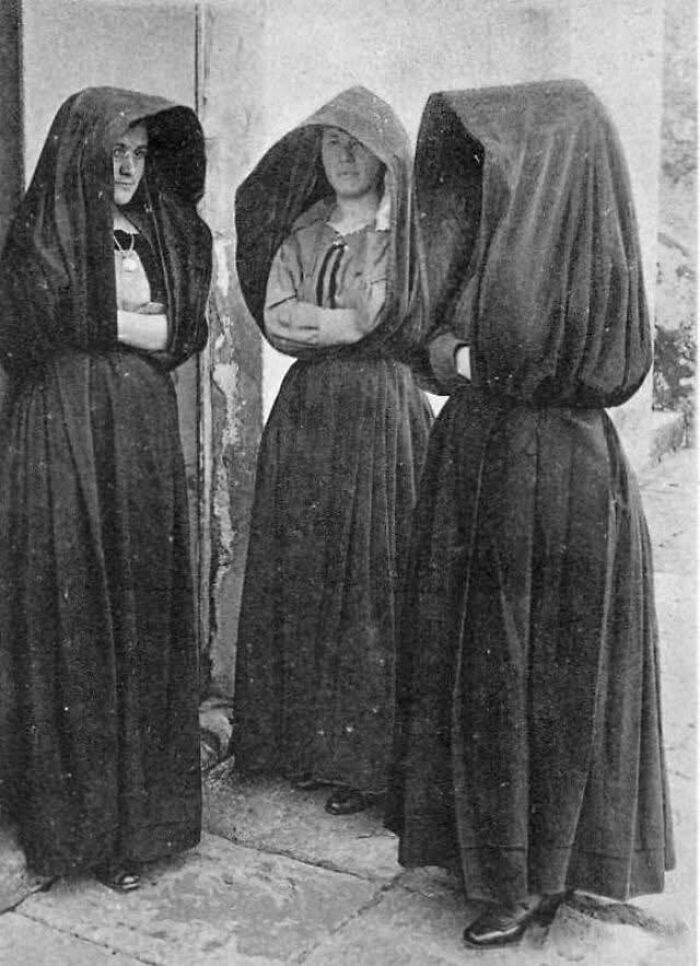
Image credits: Historyadd
#75
Two young boys. London, 1902

Image credits: Historyadd
#76
16th Century Swiss crossbow and bolts

Image credits: Historyadd
#77
Golden throne of Tutankhamun
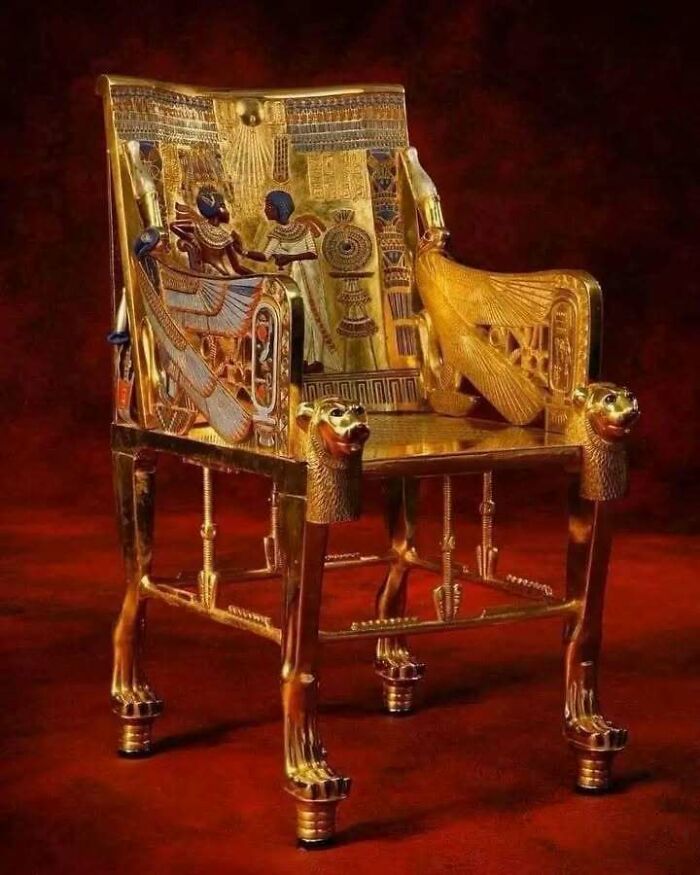
Image credits: Historyadd
#78

Image credits: Historyadd
#79
Bedouin woman with her child. Saudi Arabia, 1948
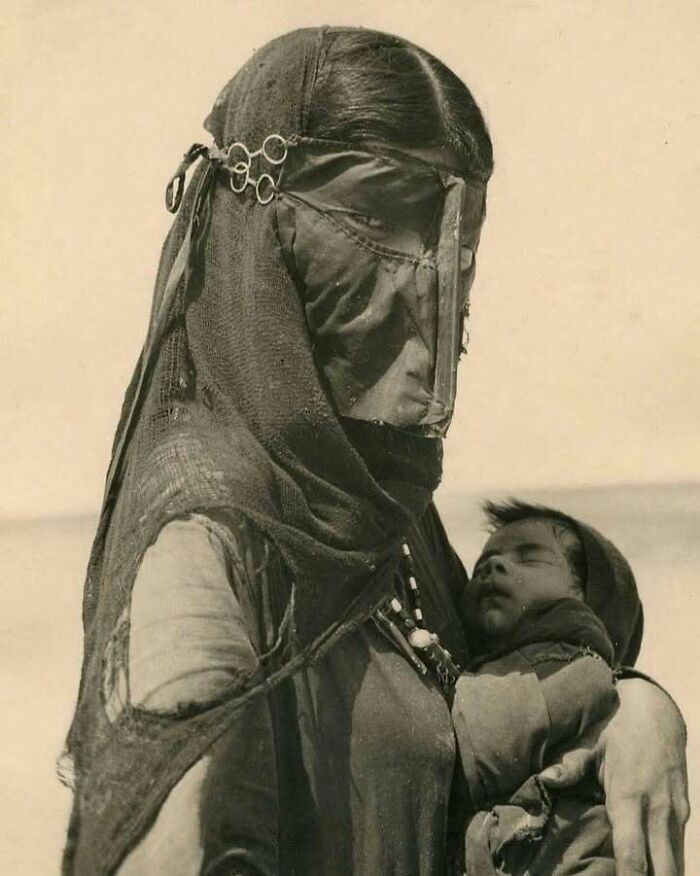
Image credits: Historyadd
#80
The anatomy of the female body. Depicted in ivory, late 19th century
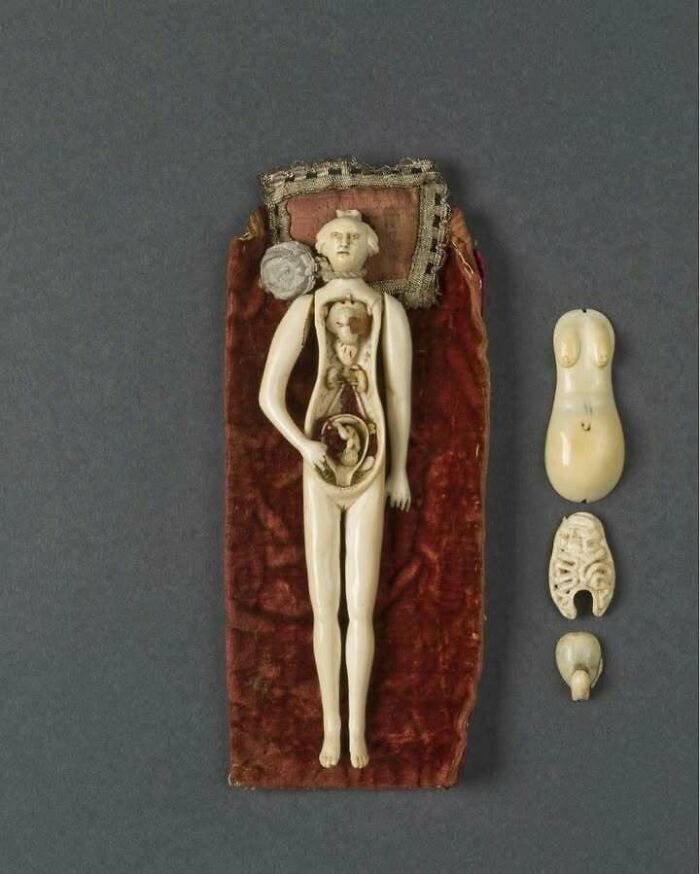
Image credits: Historyadd
#81
A 16th-century female skull from Venice, discovered with a brick lodged in her mouth—a practice stemming from the belief that she was a vampire. This ritual was intended to prevent her from preying on plague victims.
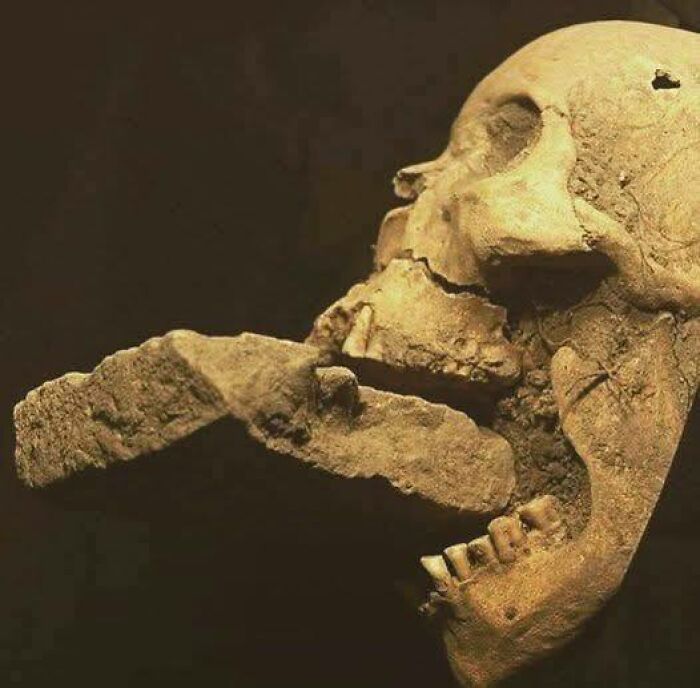
Image credits: Historyadd
#82
Constructed in the early 1500s, Bowhead House stood as a prominent structure in Edinburgh, Scotland. However, in 1878, this historical edifice met its demise when it was demolished. The loss of Bowhead House was deeply felt by the local community, who regarded it as a cherished relic of the old city. The Scotsman edition of 8 February 1878 also lamented the passing of this distinctive architectural marvel, often described as an 'inverted pyramid.' Situated in the Lawnmarket area of Edinburgh, Bowhead House held a significant place in the city's history and its disappearance left a void in the hearts of many.
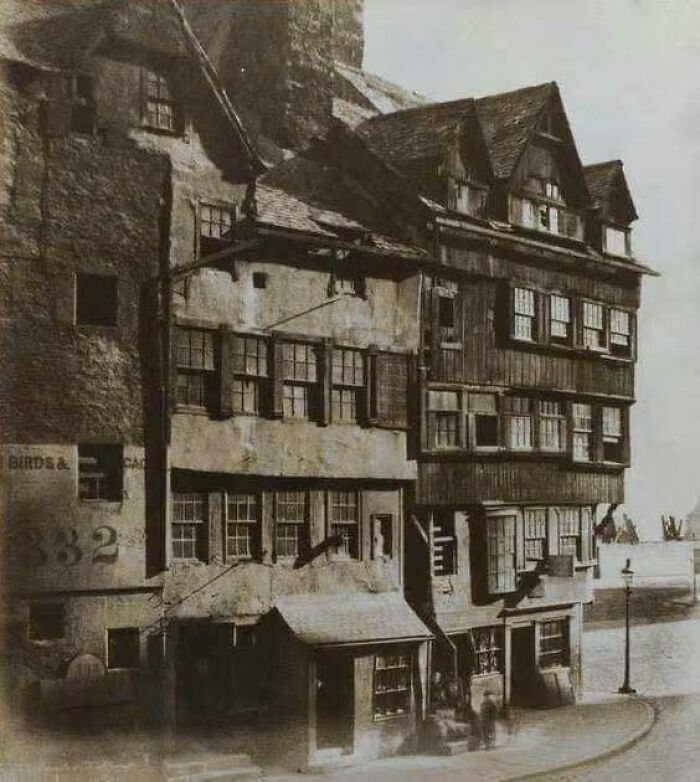
Image credits: Historyadd
#83
This personal battle axe belongs to Nadir Shah who invaded India and massacred Delhi in A.D. 1739. It is inscribed with verses from the holy Quran, Nadir Shah's name and the title Sahib-i-Qiran. There are only three Sahib-i-Qirans in Mughal history namely Timur, Shah Jahan and Nadir-Shah.
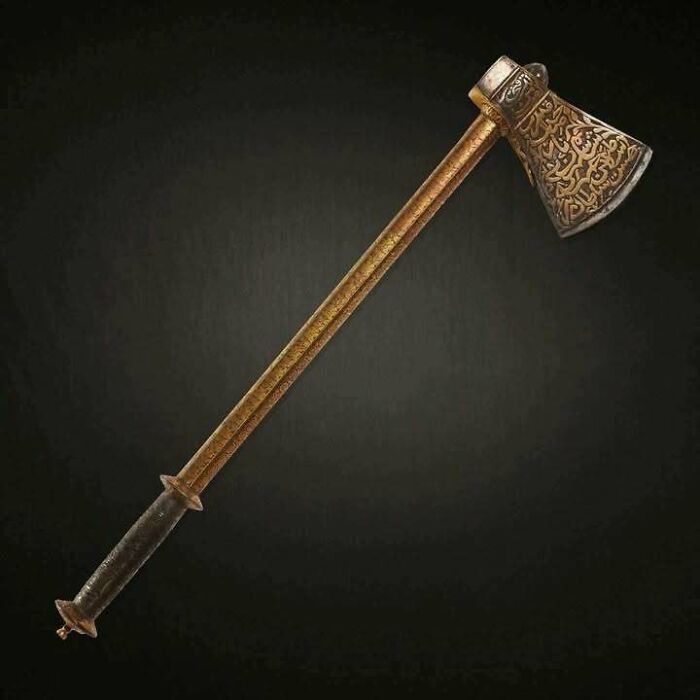
Image credits: Historyadd
#84
Frozen lake at Roundhay Park, Leeds, UK. 1904
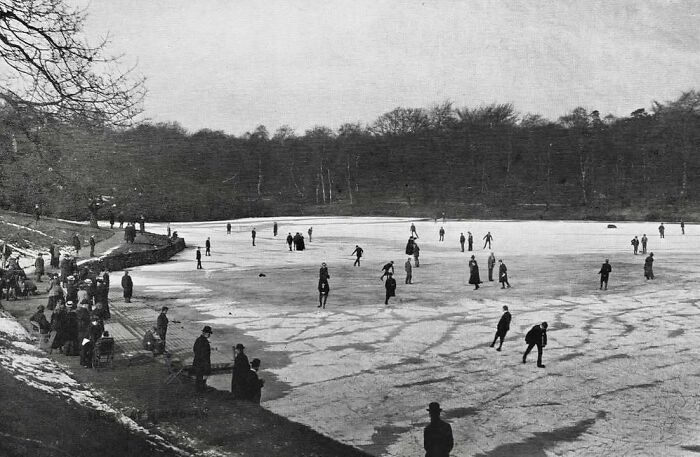
Image credits: Historyadd
#85
3000 year old pristine Bronze Age sword discovered in Germany. This is an exceptionally rare find and it is believed to have been used in ceremonies or as a symbol of high status

Image credits: Historyadd
#86
111 football games played at Hackney Marshes, London in 1962.

Image credits: Historyadd
#87
A team of smartly dressed window cleaners from the early 20th century
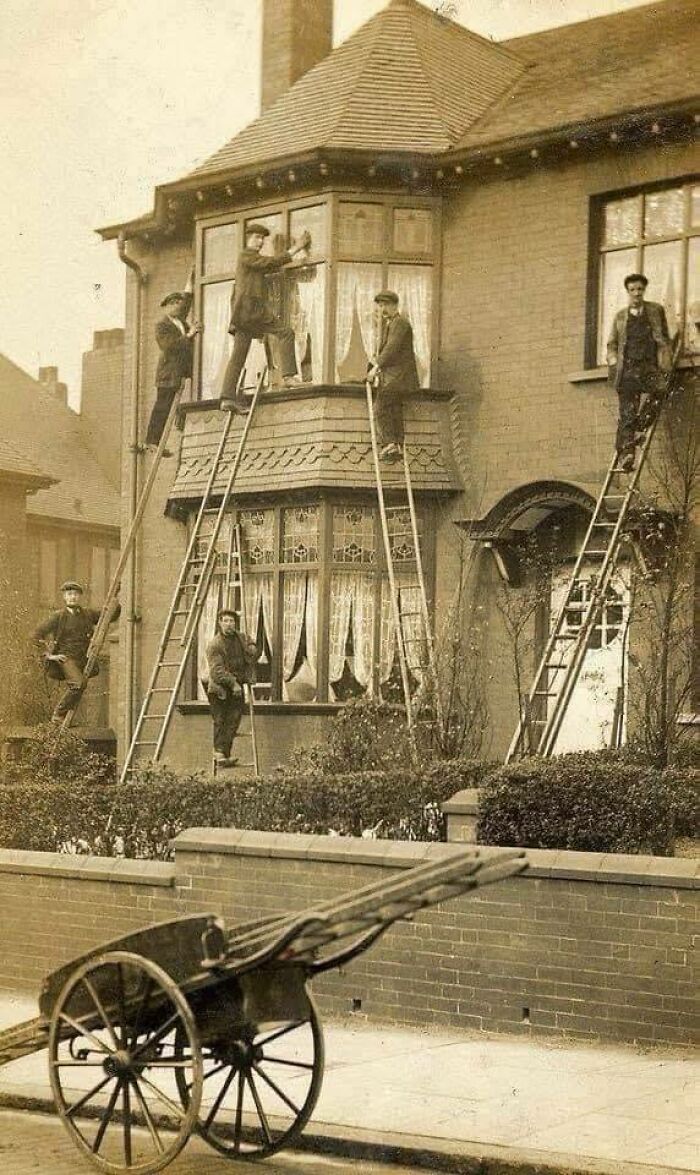
Image credits: Historyadd
#88
This 1939 overlay map combines Europe (without Russia) and Australia.

Image credits: Historyadd
#89
Tunnel Rock At Sequoia National Park. 1952 And 2020
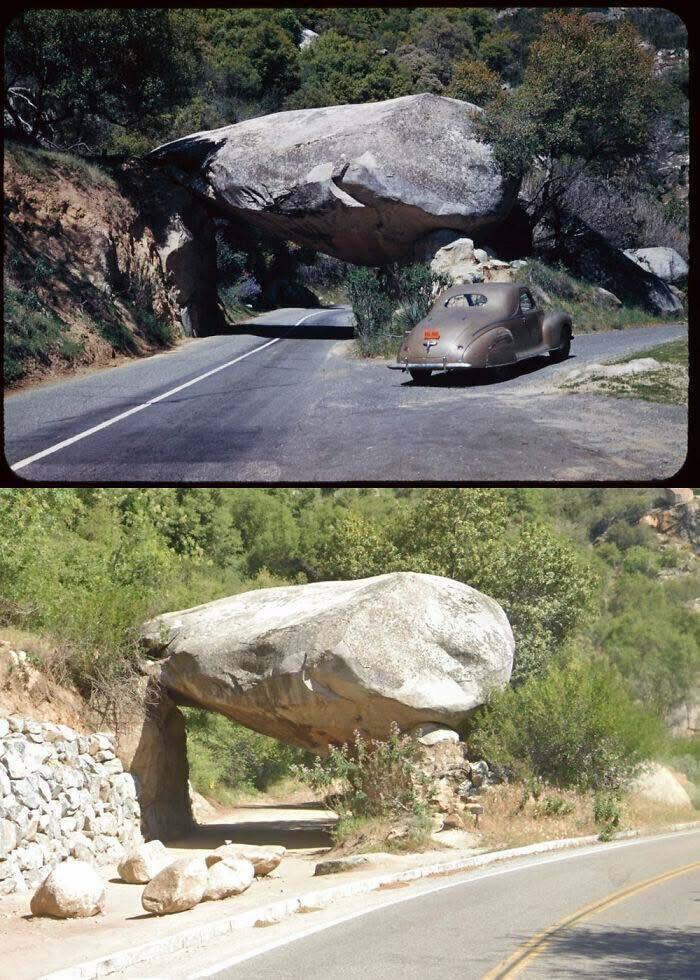
Image credits: Historyadd
#90
Two women operating and traveling in a 1902 Lawson's Motor Wheel vehicle.
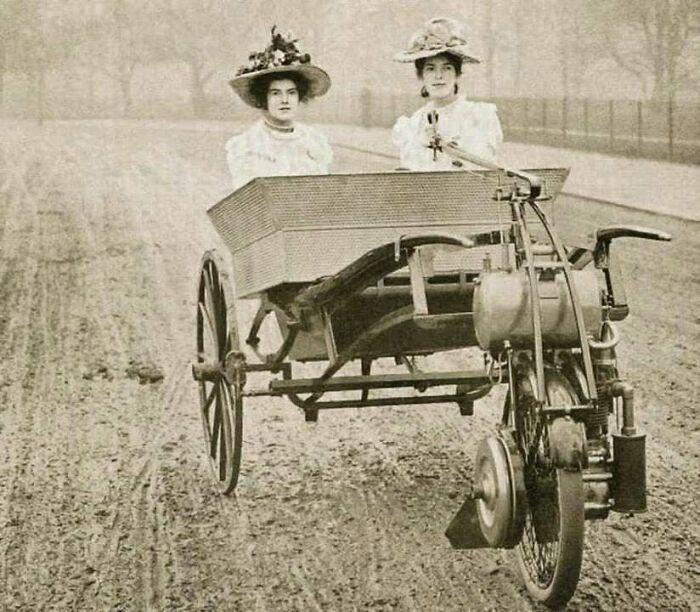
Image credits: Historyadd
#91
The Hotel Netherland, 1905 New York
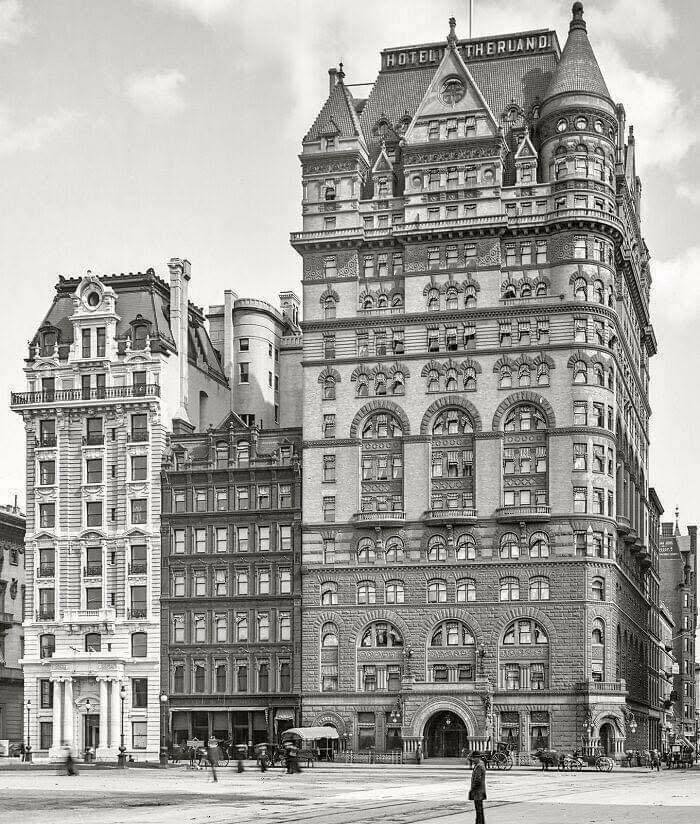
Image credits: Historyadd
#92
Image credits: Historyadd
#93
Foot At The West Bow, Edinburgh by Louise Ingram Rayner (1832-1924) watercolour and gouache
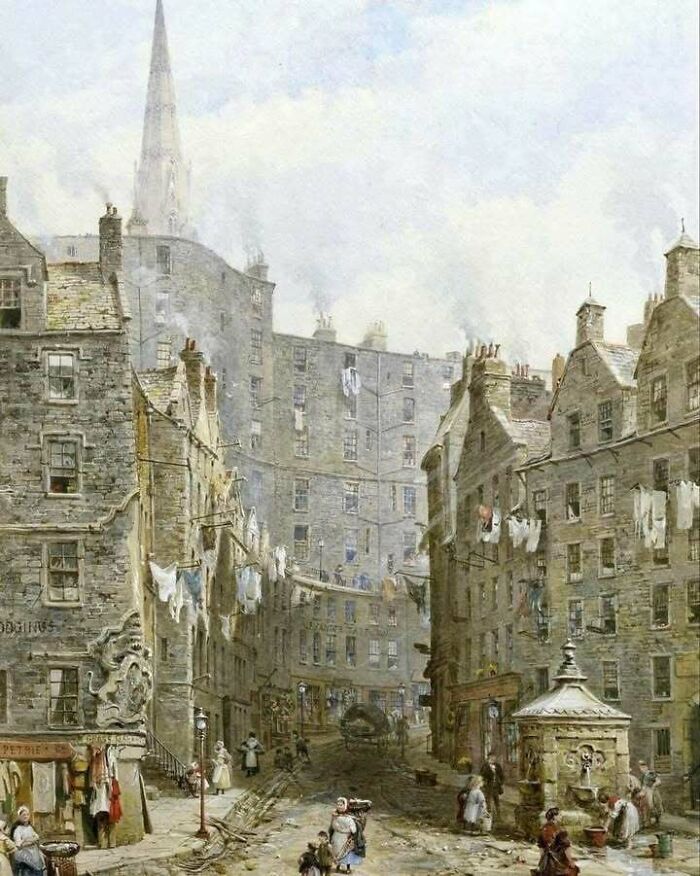
Image credits: Historyadd
#94
Image credits: Historyadd
#95
19th Century school, Florida.
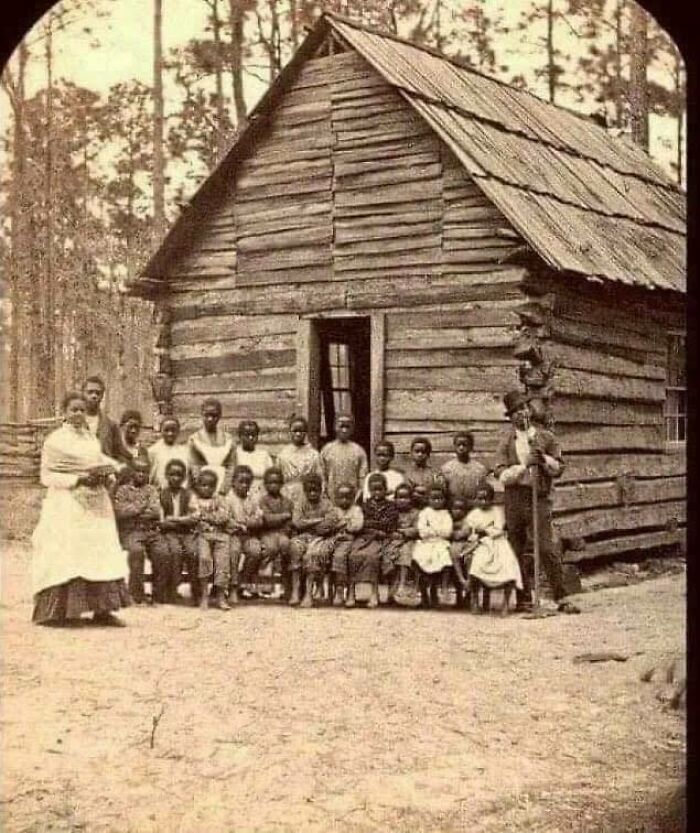
Image credits: Historyadd
#96
Image credits: Historyadd
#97
1920s filling station
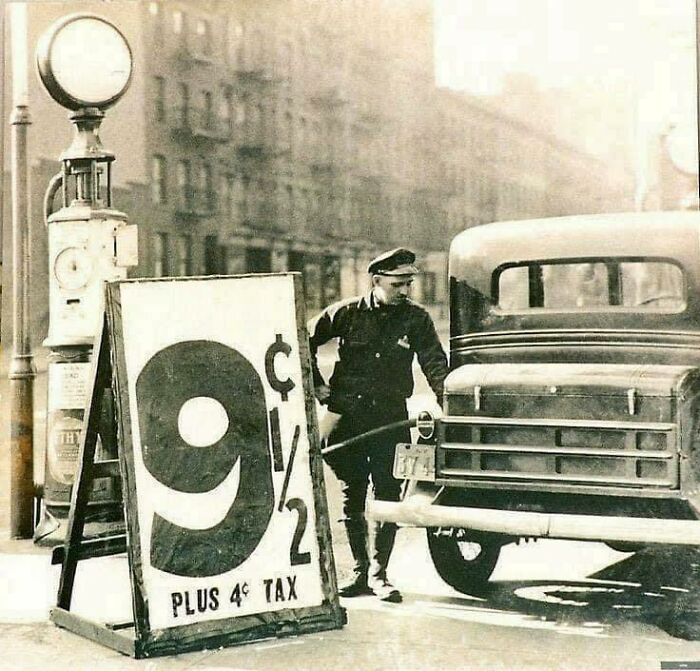
Image credits: Historyadd
#98
Daytona Beach, Florida. 1964

Image credits: Historyadd
#99
Truck full of beer crates, at the end of the prohibition. 1933
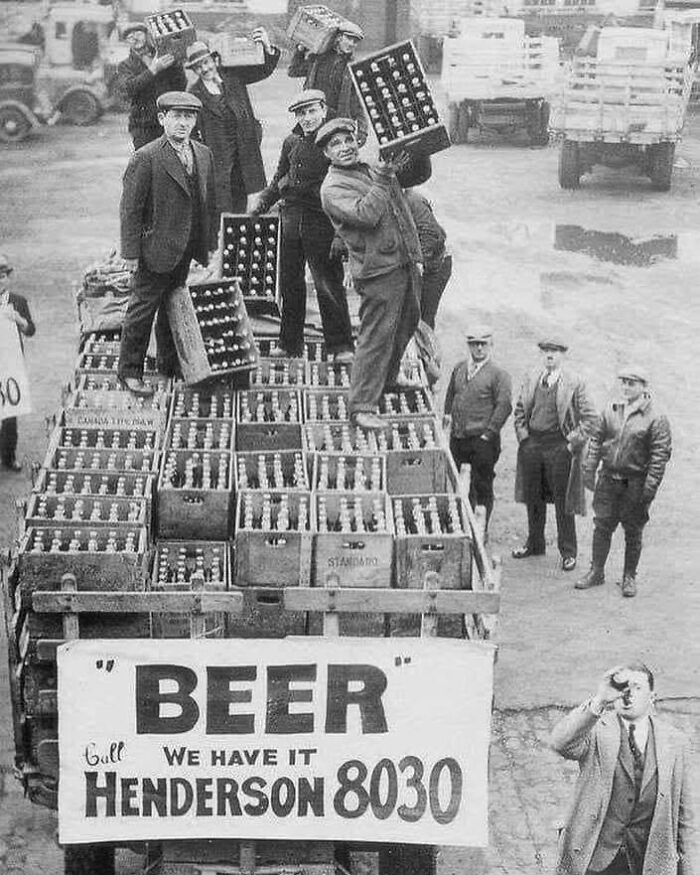
Image credits: Historyadd
#100
A family outside their tent in Missouri. 1940
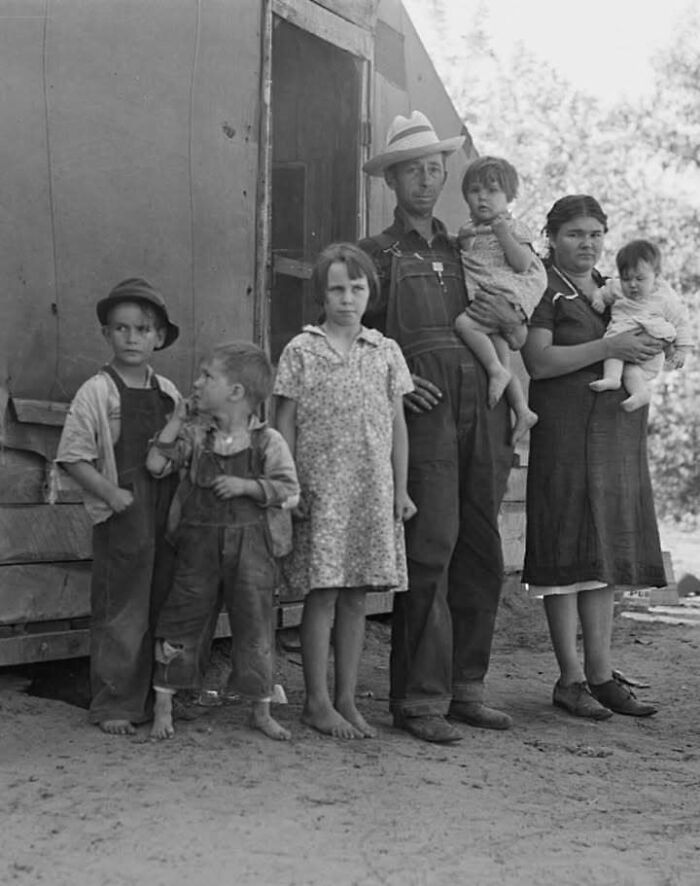
Image credits: Historyadd