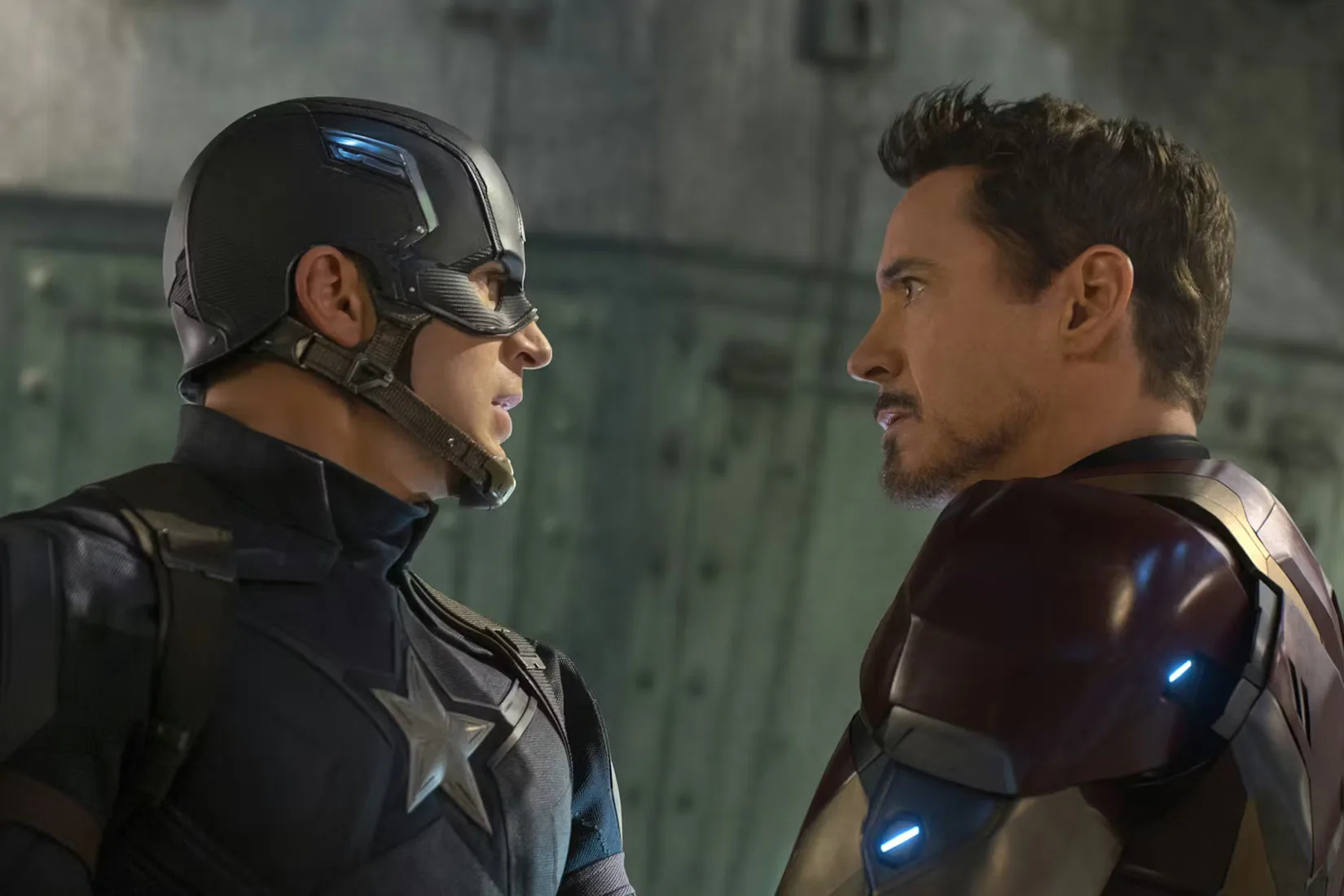
That Captain America: Civil War was essentially just an Avengers movie was a point used to disparage the film in 2016. For diehard Cap stans, it was also a source of frustration: the Star-Spangled Man (Chris Evans) had already led the Avengers in two solid ensemble pieces, but his trilogy lived in its own world. At least, until it came time to wrap things up.
There was no way of knowing, in 2016, that Civil War was essentially the beginning of the end — the end of Marvel’s unchallenged supremacy, of the Avengers’ familial rapport, of Steve Rogers as a character who actually made sense. It was the first true stop on the road to Avengers: Infinity War and Endgame, which irreparably splintered its eponymous team and (depending on who you ask) committed the most grievous of character assassinations on Steve. His status as the Man Out of Time took on a new meaning after Endgame: he’d never get a chance to headline another solo adventure or really finish his story outside of a sprawling ensemble film.
That untapped potential is part of what makes Civil War feel all the more special today. Sure, the Avengers were already starting to crowd the frame — Civil War serves as the quasi-origin for two major heroes — and Tony Stark’s sad-boy megalomania only makes this feel like less of a Captain America film. Given what awaited us in the future, however, it’s a miracle that something so busy actually wound up feeling... pretty epic.
If any Marvel storyline had to dovetail into the Avengers universe, it makes sense that the Cap trilogy was the one to do it. Directors Anthony and Joe Russo had just proven how skilled they were at telling taut ensemble stories with Captain America: The Winter Soldier, making them ideal candidates for a new brand of Avengers movie. The Whedonesque sniping of the OG Avengers and Age of Ultron just wouldn’t do with a threat like Thanos waiting in the wings. It was time to get serious, and who better to drive that point than the filmmakers who’d rescued Steve from Whedon’s disparaging pen? (The Captain America we get in his Avengers films is #NotMyCap, and never will be!)
Anyway, what makes Civil War work is its looming sense of dread. The Avengers were a time bomb from the moment Steve first commanded them to assemble; though they saved the world pretty capably from an alien invasion, Civil War finally asks whether they’ve made the world worse since. The creation of Ultron (James Spader) will raise that kind of question, but it’s also the final blow for a team that’s long been splintering.
The introduction of the Sokovia Accords — named after the city that Ultron turned into a meteor — pits Steve and his pals against Tony and his misplaced guilt. Also, his unresolved grief for his parents. There’s also Steve’s ongoing search for his childhood best friend, Bucky (Sebastian Stan). There’s the slippery Baron Zemo (Daniel Brühl), a survivor of the Sokovia massacre who wants to avenge his family by breaking up the Avengers. There’s the prince of Wakanda, T’Challa (Chadwick Boseman), who also wants revenge against the man who murdered his father. And there’s an army of Super Soldiers, just like Steve and Bucky, poised to dismantle the world as they know it.
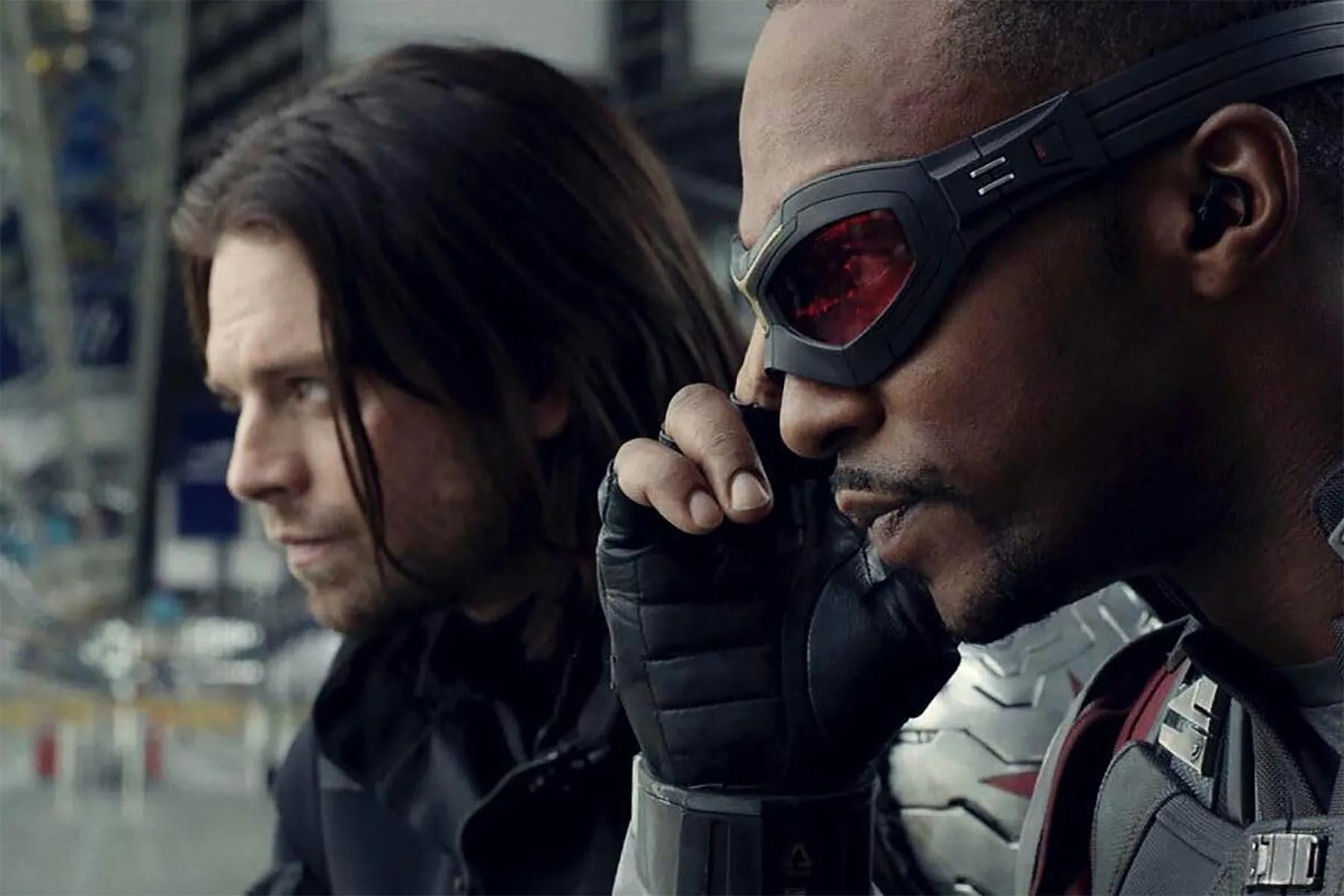
It’s remarkable how little of this will actually matter by the end of Civil War. The Russo brothers, with help from screenwriters Christopher Markus and Stephen McFeely (the duo who penned every Captain America film, and every Avengers film post-Ultron), throw everything they can at this fracturing team. It seems like overkill, but it’s really the only thing that justifies the addition of so many future Avengers. When Steve and Bucky go rogue, Tony vows to capture them — but he’s not satisfied with the small army of Avengers already at his disposal. He recruits T’Challa and a 15-year-old crime-fighter from Queens, the young Peter Parker (Tom Holland), into his ranks. They serve him well in a nondescript battle on a dreary German airport, which was so clearly the impetus for this ensemble story, not unlike the train sequence in Mission: Impossible – Dead Reckoning. Again, it’s nonsense in hindsight — but in the moment, after so many years of waiting, seeing Black Panther and Spider-Man finally join the Avengers was well worth the mind-numbing angst that led up to it.
Civil War functions best as a series of moments. Some — like Peter Parker’s introduction, or the fight that breaks out between a brainwashed Bucky and T’Challa halfway through the film — felt like abject wish fulfillment in 2016. Others aren’t so memorable, but they’re better than the decade of bigger missteps that snowballed after Civil War. Though there’s much more within the saga to distract us now, nothing feels nearly as monumental as Steve and Tony’s friendship breakup felt 10 years ago. That Marvel itself is also reaching back into this past, all to build a different future, forces an interesting new perspective for Civil War. It somehow feels more important now — if not narratively, then tonally. Endgame was Marvel’s biggest swing, but the films that came before it feel more like the thesis statement for this era, and, perversely, the MCU’s magnum opus.