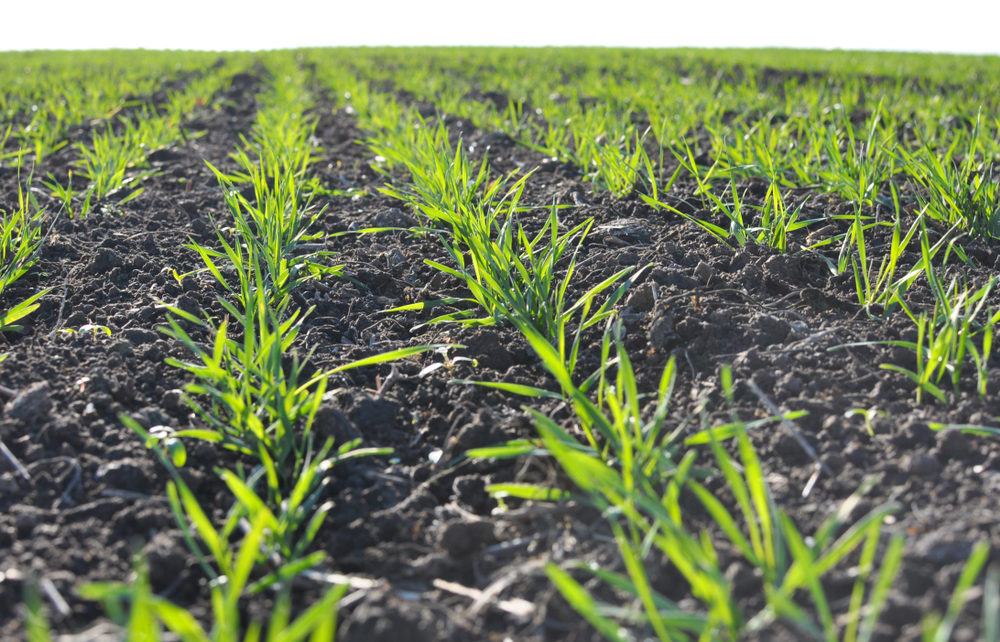
Winter weeds are the overachievers of the plant world. While everything else is settling in for a long nap, these leafy rebels are already stretching, sprouting, and plotting a takeover of your lawn and garden beds. They thrive in cool soil, love neglected corners, and show up early enough to make you wonder if they ever sleep. If you’ve ever stepped outside on a chilly morning and spotted fresh green growth where it absolutely doesn’t belong, you already know the feeling.
This guide dives into ten of the most common winter weeds that start early, explains why they’re so successful, and shows you exactly how to stop them before they run the show.
1. Chickweed (Stellaria Media)
Chickweed is one of the earliest winter weeds to pop up, forming dense, low-growing mats that seem harmless at first glance. Those tiny white flowers may look delicate, but this plant spreads quickly and produces seeds even in cold weather. Chickweed loves moist, fertile soil and often takes over garden beds, lawns, and greenhouse spaces before spring officially arrives. The key to stopping it is early action, because once it mats down, it can smother desirable plants. Hand-pulling works well when the soil is damp, and mulching garden beds can block the light it needs to germinate. For lawns, maintaining thick, healthy grass and applying a fall pre-emergent herbicide can dramatically reduce chickweed outbreaks.
2. Henbit (Lamium Amplexicaule)
Henbit announces itself with square stems and cheerful purple flowers that bloom while winter still has a grip on the calendar. It germinates in fall, survives the cold, and then explodes with growth as soon as days start to lengthen. Henbit thrives in thin lawns and disturbed soil, especially where grass struggles to compete. Mowing alone rarely stops it, since it grows low and spreads outward. Improving lawn density through proper fertilization and overseeding can make a huge difference over time. For quicker control, targeted broadleaf herbicides applied in late fall or early winter are most effective.
3. Purple Deadnettle (Lamium Purpureum)
Purple deadnettle is often confused with henbit, but its fuzzy leaves and purple-tinted tops make it stand out. This winter annual germinates in cool weather and forms sprawling patches that dominate open soil. While pollinators appreciate its early blooms, most homeowners do not appreciate its aggressive growth. Purple deadnettle thrives in compacted or nutrient-poor soil, which gives it an edge over turfgrass. Aerating lawns and improving soil health can reduce future infestations. Early removal and fall pre-emergent treatments are the most reliable ways to keep it under control.
4. Annual Bluegrass (Poa Annua)
Annual bluegrass is a winter weed that looks deceptively like regular turf, which makes it especially frustrating. It germinates in fall, survives winter, and produces seed heads early in spring, often before mowing starts. These seed heads weaken lawns and create a patchy, uneven appearance. Annual bluegrass loves compacted soil and frequent shallow watering. Deep, infrequent watering and proper mowing height can discourage its spread. Pre-emergent herbicides applied in early fall are the gold standard for preventing this weed from ever getting started.
5. Shepherd’s Purse (Capsella Bursa-Pastoris)
Shepherd’s purse earns its name from its heart-shaped seed pods, which appear quickly and abundantly. This weed germinates in cool weather and bolts early, producing thousands of seeds before most gardeners notice it. It thrives in disturbed soil, especially in vegetable gardens and flower beds. Once established, it can be difficult to remove without persistence. Hand-pulling before it sets seed is crucial for long-term control. Mulching and crop rotation help reduce repeated outbreaks year after year.
6. Hairy Bittercress (Cardamine Hirsuta)
Hairy bittercress is famous for its dramatic seed dispersal, launching seeds several feet when touched. It germinates in late fall and grows rapidly during winter, especially in nursery pots and landscape beds. This weed favors moist soil and shaded areas, making it a common greenhouse nuisance. Removing it early prevents the explosive seed stage, which is where most problems begin. Thick mulch acts as a physical barrier that stops germination. Consistent monitoring during winter months keeps this weed from catching you off guard.
7. Field Pennycress (Thlaspi Arvense)
Field pennycress is a fast-growing winter annual with round, flat seed pods that mature quickly. It often appears in open areas, gardens, and along walkways where soil has been disturbed. This weed can grow surprisingly tall by early spring, competing aggressively for nutrients. Its seeds remain viable in soil for years, making prevention especially important. Removing young plants before flowering is the most effective strategy. Maintaining ground cover and avoiding bare soil can dramatically reduce pennycress problems.
8. Common Groundsel (Senecio Vulgaris)
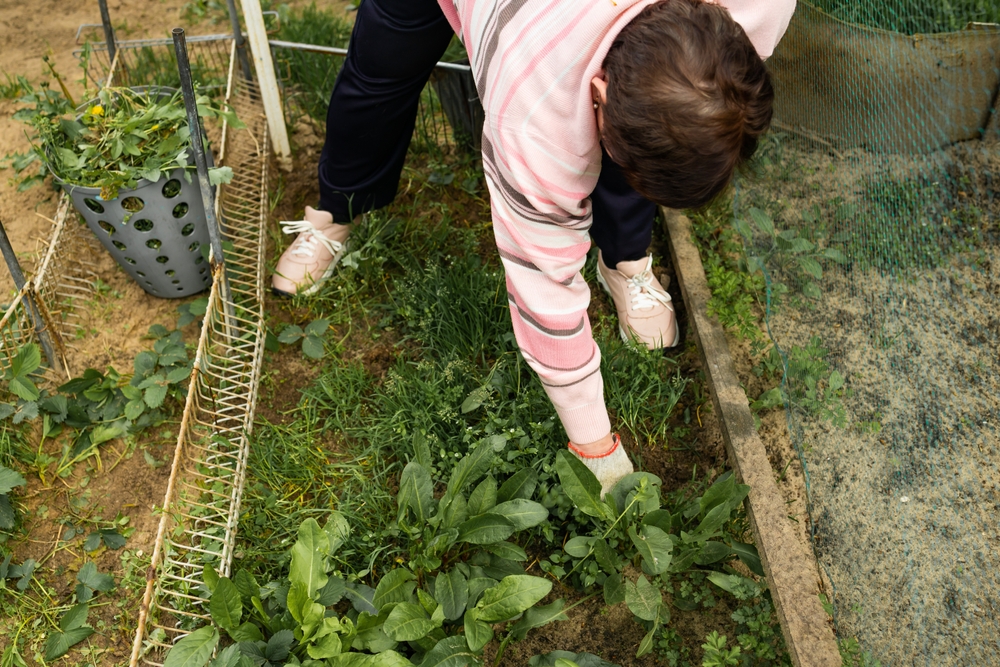
Common groundsel thrives in cool, damp conditions and reproduces at an alarming rate. It can complete its entire life cycle in just a few weeks, even during winter. The fluffy seed heads disperse easily, allowing it to spread far beyond its original location. Groundsel often appears in gardens, containers, and poorly maintained lawns. Prompt removal before seed formation is essential to stop reinfestation. Mulching and good sanitation practices help keep this fast mover in check.
9. Prickly Lettuce (Lactuca Serriola)
Prickly lettuce starts as a low rosette during winter before shooting upward in spring. Its spiny leaves and bitter sap make it unappealing and tough to handle once mature. This weed thrives in compacted soil and neglected areas, especially along fences and driveways. Winter is the best time to control it, when roots are shallow and manageable. Pulling it early prevents the deep taproot from fully developing. Long-term control improves with soil loosening and consistent ground cover.
10. Wild Garlic And Wild Onion (Allium Vineale)
Wild garlic and wild onion emerge early with slender, grass-like leaves that blend into lawns. Their strong odor gives them away when mowed or pulled, but by then they are often well established. These weeds grow from underground bulbs, which makes complete removal tricky. Digging out the bulbs during winter is far more effective than mowing in spring. Thick turf and proper fertilization reduce available space for these invaders. Selective herbicides can help, but patience is often required for full control.
Take Control Before Winter Weeds Take Over
Winter weeds may start early, but that means you get an early opportunity to stop them. Paying attention during the cooler months gives you a powerful advantage before spring growth explodes. Small actions now, like mulching, pulling young plants, and improving soil health, can save countless hours later.
Every yard and garden has its own weed stories, lessons, and surprises. Feel free to add your experiences, tips, or questions in the comments section below and join the conversation.
You May Also Like…
Here Are The 5 Most Aggressive Weeds During Winter
11 Sneaky Weeds That Look Innocent Until They Destroy Your Beds
Are You Accidentally Encouraging Weeds Without Realizing It?
9 Edible Weeds That Pop Up in September
10 Garden Tasks That Prevent Spring Weeds
The post 10 Winter Weeds That Start Early and How to Stop Them appeared first on Frugal Gardening.