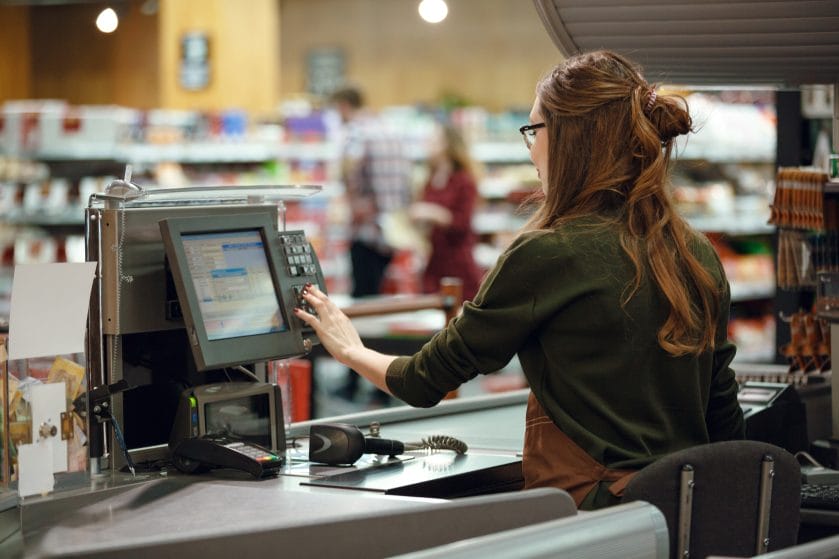
Couponing is a lifestyle that demands time, organization, and a tolerance for administrative tedium. For the average shopper who simply wants to lower their bill without managing a binder of paper clippings, the most effective savings strategies happen right at the point of sale. You do not need manufacturer discounts to slash your receipt; you simply need to change how you interact with the store’s inventory and checkout process. By leveraging store mechanics and avoiding psychological traps, you can engineer a discount of 15% to 20% purely through behavioral changes.
1. Weigh Your Bagged Produce
Produce sold by the bag—like potatoes, onions, or apples—is marked with a minimum net weight, such as “5 Lbs.” However, because these natural items vary in size, packing machines almost always overfill the bags to avoid legal trouble for underweighting. If you take three bags of potatoes to the scale, you will often find that one weighs 5.2 pounds while another weighs 5.8 pounds. Buying the heaviest bag grants you nearly a pound of free produce for the same sticker price.
2. Decode the Unit Price
The largest price tag on the shelf is a marketing tool; the small print in the corner is the truth. The unit price (cost per ounce or per sheet) strips away deceptive packaging shapes and sizes. A “Family Size” box of cereal might look like a deal at $6, but the unit price often reveals that buying two smaller boxes on sale yields a lower cost per ounce. ignoring the retail price and shopping solely by the orange “per unit” number is the fastest way to lower your bill.
3. Request a Price Audit
Scanner errors are remarkably common, and they almost always favor the house. Watch the screen like a hawk as items are scanned. If a sale price fails to trigger or a clearance item rings up at full retail, stop the cashier immediately. Many stores adhere to the “Scanner Law” or voluntary code, where, if an item scans higher than the shelf price, you get that item for free (up to a certain dollar limit). Vigilance is literally profitable.
4. Buy “Ugly” Produce
Retailers increasingly offer discounted bins for produce that is visually imperfect but nutritionally identical. Apples with hail spots or peppers with odd shapes are often segregated and sold at a discount of 30% to 50%. If you plan to chop the vegetables for a stew or peel the fruit for a pie, paying for cosmetic perfection is a waste of money.
5. Shop the Perimeter First
The center aisles are an architectural trap designed to sell processed, high-margin foods. The perimeter of the store houses the raw ingredients: produce, meat, and dairy. By filling your cart in the outer ring first, you leave less physical space for the expensive, boxed items in the middle. A cart filled with whole foods is almost always cheaper per meal than a cart filled with processed convenience boxes.
6. Pay with Cash

Friction is your friend. Swiping a credit card is a painless, abstract action that disconnects the brain from the reality of spending. Handing over physical bills triggers a “pain of paying” psychological response that naturally curbs impulse buying. If you bring exactly $100 cash to the store, you force yourself to prioritize essentials and put back the frivolous treats that would have easily slipped onto a credit card.
7. Bring Your Own Bags
In states with bag fees, bringing reusable sacks is mandatory for savings. However, even in states without fees, many stores offer a small credit (usually 5 to 10 cents per bag) for bringing your own. While small, saving 50 cents a week adds up to $26 a year—enough to buy a free week of coffee—simply for carrying canvas instead of plastic.
8. Avoid the Pre-Cut Trap
Convenience is the most expensive item in the store. A pineapple costs $2.99; a plastic container of cut pineapple costs $5.99. You are paying a premium of nearly 100% for three minutes of knife work. Buying whole produce and prepping it yourself is the single most effective way to lower your produce bill instantly.
9. Look High and Low
Marketers pay “slotting fees” to place expensive brands at eye level. The generic and bulk options—which are often chemically identical—live on the bottom shelf or reach-up-high top shelf. Stretching or crouching during your shop connects you with the items that have the lowest marketing markup.
10. Check Your Receipt Before Leaving
Once the transaction is closed, most shoppers crumple the receipt. Instead, pause at the exit and scan it. Did the “Buy One Get One” deal actually deduct? Did the cashier accidentally scan the grapes twice? Catching these errors before you leave the building is easy; fixing them over the phone later is a nightmare.
Saving money doesn’t require a pair of scissors or a smartphone app. It requires attention. By weighing your options, watching the scanner, and ignoring the convenience traps, you can keep your money in your pocket rather than donating it to the grocery store’s profit margin.
What to Read Next
How to Build a Zero-Waste Grocery List That Saves Money
The Pantry Challenge Phenomenon: How Eating Your Backstock Saves You $300
7 Store Brand Substitutes That Save More Than Standard Coupons
7 Coupon Stacking Strategies That Save the Most on Your Winter Grocery Bill
Why Checking Unit Pricing Could Save You More Than a Coupon
The post 10 Ways to Save at the Register Without Coupons appeared first on Grocery Coupon Guide.