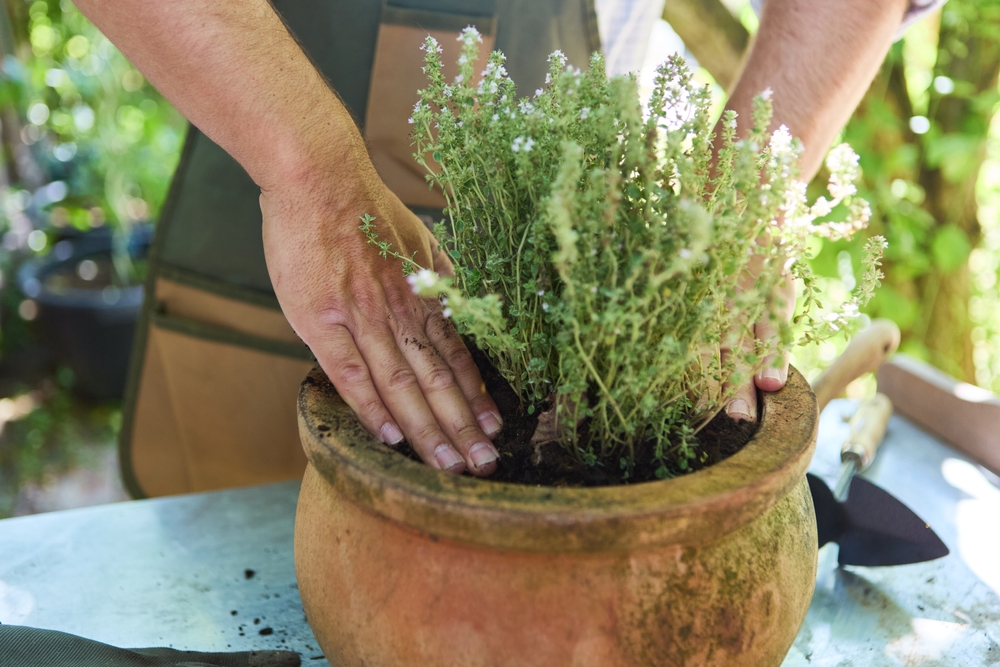
Winter is a bold, dramatic force. One day, your garden is alive with color, and the next, frost has transformed your backyard into a sparkling ice kingdom. For many gardeners, that magical frost comes with a not-so-magical problem: cracking pots. Nothing stings quite like stepping outside to find your beloved ceramic or clay containers split in protest after a hard freeze. But don’t despair—there are ways to outsmart the freeze and keep your pots intact all winter long.
With a little strategy, some creativity, and a dash of preparation, you can protect your outdoor containers and keep your garden looking sharp even when the mercury drops. Here’s how to armor your pots against the cold.
1. Move Pots Into Sheltered Areas
One of the simplest and most effective strategies is to relocate your pots to a protected spot. Think under eaves, inside a garage, or tucked against a house wall. Even a small windbreak can make a massive difference because freezing winds accelerate the cracking process. If space is limited, group pots close together—this creates a microclimate where they shield each other from harsh conditions.
Rotating your plants into spots that get sunlight during the day can also help keep temperatures slightly higher. A bit of planning and repositioning now can prevent heartbreak later.
2. Use Insulating Materials Around Pots
Wrapping pots in insulating materials is like giving them a cozy winter sweater. Bubble wrap, burlap, straw, or even old blankets can create a buffer against sudden temperature swings. For extra protection, consider double wrapping: first with bubble wrap, then a layer of burlap. Avoid tightly binding the material, as pots still need to breathe to prevent moisture buildup and mold. This method works particularly well for clay and terracotta pots, which are notoriously susceptible to cracking. Insulation reduces the rate at which water inside the pot freezes, drastically lowering the risk of splits.
3. Elevate Pots Off The Ground
Placing pots directly on frozen concrete or soil is an invitation for cracking. Cold surfaces pull heat away quickly, and water inside the pot can freeze faster than you’d expect. Elevating pots on bricks, wooden blocks, or pot feet allows air to circulate underneath, which moderates temperature fluctuations. It’s a small step that provides surprisingly big results. Elevation also helps with drainage, preventing water from pooling at the bottom and freezing, which is another major cause of splits. Even a few inches off the ground can make your pots much more resilient.
4. Choose Frost-Resistant Pot Materials
Not all pots are created equal when it comes to winter. Terracotta and ceramic are beautiful but fragile in hard freezes, whereas materials like resin, fiberglass, and certain plastics handle cold far better. If you know your region regularly plunges below freezing, consider investing in frost-resistant pots. These pots are engineered to expand and contract without cracking, giving you peace of mind. Even if you love the classic look of clay, mixing in a few frost-proof containers can save you from seasonal heartbreak. Material choice is a long-term strategy that pays off year after year.
5. Empty Pots Or Reduce Soil Content
Water is the enemy when it freezes inside a pot. If you leave pots filled with wet soil, the expansion during freezing can split even the sturdiest container. For plants that can survive relocation, emptying the pot entirely is safest. If that’s not possible, removing a portion of the soil to reduce freezing pressure can help. This method also makes it easier to move the pot to a sheltered area. For perennial plants, consider pruning and reducing soil volume in preparation for winter. Every little bit of extra space inside the pot decreases the risk of a catastrophic crack.
6. Apply Sealant To Vulnerable Pots
A thin layer of water-resistant sealant on terracotta or clay pots can make a dramatic difference. Sealants reduce water absorption, which is the main culprit behind winter cracks. Look for breathable sealants designed for outdoor use so your pots can release moisture without retaining it. Reapply annually before the first hard freeze for maximum protection. This extra step doesn’t just prevent cracking; it also enhances the pot’s color and longevity. Think of it as armor for your pots—practical and aesthetically pleasing.
7. Group Pots For Mutual Protection
There’s strength in numbers, even in gardening. Grouping pots together helps create a small zone where cold air is less aggressive. Pots shield each other from wind and temperature swings, and when you cluster them near a sunny wall, they also benefit from absorbed warmth. For extra insulation, surround the outer layer with straw bales or burlap.
This technique works particularly well for smaller pots, which are more prone to freezing than their larger counterparts. Smart grouping is a low-effort, high-reward strategy that pays off in winter durability.

8. Monitor Moisture Levels Carefully
Too much water in your pots during freezing temperatures is a recipe for disaster. Water expands as it freezes, and that expansion can split even the thickest pot walls. Reduce watering frequency as temperatures drop, and always check drainage holes to make sure water isn’t trapped inside. Some gardeners even poke extra drainage holes in older pots that are particularly vulnerable. While it’s tempting to keep soil moist for your plants, winter is a different game. Controlled moisture is one of the easiest ways to protect your containers from cracking catastrophically.
9. Use Pot Feet Or Risers
Pot feet aren’t just decorative—they’re functional. By lifting pots slightly off the ground, they improve airflow underneath and prevent frost from creeping up the sides. This extra space can also help water drain more efficiently, which, as we’ve mentioned, is critical to preventing cracks. Pot feet come in all sizes and materials, from terracotta to plastic, and they can be stacked or combined with insulation for extra protection. Small changes like this can make the difference between a pot surviving winter and ending up in pieces in spring.
10. Consider Temporary Covers During Extreme Weather
When a particularly harsh freeze is predicted, temporary covers can be lifesavers. Garden fabric, old sheets, or frost blankets draped over pots create an extra layer of protection. Make sure the covers don’t trap moisture against the pots, as this can be counterproductive. Remove covers during sunny periods to let pots breathe and prevent mold or mildew. This method works well in combination with insulation and grouping, giving your pots multiple layers of defense. Extreme weather calls for extreme—but manageable—precautions.
Protect Your Pots, Protect Your Garden
Keeping your outdoor pots intact through a hard freeze requires a mix of strategy, preparation, and a little creativity. From moving them to sheltered spots to using sealants, insulation, and temporary covers, every step counts toward saving your pots from winter heartbreak. Your garden doesn’t have to suffer when the cold hits—small interventions can make a huge difference.
If you’ve tried any of these techniques, or have your own clever winter-proofing tips, leave your thoughts or experiences in the comments below. Your insights might just inspire another gardener to protect their pots before the next freeze hits.
You May Also Like…
How to Save Your Pots from Cracking in the Cold (Without Buying New Ones)
8 Easy Seed-Starting Setups Using Stuff You Already Own
10 Winter Weeds That Start Early and How to Stop Them
Do Holiday Plants Belong in Your Outdoor Garden or Just Indoors?
6 Outdoor Mistakes That Could Trigger a Property Fine
The post 10 Ways to Keep Outdoor Pots From Cracking in a Hard Freeze appeared first on Frugal Gardening.