
When you say you’re running a marathon, everyone around you suddenly becomes an expert. Family members are full of unsolicited advice, friends start forwarding you fuelling strategies on Instagram and colleagues are constantly warning you about “the wall”. But wouldn’t it be better to take advice from more qualified sources?
To provide guidance you can trust, I interviewed a selection of bona fide marathon specialists: running royalty Eliud Kipchoge, four-time Olympian Eilish McColgan, world and Olympic champion triathlete Alex Yee, leading ultra-runner Tom Evans and University of Bath applied sport scientist Jonathan Robinson.
Below, they share their top 10 marathon tips, with each one geared towards helping you improve your time, performance and overall experience.
So, whether it’s your first 26.2 miles or you’re a marathon veteran looking to topple a previous PB, read on for pearls of wisdom you can apply to your training, big day and beyond.
Build the base of the pyramid
“Think of your preparation like a pyramid,” says Robinson. “The bottom of the pyramid includes rest, recovery, sleep, hydration and nutrition – if all of those basic things are right, you can then start to build everything else on top of it.
“Whereas if your nutrition isn’t great, you're sleeping badly and you’re not recovering, no fancy shoes or sports drinks are going to be hugely beneficial on the day because your performance is built on shaky foundations.”
In other words: nail the basics, whether that’s getting a solid quantity and quality of sleep each night or making sure you’re eating a nutritious diet to support the high training load marathon-prep entails. This will improve your performance, reduce your risk of injury and make the whole process far more enjoyable.
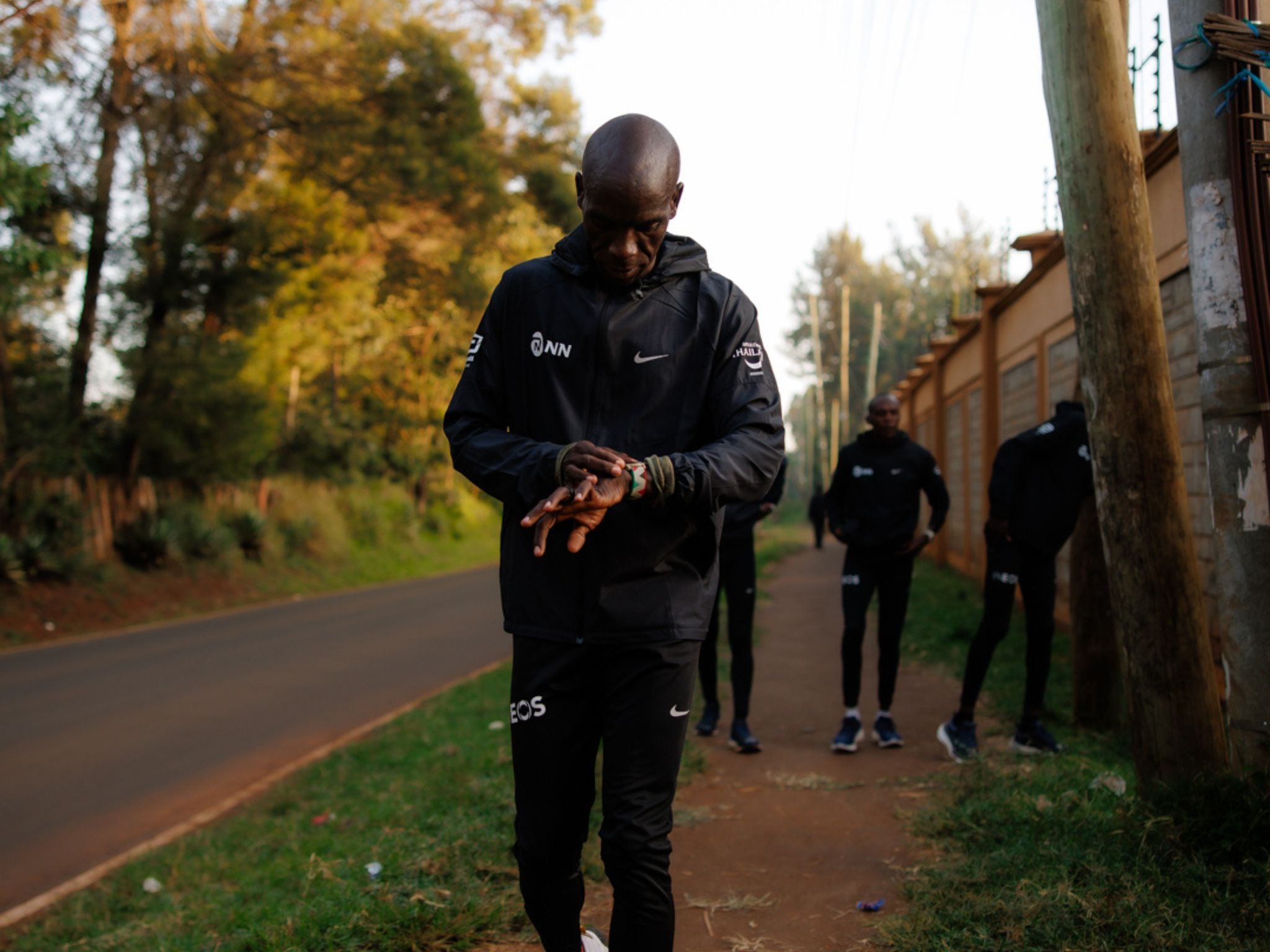
Someone who knows this only too well is Eliud Kipchoge.
“I have a well-balanced running programme that focuses on endurance, speed and tempo,” he tells The Independent. “But strength and core exercises, and stretching, are also needed to maintain a healthy body.
“I do ice baths and massages. I follow a nutritious diet that strengthens the body, and I have a good fuelling strategy during training and races to keep energy high.
“The body also needs its rest, so I go and rest during the day and sleep enough hours. I read books, I have fun and I have good conversations with my teammates, family and friends to keep a well-balanced and happy mind.”
Read more: Best treadmills for upgrading your at-home workouts
Nothing new on race day
This is one of the most common mistakes marathon runners make, and it’s easy to see why. Race day is exciting, with many events now featuring vendor villages where you can find blindingly bright shoes and buckets of free energy gels. But our experts’ advice is to swerve all of it.
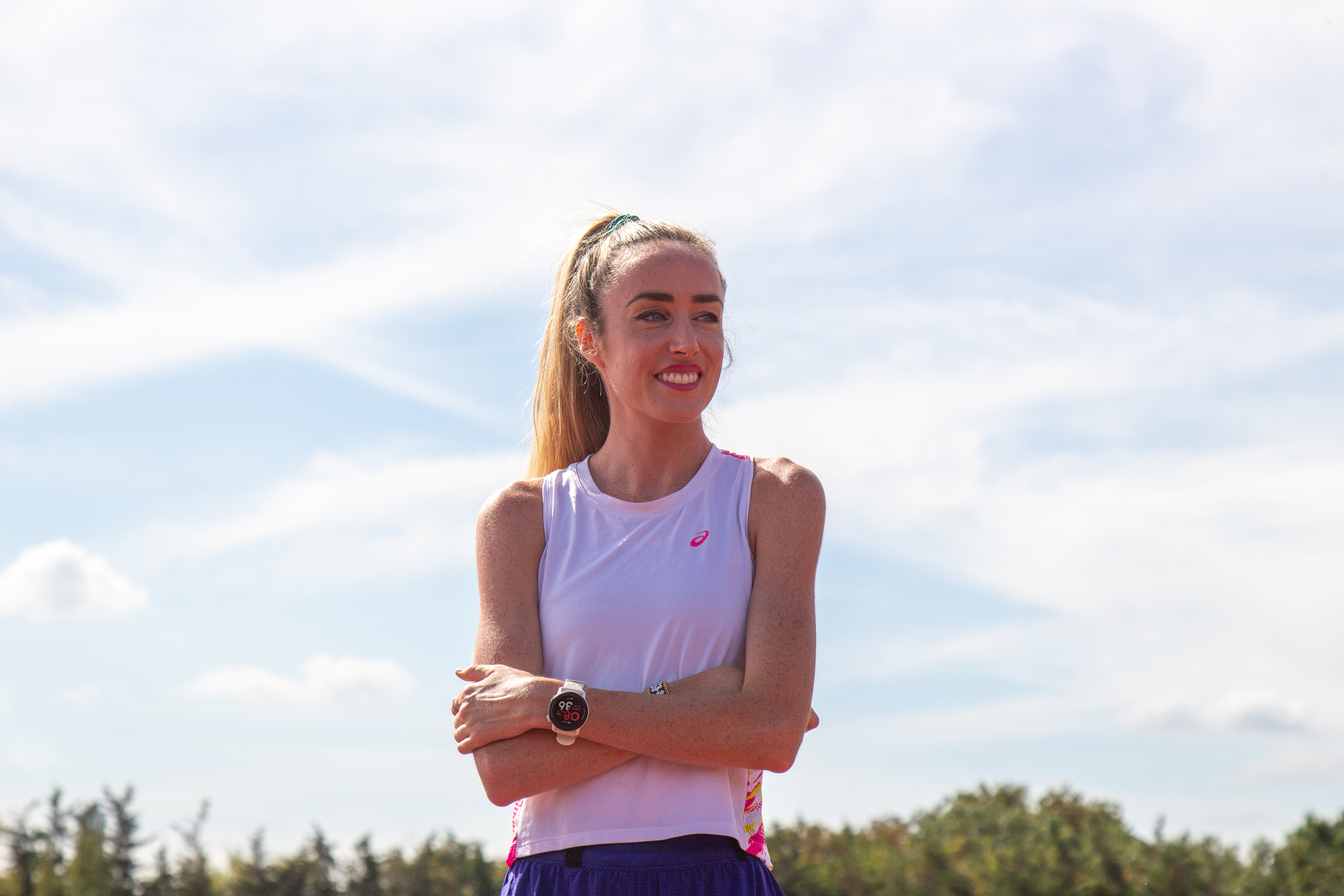
“Don’t try anything rogue on the morning of the race,” says McColgan. “Don’t try a new gel or drink or food. Don’t wear a new pair of shoes or socks – even clothing. Keep your routine exactly the same.
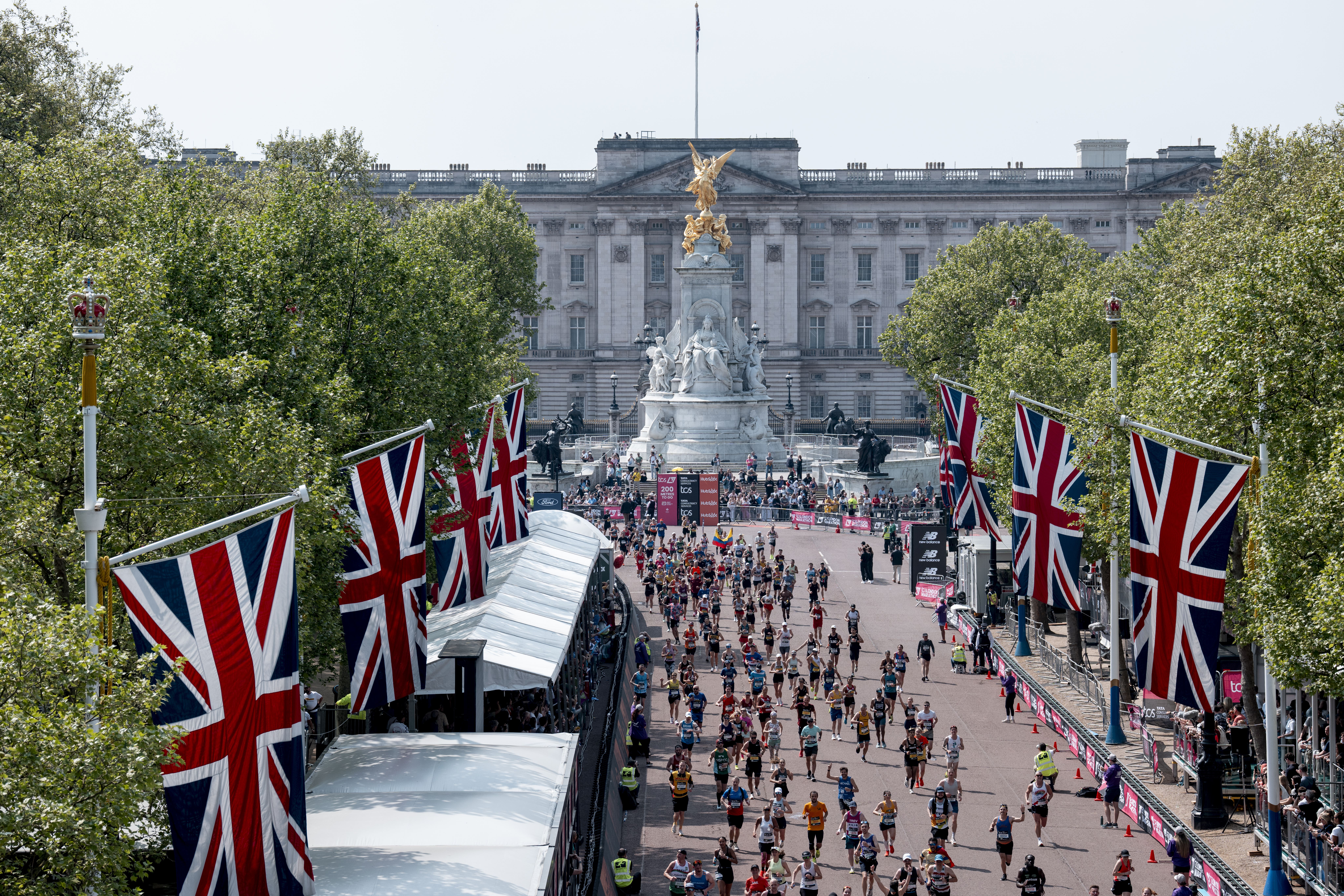
“Myself and my partner do online coaching, and people often fall into this trap. Someone’s friend swears by a certain gel and so they think, ‘Oh yeah, I’ll try that.’ Or they go to the London Marathon expo, get excited, and pick up new products they haven’t seen before. It’s just a recipe for disaster. Training is the time to try those, not race day.”
Robinson agrees, adding that you should subject anything you’re going to use on race day to a trial period; six weeks should do. This approach might save you from blisters, a bit of gastrointestinal distress or worse come marathon time.
Read more: I’m a fitness editor and these are by far my favourite running shoes
Give yourself plenty of time to prepare
A marathon is no walk in the park; you don’t need me to tell you that. It’s a huge stress on the body, so you need to prime yourself to tackle the event. That means giving yourself plenty of time to prepare, and gradually increasing your training load over time.
“Most people can’t train for a marathon in a couple of weeks,” says Robinson. “As a rule of thumb, the number usually suggested is around 20 weeks of planned training, but clearly that will vary depending on your circumstances. If you’ve never run before, this number is going to be very different [much higher] to someone who runs marathons every year. But more is usually better.”
Read more: 11 best women’s running leggings that will help you go that extra mile
Fine-tune your nutrition
The consequences of getting your nutrition wrong range from a slight stomach ache to unplanned evacuations, so it pays to plan it carefully. That means having nutrition and hydration strategies that go beyond “eating when hungry and drinking when thirsty”, and trialling these in advance to make sure they fit your specific needs.
“We’ve done sports drinks studies with athletes, and you can have something that is perfect in theory, but if the athlete doesn’t like the taste of it or it upsets their stomach it’s obviously no good,” says Robinson.
“You have to balance what the advice says you should be doing with what you can actually do and tolerate. Make sure you’ve planned and trialled what you’re going to eat and drink so you know how much you can drink without making yourself feel sick, and how your body reacts to food. Not everybody can tolerate energy gels. They give some people upset stomachs and diarrhoea, which isn’t exactly beneficial during a race.”
You don’t want to eat too much, but you don’t want to underfuel either – this can lead to “bonking”, where the body runs out of glycogen, leaving your body with limited energy to draw on. To avoid this, Robinson recommends optimally loading up on carbohydrates before and during a race. He points to information from nutritionist Asker Jeukendrup as a good guide on how to do this.
“Consuming a little more carbohydrate than normal at the expense of some protein and fat [in the day or days before a race] will ensure that you are filling up your muscle glycogen stores without gaining weight,” the guide states.
On the day of the race, Jeukendrup suggests consuming a breakfast containing 100-200g of carbohydrates three to four hours ahead of the event, and 20-30g of carbohydrates with 90-180ml of water 15-30 minutes before the starting pistol sounds – a gel is a popular choice here. Runners can then benefit from 60g of carbohydrates per hour during the race, but he advises gradually working up to this amount in training.
Good race-day carbohydrate sources include refined grains, white rice, rice-based cereals, white bread or bagels, cooked fruits, vegetables and potatoes, ripe bananas, rice cakes, honey, syrup and pulp-free juice, Jeukendrup says. Some of these inclusions might seem oddly specific, but this is because – particularly for athletes who often experience stomach problems – Jeukendrup recommends steering clear of foods that are particularly high in fibre, fat and protein in and around your race.
Read more: Best energy gels for running, recommended by experts
Wear the right gear
Buying a snazzy pair of running shoes won’t transform your fitness levels, but it’s still important to make sure your race-day clobber is up to snuff.
“This is a simple one, but a lot of people are wearing shoes that aren’t right for them,” McColgan says. “They see something on Instagram that’s a nice colour or looks good, but actually it might be completely the wrong shoe for their running gait. To solve this, a lot of shoe stores will now put you on a treadmill and help you find a pair that’s right for you.”
You should also test every item you plan to wear on race day, ensuring it’s fit for purpose, and check the weather conditions for the race to make sure you’re appropriately dressed – you don’t want to be overheating or sodden when mile 20 rolls around.
Read more: A flexibility expert says these are the three best stretches for fighting tight hips
Strength training
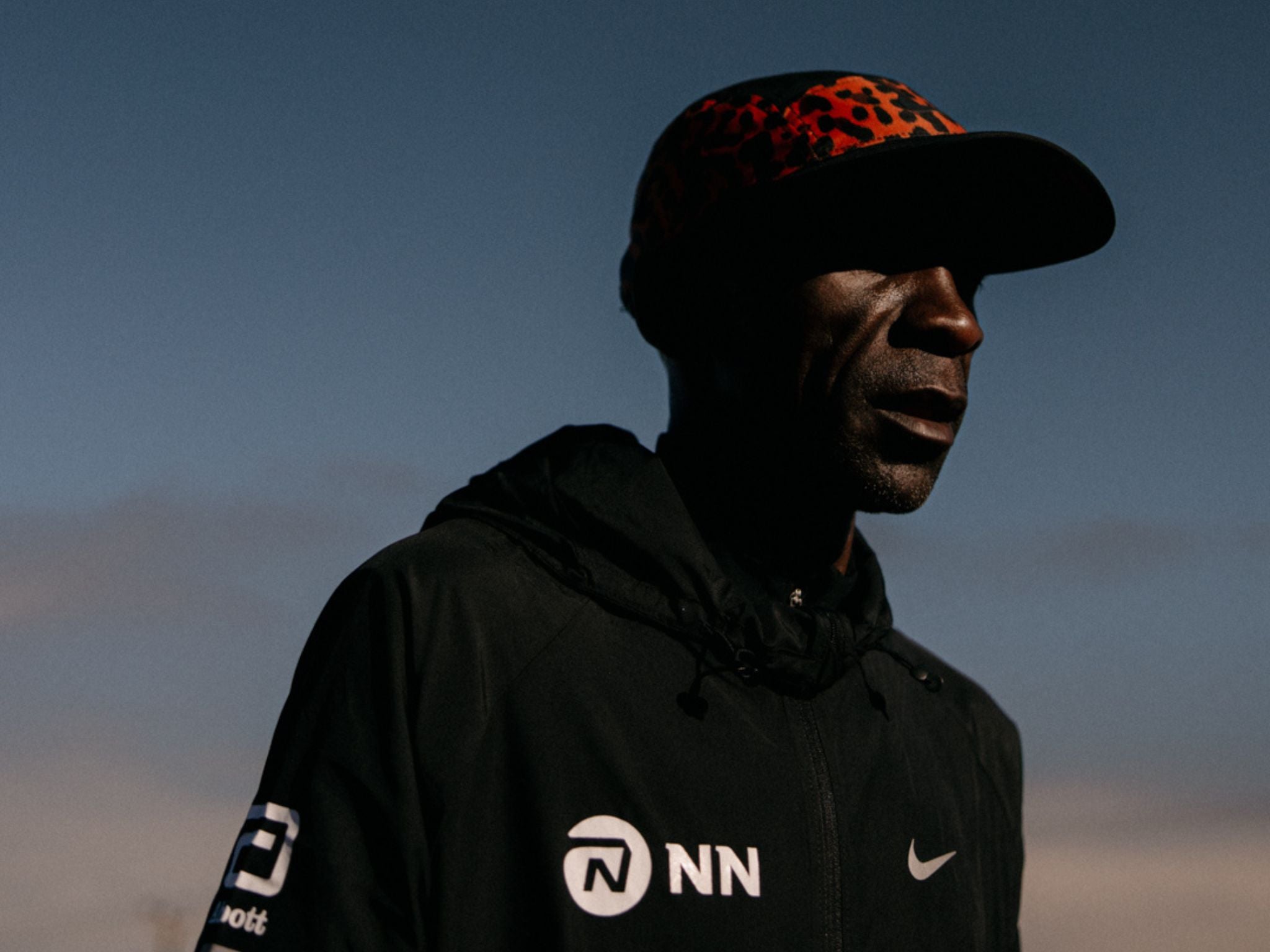
If Kipchoge, the greatest marathoner of all time, says strength training is “crucial” for performance, it’s probably worth weaving into your training routine.
“A lot of longer distance runners think they don’t need strength training, but I think it’s really good for injury prevention,” says Robinson. “The main advice is to do something rather than nothing. You don’t want to be trying to build up bulky muscles, but you do want to be doing some kind of muscular endurance work.”
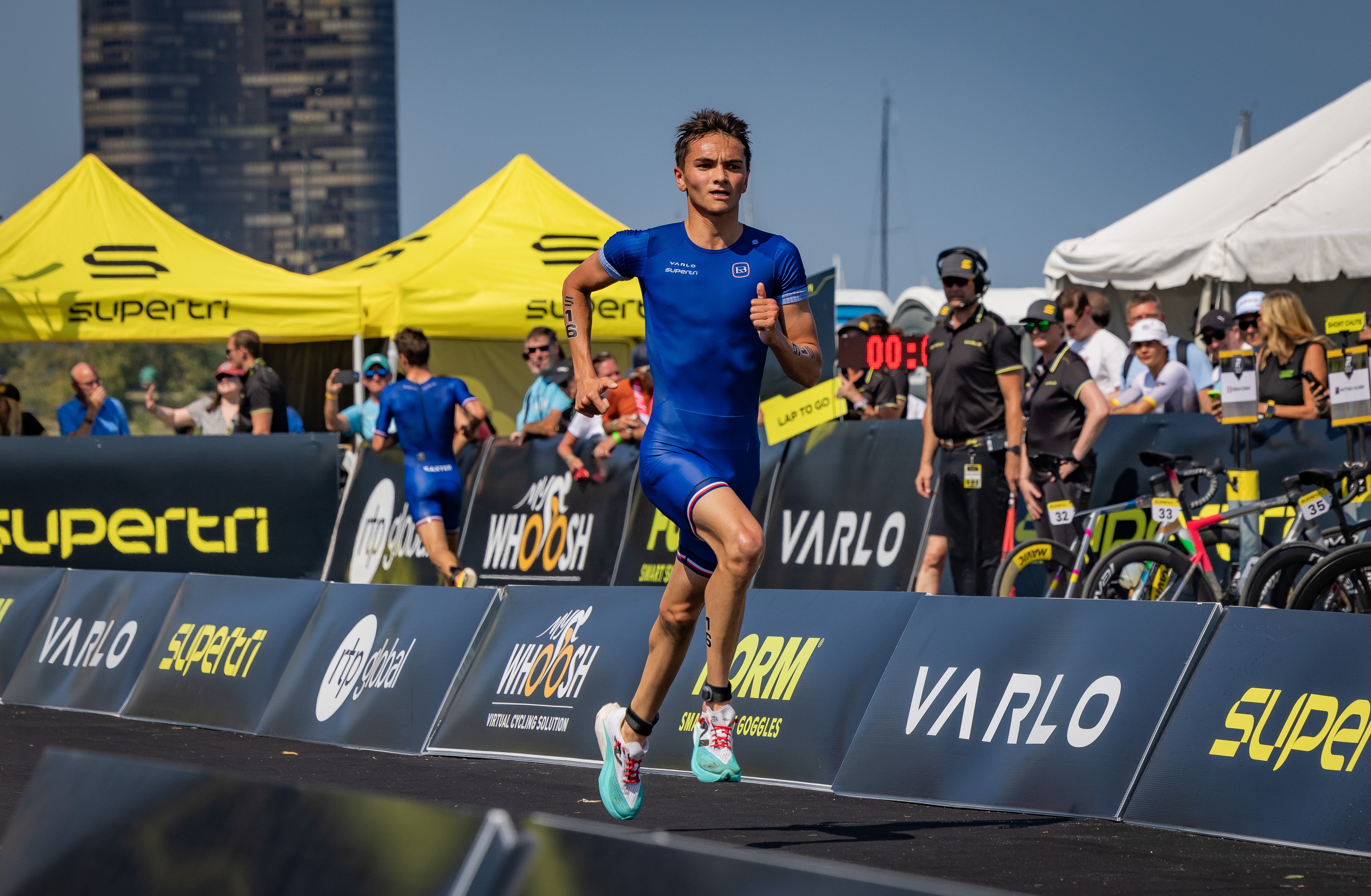
When I spoke to Olympic triathlon champion-turned-talented marathoner Alex Yee, he told me he does two 60 to 75-minute strength sessions per week, focusing largely on “lower limb conditioning”.
“It’s just so I can tolerate the mileage I’m doing,” he says. “There is a lot of isometric work [where the muscles remain the same length, such as in a wall sit or plank], making sure I have the stiffness needed through my tendons, ligaments and calf muscles.”
One of his go-to exercises for building more robust lower legs is the isometric calf raise on a leg press machine. This involves pushing the platform away with the forefoot so only the ball of the foot and toes are touching it, then holding this position for 20 seconds, and repeating this four times.
Read more: Forget the gym – build full-body strength anywhere with this trainer-approved kettlebell workout instead
Cross-training
Cross-training simply means combining a variety of exercise types into your training plans – subsidising your running with strength training is one example of this. By doing this, you can lower your risk of overuse injuries and alleviate a bit of boredom too. After all, if you’re training for a marathon, it’s likely you’ll become all too familiar with your go-to running routes.
“You can train aerobically without running all the time,” says Robinson. “It could be cycling, aqua jogging or anything like that. If you have an injury or a niggle, cross-training could help avoid aggravating it or making it worse.
“Cross-training is beneficial for the cardiovascular system. Clearly it’s not the same as running, but it can supplement your running training. Quite often athletes will add another aerobic session into their week, but they’ll do it on a bike or a cross trainer just to get that cardiovascular work in without putting so much load on the body.”
This is a practice McColgan has sworn by since having surgery on her foot in 2011. She started using an elliptical while recovering as a low-impact way to keep her heart and lungs ticking over, then kept these zone two evening sessions in her training plans after noticing improvements in her performance.
“People find it quite unusual when they see me on a cross trainer in the evenings,” she says. “Initially, I used it when I couldn’t run because of pain in my foot. Now I have no pain, but it’s still something I’ve kept in my training plan because it’s worked for me.
“[After adding elliptical sessions into my week] I started making big improvements and running big PBs, then I made my second and third Olympic games off the back of cross training, so it’s just been this training aid that I stumbled across because I couldn’t run, and I’ve continued with it.”

Read more: 8 best kettlebells for building strength and fitness at home, tested by our expert
Use data to train smarter
Data and tracking are your friends if you want to optimise your training, McColgan and Robinson agree.
“We do VO2 max and lactate threshold testing at the University of Bath, but people don’t have to do a test with us; they could use a facility like us, or some sort of estimation through a smartwatch or wearable device,” says Robinson.
“It’s good for giving you an idea of the pace you’re actually meant to be running. People will come to us, we’ll do a test, and I’ll be able to say, ‘Based on this data, you could run a marathon in this time’. In order to do that, this is where your zone three [heart rate] training should be, this is where your intervals should be, and so on.
“I think that’s really beneficial. Rather than people just going out and running, it gives them an idea of how fast they should be running so they’re working at the right intensity.”
This approach links to the idea that you should use a variety of types of run to improve your performance, rather than setting out to run as fast and far as you can each session. These might include recovery runs, base runs, long runs, fartlek training, tempo runs and even intervals and speed work for more experienced athletes.
Read more: 12 best running watches to help you improve speed and endurance
Pace yourself cleverly
Thanks to Garmin, Coros and high-tech trackers like Whoop, real-time performance insights are no longer the reserve of elite athletes. And it pays to use this information wisely if you want to maximise your training.
“Getting a watch with a good GPS can really help,” McColgan says. “I use the Coros Pace 3 (£219, Coros.com) but obviously there are lots of watches out there. Just getting a gauge on the pace you’re going can really help, stopping you from going off too fast and burning through all of your energy straight away.”
Robinson recalls helping an experienced marathon runner shave roughly 10 minutes off their PB, simply by using data to rethink their pacing strategy.
“He always used to go out too fast then really suffer in the last half of the race, so we did some tests then prescribed a slower pace to start with,” he tells me. “The athlete was able to maintain that slower pace, rather than going ridiculously quickly at the start then suffering later on. He hadn’t become any fitter since we tested as it was only a couple of weeks before the race, he’d just got to know his body a little bit better, so pacing and planning are key.”
Read more: Best exercise bikes for hitting your fitness goals at home
Find your ‘why’
A marathon tends to last anywhere between two and six hours. That’s a long time to be left with your own thoughts, so reaching the finish requires an iron mindset as well as a robust body.
For tips on cultivating this, I turned to an expert; ultra runner Tom Evans, whose races often involve 100 miles or more of far-from-flat terrain.
“The mindset is really important, and for me the most important thing is the ‘why’,” he tells me. “’Why am I bothering to do this?’ If you have a strong why, you’re so much more likely to be able to pull things off.”
This might be chasing a PB, running for a loved one or raising money for charity. However, covering the distances he does, Evans says he’s often spurred on by a sense of adventure.
“I want to see how far you can push the human body,” he says. “It’s really exciting to be able to cover such a huge distance and prove to yourself and other people what you’re capable of, as well as what the human body is capable of.”
Read more: I tried Alex Yee’s running workout and it humbled me in just 40 minutes
19 best women’s running shoes, tested by experts
11 best running shoes for men to hit your 2025 fitness goals
A sports scientist reveals how to avoid a stitch while running
Is the rise of endurance sports a harmless health kick – or dangerous addiction to adventure?
How to prevent muscle loss when using weight-loss drugs, according to science
How I’ve stopped body-shaming myself in the age of Ozempic
I tried the Royal Navy’s new fitness test – and it wasn’t what I expected