1) Feelings are still running high, particularly on the ‘yes’ side...
Our readers have always been engaged on this issue, but the scale of the response to our call-out for views exceeded expectations: we quickly recieved thousands of responses, plus plenty of debate on Twitter. Feelings on the referendum ranged from the succinct (“shite!”) to the more considered.
Of the 2,000 responses at the time of writing, just over 10% said they voted no in the referendum, with a large majority of views coming from yes voters. But we got views from all sides, including those who have changed their minds on independence since last September, and those who are undecided how they would vote in the event of another referendum.

2) ... but ‘no’ voters are angry too, particularly with the idea of a new referendum
Scotland’s first minister, Nichola Sturgeon, has warned of a second referendum unless the Tories change course over austerity and Trident. This won’t be welcome news for our respondents from the no side, who feel it’s far too early to consider another referendum.
“I’m fed up with talk of independence, said one voter from Kirkcaldy. “The vote was no and that needs to be accepted by the SNP. Move on and work to improve Scotland within the UK.”
3) There is a lingering resentment among SNP voters over “the vow”
Fearing a yes vote, UK party leaders from Labour, Conservatives and the Liberal Democrats signed a pledge assuring extensive new powers for Holyrood if Scotland voted no. Suffice to say, not too many feel this promise has been met.
1 year on from the Vow and PM @david_cameron still not delivered what was promised #PMQs http://t.co/iQcu1m6k5a pic.twitter.com/GSfGoeoTaB
— Angus Robertson (@AngusRobertson) September 16, 2015
“Despite electing 56 SNP out of a total of 59 Scottish MPs we are again subject to the policies of a government we did not vote for, and whose austerity measures are impacting disproportionately on the poorest in society,” said Lynn Wojciechowska in Paisley.
“The UK Government have no intention of honouring the ‘vow’, or even the watered down version known as the Smith Commission. The Scotland Bill has been stated to be inadequate by numerous groups and individuals, but the Government has accepted no amendments. This is beyond frustrating.
“The vow will be the end of the union,” said Sean Pearson of Coatbridge.
4) There’s a growing feeling that eventual independence - or at least another referendum - is inevitable
This view was common from voters on both sides of the debate. “A year on and the referendum feels like unfinished business,” said Donald MacPhee from Glasgow.
“There’s a weary acceptance that Independence is inevitable eventually,” said Keith Grant, from Perth. [It] remains a heroic and blind leap into the dark.”
“A big win next year by the SNP and other independence-supporting parties with a promise to hold a referendum as soon as favourable conditions materialise, and a manifesto pledge in the 2020 Westminster election to hold the referendum in 2021 would be the way to go for me,” said Greg Craig in Lanarkshire.
“If the SNP are rejected in 2020 and or 2021 then we’ll know its not what the country wants and that’ll be the end of it.”

5) People remain engaged in politics...
We heard from plenty of readers who got involved in politics for the first time during the referendum, who carried on their organising and campaigning energy into the general election.
“People seem to be more politically minded, said James Laws in Edinburgh. “They haven’t just gone back to business as usual. They’re keeping an eye on to see what’s happening.”
“This has all been energised by the young voters, to whom the future belongs,” said William McKinlay in Stirling. “As an old man, and someone who voted yes, I have no doubt that those same young people, will carry this agenda forward. “
6) ... but some ‘no’ voters fear the atmosphere created by the referendum has soured
The good-natured and boisturous debate we saw in the leadup to the referendum was a nice advert for the health of politics in Scotland, as an exercise in engaged democracy, with packed meetings and rallies followed by a high turnout. But now we’re one year on from the referendum, some no voters we heard from said things had got worse, particularly since the election.
“The mood in Scotland is bitter, said Jill Stephenson in Edinburgh. “The country is divided, almost in half, and these divisions will take decades to heal.”
“Nationalists are buoyant and loud, unionists are defeatist and quiet, the topic has stopped being an exciting thing we can all discuss and has become a fun-sponge which nobody wants to talk about because it’s poisonous, divisive and leads to shouting in cafes,” said Jacob Howarth in Edinburgh.
“I’ve lost friends of over 40 years because of [the referendum] so I feel I’m suffering ideologically, personally and emotionally,” said Keith Stoddart in Glasgow.
“The country is still very polarised - folk are still in their silos sniping at each other, instead of [being] an united anti austerity force”

7) Anger at the Westminster government is strong...
Westminster doesn’t have a brilliant reputation across the whole of the United Kingdom, but it was used largely as a swear word by our Scottish readers.
“It’s frustrating,” said Scott Dearden in Glasgow.
“There is a strong feeling that the pro-UK parties have been bad winners, gloating and back peddling on promises. This explains partially why Labour was punished so severely at the polls. Trust with Westminster is at an all time low.”
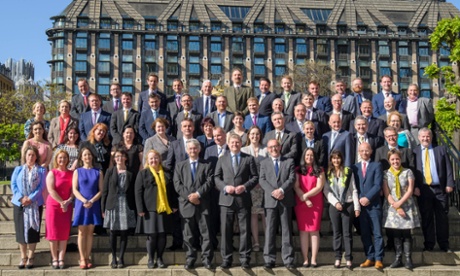
8) ... but it’s going to be very hard for Labour to regain parliamentary seats lost to the SNP, even with Corbyn as leader
Given the spectacular swing to the SNP at the general election, it’s going to be very difficult for Labour to make inroads any time soon, even with a leader more in tune with Scottish concerns over Trident, austerity and privatisation.
The Smith Commission was a disaster for the Labour Party in Scotland,” said Dawn Lindsay in Glasgow.
“It transpired that it was the Labour Party that were dragging their heels and wanting to hand over the least amount of powers to Holyrood than any other party in the talks. This was when I resigned my membership of Labour.
“Would things be different if Corbyn was leader back then? I don’t know but I get the feeling his appointment as leader is now seen as too little too late in Scotland.”
9) A lot of people are still angry at the media
A lot of people in Scotland haven’t forgotten what they consider the “hysterical” tone of certain portions of the media during the referendum and in the leadup to the general election in particular.
“The media’s behaviour, especially the Daily Mail and the Telegraph, created an ‘us against them’ feeling amongst a lot of people,” said Kevin Hattie, in Glasgow.
“It became clear that many politicians, who had previously asked Scotland to remain a part of British democracy, were now feeling that the Scottish people’s decision to vote for the SNP was a threat to democracy somehow.”

10) Some are still coming to terms with five years of the Tories
There was a lot of sadness and regret from Labour members in Scotland, who felt that the collapse of their party’s vote north of the border had significantly contributed to the unexpected Conservative election victory. “I’m deflated, bitter and subdued,” said one. “We didn’t expect a Tory majority government.”
Eilidh Rothach in Edinburgh, a yes voter, took a different tack, and was furious that so voters in England decided to vote for David Cameron.
“People are unsurprised, but still angry, that England voted in a Tory majority in May, and that they now have free reign to keep destroying our welfare system, privatising our NHS, and lining the pockets of their rich banker friends. We’re back to feeling pretty helpless in Scotland.”