
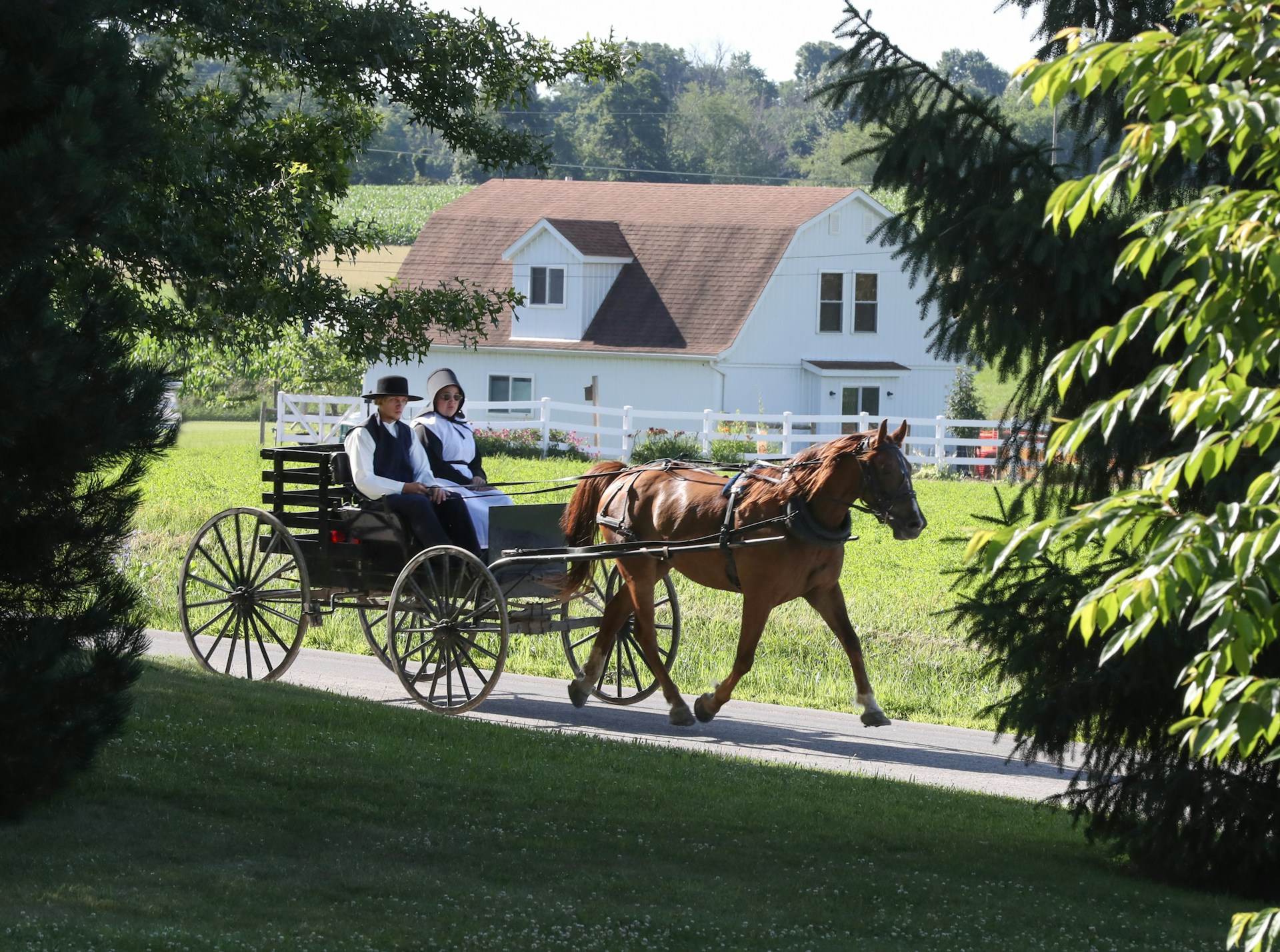
The Amish are often seen as the ultimate symbol of simplicity: horse-drawn buggies, plain clothing, and a life free from modern distractions. Yet, beneath this image of strict uniformity, Amish traditions are far more flexible than outsiders realize. Different communities interpret rules differently, and some practices outright defy the Ordnung, the unwritten code that governs daily life. These surprising exceptions reveal how Amish culture adapts in subtle ways to modern realities. Here’s a look at 10 surprising Amish practices that actually defy some of their own rules.
1. Running Thriving Businesses Online
Despite rules against personal internet use, many Amish families operate successful businesses that rely on websites. They often partner with non-Amish associates to manage online sales and marketing. Amish furniture, quilts, and produce are sold worldwide, proving their entrepreneurial spirit. This practice bends Amish traditions by embracing modern commerce while avoiding direct digital involvement. It’s a clever workaround that sustains their communities financially.
2. Using Cell Phones in Secret
Officially, cell phones are discouraged because they connect Amish life too closely to the outside world. Yet, many Amish quietly keep phones for business or emergencies. They may hide them in barns or workshops, using them discreetly when necessary. This practice shows how Amish traditions bend under practical needs. Technology becomes acceptable when it supports survival or livelihood.
3. Driving Cars Through Outsiders
Amish rules forbid owning cars, but they frequently hire “English” drivers for transportation. Known as “Amish taxis,” these arrangements allow them to travel long distances without breaking rules directly. It’s a fascinating loophole that balances tradition with practicality. While they won’t own vehicles, they recognize the necessity of modern travel. This compromise highlights the adaptability of Amish traditions.
4. Using Electricity in Businesses
Homes remain off-grid, but Amish businesses often use electricity to compete in modern markets. Workshops may run power tools, and dairies may use refrigeration. The distinction lies in separating home life from commerce. Amish traditions bend here to ensure economic survival. It’s a striking example of selective modernization.
5. Wearing Modern Clothing for Work
Plain dress is a hallmark of Amish identity, yet exceptions exist. Some Amish wear modern work gear like reflective vests or protective boots. These items are practical for safety but clash with traditional clothing rules. Communities often allow such compromises when safety is at stake. Amish traditions prove flexible when practicality outweighs symbolism.
6. Accepting Modern Medicine
While many Amish rely on herbal remedies, they do seek modern medical care when necessary. Hospitals and doctors are consulted for serious conditions, especially childbirth or emergencies. This practice defies the stereotype of total rejection of modern medicine. Amish traditions bend here to protect life and health. It’s a reminder that practicality often trumps ideology.
7. Using Solar Panels
Electricity from the grid is forbidden, but solar panels are increasingly common. They provide power for essentials like refrigeration or lighting without violating rules against public utilities. This creative solution blends tradition with sustainability. Amish traditions adapt here to meet modern needs while staying off-grid. It’s innovation wrapped in simplicity.
8. Allowing Photography in Certain Cases
Photography is generally discouraged because it promotes vanity, yet exceptions exist. Some Amish allow photos for business catalogs or tourism. Others tolerate family pictures taken by outsiders. These practices bend Amish traditions to accommodate economic or social realities. It’s a subtle but telling shift in cultural boundaries.
9. Using Modern Banking Systems
Cash is common, but Amish families also use banks for savings and business transactions. They may avoid credit cards but still rely on checking accounts. This practice defies the stereotype of total financial isolation. Amish traditions bend here to ensure security and convenience. It’s another example of selective modernization.
10. Participating in Politics Quietly
The Amish avoid overt political involvement, yet some communities vote in local elections. While they don’t campaign or hold office, they recognize the impact of civic decisions. This practice bends Amish traditions by engaging with the “English” world. It’s a quiet acknowledgment of shared responsibility. Even in politics, Amish traditions adapt when necessary.
Tradition Isn’t Always Black and White
The Amish are often portrayed as living in strict opposition to modern life, but reality is more nuanced. Amish traditions bend, adapt, and evolve in ways that surprise outsiders. These practices show a culture that balances faith with practicality, preserving identity while navigating modern challenges. Far from being rigid, the Amish demonstrate resilience through selective adaptation. Their story is one of tradition meeting reality and finding creative ways to coexist.
Which of these surprising Amish practices shocked you the most? Share your thoughts in the comments.
What to Read Next
9 Survival Essentials the Amish Always Keep—Do You Have Them?
8 Survival Skills That Could Save Your Life, Experts Say
10 Dirty Jobs That Pay Better Than Your Office Gig
8 Off-Grid Lifestyle Habits That Now Raise Red Flags Online
Why Lifestyle Choices Sometimes Call for Fast Financial Solutions
The post 10 Surprising Amish Practices That Defy Their Own Rules appeared first on Clever Dude Personal Finance & Money.