While home insurance rates have soared over the past few years, there are a few states where homeowners are paying well below average premiums to protect their homes.
The national average home insurance premium in July was $2,490 per year for dwelling coverage of $300,000, according to the latest data from Nerd Wallet. But each state listed below pay rates that are at least $950 lower than that national average for the same coverage.
Here are the seven cheapest states for home insurance and some of the reasons why.
7 States with the Cheapest Home Insurance
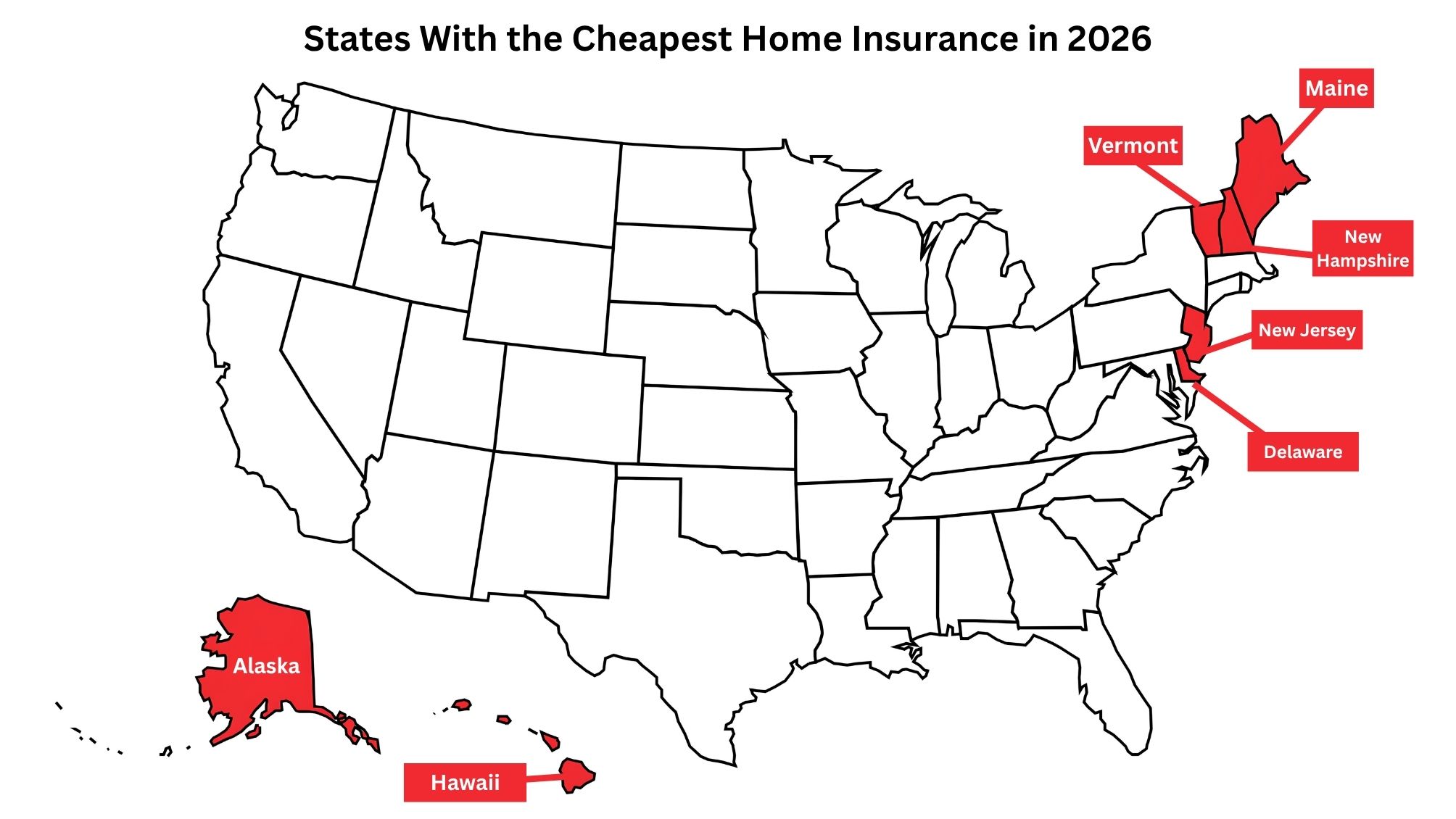
While the seven states below are enjoying the lowest average home insurance rates in the country, it’s worth noting that this only applies to standard policies.
Standard insurance is important, but there are a few surprising things home insurance won't cover. For those uncovered risks, homeowners need to buy additional coverage to make sure they're fully covered against every threat their home faces.
1. Hawaii

The average annual home insurance premium in Hawaii is just $900 per year, according to Nerd Wallet. While the promise of cheap insurance and island living might tempt you to move to the Aloha state, there's an important exclusion homeowners need to consider first.
While standard policies in just about every other state cover wind-related damage, wind is an excluded peril in Hawaii. Homeowners living here need to buy supplemental hurricane insurance on top of flood insurance to be fully covered against storm damage.
2. Vermont
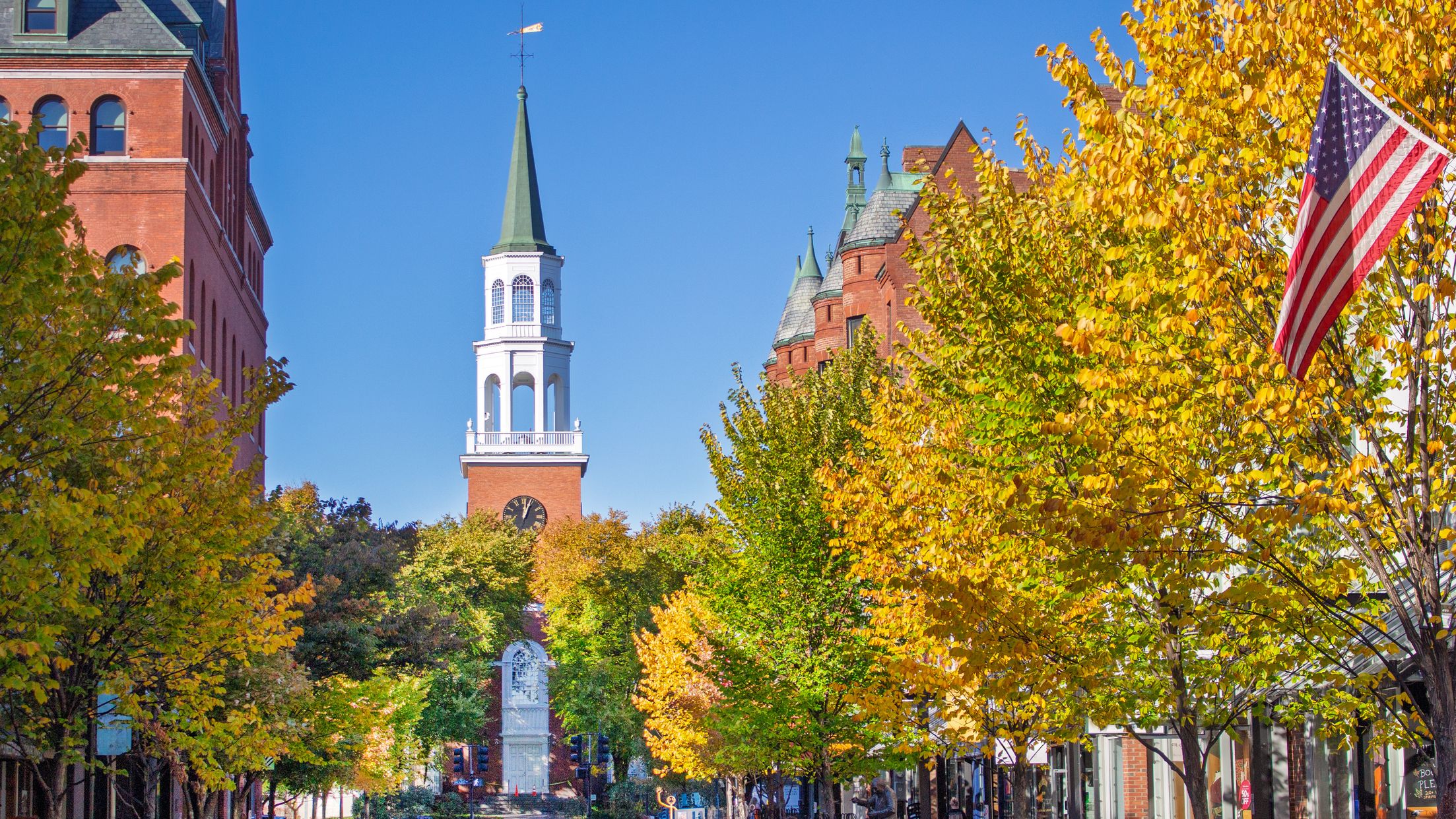
Coming in second place for the cheapest home insurance in the United States is Vermont. Homeowners in the northeastern state pay just $1,170 per year on average. That's $1,320 less than the national average.
The low rates are because Vermont is one of the safest states in the country. Though some parts are at high risk of flooding. So, if you live here, double-check the FEMA Flood Map to find out if you're in one of those high-risk zones.
3. Delaware
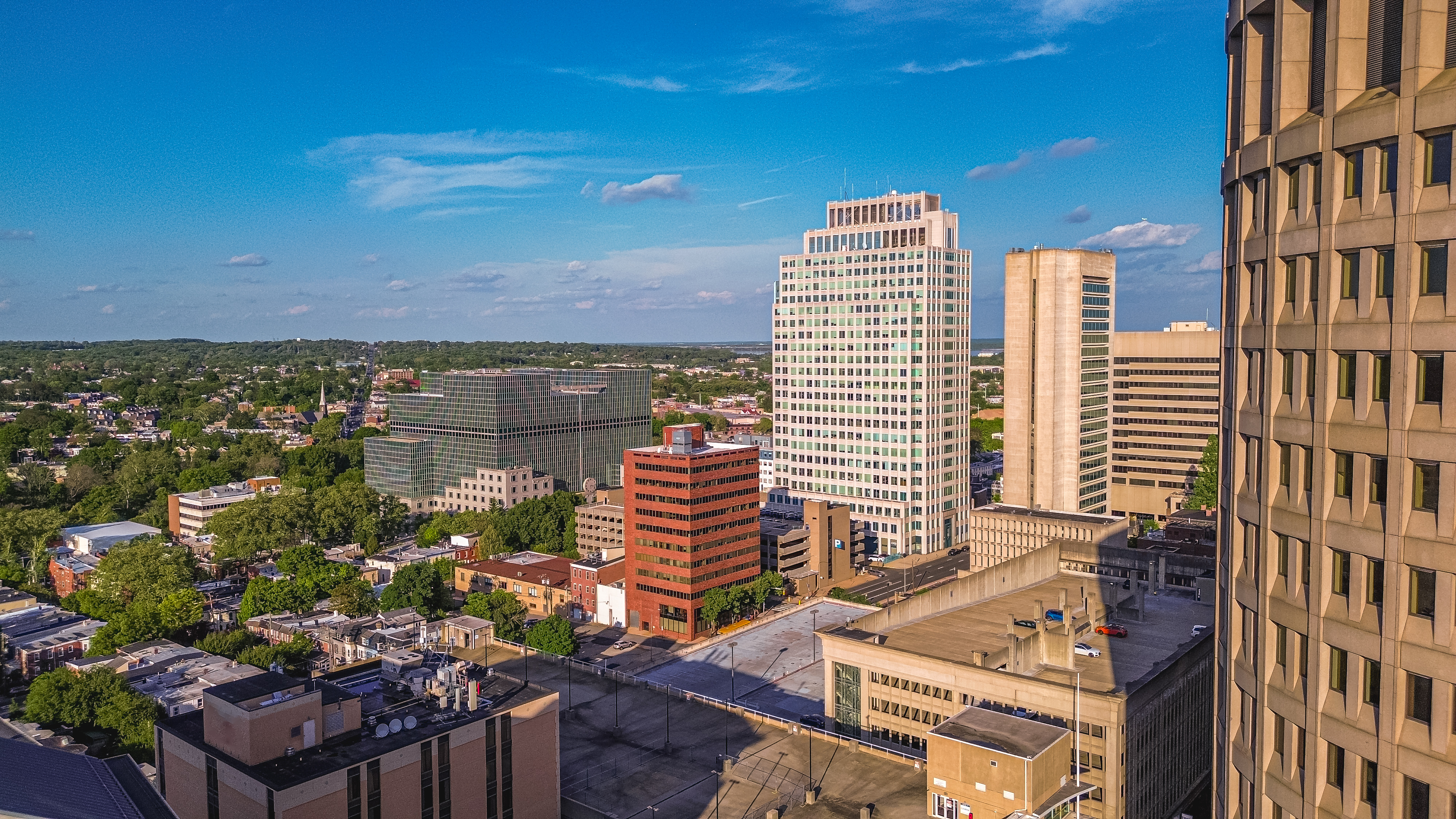
The small coastal state of Delaware pays an average annual home insurance premium of just $1,365. But like many states on the East Coast, the entire state is at high risk of flooding. So, homeowners here should use some of the savings on their regular insurance to purchase additional flood insurance.
4. Alaska

Homeowners in Alaska are paying an average of $1,385 per year for home insurance. As you can imagine, the biggest threats to homes in this state are related to the extreme and prolonged winter weather.
Winter-related damage is typically covered by standard home insurance, but it's still the homeowner's responsibility to take reasonable precautions to prevent damage.
5. New Jersey

In New Jersey, homeowners pay $1,480 per year on average for a standard home insurance policy. While that is far below the national average, it's important to note that most standard policies don't cover flood damage.
Since more than half of the state's total population lives on the coast, New Jersey is at high risk of flooding. It's therefore essential for homeowners in the state to buy flood insurance to fully protect their homes. Even those living further inland can still be exposed to stormwater surges and other forms of flooding.
6. New Hampshire
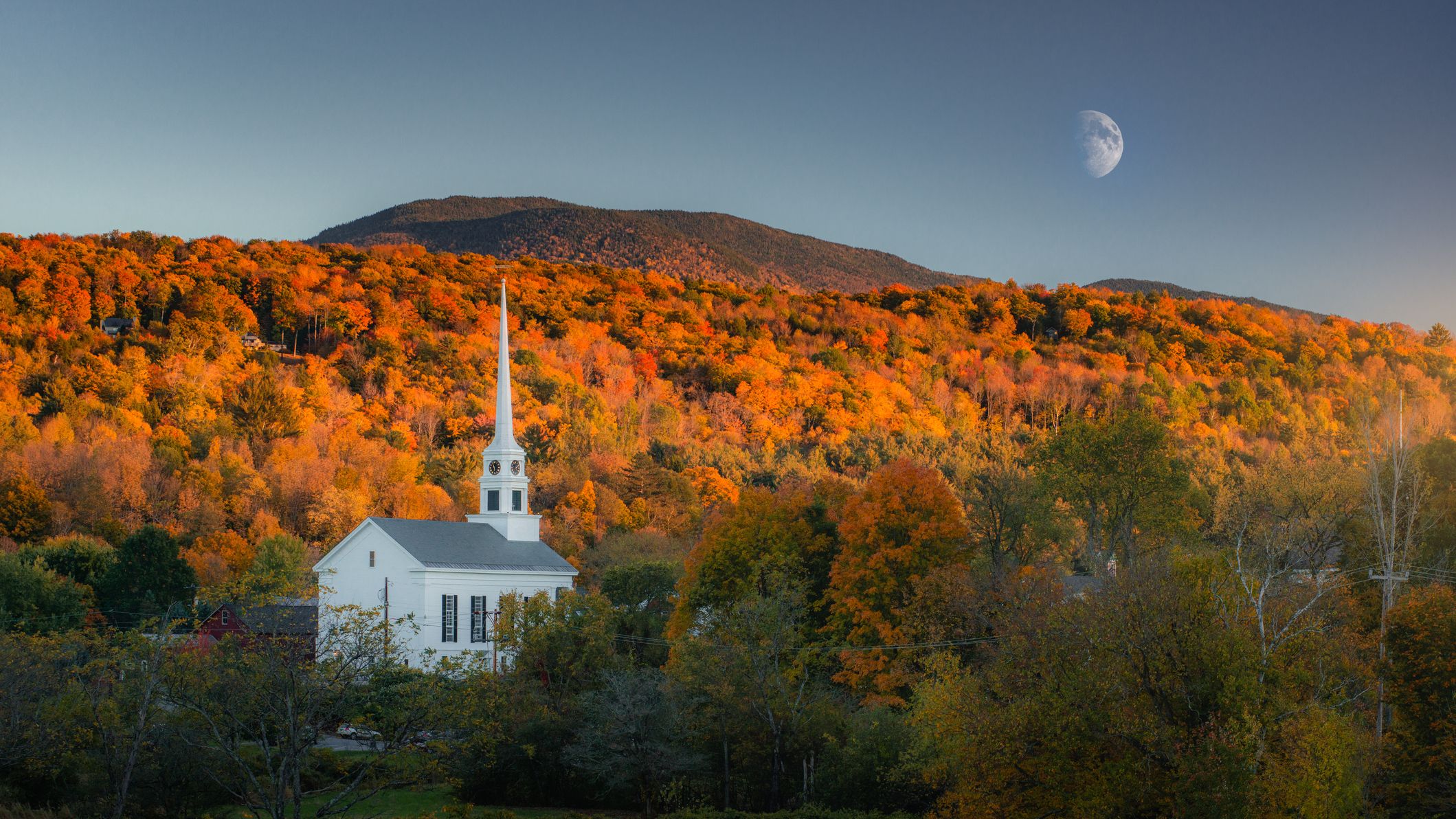
In New Hampshire, you can expect to pay an average of $1,500 per year for standard home insurance. The state is one of the safest places to live, as far as natural disasters go. Like other northern states, the biggest risks homeowners face are related to snow and freezing damage experienced during New Hampshire's harsh winters.
If you live here, make sure your pipes are insulated and you can provide proof that you've kept up with proper cold weather prep in your home to make your insurance claim process smoother.
7. Maine
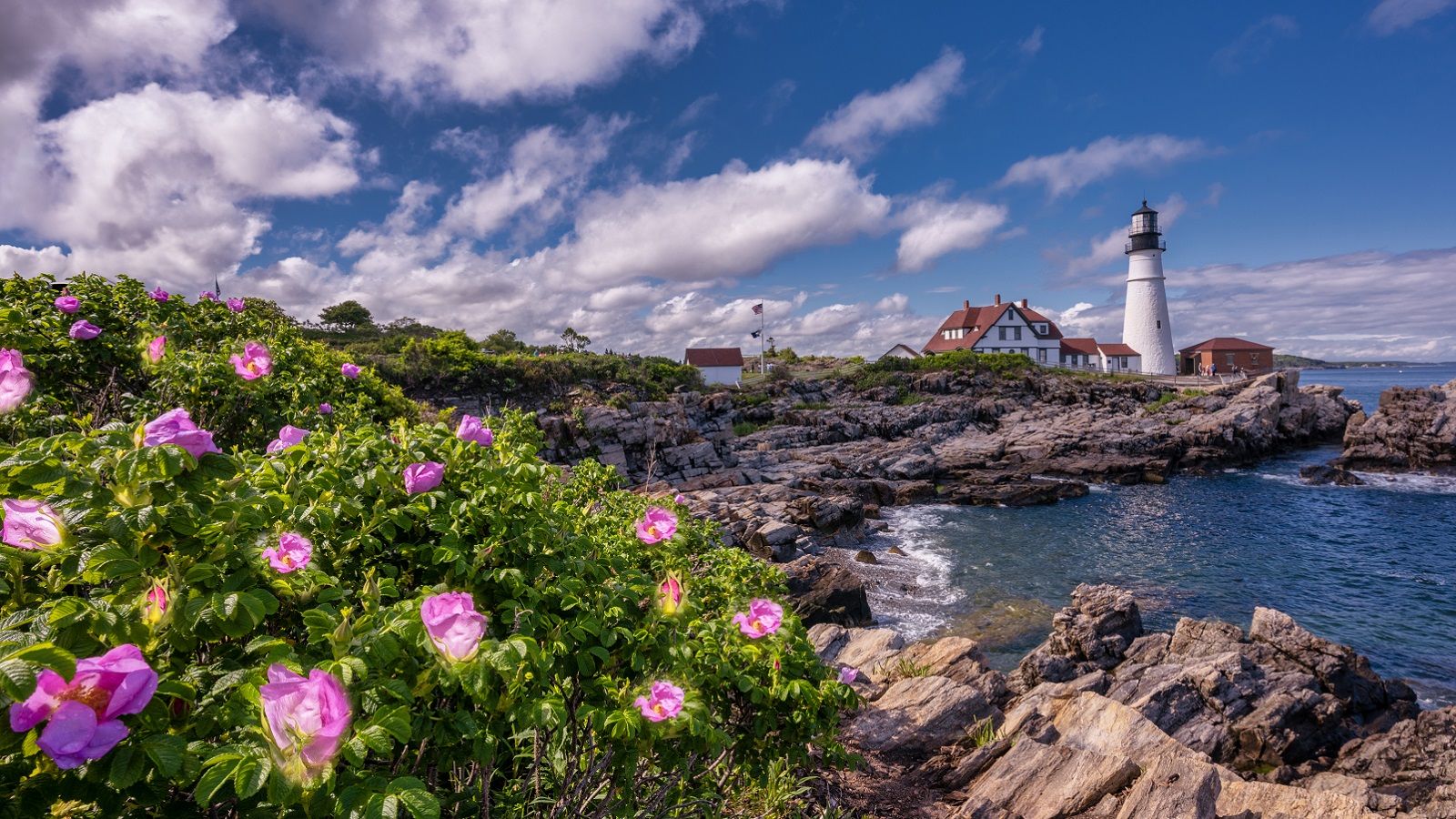
At $1,525 per year, the average premium in Maine is nearly $1,000 lower than the national average, but it is on the high side compared to its neighbors. You'll find even cheaper home insurance in New Hampshire and Vermont, for example.
One possible reason for this is that Maine is so heavily forested in much of the state, posing a higher wildfire risk than its neighbors face. It also makes home repairs a bit more expensive than average since many of the towns are fairly remote.
Comparing rates regularly is key no matter which state you live in
Insurance can be a financial lifesaver when disaster strikes. But until then, ever-increasing premiums can feel like a financial drain. That's why it’s important to re-shop for home insurance regularly, whether you live in one of these states with cheaper-than-average home insurance or not.
When you do, compare both price and coverage to make sure you're getting what you need at the best price. Don’t forget to factor in additional coverage like flood insurance or earthquake insurance, depending on which excluded risks are most prevalent in your area.