The shelf tag is the most important piece of information in the grocery aisle. It tells you the price of an item. However, retailers often use deceptive language and design on these tags. They want to create the illusion of a discount. Many tags that look like a sale are actually just advertising the regular price. Learning to spot these tricks is key to being a smart shopper.
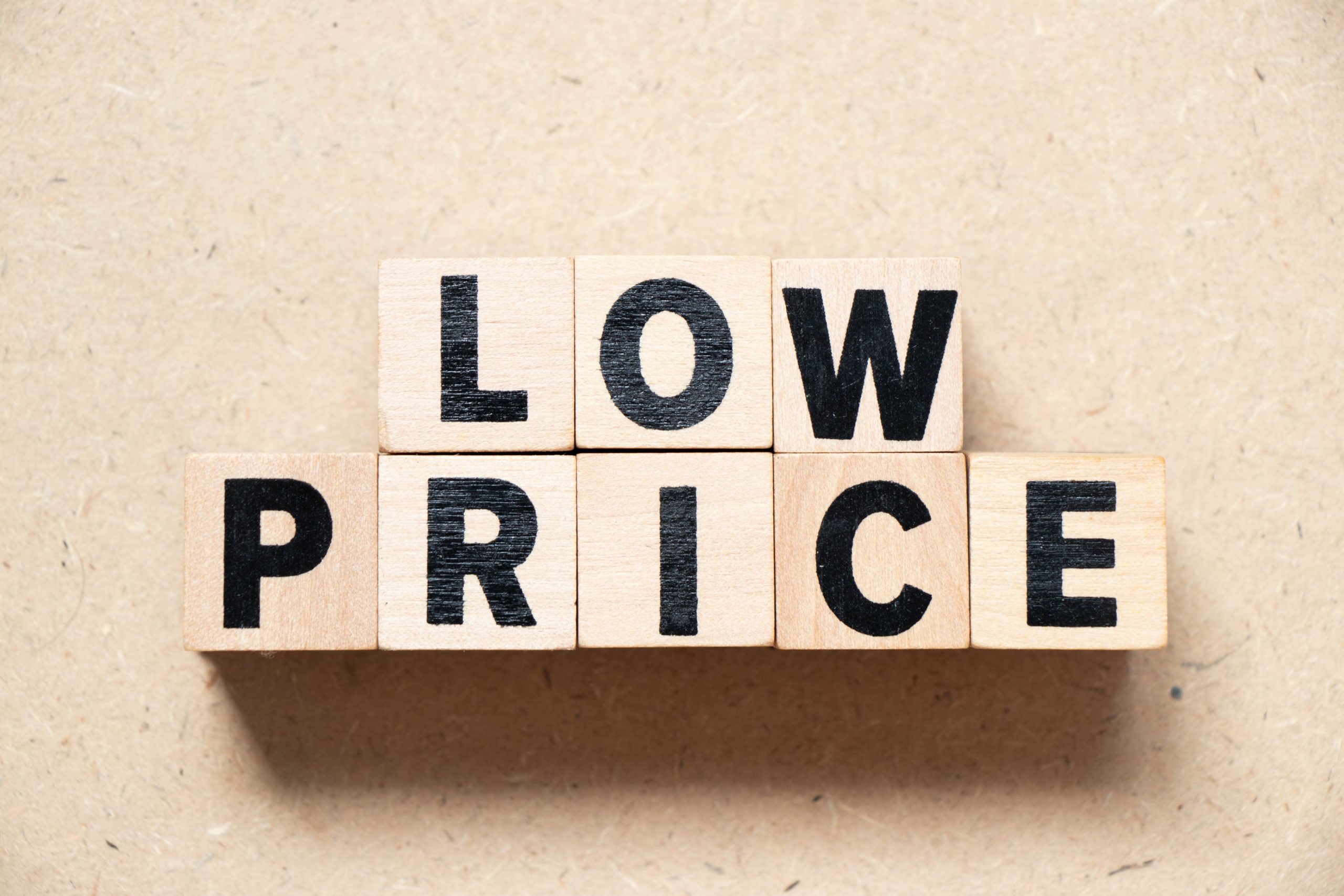
1. The “Low Price” or “Great Value” Tag
A tag that simply says “Low Price” or “Great Value” is not a sale. It is just the store’s opinion of its own regular price. These tags often use bright colors like yellow or orange. This makes them look like a temporary markdown. In reality, the price has not changed at all.
2. The “Temporary Price Reduction” That Lasts Forever
Some stores will use a tag that says “Temporary Price Reduction.” However, this “temporary” price can stay in effect for months or even years. It becomes the product’s de facto regular price. The word “temporary” is just a marketing gimmick. It creates a false sense of urgency
3. The Prominent Unit Price Trick
Sometimes, the unit price will be displayed in a much larger font than the actual item price. This is common for small, expensive items like spices. The large unit price makes it seem like the product is a better value than it is. It distracts you from the high cost of the small package.
4. The Comparison to a Fake “Regular” Price
A tag might show a “Regular Price” crossed out next to the current price. However, that “regular” price is often an inflated, fictional number. The item may have never actually sold at that high price. This fake comparison makes the current price seem like a much better deal than it really is.
5. The “Limit X Per Customer” on a Non-Sale Item
A strict purchase limit creates a feeling of scarcity. It makes you think the deal is incredibly good. However, some stores will put a “Limit 2” tag on a product that is not even on sale. The limit is just a psychological trick. It makes you perceive the item as being a hot commodity.
6. The “New Lower Price” Tag
A tag that says “New Lower Price” sounds like a great deal. However, it gives you no context. The price may have only been lowered by a few pennies. It might also still be much higher than the price was six months ago. The word “new” just creates a temporary excitement.
7. The Shelf Talker That Hides the Real Tag
Stores will often place a large, promotional sign, called a “shelf talker,” in front of the actual price tag. This sign might advertise a contest or a new feature of the product. It effectively hides the price information. This makes it harder for you to compare prices. It encourages you to just grab the product without thinking.
8. The Misleading Color Coding
Stores often use specific colors to signal a sale, usually red or yellow. However, they will sometimes use these same colors on the tags for their regular-priced store brands. This is a subtle visual trick. It makes their private-label products look like they are on sale. This encourages you to choose them over the national brands.
9. The “As Advertised” Tag
A tag that simply says “As Advertised” is not a guarantee of a discount. It just means the item was featured in the store’s weekly flyer. That item might be advertised at its regular price. You still need to compare the price to know if it is a real deal.
10. The Rounded-Down Unit Price
The unit price requires careful attention. A store might round the unit price down in a way that is misleading. For example, a price of $1.006 per ounce might be displayed as just “$1.00.” This subtle rounding can make a product appear slightly cheaper than it actually is when making a quick comparison.
The shelf tag is a powerful piece of marketing real estate. It is designed to influence your perception of value. By learning to read these tags with a critical eye, you can see past the hype. You can focus on the real numbers. This allows you to make your purchasing decisions based on facts, not on the store’s carefully crafted fiction.
Have you ever been fooled by a misleading shelf tag? What other tag tricks have you noticed? Let us know in the comments!
What to Read Next
- 8 Shelf Life Facts That Stop Food Waste Immediately
- 10 Shelf Placement Tricks That Manipulate Shopper Behavior
- Is There A Secret Code Behind Grocery Store Shelf Placement
- Why the Bottom Shelf Is a Goldmine for “Private Label” Bargains
- Why Do Certain Brands Always Get the Best Shelf Space?
The post 10 Shelf Tags That Pretend to Offer Discounts appeared first on Grocery Coupon Guide.