Online identity scams are getting bolder, faster, and a lot more AI powered. If you spend time on messaging apps, social platforms, marketplaces, or digital banking tools, you have probably seen at least one suspicious message pop up lately.
So, let’s take a look at the most common red flags to watch for, how they usually show up, and what you can do in the moment to protect yourself.
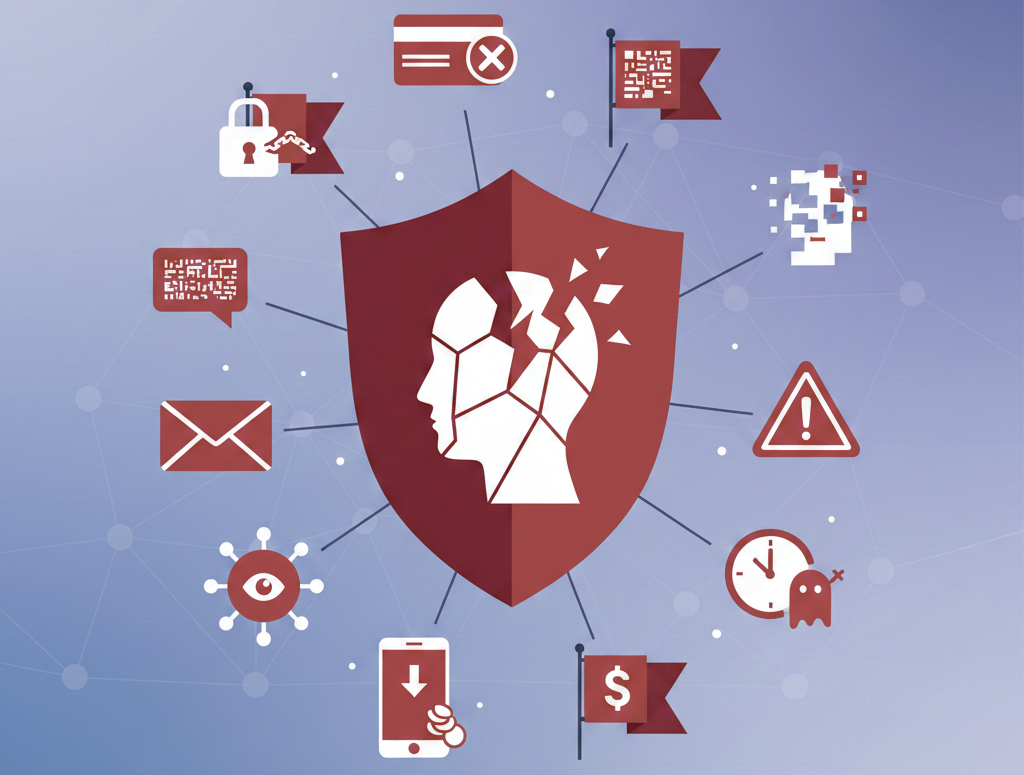
Image Source: Google Gemini
1. Overly polished profiles that feel just a bit too perfect
AI generated profile pictures, bios, and posts are now common in scams. The account looks real at first but has strange details on closer inspection. These profiles are built to gain trust fast.
Quick action: Look for inconsistencies. Search past posts, check creation dates, and scan for repeated or generic comments. Technology like identity verification solutions can minimize the risk by making it harder for bad actors to impersonate legitimate users or create fake accounts. If in doubt, use these tools to your advantage.
2. Requests to move the conversation off platform
When someone tries to drag a chat from a trusted app to SMS, WhatsApp, or Telegram, that is a sign you should pause. Many marketplaces warn users about buyers or sellers who insist on shifting the conversation away from the platform’s safety tools. Once the chat leaves the platform, scam detection and reporting become more difficult.
Quick action: Keep communication inside the original app. If the person pushes, that is your signal to walk away.
3. Spoofed caller IDs pretending to be banks or agencies
Caller ID is easy to fake. A rise in robocalls and impersonation calls that appear to come from official numbers indicates this. The voice on the line might claim to be your bank, your HR department, or even law enforcement. The request usually requires the disclosure of personal information.
Quick action: Hang up and call the organization back using the number on its official site.
4. Shockingly convincing AI cloned voices
Thanks to cheap, accessible AI tools, scammers can clone a voice from a few seconds of audio. Cases reported by The Guardian describe how cloned voices mimicked executives with alarming accuracy. These scams often claim there is an emergency and you need to send money discreetly.
Quick action: Always verify unexpected voice requests with a second communication channel, such as a text you initiate.
5. Typosquatted domains that look almost right
A domain like paypa1.com or gooogle.support might fool you at a glance. Scammers register lookalike domains to collect logins. Because people often skim links, it is easy to click without realizing something is off.
Quick action: Before entering sensitive info, check the full URL letter by letter.
6. QR codes that appear in random or urgent contexts
QR code generators are helpful, but they also hide their destination. Scammers place them on fake parking signs, restaurant tables, or social media posts. When scanned, they can lead to phishing pages that grab your credentials.
Quick action: Only scan QR codes from trusted sources.
7. Selfie with ID demands
Some scams pretend to be from support teams that need identity confirmation. They ask for a selfie holding your ID. While legitimate services sometimes require this, scammers use it to create accounts in your name. If the request shows up unexpectedly, treat it with suspicion.
Quick action: Confirm the request through the official app or website, not through the message that asked for it.
8. Fake delivery notices that claim you missed a package
Delivery scams grew fast last year, driven by an explosion of fake texts and emails. Reports from NatWest show these messages often use realistic logos and tracking numbers. The link usually leads to a fake payment page that charges a small fee and steals card data.
Quick action: Go straight to the official delivery carrier site and enter the tracking number yourself.
9. Marketplace buyers or sellers who change details mid conversation
Scammers often start normally, then shift. They may change the price, revise the shipping plan, or claim the payment service is down. These sudden changes try to push you into a rushed decision.
Quick action: If a buyer or seller keeps altering the plan, disengage.
10. Urgent payment requests that come out of nowhere
Scammers love to create panic. They claim something bad will happen unless you act right now. It might be a bill you supposedly forgot, a locked account, or a friend who needs cash. Scammers lean on pressure because it works. Real companies rarely demand immediate payment through links sent over text or DMs.
Quick action: Slow things down. Verify independently on the official website or app rather than using the provided link.
How to stay a step ahead
Scams evolve fast, and the last thing most people expect is a message that looks and sounds real yet is completely manufactured. Even with software precautions in place, your habits play a big role in staying safe.
A few habits that help:
- Verify unexpected requests through official channels.
- Avoid clicking links from unknown senders.
- Trust your instincts when something feels unusual or rushed.
The Bottom Line
Staying informed is one of the simplest ways to protect yourself. Threats evolve, but awareness evolves too. Keep learning, stay alert, and remember that slowing down for a moment can save you from a long headache later.